Small Talk With A Stranger Can Still Save Lives, Say Samaritans

Small talk is something many of us avoided even before the pandemic, and neither months of social distancing or the awkward return of socialising has made it easier – but it’s something that can still save lives.

That is the message from Samaritans, as the mental health charity and helpline relaunches its campaign to raise awareness about the role small talk can play in preventing suicide on the railways and in other public settings.

The ‘Small Talk Saves Lives’ campaign has run in partnership with Network Rail, British Transport Police and the rail industry since 2017. But as the UK steps out of lockdown, it is focusing on rebuilding public confidence to trust our gut and start conversations with anyone who looks as though they may need help.

Brits are known for being quite reserved, especially in public. We rarely go out of our way to speak to strangers and keep ourselves to ourselves. But engaging in the smallest of conversations – it could be as simple as asking “hello, what’s the time?” – may help interrupt someone’s suicidal thoughts, Samaritans says.

Handsome confident businessman on his way home from work. He is standing on the train station platform at sunset, waiting for his train.

Handsome confident businessman on his way home from work. He is standing on the train station platform at sunset, waiting for his train.

The pandemic has had a huge impact on mental health – and while it may have made the idea of small talk more daunting, it has also made us value a sense of community.

Dom, who prefers not to give his surname, knows how important small talk can be. As a teenager, he was experiencing suicidal thoughts but was interrupted at a crucial moment by someone who used small talk to ask if he was ok.

“When I was 19 years old, I was struggling to cope and didn’t know where to turn,” he tells HuffPost UK. “I was on my way to university one day and found myself thinking about ending my life. A lady came over and started a conversation with me and when I heard her ask, “are you ok?” it instantly snapped me out of thinking about harming myself.”

Dom, who now works for Network Rail himself, says he’s supporting the ‘Small Talk Saves Lives’ campaign because it saved his.

“From my own experience, I know suicidal thoughts can be interrupted and it was the kindness behind the small talk that also made a difference to me,” he says. “That human connection made me feel seen.

Working in the railway sector for almost a decade, Dom has used small talk on several occasions when someone’s behaviour has concerned him.

There aren’t “typical” signs someone might need help, Dom says. “When I’ve approached people, sometimes it’s because they’ve looked withdrawn, distant, or upset. Other times, they seem completely calm, but I’ll notice that they’re in an unusual location in relation to the environment. I would say, if you get a sense that something might be wrong, trust your instincts and start a conversation – as I’ve experienced, you could save a life.”

The public is better prepared for these interventions that you might expect.

A YouGov survey for Samaritans found over three quarters (78%) of UK adults have engaged in small talk during the pandemic – 37% of those surveyed said they had chatted with neighbours they hadn’t spoken to before and 37% with strangers at the supermarket.

Almost one in five said they are also more likely to want to make small talk with a stranger face-to-face not that restrictions are lifted. Given that small talk makes 57% of respondents feel less lonely and boosts the mental health and wellbeing of a further 45%, there’s potential to make a real difference here.

Of course, starting a conversation with a stranger can be difficult and it’s natural to feel nervous.

“If you spot someone you’re worried about and aren’t comfortable approaching them, then that’s completely fine as well,” Dom says. “You can still act by trying to find someone else who might be able to help, for example, a member of staff or police officer, or you can call 999 in an emergency.”

But with everything that’s happened in the past 18 months, Dom is optimistic that people can make a difference. “One thing I’ve noticed is the pandemic seems to have brought out a greater sense of community,” he says.

“I think we all recognise how important human connection is and that checking in on each other – whether it’s a friend or family member, a neighbour or key worker you’ve never spoken to before – can make a huge, positive difference to someone else’s day, as well as your own.”

Useful websites and helplines

Samaritans offers a listening service which is open 24 hours a day, on 116 123 (UK and ROI – this number is FREE to call and will not appear on your phone bill).

Mind, open Monday to Friday, 9am-6pm on 0300 123 3393.

CALM (the Campaign Against Living Miserably) offer a helpline open 5pm-midnight, 365 days a year, on 0800 58 58 58, and a webchat service.

The Mix is a free support service for people under 25. Call 0808 808 4994 or email help@themix.org.uk

Rethink Mental Illness offers practical help through its advice line which can be reached on 0808 801 0525 (Monday to Friday 10am-4pm). More info can be found on rethink.org.

Share Button

6 Exercises You Should Do In The Morning If You Wake Up Tired

You’re reading First Thing, a weekly series on HuffPost UK helping to make your mornings happier and healthier.

Does your morning exercise routine consist of working your arms by smacking the snooze button for the third time? (No shame ― sometimes you gotta do what you gotta do!)

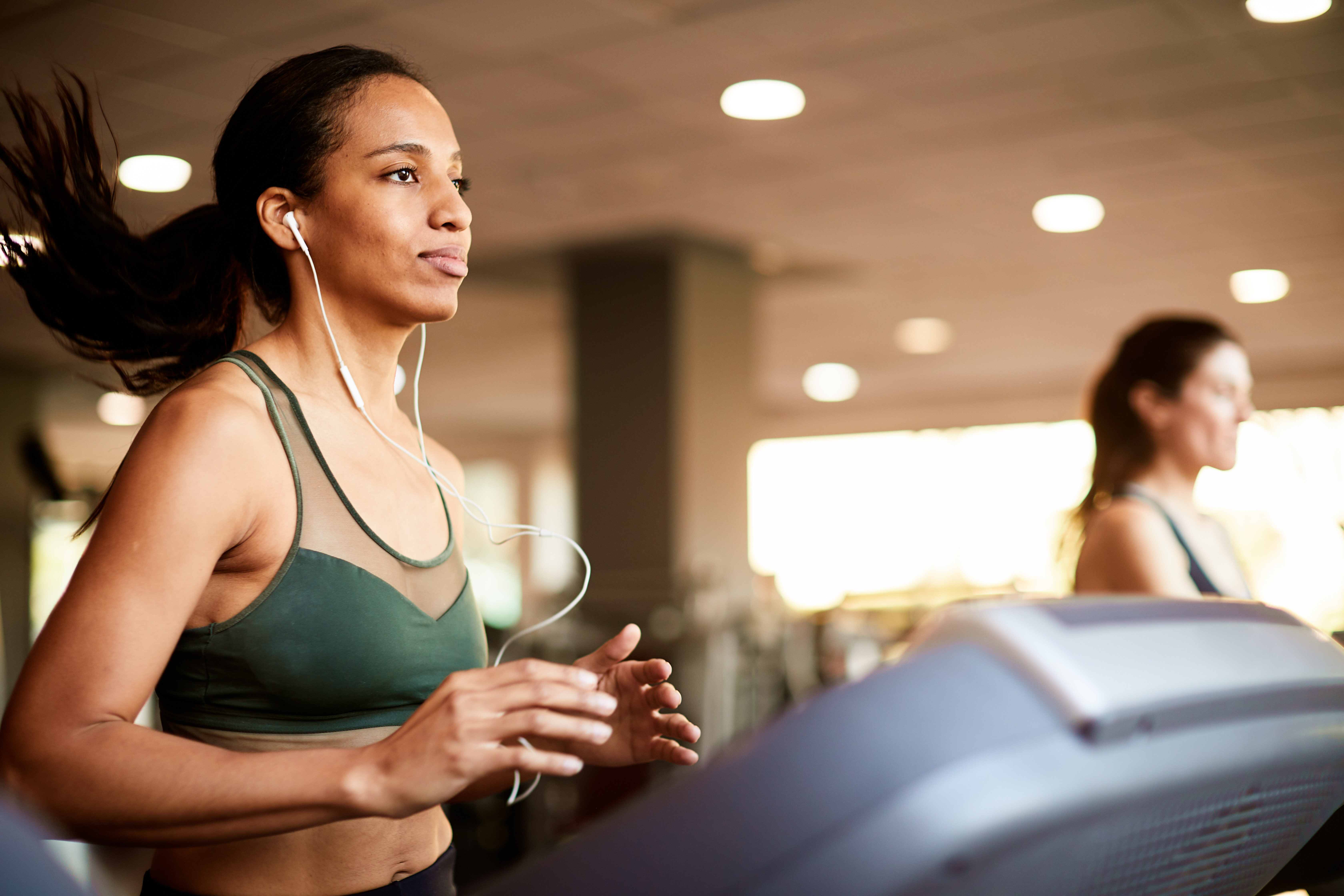
It may feel like exercising at the start of the day is an impossible feat when you’re so exhausted. However, you don’t have to spring out of bed and start running a 5K to feel energised. Even a little bit of movement will go a long way when it comes to revving you up for the day.

“Moving your body when you first wake up helps your circulation and stimulates your lymphatic system,” said Jennifer Jacobs, a certified personal trainer and founder of The J Method, adding that exercise helps fluid move through your body and reduce inflammation. “As a result, you feel more energised.”

We asked experts to share the best energy-boosting moves that’ll help you kickstart your morning feeling loose and alert. Here are their favourites:

1. Downward dog

Start your a.m. with a downward dog to get your blood flowing and increase alertness.

Start your a.m. with a downward dog to get your blood flowing and increase alertness.

One of the reasons you may not want to drag yourself out of bed is because your body is stiff from sleeping all night. This yoga pose is a great way to kickstart blood flow and wake up, said Megan Roup, founder of The Sculpt Society.

Starting on your hands and knees, stack your shoulders over your wrists and spread your palms out wide. Pressing through your palms, tuck your toes and lift your knees, pointing your hips toward the ceiling as you press down through the heels.

“To make this stretch more active, you can pedal out the feet while you actively press into the floor or bend and straighten both legs,” Roup said. Hold the pose for 15 seconds and repeat for three to four rounds.

2. Hamstring flossing

“This dynamic stretch helps to loosen up your hamstrings and your lower back more effectively than doing a static stretch, which may cause muscle spasms if your body isn’t properly warmed up,” said Theresa Marko, a board-certified orthopaedic clinical specialist in physical therapy and owner of Marko Physical Therapy.

To do this move, start by lying on the floor with knees bent and feet flat. Gently grab behind one of your thighs and straighten and bend the knee repeatedly (just make sure not to overextend your knee). This back-and-forth flossing motion will give your hamstring a stretch-and-release sensation. Do 10 repetitions on each side for two to three rounds.

3. Wake-up bounce

Don't underestimate the cardio and energy power of a little dancing.

Don’t underestimate the cardio and energy power of a little dancing.

“This is my go-to morning move that really wakes me up,” Jacobs said. “Choose a song that’s roughly three to five minutes and spend the duration of the song bouncing through the balls of your feet. You’ll start to increase blood flow – not to mention sneak in a quick calf workout – and may find that after the song ends your mood has improved, too.”

4. Child’s pose to side bend

It may seem counterproductive that one of the stretches to wake you up resembles a move that looks like you’re sleeping, but Khalil Jones, a certified personal trainer who also trains at Rumble Boxing in Philadelphia, said this move is great for stomach sleepers. This is because it can reset the spine after having the lower back rounded forward all night. (And reducing stiffness in your back allows you to move more freely and feel more energised.)

Kneeling on the floor, spread your knees hip-width apart and bend forward to place your torso between your thighs. Lengthen your tailbone and place your hands out to the side. Hold for 15 seconds for three to four rounds. As you come out of child’s pose, do a side bend: Grab one elbow with the opposite hand over your head and lean away from the elbow. This will stretch your back and triceps and improve mobility in your upper body.

5. Hip flexor stretch

A hip flexor stretch can alleviate tightness in multiple parts of your body.

A hip flexor stretch can alleviate tightness in multiple parts of your body.

“Hip flexors are such an important muscle,” Marko said. “Tight hamstrings can tug on your lumbar spine, and this can cause pain.”

Dropping down into a half kneeling position, do a slight pelvic tilt, lunging yourself forward to stretch your hip flexors. Hold for 15 seconds, repeating for three to four rounds.

If you feel too tight to try this, start by lying on the floor first, knees bent and feet flat. Keep your knees together and rock your legs side to side. Next, let your knees fall all the way down to one side to get a more intense stretch on your lower back. Switch sides, holding for 15 seconds each time, and then try the hip flexor stretch again.

6. Lateral breathing

If you just can’t get yourself out of bed to stretch and move before you need to be productive, don’t sweat it. Nikki Chrysostomou, a licensed movement therapist and founder of Movement Integration, said you can practice this stimulating stretch anywhere ― in the car, at your desk or even on your bed.

All you need to do is inhale and exhale deeply and focus your mind on getting the breath into your sides. If it’s helpful, you can place your hands on your ribcage to help you monitor where your breath is going.

“Lateral breathing helps to stimulate the mind,” Chrysostomou said. “To do this, work on taking breath away from the stomach. Think of breathing into the back of your ribcage, into the sides of the ribs and into your armpits. This creates a bucket-handle effect, with the ribs expanding out, and can perk you up.”

First Thing is a weekly series on HuffPost UK Life giving you tips and advice on how to enjoy your mornings. Whether you’re an early bird or night owl, starting your day off right will make for a happier and healthier day. We’ll be sharing exercise advice, nutrition guidance, as well as ideas on forming new habits. (And no, the answer to a productive morning isn’t just setting an alarm for 5am!)

Share Button

Heat-Related Deaths in UK Could Triple In The Next 30 Years

Heat-related deaths in the UK could triple in the next 30 years, according to a new report by the British Red Cross.

The charity’s Feeling The Heat report looks at how prepared the UK is for rising temperatures and more frequent heatwaves, and warns of a dangerous perception gap when it comes to awareness of the risks posed by heat.

Heatwaves – defined as a period of extreme heat lasting three days or more – have increased in the UK, with 84 registered between 2000 and 2020, and will continue to do so, the report says, both in intensity and length.

“The average length of warm spells have more than doubled in length in the last few decades, and by 2050 the UK will be 50% more likely to experience hot summers, while heat-related deaths could more than triple, to around 7,000 per year,” the charity’s briefing says.

The report, which surveyed 2,000 UK adults in June, comes after another period of weather in the UK that prompted extreme heat warnings, and found the risks that can come from heatwaves are not matched by the level of public concern.

A man sunbathing in St James's Park, London on the hottest day of the year so far.

A man sunbathing in St James’s Park, London on the hottest day of the year so far.

Even the word heatwave has positive connotations for the public, and is seen as bringing good weather, with a survey suggesting more than a quarter (26%) of people see heatwaves as a good thing. Meanwhile, more than a third (37%) believe heatwaves will be a problem in the future, but not now.

However, August 2020 heatwaves caused a record 2,556 excess deaths in England, as well as significant disruption across the UK, it warns. A severe water shortage led to more than 300 households in West Sussex having no water for five days, and there were an estimated five million staff days lost, at a cost of approximately £770m to the UK economy.

The survey suggests the majority (60%) of UK adults have experienced at least one adverse effect of hot weather in the UK, most commonly headaches (33%), dizziness or feeling faint (22%), or heat rash (21%). However it found that 40% of adults have never seen information on how to protect themselves during a heatwave, and 9% said they’ve never had advanced warning of a heatwave.

People who are more vulnerable to heatwaves

Hot weather can impact us all, but the following groups can be more vulnerable, the report says:

  • Older people and people who live in care homes
  • Babies and children
  • People who are pregnant
  • People with chronic health conditions
  • People with mental health conditions
  • Those drinking to much or taking recreational drugs
  • People who live alone or are socially isolated
  • Homeless people and marginalised groups
  • Refugees and migrants
  • Outdoor workers

Despite those aged 75 and above being at high risk form these effects, more than half of this age group surveyed said they do not consider themselves as vulnerable to the impact of heatwaves, the research found.

“Through the British Red Cross’s work responding to emergencies here in the UK and abroad, we are already seeing the devastating impact of climate change, including hot weather,” the report says. “But we also know that extreme weather emergencies don’t need to be disasters.”

The charity is calling on the government to ensure the most vulnerable to heat have access to adequate information and support. Former TV weather presenter Sian Lloyd has joined the call for greater awareness and understanding of the risks associated with rising temperatures.

“The UK is getting hotter,” she says. “As a result of climate change, heatwaves are becoming longer and more extreme, and many people’s health and wellbeing will continue to suffer as a result.

“We already know that certain groups are more at risk from extreme heat, including people aged over 75, adults with underlying health conditions, children and babies, as well as people living in top floor flats and in built-up urban areas where temperatures are higher.”

Matthew Killick, director of crisis response and community resilience at British Red Cross, said: “Despite what many think, UK heatwaves can impact us all.

“But heatwaves don’t need to be deadly. From checking on your neighbours to providing first aid, simple early actions can keep you, your family and friends safe and well during hot weather.”

Share Button

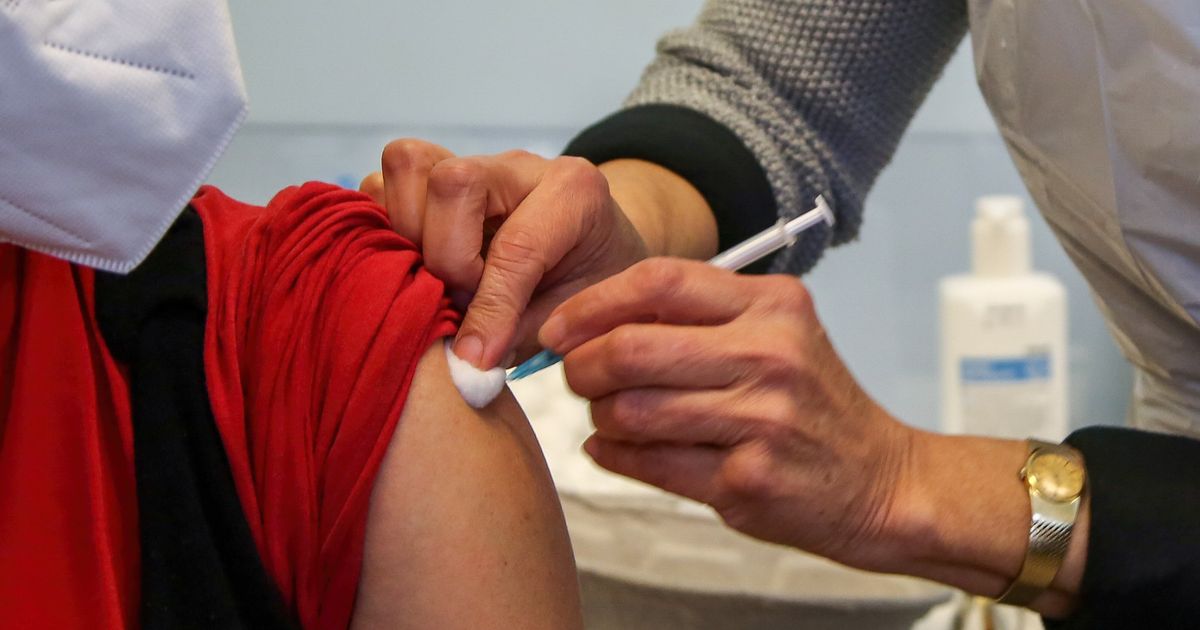
How Much Time To Leave Between Your Two Pfizer Vaccine Doses

Leaving eight weeks between your first and second dose of the Pfizer Covid-19 vaccine is the optimum gap for immunity and protection, say scientists.

A new study, funded by the Department of Health and Social Care has found that a 10-week gap between doses produces higher antibody levels, as well as a higher proportion of infection-fighting T cells, compared to just four weeks.

However, scientists involved in the study have described an eight-week dosing interval as the “sweet spot” when it comes to generating a strong immune response while also protecting the UK population against the Delta variant of coronavirus – to which people can still be vulnerable after just one jab.

At the start of the second wave of the Covid-19 epidemic, the Joint Committee on Vaccination and Immunisation (JCVI) decided to recommend 12 weeks between two doses for the two vaccines that were available at the time: Pfizer and Oxford/AstraZeneca.

This was when vaccines were in short supply and early research suggested that widening the gap from the manufacturer-recommended four weeks to 12 ramped up the jabs’ immune response.

In May, the guidance was changed to eight weeks as cases associated with the Delta variant – which was first identified in India – continued to rise in the UK.

Professor Susanna Duanchie of the University of Oxford, joint chief investigator in the study, said: “The original recommendation from JCVI was 12 weeks and this was based on a lot of knowledge from other vaccines that often having a longer interval (between doses) gives your immune system a chance to make the highest response.

“The decision to put it to eight weeks is really balancing all the wider issues, the pros and cons – two doses is better than one overall. Also, other factors need to be balanced: vaccine supply, the desire to open up, and so on.”

She added: “I think that eight weeks is about the sweet spot for me, because people do want to get the two vaccine (doses) and there is a lot of Delta out there right now. Unfortunately, I can’t see this virus disappearing so you want to balance that against getting the best protection that you can.”

Researchers recruited 503 healthcare workers for the study, 44% (223) of whom previously had Covid-19, and studied the immune responses generated by the Pfizer jab. They found that both short (three to four-week) and long (10-week) gaps between the Pfizer vaccine doses generated strong antibody and T cell immune responses.

But the longer gap led to higher antibody levels and a higher proportion of helper T cells, which according to the researchers, supports immune memory.

After the second dose, a wider gap also resulted in higher neutralising antibody levels against the Delta variant and all other variants of concern, they found. But in this instance, antibody levels dropped off between first and second dose – leaving the recipients vulnerable against the Delta variant after one jab.

Dr Rebecca Payne, one of the study’s authors from Newcastle University, said the cellular response from infection-fighting T cells remained consistent across both long and short dosing gaps, suggesting they play an important role in protecting against Covid-19 between the first and second jab.

“After the second dose on the longer dosing schedule, antibody levels surpassed those seen at the same timepoint after a shorter dosing interval,” she added. “Although T cell levels were comparatively lower, the profile of T cells present suggested more support of immune memory and antibody generation.”

Researchers said there may be exceptions where the gap between doses may need to be shortened from eight weeks to four, such as before treatments that may affect the immune system, such as cancer or organ transplant.

Vaccines minister Nadhim Zahawi said the government took the JCVI’s advice to shorten the dosing interval from 12 to eight weeks to help protect more people against the Delta variant.

“This latest study provides further evidence that this interval results in a strong immune response and supports our decision,” he added.

“I urge every adult to get both doses of the vaccine to protect yourself and those around you and we are looking to offer millions of the most vulnerable a booster jab from September to ensure this protection is maintained.”

Share Button

Will My Child Get The Covid Vaccine? A Guide For Parents

The vaccine programme has been rolled out to more children across the UK, but it’s not open to all under 18s just yet.

Health secretary Sajid Javid said that he has asked the NHS to prepare to vaccinate the newly eligible groups “as soon as possible”. Here’s what you need to know as a parent or guardian.

Can my child get the vaccine?

Under previous advice, teens aged 16 to 17 with underlying health conditions which put them at higher risk of serious Covid should have already been offered a jab. The latest announcement extends the vaccine rollout to more vulnerable children.

Vulnerable children between the ages of 12 and 15 will now be offered a Covid vaccine. Those who’ll be offered a jab include children with severe neurodisabilities, Down’s syndrome, immunosuppression and multiple or severe learning disabilities.

The vaccine will also be offered to 17-year-olds who are within three months of their 18th birthday.

The Joint Committee on Vaccination and Immunisation (JCVI) has also recommended that children and young people aged 12 to 17 who live with an immunosuppressed person be offered the vaccine, to indirectly protect their immunosuppressed household contacts.

What vaccine will vulnerable children get?

The medicines regulator, the Medicines and Healthcare products Regulatory Agency (MHRA), has already approved the Pfizer/BioNTech vaccine for use among children aged 12 and over in the UK, so it is likely this is the vaccine they will receive.

Why is there caution about the vaccine for kids?

The government has said it will continue to review whether or not to offer the vaccine to all under 18s.

The caution is due to a lack of available trial data, says Helen Bedford, Professor of Children’s Health at UCL. There’s also a careful balancing act between the benefits of the vaccine vs any potential negative impacts on kids.

“Healthy young people and children become seriously ill with COVID-19 extremely rarely, so there would be few direct benefits for them of vaccination but it would contribute to increasing population immunity,” she explains. “Before recommending vaccination for all children and young people we therefore need to be very clear about of the safety of the vaccines in this group.

“Although there is now good trial data and experience of vaccinating very large numbers of adults and the vaccines have been shown to be safe, we cannot automatically assume this applies to children. More information is needed from trials and experience of using these vaccines in young people and children before the programme is rolled out further.”

What are other countries doing?

Nearly half of European countries have decided to offer the vaccine to children aged 12 and over, including France, Spain, Italy and Austria. Some vaccination programmes have started, while others are imminent, with plans to vaccinate children before the new school term in September widespread.

What about long Covid?

While children are less likely to suffer severe illness from coronavirus, they aren’t untouchable. Hundreds of children in the UK are struggling with long Covid months after becoming sick.

In rare instances, some children have developed a multi-system inflammatory syndrome linked to Covid-19 which can lead to organ damage. Scientists will consider this when continuing to weigh up the pros and cons of vaccines.

Share Button

Birth Injuries Are Leaving Some Mums Wishing They’d Never Had Kids

One in four women who experience a severe injury during birth regret having their child. It’s taboo to admit, but with more than 600,000 women giving birth in England and Wales alone each year, we need to talk about this.

A new survey of mothers affected by birth injuries lays bare the physical and psychological impact on women, which can last years into their child’s life.

The overwhelming majority (85%) of mothers who suffered severe injuries say their experience damaged their relationship with their child, with 14% saying this harm was permanent. One in three (34%) said they saw their child as the cause of the injury while, heartbreakingly, three in 10 (31%) thought their child would be better off without them.

The research, from birth injury charity The MASIC Foundation, surveyed 325 women who self-identified as having suffered severe perineal trauma when giving birth. The sample size may be small, but the research adds to growing concern about women’s health outcomes after giving birth in the UK.

While it’s important to acknowledge that millions of women around the world give birth each year without problems, it’s equally important to say this isn’t always the case – and women are increasingly talking about their negative experiences and demanding better care.

HuffPost UK has previously reported on the gaps in NHS postpartum care that widened during the pandemic. In a separate survey of mums, the majority (91%) said they were not given enough advice during pregnancy about postpartum recovery.

We also know that Black women are five times more likely to die during childbirth than white women. A controversial proposal to tackle this – inducing labour at 39 weeks for pregnant black, Asian and minority ethnic women as a matter of course – has been called “racist” by some doctors and midwives.

In the latest research, 78% of women surveyed said they have traumatic memories of birth and 52% said they face embarrassment due to symptoms of their injury.

This rings true for Catherine*, who had a prolonged labour following induction with her son, which then required an episiotomy and ventouse (vacuum delivery).

She had a third-degree tear (defined as a tear that extends into the anal sphincter), but it was initially misdiagnosed as a second-degree tear, meaning she wasn’t offered the correct treatment. Her undiagnosed injury left her in too much pain to sit down or attend mother and baby groups, leaving her “essentially house-bound” for her maternity leave. After a year – and hitting a brick wall with the NHS – she accessed help at a private clinic.

The damage has been permanent, though, and she’s still prone to toilet urgency and accidents. Catherine now carries pads, wipes, Imodium and spare underwear everywhere she goes. She quit a job she loved as she was struggling to manage her condition, and has been diagnosed with PTSD.

““My confidence, my me-ness, the essence of who I am, has been destroyed.”

– Catherine, 44, Bristol

“My confidence, my me-ness, the essence of who I am, has been destroyed,” says the 44-year-old, from Bristol. “My relationships with my child and my partner have suffered.”

Catherine has struggled to talk to friends about her experience – or even watch programmes when childbirth is mentioned – and has counselling each year in the run-up to her son’s birthday.

“With my son, I love him dearly, he is the best thing in my life, but his birth caused the injury and it is difficult to square the two,” she says.

“Every year I dread his birthday and the reminders of my traumatic experience. It is not fair on him or on me – his birthdays are not a happy occasion, but every year I have to pretend it is.”

While her partner has been understanding, Catherine says “he also carries his own guilt about what happened”. Their physical relationship has also been impacted hugely. “I feel like a shell of my former self at times,” she adds.

Like Catherine, 69% of mothers surveyed said the impact of a birth injury was both physical and emotional. Almost half (45%) said they have had postnatal depression as a result and 29% said it has affected their ability to breastfeed their baby, with 18% stopping earlier than planned.

Elizabeth*, who now has a 10-year-old daughter, describes the period after birth as the “worst time of [her] entire life” and is still impacted by her birth injury a decade later.

Aged 30, she had a fourth-degree tear (a tear that extends further into the lining of the anus). Six days after delivery, she passed faeces vaginally and was in extreme pain. She was then readmitted to hospital and found to have a recto-vaginal fistula, causing an infection in her vagina and bowel.

““I am ashamed to say that at times I wished I had never become a mother and I grieved for the life I had before.””

– Elizabeth, 40, Hampshire

Although she’s had further treatment, she still experiences rectal incontinence, which has affected her ability to socialise and work. “I often avoid eating out as this stimulates my bowel,” says the now 40-year-old, from Hampshire. “I always need to know where the toilets are.”

Her birth injury meant Elizabeth was forced to give up her beloved hobbies of horse riding and swimming. For a long time, she was in too much pain to even walk her dog. “I am ashamed to say that at times I wished I had never become a mother and I grieved for the life I had before,” she says. “I paid such a high price to have a baby.”

Jen Hall, a MASIC spokesperson, is sadly unsurprised by Catherine and Elizabeth’s stories, after having a “brutal forceps delivery” that left her with physical and psychological damage herself.

“Nobody warns you that having a child can leave you with life-changing injuries and no woman should have to go through this without support and proper medical care,” she says.

Most of these injuries are “entirely preventable”, she adds – the result of something going wrong during birth or a failure to identify risk factors beforehand, according to MASIC. The charity is calling on the government and the NHS to roll out a programme of training for medical professionals.

The Obstetric Anal Sphincter Injury (OASI) care bundle – a package of training which has been praised by the Royal College of Midwives – has been trialled in 16 maternity units across the NHS and is being extended to a further 20, but this still leaves three in four (76%) maternity units yet to be reached.

The charity is calling for it to be rolled out nationwide. They’ve also set out a seven-point plan for better care, calling for:

  1. Improved identification, diagnosis and treatment of birth injuries in the NHS.

  2. An education programme for obstetricians and midwives so that severe injuries are recognised at birth and treated in line with best evidence.

  3. A primary care education programme so that all women are asked at contacts following birth about signs and symptoms of OASI/incontinence, with appropriate referral pathways for those with symptoms in line with the NHS long-term plan.

  4. Information about the risks of OASI given to all women antenatally.

  5. Women’s concerns to be listened to and not dismissed as “normal” postnatal experiences.

  6. Specialised psychological treatment and support for women after OASI injury and an end to the stigma and taboo of talking about these injuries.

  7. Dedicated OASI clinics nationwide.

HuffPost UK has contacted NHS England and the Department for Health and Social Care for a response. We’ll update this article if they provide a statement.

Without change, women like Catherine do not feel like they can have a second child. “I feel like I was someone the birth just happened to,” she says. “At the time I was happy to place my faith in the medical professionals dealing with me; I had no reason not to. Whilst birth is normal, natural and inevitable, and women’s bodies are designed to do it, unfortunately as we all know it isn’t always that simple. The people who were meant to help me through it let me down.”

• Surnames have been omitted to offer anonymity to interviewees.

Useful websites and helplines

Mind, open Monday to Friday, 9am-6pm on 0300 123 3393.

Samaritans offers a listening service which is open 24 hours a day, on 116 123 (UK and ROI – this number is FREE to call and will not appear on your phone bill).

CALM (the Campaign Against Living Miserably) offer a helpline open 5pm-midnight, 365 days a year, on 0800 58 58 58, and a webchat service.

The Mix is a free support service for people under 25. Call 0808 808 4994 or email help@themix.org.uk

Rethink Mental Illness offers practical help through its advice line which can be reached on 0808 801 0525 (Monday to Friday 10am-4pm). More info can be found on rethink.org.

Share Button

The 5 Most Commonly Reported Covid-19 Symptoms

The official list of Covid-19 symptoms should be expanded as the existing one could “miss many Covid-19 cases”, experts have argued.


The UK should follow other countries and include a broader range of symptoms, according to a group of scientists. Classic symptoms of Covid-19, listed on the NHS website, are a high temperature, a new continuous cough and/or a loss or change to a person’s sense of smell or taste.

But the most commonly reported symptoms by people taking part in the Office for National Statistics (ONS) Covid-19 Infection Survey are cough, headache and fatigue.

The latest ONS release shows 61% of people who tested positive reported symptoms. Of these, 42% had a cough, 39% reported headache and 38% reported fatigue, according to the ONS. Muscle ache was reported by a quarter of people and 32% reported having a sore throat. Meanwhile a third reported fever and 21% reported loss of smell and 15% reported loss of taste.

A separate study – the Zoe Covid Symptom study – recently reported that a headache, sore throat and runny nose are now the most commonly reported symptoms. These are most likely symptoms of the Delta variant.

What do the experts say?

Writing in the British Medical Journal (BMJ), Dr Alex Crozier and colleagues – including Professor Calum Semple who is a member of Sage – suggest that limiting testing to only people with fever, cough and a change in taste or smell could “miss or delay identification of many Covid cases”.

They suggest this could “hamper efforts to interrupt transmission” of the virus. The group argue that increasing the symptom list could improve Britain’s pandemic response by expanding the criteria for self-isolation and eligibility for symptomatic testing.

The “narrow” case definition “limits” the early detection of contagious people, which restricts the efforts of the Test and Trace programme, they say. Non-traditional symptoms “often manifest earlier”, they added.

The US Centres for Disease Control lists 11 more symptoms than the UK, and the World Health Organisation includes nine more. The testing capabilities are now able to facilitate people with a broader spectrum of symptoms, they added. They say testing people with a single non-specific symptom could overwhelm capacity in the UK, but “combinations of symptoms could be used to help identify more cases sooner without overwhelming testing capacity”.

The authors continue: “The UK’s decision to adopt a narrow case definition was based on ease of communication, avoiding confusion with other infections and preserving testing capacity. This situation is now different — testing capacity is high.

“Covid-19 is associated with a wide range of symptoms. Many patients do not experience the UK’s official case-defining symptoms, initially, or ever, and other symptoms often manifest earlier. Limiting the symptomatic testing to those with these official symptoms will miss or delay identification of many Covid-19 cases, hampering efforts to interrupt transmission.

“Expanding the clinical case definition of Covid−19, the criteria for self-isolation, and eligibility for symptomatic testing could improve the UK’s pandemic response.

The Department of Health and Social Care has been approached for comment by PA Media. We will update this piece if there is a response.

Share Button

How To Prove You’re Vaccinated With The NHS Covid Pass

You might have got a “I’ve had my Covid vaccination” sticker after getting your jab – or a small card with your name and the date – but there’s a more official way to prove you’ve been double jabbed.

Foreign secretary, Grant Schapps, has announced those who have been double jabbed will be able to travel home from amber list countries without quarantining from later this summer. So how can you prove it?

How to prove you’ve had two Covid vaccinations in England

For travel, if there’s a requirement to have had two Covid vaccinations to the country you’re going to, or coming back from, you’ll be asked to show your vaccination status by officials.

You can request an NHS Covid Pass to prove this on the NHS website or on the NHS app. This app is different to the NHS Covid-19 app, which you use to check into venues. To use the NHS app, you’ll need to be registered with a GP surgery and create a login. You’ll need your NHS number to do this, which is pretty easy to access online.

Once logged in to the app, choose the ‘Get your NHS Covid Pass’ button. You can then press ‘travel’. It will take you to a screen that has details of your Covid-19 records. Press ‘show details’ and you’ll be shown a QR code, that will expire 30 days from the date of issue. To get a new one, you just log back in.

You can also request an NHS Covid Pass letter on the NHS website. You’ll be asked some questions, so they can find your vaccine record, and then they’ll send a letter to to the address you have registered with your GP surgery. You should get this letter within five working days.

And finally, people who have had both their jabs can also request an NHS Covid Pass letter by calling 119. This won’t show test results, and has no expiry date.

What about in the rest of the UK?

Those in Scotland aged 16 and over can request a paper copy of their vaccine status via the NHS inform website. You can also call 0808 196 8565.

In Wales, there isn’t yet a digital pass to show vaccine status. There is a paper one, though and you can request one of these by calling 0300 303 5667. You need to have had at least five days since your second dose.

In Northern Ireland, they are working on a paper-based Covid pass. It’s hoped it will be available by July, with digital passes available by summer.

How to bring forward your second jab

Many people initially had their second jab booked for 12 weeks after their first. However, it’s now possible to move your second jab earlier – to eight weeks after your first. This is to ensure maximum protection against the Delta variant.

It’s best to do this by going on the NHS website and filling out your details. Some people have had to cancel their existing second jab appointment to be able to view earlier appointments and rebook. Other people have been able to view available earlier appointments, and rebook, without having to cancel their first. If you’re worried about rebooking an appointment, call 119 free of charge.

Share Button

It’s Official: More Gay And Bi Men Can Now Give Blood

After a long wait, gay and bisexual men are able to donate blood more freely, following an overhaul of “dehumanising” blood donation rules.

Under the old rules, gay and bi men were unable to donate blood unless they’d abstained from sexual activity for more than three months. They were also specifically asked about their sexuality on donation forms.

The reasoning given was that “at a population level, men who have sex with men are at an increased risk of acquiring certain infections through sex”.

But under the new rules in England, Scotland and Wales, eligibility to give blood will be based on individual circumstances surrounding health, travel and sexual behaviours instead.

What does the rule change mean?

Any individual who attends to give blood – regardless of gender – will be asked if they’ve had sex and, if so, about recent sexual behaviours.

Those who’ve had the same sexual partner for the last three months will be eligible to donate – regardless of gender or sexuality.

People will also be able to donate if they have a new sexual partner with whom they’ve not had anal sex and there is no known recent exposure to an STI or recent use of PrEP or PEP.

To mitigate risks, those who’ve had anal sex with a new partner or with multiple partners in the last three months will not be able to give blood, but may be eligible in the future.

Donors who have been recently treated for gonorrhoea will be deferred and anyone who’s ever received treatment for syphilis will not be able to give blood.

Wasn’t this rule change announced last year?

Yes, but it’s only just coming into play from June 14.

The changes follow an evidence-based review by the FAIR (For the Assessment of Individualised Risk) steering group led by NHS Blood and Transplant.

The new donor selection system is designed to be fairer and will also maintain the UK’s status as one of the safest blood supplies in the world. Data around the impact of the donor selection changes will be kept under review and assessed 12 months after implementation to determine if changes are needed.

How do people feel about it?

Commenting on the rule changes when they were first announced in December, Adam Bloodworth wrote for HuffPost UK: “What people may not realise is that dehumanising rules like these reinforce feelings of shame that many LGBTQ people carry around with them as a heavy mental burden each day.

“By being discounted from an activity most people are encouraged to do, we’re reminded that we are perceived to be ‘different’ by some in society – no matter how many times people tell us we aren’t.”

Ethan Spibey was prevented from donating blood due to his sexuality – he’d wanted to do his bit and donate after a blood donor saved his grandfather’s life, but was unable to do so. Spibey, who has since been campaigning for a change to donation rules and founded FreedomToDonate, said: “The work of the FAIR steering group shows that simply being a man who has sex with men is not a good enough reason to exclude someone from donating blood.

“This is more than just about a fairer and more inclusive system, it’s about those who rely on blood, and giving blood literally saves lives. I can’t wait to finally repay that first pint. I would encourage anyone who is able to safely donate blood to register to do so.”

How to donate blood

Gay and bi men who’ve previously been turned away for blood donation can call NHS Blood and Transplant on 0300 123 23 23, which can review the new guidelines with you and, if eligible, book your next appointment.

Robbie de Santos, from the charity Stonewall, welcomed the “historic change”.

“We want to see a blood donation system that allows the greatest number of people to donate safely and we will continue to work with government to build on this progress and ensure that more people, including LGBT+ people, can donate blood safely in the future,” he said.

Share Button

Plant-Based And Pescatarian Diets Are Linked To Milder Covid

Eating a plant-based or fish-based diet may help reduce your chances of developing moderate to severe Covid-19, according to a new study.

Following a plant-based diet was associated with 73% lower odds of severe disease, while a pescatarian diet was linked to 59% reduced odds.

“Our results suggest that a healthy diet rich in nutrient dense foods may be considered for protection against severe Covid-19,” researchers said.

However other experts have urged caution interpreting the findings. So don’t go ditching the masks and scrapping social distancing because you eat a lot of vegetables.

What did the study involve?

For the study in the BMJ Nutrition, Prevention and Health Journal, researchers drew on the survey responses of 2,884 frontline doctors and nurses with extensive exposure to the virus, working in France, Germany, Italy, Spain, the UK and the US.

The survey, which ran between July and September 2020, asked for detailed information about dietary patterns, the severity of any Covid-19 infections they’d had, personal background, medical history, medication use and lifestyle.

The various diets were categorised into:

  • plant-based diets, which are higher in vegetables, legumes and nuts

  • pescatarian, which are the same as plant-based diets, but with added fish/seafood

  • and low carb, high protein diets which included meat

What were the results?

Some 568 respondents said they’d experienced symptoms consistent with Covid-19 infection or they’d had no symptoms but had a positive swab test for the infection. Of these, 138 said they’d had moderate to severe Covid-19 and the remaining 430 said they’d had mild infection.

After factoring in several potentially influential variables like age, ethnicity, and lifestyle, respondents who said they ate plant-based diets’ or plant-based/pescatarian diets had, respectively, 73% and 59% lower odds of moderate to severe Covid-19 infection than those who didn’t have these dietary patterns.

Those who said they ate a low carb, high protein diet had nearly four times the odds of moderate to severe Covid-19 infection compared to those who ate a plant-based diet.

The study is observational, and so can’t establish cause, but researchers pointed out that plant-based diets are rich in nutrients, especially phytochemicals (polyphenols, carotenoids), vitamins and minerals, all of which are important for a healthy immune system.

Meanwhile, fish is an important source of vitamin D and omega-3 fatty acids, both of which have anti-inflammatory properties.

Deputy chair of the NNEdPro Nutrition and Covid-19 Taskforce, Shane McAuliffe, said caution is needed in interpreting the findings, however he added that a high quality diet is “important for mounting an adequate immune response, which in turn can influence susceptibility to infection and its severity”.

Share Button