If you’ve already torn through all four episodes of Netflix’s hit miniseries The Dinosaurs, you’re definitely going to want to check out the streaming giant’s latest gift for viewers.
The unique documentary premiered last week, and has already gone down a storm, with the show exploring the “rise and fall of the dinosaurs”, with narration from the incomparable Morgan Freeman.
Advertisement
On Monday evening, Netflix released blooper footage from Morgan inside the recording booth, and we’re delighted to report that it’s an absolute treasure trove.
From the international treasure introducing himself as “Morgan fucking Freeman” to the Oscar winner stumbling over some species’ trickier names (“Yutyranus? Let’s say Yutyrannus, ‘anus’ sounds like ‘ass’”), the clips are a must-watch for anyone who loved The Dinosaurs.
Advertisement
The Dinosaurs was co-produced by recent EGOT recipient Steven Spielberg, and serves as the sister show to his previous nature series Life On Our Planet.
It’s similarly proved popular with Netflix users and, at the time of writing, it’s the UK platform’s number one show, ahead of hits like Bridgerton, The Night Agent and Vladimir.
Advertisement
The Dinosaurs is a new documentary from the creators of Life On Our Planet
The Dinosaurs director Nick Shoolingin‑Jordan previously told Netflix’s companion outlet Tudum that he wanted to “tell the full chronology all the way through and take the audience on a rip‑roaring adventure” with his latest venture.
Advertisement
Dan Tapster, its showrunner, added: “We had eight 50-minute episodes to tell the entire story of life on Earth [in Life On Our Planet], so there were lots of things where we could only scratch the surface – and the dinosaur story was absolutely one of them.
“With The Dinosaurs, we finally get to tell that story in full and celebrate it like no one has ever done before.”
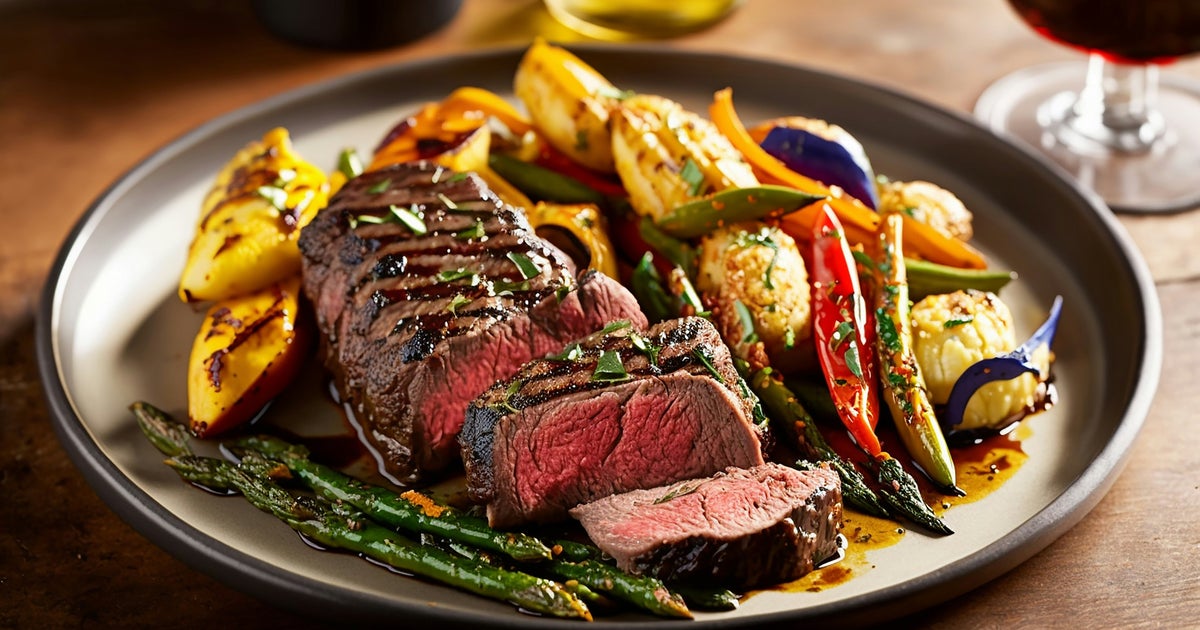
Most of us have a Gordon Ramsay-style idea of how to cook a steak: take it out of the fridge, salt it, wait a little, and fry it in a sizzling pan, basting it in butter. Then let it rest.
But according to some culinary experts, there’s a counterintuitive way to cook a perfectly medium-rare steak that’s got a rich brown crust from edge to juicy edge. And it’s known as “reverse searing”.
Advertisement
What is reverse searing?
When cooking steak, most people expect to sear the protein at the start, when it comes into contact with a very hot pan. The rest of the cooking is done at a lower temperature to allow the meat to actually cook.
You slowly, gently cook the steak at first, then sear it at the end. The idea is to avoid that brown-outside, raw-middle problem that happens all too often with “regular” searing.
It also ensures the middle is evenly cooked. And because a nearly-cooked steak is drier than a raw one, reverse-seared steaks have less moisture, according to chef and food writer J Kenji López-Alt, which means that achieving a satisfying crust is much easier.
Advertisement
And lastly, as the enzymes that have been paralysed by your fridge have had a chance to get back into play by the time you’re ready to sizzle your “reverse-seared” steak, it’ll likely turn out more tender.
Does it work for all steaks?
Reverse searing works best for thick steaks. “Ribeye, New York, and filet mignon are great cuts that would provide great results in reverse searing,” chef Sam Shafer told The Takeout.
Advertisement
And writing for Serious Eats, López-Alt wrote that the method is best used on steaks thicker than 3.8-5 cm.
Reverse-searing steak recipe
The steps are pretty simple.
Take your steak out of the fridge, season it, and put it in the oven at anywhere from 93-135°C. The higher the temp, the more “done” your steak will be.
Wait ’til it’s just under your ideal temperature (54°C for a medium-rare steak, and 60°C for a medium steak). The time this takes will depend on the thickness of your steak; it can be 20-40 minutes.
Take it out of the oven and put it into a ripping hot pan with oil. Cook until seared all over.
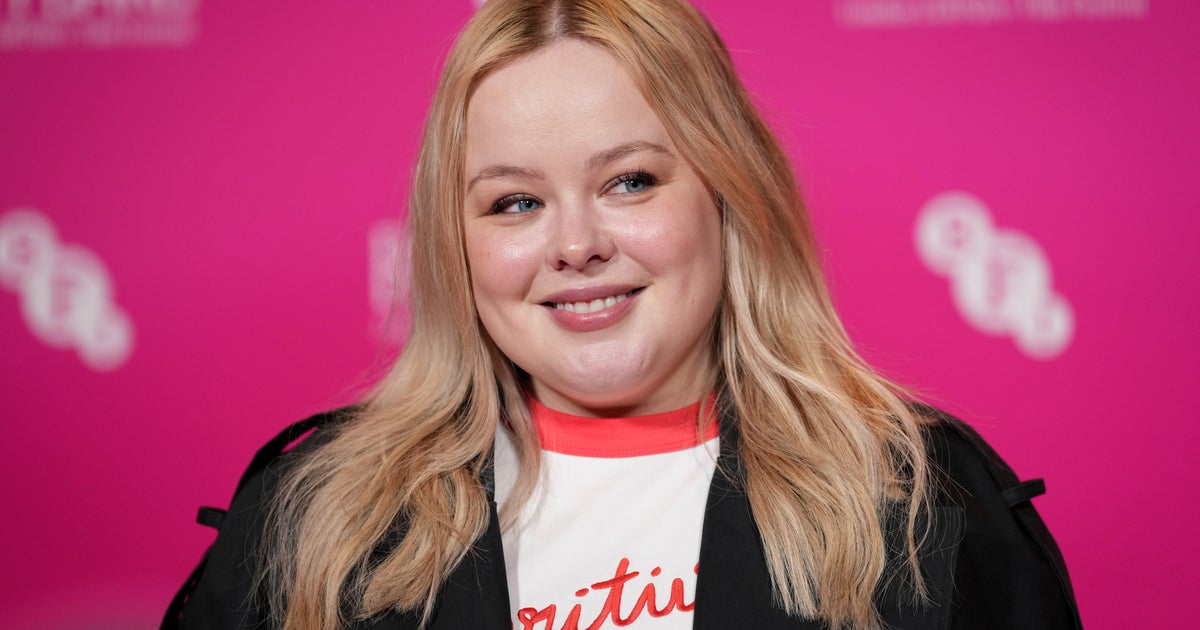
Nicola, who said she’d lost a “bunch of weight” for the show and was “probably a size 10″ on-screen, had said earlier in the interview, “The thing I say sometimes that pisses people off is I have no interest in body positivity.”
Advertisement
Later, she stated discussions about weight are “so fucking boring”.
I couldn’t agree with her more.
I have been in workplaces, classrooms, countless online spaces, family events, and friendships where the judgment of strangers’ weight was like dull, repetitive background music.
I have to admire weight obsessives’ inventiveness, to be fair. Tiny “girl dinners”, single-size clothing brands which seem to make their association with thinness a marketing strategy, and chats about whether you could ever hope to look yourself in the mirror again after eating carbs can occupy hours of your time if you want them to.
Advertisement
You can spend ages dissecting what *type* of thin or fat someone is, too. Maybe you’re looking at which fruit their (or, to be real, her) body most resembles. Maybe someone’s a pilates princess, or perhaps you deem them a “big back” (a term a lot of thin people seem alarmingly comfortable using to describe what they see as “fat” people and behaviours).
Is a “plus-size” or “mid-size” person’s Instagram bikini post liberating, or a ruinous attempt to “glorify obesity”? Because it obviously can’t just be a fun, mindless pic of a normal person on holiday… right?
What size are you, by the way? Noo, I’m just asking, haha! Also, should we do a water fast? By the way, have you seen how [insert thinner or fatter than usual celeb here] looks now?
Advertisement
Weight obsession is the beige, formless putty behind so many millions of conversations that it can be easy to forget the base is all the same.
Which is why such an incredibly boring idea – “some people are smaller. Others are bigger. Some people are small at first, and bigger later; sometimes, the other way around” – has stayed part of public and private discussion for so long.
What a rude, dull person you would think me if I asked everyone’s weight outright, told them what I thought about that number, and then went back to you and shared those figures again, as if it meant something. Not just that, but chances are any sly comments circling the topic would quickly die out.
Advertisement
To survive and fester into obsession, weight talk must morph. It has to take on the veneer of Serious Discourse, or ever-shifting beauty standards, or judgements of one another’s worth – or, to Nicola’s point, a type of social activism, regardless of what the person with the much-discussed body thinks.
But Nicola wasn’t talking about any of that when she took a fantasy Regency role which involved looking smoulderingly hot in a (size eight, by the way) corset. And let’s be real; nor are most of the people whose bodies we comment on.
Advertisement
If we got a little more clear-eyed about what our fascination with something as simultaneously tedious, invasive, and irrelevant as an individual’s weight actually boils down to, I’d like to think we could start to focus on more interesting things instead.
Donald Trump’s war in Iran is set to have a trickle-down effect on prices around the world – meaning we could all end up worse off as a result.
The US president caused international chaos after he decided to work with Israel to launch strikes against Iran more than a week ago.
Advertisement
In retaliation, Tehran released missiles and drones on the neighbouring Gulf countries which are home to various US military bases.
It also effectively closed the Straits of Hormuz – the narrow stretch of water between the Persian Gulf and Gulf of Oman – by attacking the ships which travel through it.
With the oil industry under threat, the global energy market is on unsteady ground – meaning everyone’s pockets are about to be hit.
In a grim warning, chancellor Rachel Reeves told the Commons that rising oil prices “are likely to put upward pressure on inflation in the coming months”.
Here’s what you need to know.
Petrol Prices Set To Go Up
The disruption in the Middle East is already sending the cost of Brent crude oil up.
It exceeded $105 (£78) a barrel on Monday, which is its highest price point in almost two years.
Higher wholesale energy prices result in higher prices at the petrol pumps.
The average cost of a litre of unleaded petrol was at 137.51p on Monday, while diesel cost 150.97p, according to the automotive services RAC – but both prices are expected to rise.
However, motorists have been urged not to panic-buy as this could be short-lived.
RAC’s head of policy Simon Williams told The Times: “We really shouldn’t see a shock jump in prices because wholesale fuel costs have only been rising gradually.
“Even though the price of Brent crude has risen, the impact of this shouldn’t be felt for more than a week.”
Advertisement
Still, he predicted that unleaded would reach an average of 140p in the next week or so while diesel may go up to 160p.
Meanwhile, the Petrol Retailers Association has already written to chancellor Rachel Reeves requesting she drops plans to hike fuel duty later this year.
Trump – who is a multi-billionaire – has tried to downplay the impact of rising oil prices.
He wrote on TruthSocial: “Short term oil prices, which will drop rapidly when the destruction of the Iran nuclear threat is over, is a very small price to pay for USA, and World, Safety and Peace.”
Advertisement
Energy Bills Expected To Rise
Changes in the oil market will hit energy bills too, as so many businesses and households are reliant on fossil fuels.
The UK is more reliant on gas than many of its European allies though it has been moving towards renewable energy since the Ukraine invasion.
Advertisement
It produces less than half of the gas it needs and imports the rest, meaning UK bills will still be impacted.
The good news is these higher wholesale costs will not trickle down to household budgets until July.
Energy regulator Ofgemcontrols how much companies can charge customers who are on standard variable tariffs for each unit of gas and electricity with a new amount every three months.
The cap has already been confirmed for April to June – £1,641 per year, for homes which use both oil and gas.
Advertisement
However, the investment firm Stifel has warned that European wholesale gas prices could triple if the Strait of Hormuz closes for more than six weeks.
That would take the cap to £2,500 a year.
Fire and a plume of smoke is visible after, according to authorities, debris of an Iranian intercepted drone hit the Fujairah oil facility, in Fujairah, United Arab Emirates, March 3, 2026.
via Associated Press
Interest Rates Expected To Go Up
Approximately 1.2 million borrowers will have their fixed mortgage deals end between now and September, meaning they will be looking to take out a new agreement with the bank.
But, the conflict in the Middle East means rates are now likely to go up.
Since Trump first initiated attacks on Iran, swap rates – the rate of interest lenders pay to institutions in return for fixed funding – went up by 0.2 percentage points.
That’s a cost which is likely to be passed onto homeowners.
For savers, a hike in interest rates is normally a positive as it means they get more returns on their savings.
Advertisement
The stock market has stumbled in recent days but investing usually helps to defy the impact of high inflation rates.
Yet, the FTSE 100 – the Financial Times Stock Exchange 100 Index – fell nearly 200 points at one point on Monday, though it has already slightly improved.
Overall Economic Impact
Prominent economist Paul Johnson told Times Radio that the Iran war will likely take “at least half a point off growth” within the economy this year, if the conflict continues.
Advertisement
He said: “That doesn’t sound like much, but that is quite a lot.
“That’s going to create problems for the public finances, and it’s going to make us all worse off.”
He added: “If energy prices are up, the UK and other countries dependent on energy will just be worse off, at least for the period that they’re higher.”
Johnson said the damage could be quite reduced if the war concludes quickly – but if it doesn’t, we could be in for “another couple of slightly miserable years.”
Prime minister Keir Starmer also warned on Monday “that the longer this goes on, the more likely the potential for an impact on our economy, impact into the lives and households of everybody and every business”.
Advertisement
Even before the Iran war, the UK economy was already looking rather sluggish at the end of last year, with GDP going up by 0.1% between October and December.
Labour has been promising to improve the UK’s economic growth and address the rising cost of living for years.
But, the longer the conflict goes on, the worse it looks for the government’s plan to implement real change.
Our phones can be draining and distracting devices –– but there are small, surprising ways their built-in settings can actually be pleasantly fun.
One of my favorite iPhone features is a simple sentimental feature you might not know about: iPhone’s Photo Shuffle feature, which has been available for phone lock screens since the iOS 16 software update.
Advertisement
Once you use it, your phone’s background wallpaper is not just a static portal –– it can be a nostalgic living photo album of your favourite memories. Your phone background can toggle among your beloved pets or family members as often as you wish.
This is one small tweak you can do to make your phone a little more fun to look at each day.
How To Use iPhone Photo Shuffle Feature
To use Photo Shuffle, go to your iPhone Settings, then select Wallpaper and choose to “Add New Wallpaper.” From there, you will tap the Photo Shuffle feature and pick among the preselected options of featured people, like your kids, pets, nature, cities or whole albums that your phone has highlighted from your camera roll. You also have the option to select photos manually.
This way, you can customise the feature to be as strict as you want about what people or photos you do and don’t want popping up on your home screen if an ex or memory would be an unwanted surprise. If you end up seeing a photo that is no longer sweetly sentimental, you can also go back to this Photo Shuffle feature to unselect the album or photo.
Advertisement
Before the Photo Shuffle goes live, you will also choose Shuffle Frequency options of “on tap,” “on lock,” “hourly” or “daily.” So if you are a grandparent and want to give each of your grandchildren their day to shine on your lock screen, you can choose “daily,” or if you want to remember past sunnier vacations during stormier seasons, you could go with “on tap” and be surprised each time you use your phone. If you choose an album you update frequently, your wallpaper can become a live slideshow of your recent past. You might even be pleasantly surprised about what family vacation or new hobby will come across your screen.
Android users have a similar photo-shuffling feature known as “Screen Saver” in Settings. To turn it on, go to “Display & Touch” and then select “Screen Saver,” where you can choose photos or photo albums that your phone can cycle through when your phone is charging.
Of course, some people want to purposefully make their phone less pleasant to use in order to reduce screen time. There are merits in making your phone display only black and white if you want to use your phone as little as possible, for example.
Advertisement
But for those of us who must use our devices regularly, it can be fun to inject some whimsical surprise into our days. So if you find yourself bracing to see bad news on your latest notification alert, try switching up your lock screen background with something that you would look forward to seeing in stressful times.
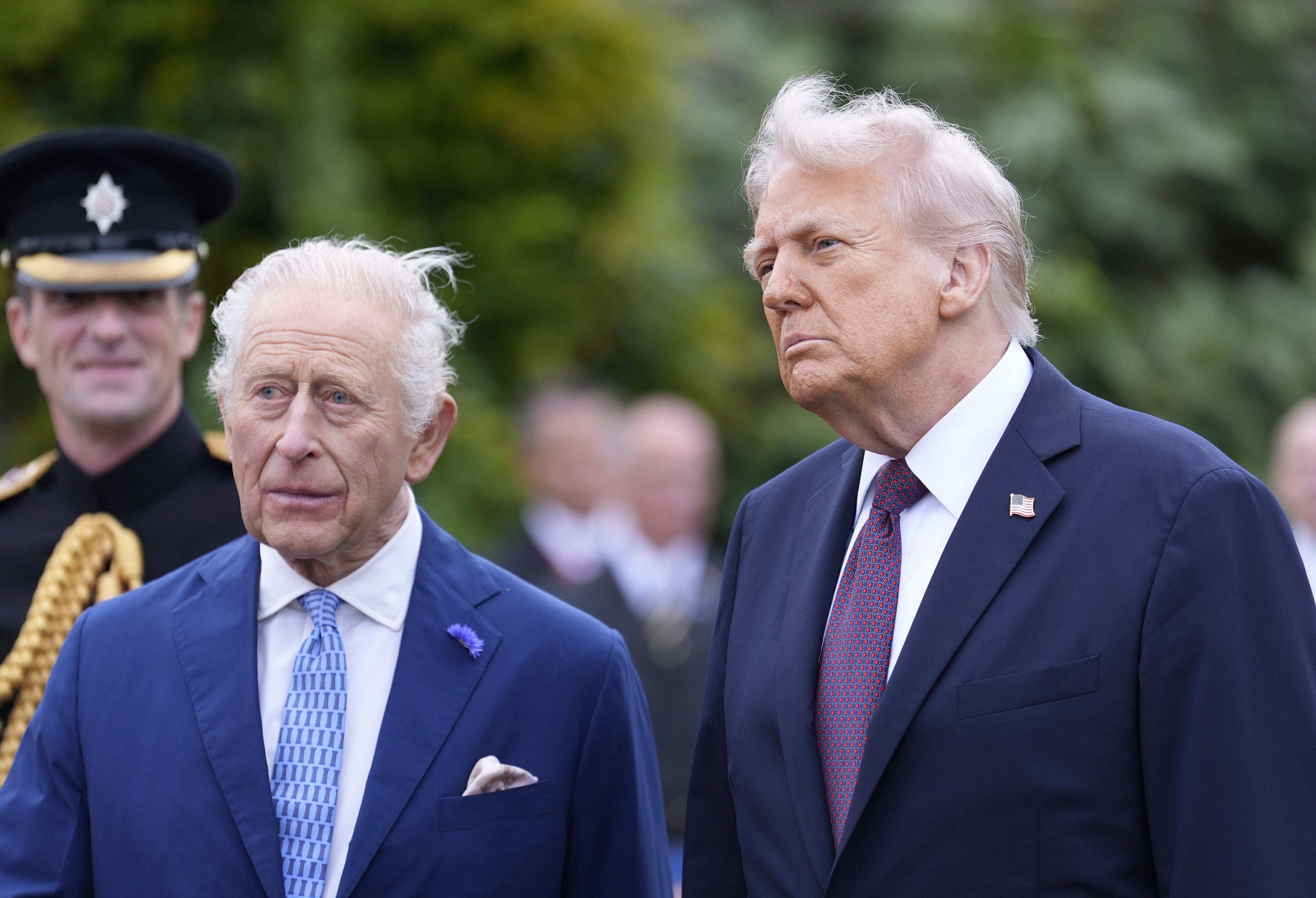
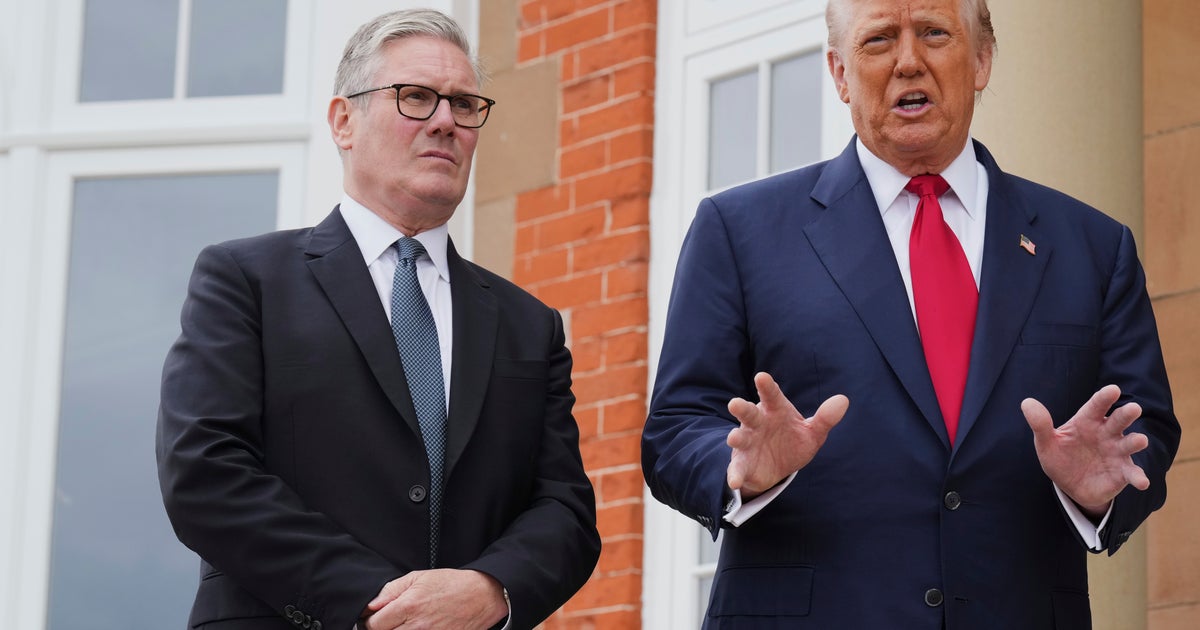
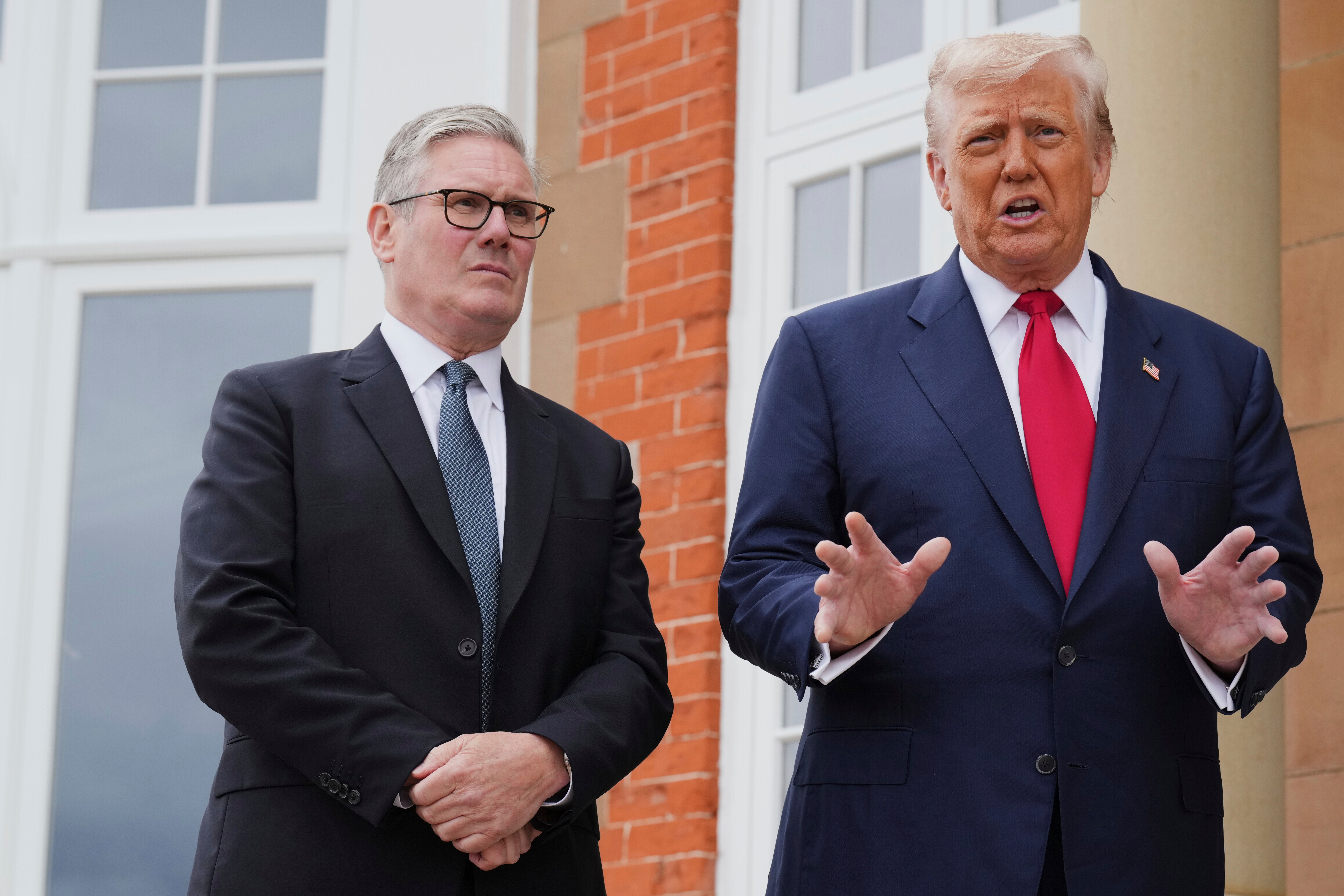
Keir Starmer has been urged to tell King Charles he should cancel his planned trip to America next month over the row between Washington and London over the Iran war.
The monarch is due to cross the Atlantic next month as part of celebrations marking the 250th anniversary of America’s independence from Britain.
Advertisement
Lib Dem leader Ed Davey said “it’s clear this visit should not go ahead” as relations between the president and prime minister are in the deep freeze over the crisis in the Middle East.
Trump is furious at Starmer for initially refusing his request for American jets to use UK bases to launch attacks on Iran.
The PM relented after the Iranians began bombing other Middle East countries, potentially putting 300,000 British citizens at risk.
Advertisement
Britain is now sending a warship and an aircraft carrier as it beefs up its military presence in the region.
But in his fiercest attack on Starmer on Saturday night, Trump said: “We will remember. We don’t need people that join wars after we’ve already won.”
Davey said: “Keir Starmer should advise the King that the state visit to the US scheduled for April should be called off.
Advertisement
“At a time when Trump has launched an illegal war that is devastating the Middle East and pushing up energy bills for British families, it’s clear this visit should not go ahead.
“A state visit from our King would be seen as yet another huge diplomatic coup for President Trump, so it should not be given to someone who repeatedly insults and damages our country.”
His comments came after Starmer and Trump spoke on the phone for the first time since the row between the pair erupted.
Advertisement
A Downing Street readout of their conversation said: “The leaders began by discussing the latest situation in the Middle East and the military cooperation between the UK and US through the use of RAF bases in support of the collective self-defence of partners in the region.
“The prime minister also shared his heartfelt condolences with President Trump and the American people following the deaths of six US soldiers.
Most people sign their names on forms, emails and notes without giving it a second thought, but every time I write my name or introduce myself, there’s a twinge of hesitation.
Last week, I stood in a small art gallery in the East Village and stared at a list of names spelled out in black vinyl letters and affixed to a wall near the entrance. As people moved through the space looking at the actual artwork, I stood with my eyes locked on my own name, slowly analysing each letter. I was simultaneously proud and disgusted because I couldn’t shake the fact that my accomplishments are linked to the name of a man who assaulted my grandmother, refused to acknowledge my father’s birth and doesn’t even know I exist.
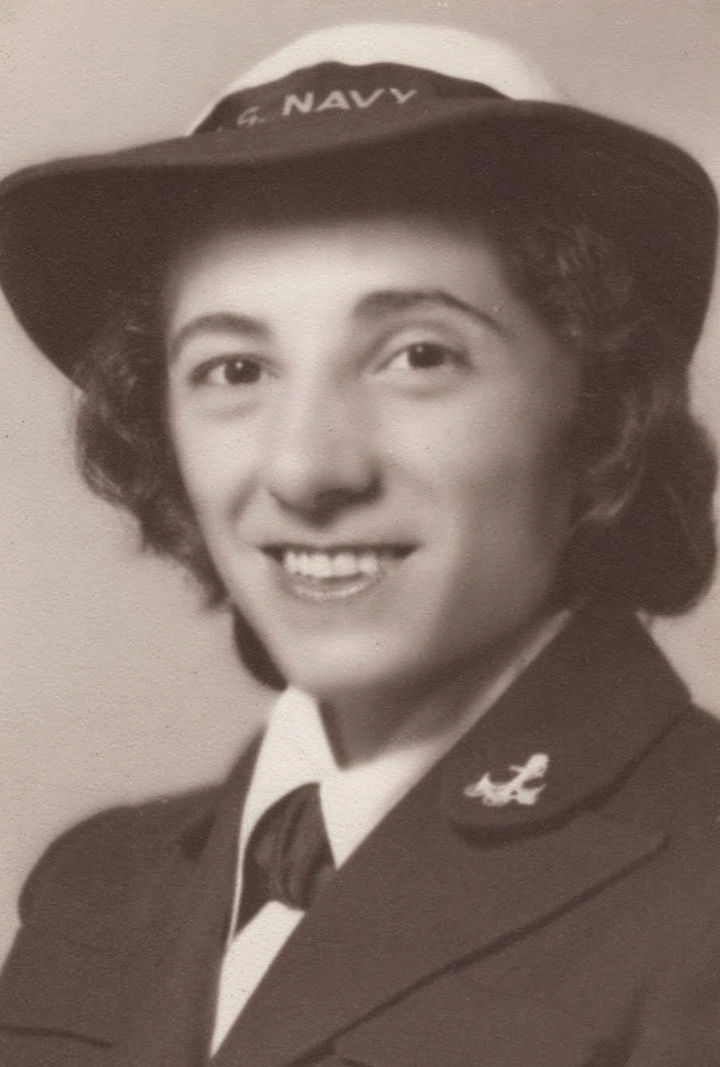
In the latter years of World War II, as part of the WAVES (Women Accepted for Volunteer Emergency Service) program, my grandmother Josephine Jovino, born and raised in Sunset Park, Brooklyn, was shipped out to the Naval Air Station in Jacksonville, Florida, where she worked as an aviation mechanic. While living there, she met Cecil. They went on a single date, he sexually assaulted her, and they never spoke again after that night. My grandmother had not only experienced a great trauma, but she soon discovered she was pregnant with her abuser’s child. She sent a letter to Cecil telling him about the pregnancy, but he never responded.
Advertisement
My father, William Jovino, was born later that year, and together, Josephine and baby Billy, as he was affectionately called, returned to Brooklyn to live with Josephine’s parents. It was 1947, and being a single mother was not necessarily unusual because of the vast number of fathers who died in the war, but openly having a child outside of wedlock was not socially acceptable. Due to fears about how my father would be received in the neighbourhood, my great-grandparents firmly encouraged my grandmother to change not only my father’s name, but also hers, to Short, Cecil’s surname, thereby giving the impression that she was previously married and that Billy was born legitimately.
Seventy-nine years later, Short has been passed to my older brother, my mother, my brother’s wife, my 4-year-old nephew and me.
Courtesy of Ciaran Short
A portrait of the author’s grandmother Josephine during her time serving in the Navy (1944).
Advertisement
I never gave much thought to my last name when I was growing up. I was more preoccupied with having to constantly correct the pronunciation of my first name, Ciarán (“KEER-awn”), which was a battle I slowly abandoned in elementary school, when I dropped the accent and went by the still-difficult-to-pronounce but more familiar “KEER-an,” like Kieran Culkin. As I grew accustomed to answering to everything from “Karen” to “Syrian” in the cacophony of mispronunciations of my name, I gained a greater sensitivity to the meaning and power of names. When I discovered the origins of my family’s last name, I was dumbfounded.
My grandmother was a social worker for the majority of her life, a devout Catholic and fluent in French. These are facts I learned from reading her biography on a paper handout at her funeral when I was 7 years old. I also learned she was born with a different last name than mine: Jovino. I innocently inquired about this and was met with an intensely disproportionate amount of animosity from my father, which made me even more curious.
I knew my dad grew up without ever meeting his father, and from the ferocity with which he spoke of my absent grandfather whenever I asked, I learned early on not to bother him with questions about this mysterious figure in our lineage. Instead, I directed all sensitive inquiries to my mom. When I asked her why Grandma’s whole family had the last name Jovino and we didn’t, she didn’t dismiss me, but coolly said, “You’ll understand when you’re older.” I asked my brother, who was five years older than me, and he said Short must have been our grandpa’s last name. “But we don’t have a grandpa,” I asserted.
Advertisement
Six years later, when I was taking a computer research class in middle school, I was tasked with making a family tree. I grew up using the internet, so even at 13, I was able to find birth records, marriage certificates and other details to fill out a thorough tree on the maternal side of my family by starting a seven-day trial on Ancestry.com. I came across very little information about my dad’s side — until I remembered the name Jovino. However, I realized I didn’t even know my paternal grandfather’s first name.
I went home and presented what I had discovered at school that day. I didn’t have to do much after that to get my mom to tell me the truth. I had no delusions about my paternal grandfather being a war hero or secret rock star, but I wasn’t expecting him to be a monster.
My maternal grandmother was the gentlest person I ever met. She spoke at a volume barely above a whisper, smiled and said hello to everyone we passed on the street, and spent hours of her days volunteering at her church. I was heartbroken knowing that she was not only assaulted by this man, but also had to take his name and be constantly reminded of him. I was also filled with rage on her behalf. From that point on, I constantly pleaded with my parents to change our last name to my grandmother’s original surname. I printed forms, found articles with detailed instructions, and one year, I even created matching shirts for everyone with “Jovino” printed on the backs.
Advertisement
My enthusiasm was met with somber indifference. My parents also hated what the name represented, but they didn’t see the point of changing their name after so many years. The harder I pushed, the sadder my dad seemed to get, so I gave up that fight when I was 17 and began to concentrate on a new goal: finding Cecil and forcing him or his family to acknowledge my family’s existence.
The only things I had to aid me in my search were his name and his military record. It turns out more than one Cecil Short was enlisted during World War II, which made things more complicated than I expected. I tried messaging a couple of relatives of the various Cecil Shorts I found online, but none of them responded. Rather than continuing to grope in the dark and jump down every online rabbit hole I found, I tucked my feelings away. After some time had passed, my animosity receded into a silent discomfort that I was able to tolerate.
Courtesy of Ciaran Short
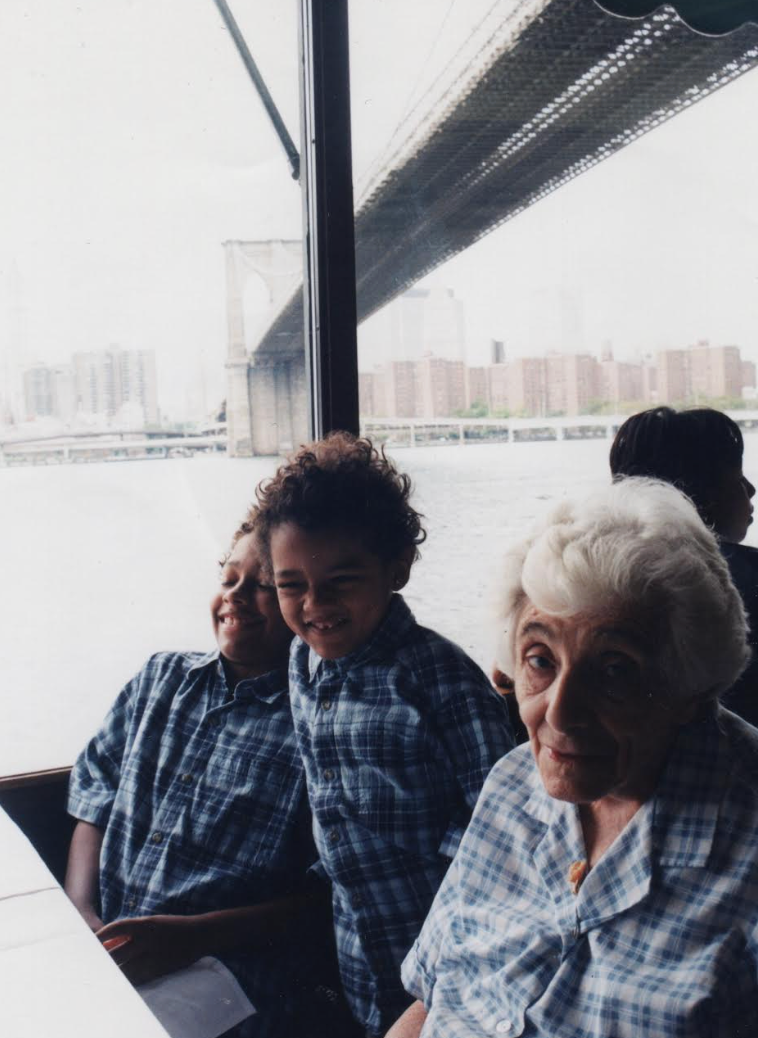
The author (middle), his older brother and his grandmother in 2004.
Advertisement
Things came to a head again in 2021 when my nephew was born. It felt completely unnecessary to have this brand-new, innocent baby be anchored down by a legacy of trauma and shame due to his last name. I was 23 at the time and equipped with a liberal arts post-grad moral superiority complex that gave me the skills and passion to make a far more convincing argument than I had in the past, but, once again, it fell on uninterested ears. I had become politically active during my college years, which coincided with Donald Trump’s first term, the start of the MeToo movement and George Floyd’s murder. I spent hours and hours organizing protests and going to marches, sit-ins, and demonstrations on behalf of strangers, yet in my own family, it felt as though the ghost of a genuine villain was perpetually haunting us, and there was nothing I could do about it.
The current Short family is composed of my father, who was raised in a very stereotypical working-class Italian-American household in Brooklyn during the 1950s, my mother who was born and raised in the Bronx by her parents (two Jamaican immigrants), myself and my brother (two Upper West Siders who are mixed race but identify and visually present as Black), my brother’s wife (a Chinese immigrant), and now my nephew, who is Chinese, Black, Italian, and whatever Cecil is. My family’s complex cultural heritage has been completely flattened into the generic surname of a white man, who, based on my calculations, was born in the South in the early 1920s.
Advertisement
I know nothing about Cecil’s lineage or what his feelings were about identity politics, but his surname enduring through various generations of racial amalgamation is hardly unique. Through forced assimilation, slavery, prejudice faced by immigrants, and various other forms of colonisation that have shaped our country, cultural erasure via altering or completely changing names is nothing new in America.
I’m now 27 years old, engaged to be married, and facing the question of whether I want my fiancée to share my last name. When considering the broader context of my family’s name, I’ve come to realise that my biggest issue with our surname is what it conceals and, in turn, who it celebrates. Beneath every last name are hundreds of ancestors whose impact on a lineage gets a little bit dimmer and more obscured with every passing generation. One can only have so many hyphens in a name.
While I still feel a deep-seated unease about having Cecil Short’s last name, I cannot escape the fact that I’m his descendant, and I’ve realised that to change my name would be to abridge my family’s story. What feels far more resonant for me is to embrace and acknowledge the peaks and valleys in my lineage. Rather than running away from a shameful family secret, I believe facing it head-on and chronicling it will allow me to finally move forward and give a new context to my name. I now believe that my surname doesn’t represent shame but instead honors what my grandmother endured. By embracing her perseverance and maintaining a record of where my family has been and how we got to where we are now, I hope our story won’t be forgotten, even when the names of my descendants inevitably change.
Advertisement
Ciaran Short is a multidisciplinary artist and writer born and raised in New York City. His work explores New York culture and often tackles issues of race and masculinity. He is a cofounder of All Street Gallery, an art collective and gallery with two locations in Manhattan’s Lower East Side, which exhibits work by emerging and underrepresented artists. He holds a master’s degree in media studies from The New School.
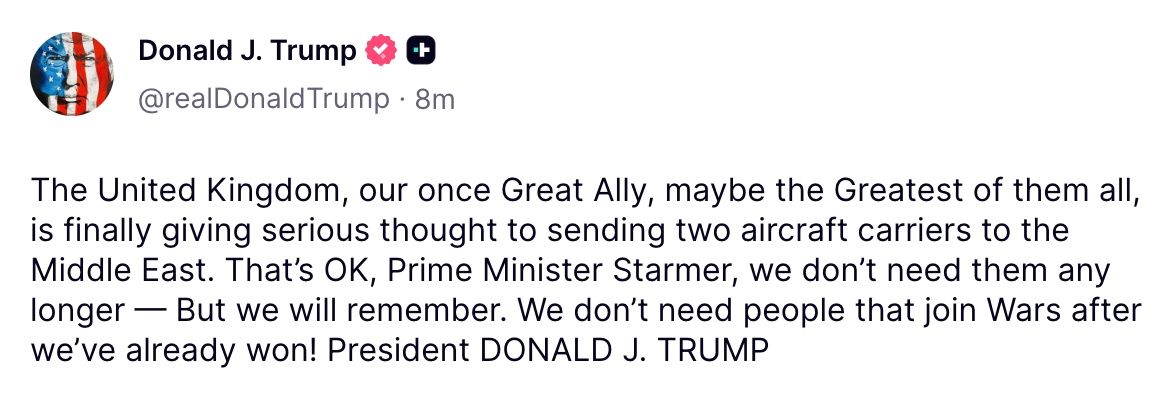
The US president described Britain as “our once great ally” as he told the prime minister that America doesn’t need the two Royal Navy aircraft carriers due to be sent to the Gulf.
He added: “We will remember. We don’t need people that join Wars after we’ve already won.”
Trump’s comments, in a post on Truth Social, are another shattering blow to the so-called “special relationship” between Britain and America.
The president said: “The United Kingdom, our once Great Ally, maybe the Greatest of them all, is finally giving serious thought to sending two aircraft carriers to the Middle East. That’s OK, Prime Minister Starmer, we don’t need them any longer — But we will remember. We don’t need people that join Wars after we’ve already won!”
Trump has been furious with Starmer ever since he turned down his initial request for US jets to use British bases to launch bombing raids alongside the Israelis in Iran.
Starmer changed his mind las Sunday after Iran began bombing countries across the Gulf region, putting up to 300,000 British lives at risk.
And this week, she spoke to us about straight women.
Here, she shared the topics she hears about most frequently:
1) Having a lower sex drive than their partner
“The single most common problem straight women bring up with me is that their sex drive has decreased or is overall low, while their partner is way more interested in being intimate, leading to worries and tension in the relationship,” Roos told us.
She added that women may be more likely to compare their lust levels to their partner’s, and feel their lower desire poses an “issue”.
Advertisement
2) Pain during penetrative sex
Experiencing pain during sex thanks to conditions like vulvodynia, vaginal dryness, or pelvic floor issues is “extremely common” among this group, said Roos.
“What most don’t know is that there’s both a physical and mental part… pain leads to fear, and fear leads to deeper problems,” leaving some in a vicious cycle.
3) Not orgasming during partnered sex
Straight women have long suffered from “the orgasm gap”. The sexologist said this doesn’t seem to be going away.
Advertisement
“Many straight women are having a very hard time orgasming during intimacy with their partner, and they don’t know how to solve it,” she said.
4) Body image issues
“I’ve met countless straight women that are extremely aware of how their own bodies look, smell and feel… they think so much about age, weight and how they are seen that it becomes difficult to just let go and be in the moment,” Roos added.
5) Losing desire thanks to the mental load
In straight relationships, the mental load – or having to think about, keep track of, and remember the endless tasks that keep a household going – still predominantly falls on women’s shoulders.
Advertisement
And the sexologist said that can have a knock-on effect in the bedroom. Doing “all the planning… as well as all the emotional work in the relationship” can “lead to higher stress levels, which makes the body de-prioritise desire”.
6) Not putting their own pleasure first
“I often meet women who describe themselves as having a hard time with setting their sexual needs and boundaries first, as they’ve been taught to be accommodating rather than prioritise what they want and don’t want,” she stated.
So, uh, any advice?
Yes. The sexologist said that accepting shifts in your levels of lust and trying alternative forms of intimacy, like “oral sex, massage, kisses, caresses and more mentally-focused pleasure, such as roleplaying or dirty talk,” may help.
Advertisement
Explore your own desires, perhaps through masturbation, and communicate them with your partner. “As a majority of women can only reach all the way via clitoral stimulation, I also advise focusing more on that, either with your hands, mouth or a sex toy,” the sexologist said.
Remember also that “pain during sex isn’t normal”, so it’s important to seek professional help if you experience it.
And keep in mind that “your sex life isn’t isolated from the rest of the way you live, so try to look at your diet, sleep schedule, exercise habits, how you drink, how you deal with stress and how your relationships are,” she concluded.
But some Irish staples are so, so much better from delis and takeaways, IMO. Chicken fillet rolls, for instance, aren’t meant to be gourmet: I want chalky cheese, heat lamp-warm chicken, and slightly limp baguettes.
Advertisement
The food I miss most while living in the UK, however, is spice bags. The Irish-Chinese takeaway staple can be hard to find here.
So, I asked Chef Kenneth Tyrrell, an executive chef at Burger & Lobster, how to make them at home.
What are spice bags?
They combine chips, peppers, onion, crispy chicken, and (obviously) spices in a grease-spotted paper bag of perfection.
I associate them most with Dublin – they weren’t much of a big deal in my rural hometown, but when I moved to the capital for uni, it felt like spice bags were everywhere.
When attempting my own version, I found the spice blend hardest to recreate.
Experts think they’ve cracked the code with an MSG, onion powder, pepper, garlic powder, five-spice, sugar, and crumbled chicken stock cube combo.
But it changes from place to place. Experiment a little to find your favourite tingly, salty mix.
Advertisement
How can I perfect spice bags at home?
Some things must remain constant: mix chips, spices, something fried and crispy (like chicken), and veggies like onion and peppers together.
But, Chef Tyrell said, you can have some fun with these.
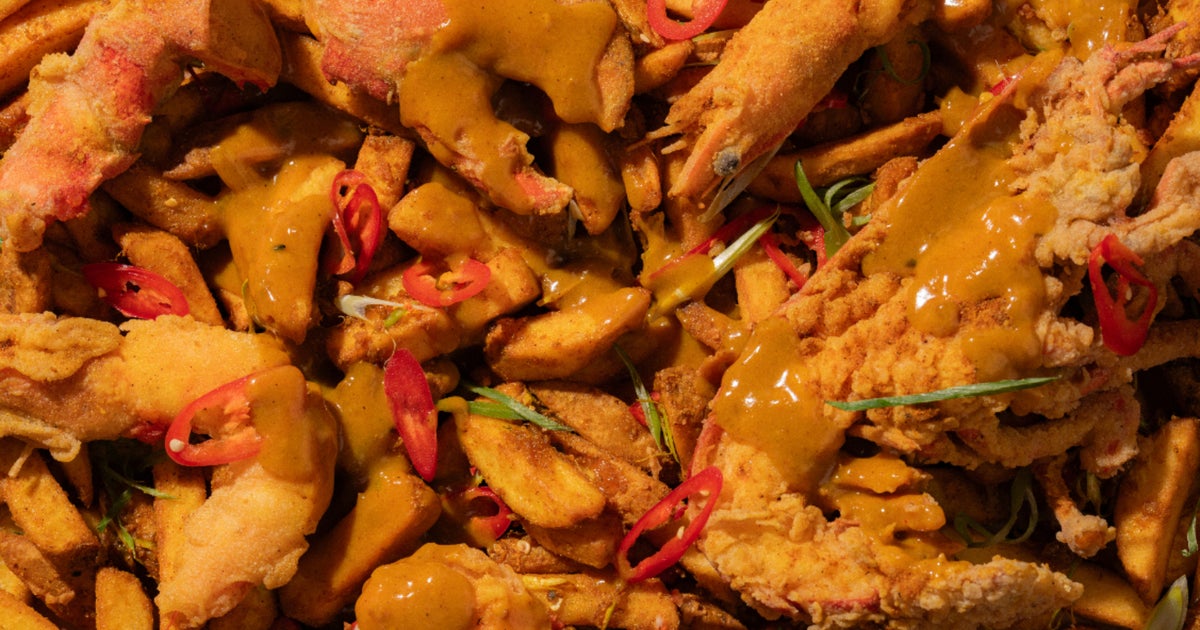
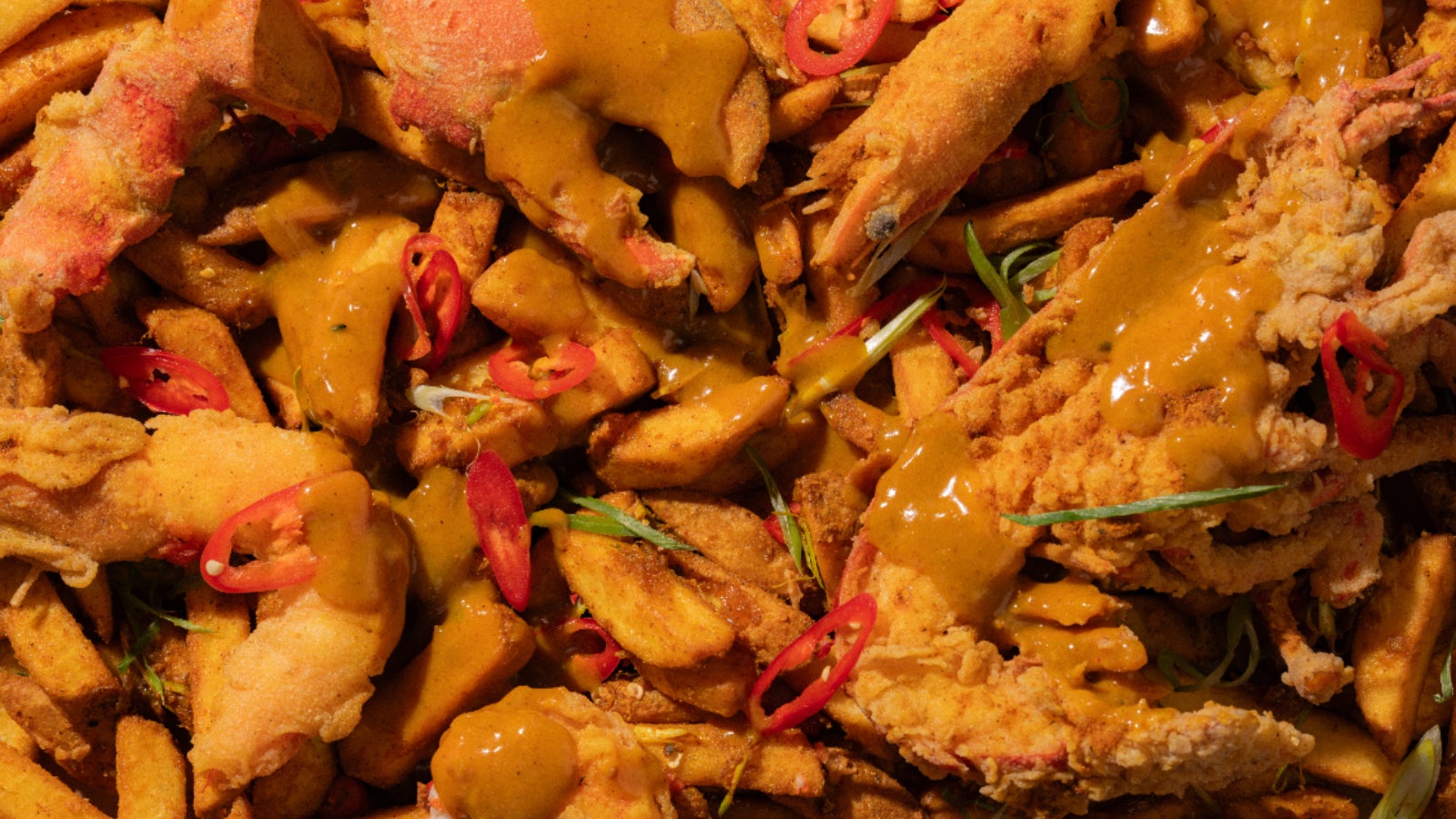
“Customisation is the fun part of spice bags. The classic spice bag is with crispy battered chicken, but get creative with yours – at Burger & Lobster, we’ve added a twist to ours with fried lobster and king prawns,” he said.
Other rules, though, are stricter.
“Make sure the protein, chunky chips, onions and peppers are piping hot before you add your spice to get maximum flavour. I also like to throw in a bit of mango chutney for an added sweetness,” the chef said.
Advertisement
“Chips MUST be super crispy before mixing with everything else. I would cook them for slightly longer than you usually would, as they then retain some crispiness after sitting in a bag with all the other ingredients,” he continued.
And “Don’t eat your spice bag straight away… it always tastes better after you’ve let it sit in the bag for a couple of minutes”.
One last suggestion? The dish is “Best served after a few pints and never wear a white shirt.”