If you’ve 1) been online recently and 2) love to find recipes on social media, chances are you’ve heard of “brothy rice”.
Though the techniques, ingredients, and recipes used in viral “brothy rice” videos are centuries old, the new term has done what many a catchy title has before it: turned an established food into a viral online hit.
Advertisement
This video, for instance, which sees a poster spoon ladles of creamy sauce over fluffy rice, chicken, and pak choi, has amassed millions of views.
Multiple creators have questioned the recipes’ sudden popularity, with one TikToker pointing out that variants of the dish have existed in Asia “since the dawn of time… it’s not a new thing”.
Another said: “Am I the only one who already… had brothy fucking rice?”
Here, Ashley Bennett, the head chef at Southeast Asian-inspired restaurant Ka Pao, shares why “brothy rice” is having such a moment, as well as how to perfect it at home.
Advertisement
What is brothy rice?
It’s more or less what it sounds like: any dish that involves pouring some form of broth, or stew, or sauce over rice, veggies, and/or meat.
It is, Bennett reminds us, not new. “Although the name feels modern, the idea is very old,” she explained.
“Rice served with broth or soup has been part of everyday eating across Asia and beyond for centuries. Variations exist in many cultures as food that is filling, gentle and practical, often eaten for comfort or recovery rather than show.”
Advertisement
Why has brothy rice gone so viral?
The meals are often simple, delicious, filling, and fast (I use a New York Times version about twice a week, because it takes next to no prep time). They are often healthy too.
“Brothy rice feels right for how people want to eat at the moment. It is comforting without being heavy and works with the reality of home cooking, where meals need to be flexible and low effort,” Bennett said.
Advertisement
“It suits batch cooking, leftovers and simple ingredients, and it feels genuinely nourishing, which makes it especially appealing in winter.”
How can I make the best “brothy rice”?
Whether you’ve been making the meals that inspired “brothy rice” for years or have found new recipes through the trend, Bennett has some advice.
“The most important thing is to treat the rice and the broth separately. Properly cooked rice gives structure, while a well-made broth brings depth and balance.
Advertisement
“Taking time with the stock and adjusting seasoning at the end makes all the difference, especially adding a little acidity to lift the flavour,” the chef said.
Want a professional-level finish? “Restaurants tend to put more care into their stock and are more confident about seasoning right up until the last moment,” she ended.
“They also think about how the dish finishes, adding freshness or texture so it feels complete. Those small touches are easy to recreate at home and instantly elevate the bowl.”
Keir Starmer has promised to send British troops into Ukraine in the event of a peace deal with Russia – but what does that really mean?
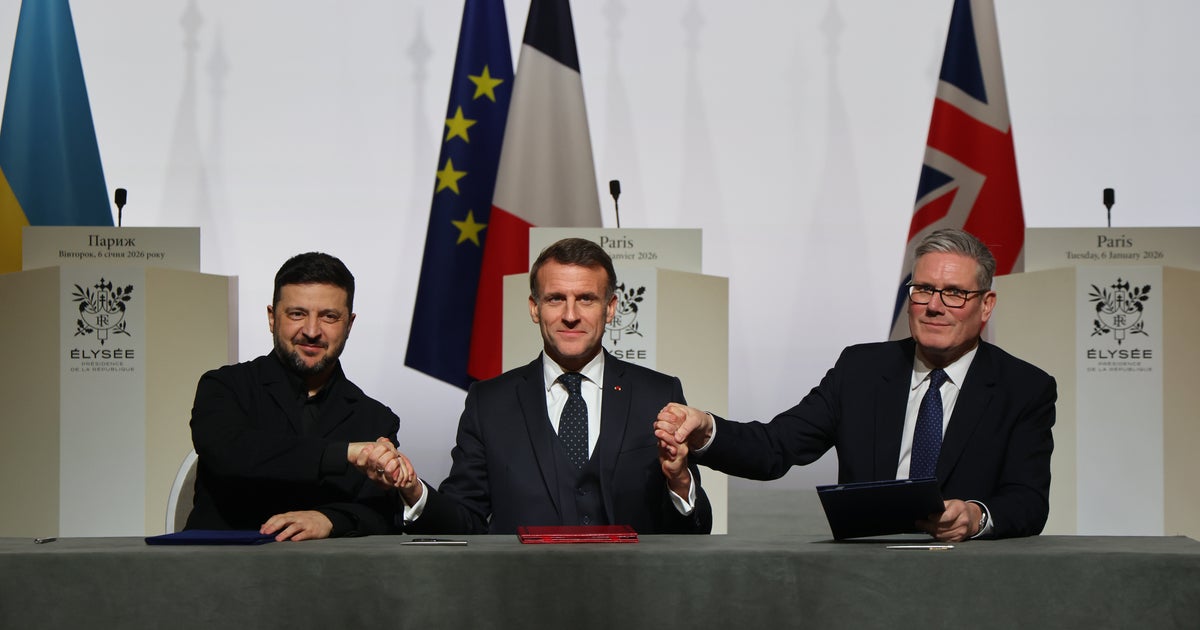
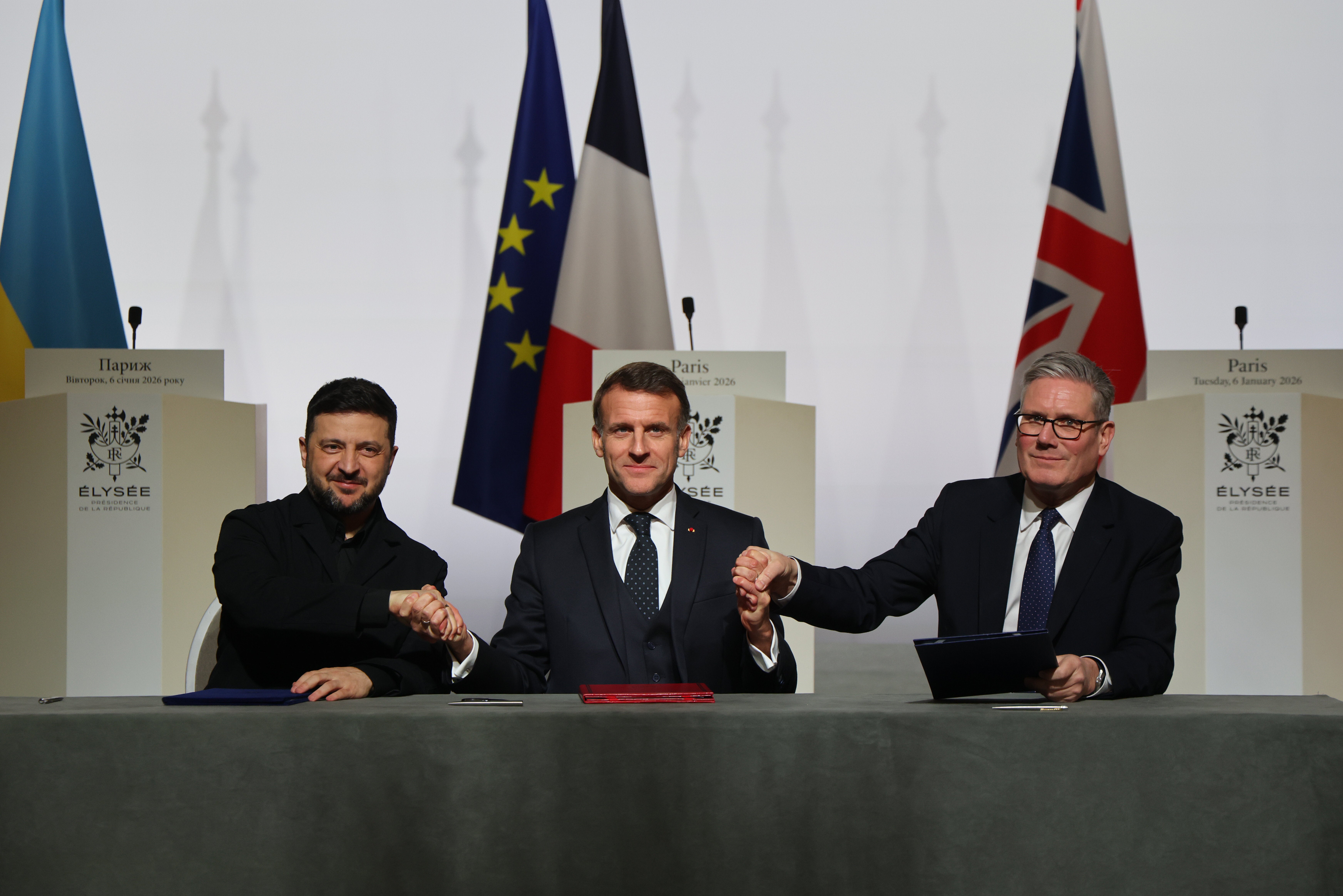
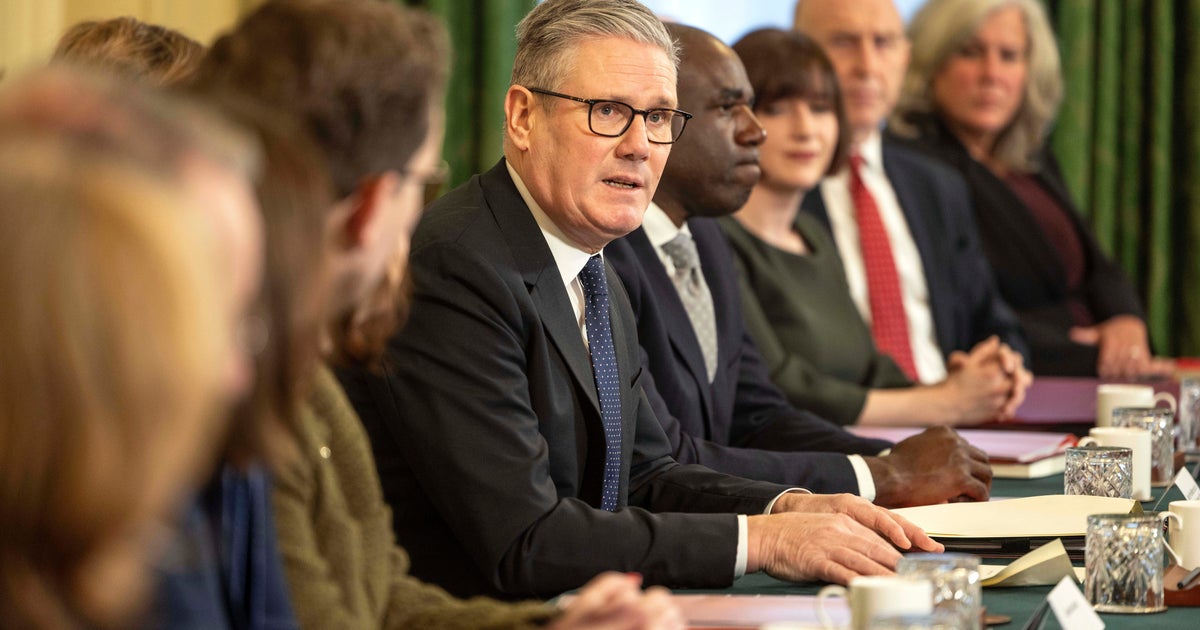
The prime minister proudly revealed on Tuesday that he and the French president Emmanuel Macron had signed a written agreement with Ukraine to deploy their own soldiers to the war-torn country, in a bid to help protect it if a peace agreement is reached.
Advertisement
The pledge appeared to encourage the US to finally offer its own military efforts to help “deter” any future aggression against Ukraine and defend against any other attacks.
While these are all promising words, what does this mean in practice?
What did Starmer and Macron say?
The two world leaders signed a “declaration of intent” at a Coalition of the Willing meeting on Tuesday, promising to send troops in the event of a peace deal.
Starmer said it “paves the way for legal framework under which British, French and partner forces could operate on Ukrainian soil”.
Advertisement
He said: “Following a ceasefire, the UK and France will establish military hubs across Ukraine and build protected facilities for weapons of military equipment to support Ukraine’s defensive needs.”
The wider Coalition of the Willing – a group of more than 30 nations dedicated to supporting Ukraine in the face of Russia’s aggression – also committed to a “multinational force for Ukraine” from willing nations.
This would support deterrence and rebuilding Ukraine’s armed forces during a ceasefire.
Could a deployment happen any time soon?
That all depends on the progress of a peace deal – and if US security promises hold.
Putin is yet to respond to the these developments, and he could easily dismiss any peace deal which involves European troops moving into Ukraine.
Advertisement
That would slow down the grinding progress the US team has been make with its 20-point plan to end the conflict.
But it seems pretty unlikely any deal is going to get over the line any time soon.
Putin has been dragging his feet over any kind of compromise for months and sticking to his maximalist goals in Ukraine.
He rejected Western proposals for a “reassurance force” in Ukraine back in September, warning any troops deployed to Ukraine would be “legitimate targets”.
Advertisement
Will there be a Commons vote on potential deployment?
Starmer opened prime minister’s questions on Wednesday by reassuring MPs the matter would put to the Commons before any troops are deployed to Ukraine.
MPs could, of course, vote against such a move, considering the UK’s economy is already struggling and its military is pretty depleted.
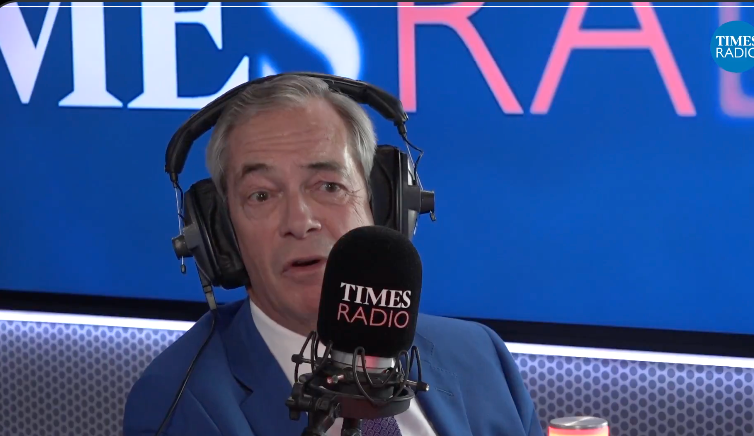
Reform UK leader Nigel Farage has already made it clear he would vote against such a motion.
He told Times Radio: “I would vote against. We neither have the manpower nor the equipment to go into an operation which clearly has no end in timeline.”
Advertisement
No.10 was also unable to tell reporters what would happen if MPs failed to vote in favour of deploying troops.
Neither the prime minister’s press secretary nor his official spokesperson said if the government would be bound by a similar vote by MPs.
Starmer’s spokesperson said: “I think the point is, until we’ve secured the cessation of hostilities, our planning teams are focused on ensuring the coalition of the willing is able to flex to the requirements of any peace deal and ensure Ukraine’s armed forces are able to regenerate, to defend Ukraine, and support European security for generations to come.
“So it is a staged process.”
What else do we know about this plan?
The government has revealed very few details and is yet to give a statement to the Commons on the process.
Starmer’s press secretary insisted ministers will speak to the House at the “earliest opportunity” and updated MPs on Starmer’s part in the peacekeeping talks in Paris.
Advertisement
But it remains unclear how many troops would be provided, if the UK would match the same number as France, if other European states might get involved and what those soldiers would actually do when on the ground.
Jennifer Lopez’s highly anticipated residency in Las Vegas recently came to an end, but not without renewed attacks from her critics who remain vocal in their opposition to how the pop star dresses.
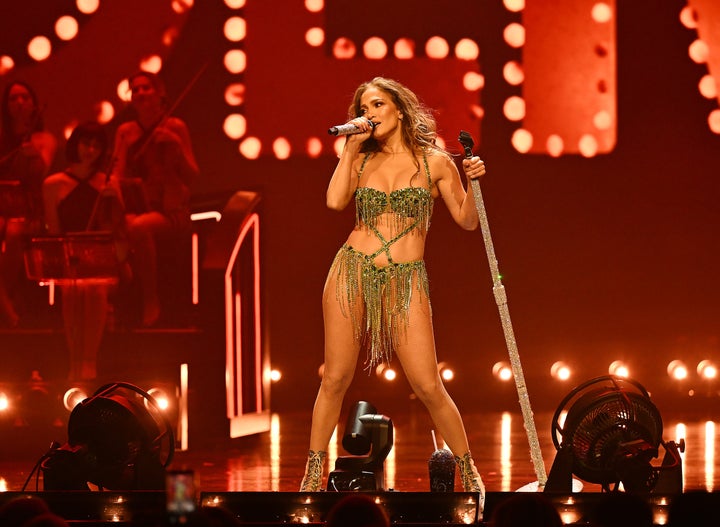
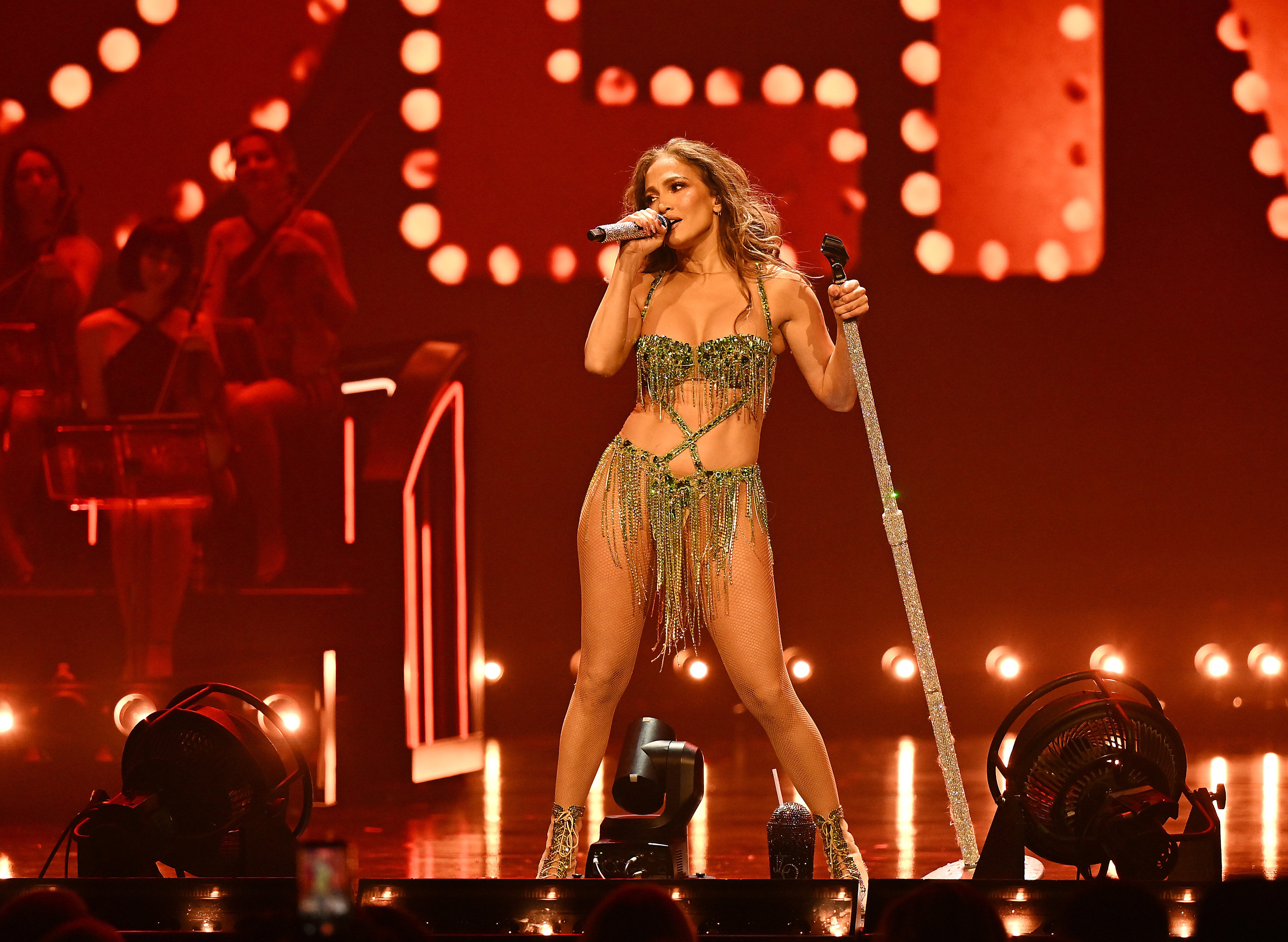
The Jenny from the Block singer kicked off her “Up All Night Live in Las Vegas” residency at the Colosseum at Caesars Palace on Dec. 30, 2025, and performed the final show on Saturday. She’s set to return to the Colosseum with several dates in March.
Advertisement
While many fans of Lopez across social media celebrated her recent Las Vegas performances and her looks onstage, some critics online took the opportunity to level all-too-familiar digs at the singer and actor: that the 56-year-old performer – whose Las Vegas costumes included bodysuits, bikinis and sheer catsuits – was apparently not dressing for her age … whatever that means.
Lopez has long faced scrutiny for how she dresses. Last July, right-wing pundit Megyn Kellyripped Lopez for wearing a thong bodysuit during a performance onstage, calling Lopez a “soft porn star” during an episode of her podcast, The Megyn Kelly Show.
Advertisement
“She’s 55 years old, and she hasn’t come to grips with the fact that she’s not a sex symbol anymore,” Kelly said at the time. She had also criticised Lopez the year prior, saying Lopez was “past her prime”.
Lopez clapped back at the hate she receives over her clothing choices during her residency in Las Vegas, saying at one point onstage: “I do laugh at some of the things [people say online] sometimes, because they do say funny things, too.”
″‘Why is she always dressed that way? Why don’t she dress her age?’ – I’m like, ‘Huh?’ ‘Why’s she always naked?’” she continued. “And I say, ’If you had this body, you’d be naked, too!” she added as the crowd cheered.
Advertisement
Monica Cwynar, a licensed clinical social worker with Thriveworks who specialises in trauma and coping skills, said she believes the attacks against Lopez and how she chooses to dress are “rooted in societal perceptions of ageing, particularly for women”.
And there’s a reason behind it.
“Many people hold ingrained beliefs about how women should physically present themselves as they age,” Cwynar told HuffPost. “Partly because of a perception that desirability should dwindle as we age.”
“It stems from the same place that people don’t want to think of their parents or grandparents as sexual people,” she continued. “Because of that, there is a cultural expectation that women should adopt more conservative or demure attire as they get older.”
Advertisement
Cwynar emphasised that Lopez is an entertainer and that her personal expression and her body autonomy is “hers to display how she sees fit”.
“Women like Jennifer challenging those stereotypes can lead to backlash as it forces people to confront their own biases about age, femininity, and sexuality,” she said.
Denise Truscello via Getty Images
Jennifer Lopez photographed performing during her Las Vegas residency at The Colosseum at Caesars Palace on December 30, 2025 in Las Vegas, Nevada.
Advertisement
Societal norms have historically regulated women’s bodies – but there are ways to push back against criticism about your choices
“Historically, women’s bodies have been objectified and regulated by societal norms, leading to a policing mentality regarding female sexuality,” Cwynar said, adding that society has long asked women to dress in a way “that makes others feel more comfortable”.
Cwynar emphasised that there are societal double standards regarding the expectations for how celebrities should dress.
Advertisement
“When Brad Pitt, who is close in age to Jennifer Lopez, has his shirt off, no one seems to have a problem with that – in fact, it’s likely to be celebrated,” she said, adding, “We often allow men greater freedom in their self-expression.”
And Cwynar thought that Lopez’s response to her critics was “proof of her empowerment and agency” and that the singer emphasised that she “finds joy in her body at 56, encouraging a more inclusive perspective on beauty standards”.
And for any woman navigating criticism about their choices as they age, Cwynar recommends that you embrace your individuality and ignore the noise.
Advertisement
“Recognise that value and beauty come in many forms and that self-confidence can be empowering and extremely sexy. Engaging in practices that promote body positivity can foster a greater sense of peace with oneself,” she said.
She also recommends finding people and community that allow you to “be yourself and celebrate diversity and uniqueness.”
And when it’s appropriate, it may be helpful to engage your critics. “Share your perspective and the importance of individual expression and agency,” she said.
Advertisement
Overall, Cwynar said that it’s important to emphasise personal satisfaction over external validation.
“This is your life and you need to live it in a way that makes you happy, so dress in whatever makes you feel great.”
Nigel Farage has insisted the racism and antisemitism allegations against him will “go away” if he ever gets into No.10.
The Reform UK leader has been accused of referring to the Holocaust by saying “Hitler was right” and “gas them” to at least one Jewish pupil when he was studying at Dulwich College.
Advertisement
Farage has denied the allegations and repeatedly pointed out they occurred around 49 years ago.
The Guardian first reported on the fresh claims against the politician in November – but, on Times Radio on Wednesday, the MP for Clacton insisted the claims will “go away” in time.
“Once one person says something, you’ve got safety in numbers, you can say what you like. I deny it,” he began.
When Times Radio host Hugo Rifkind said there had been criticism from within the Jewish community that Farage had not taken the allegations seriously, the Reform UK leader said: “I don’t take lies seriously. No, I never have.”
Advertisement
He claimed he has been more scrutinised than anyone else in mainstream politics, and that he does not believe anything said by other party leaders said “nearly half a century ago” would come under this level of scrutiny.
Rifkind said: “You can either deny it or you can say it doesn’t matter because it was so long ago.
“The point is, these aren’t going to go away if and when you are prime minister –”
“Oh, they will go away,” Farage cut in. “Because they’re not true. they can’t be proved. And we’ve got more important things to talk about that what people did aged 13.”
Farage was also asked by ITV News today if he would apologise to those who have reported the allegations.
Advertisement
He said: “I don’t apologise for things that are completely made up fantasies. Some of what I heard was just absolute nonsense by people with – if you looked – absolutely obvious political motivations.”
Reform have led onto their steady lead in the opinion polls even after the Guardian’s story broke.
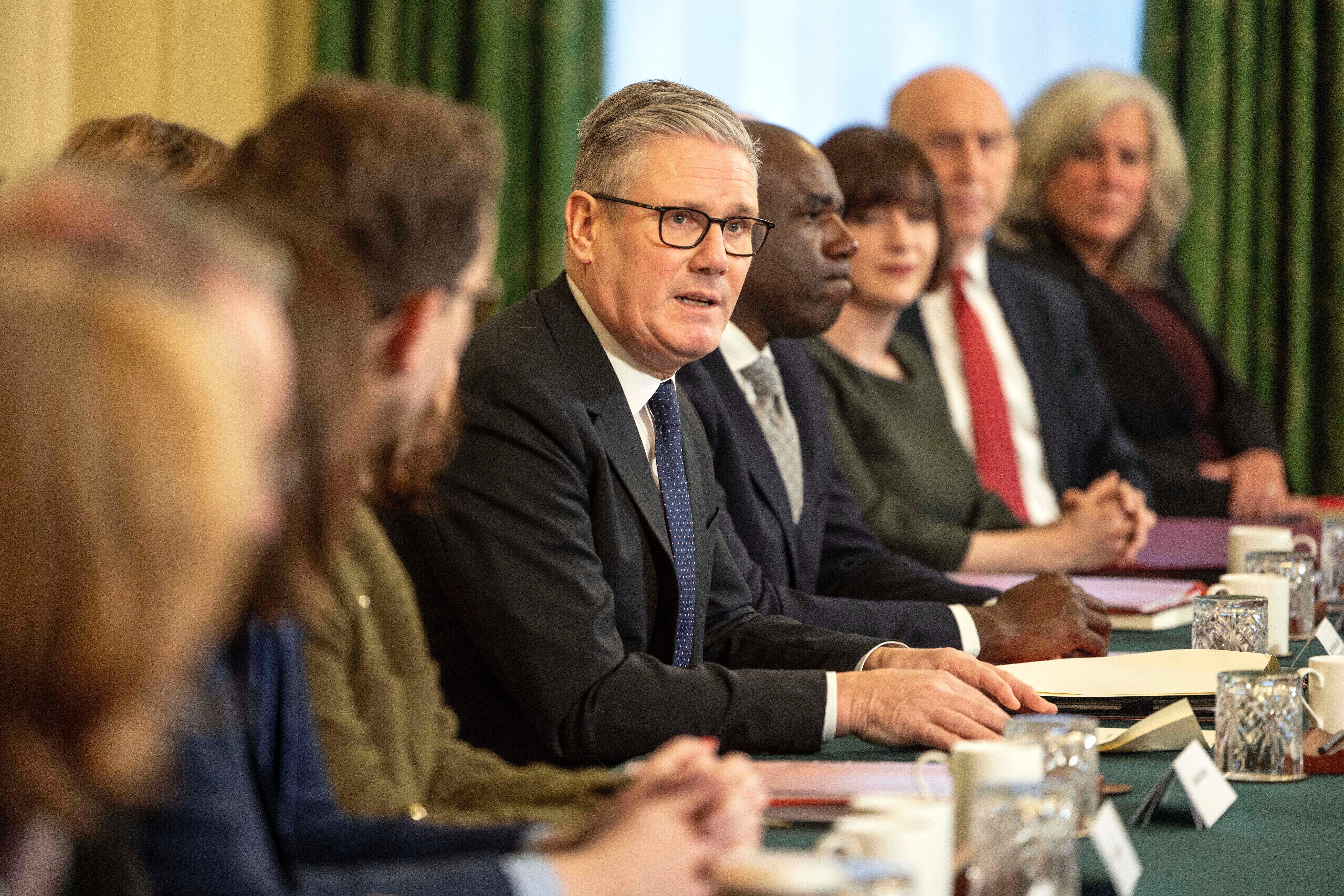
Keir Starmer has told ministers to “hold their nerve” even after Labour faced a nosedive in the opinion polls.
The prime minister held his first political cabinet – meaning deputy party leader Lucy Powell could attend – of the year and tried to lift their spirits following a difficult 2025.
Advertisement
Hours after a new YouGov poll put Labour in third place behind Reform and the Tories, Starmer insisted that the government is facing “the fight of our political lives”.
According to a readout, he said: “A Labour government renewing the country or a Reform movement that feeds on grievance, decline and division.
“They want a weaker state, they want to inject bile into our communities, they want to appease Putin. This is the fight of our political lives and one that we must relish.
Advertisement
“I do not underestimate the scale of the task. But I have no doubt about this team. Governments do not lose because polls go down. They lose when they lose belief or nerve. We will do neither.”
Powell also addressed the meeting, thanking ministers for “embracing me as deputy leader” and saying she relished “helping to tell the story of whose side we are on”.
Powell served as Starmer’s Commons leader before she was booted out of the job in a September reshuffle.
Advertisement
During the regular cabinet meeting, the prime minister also told ministers that the cost of living will “remain our focus” regardless of what happens around the world.
He said the government would be judged at the next general election on whether the public “feel better off”, adding: “That will require hard work, focus and determination from all of us. Together, as a team, we will rise to that challenge and deliver for the whole country.”
There’s actually a term for getting up to pee in the middle of the night: nocturia.
Most people will experience more nocturia as they age, because older bodies create less antidiuretic hormone (ADH), which helps us “hold it in”.
Still, while peeing up to twice a night is within the realm of normal (that number goes up to four times a night for those over 90), the NHS said that going more than that per night might mean you need to see a doctor.
Advertisement
Nocturia sometimes happens after drinking alcohol, because of certain medications, or due to drinking too much water close to bedtime.
Why might walking lower the number of loo trips at night?
The 2007 research, published in Biomedical Research, looked at 30 men with an average age of 71.
The researchers recorded their nocturia rates before and after walking at a brisk pace for half an hour in the evening for eight weeks.
Advertisement
Just over two-thirds (67%) of the men said they experienced deeper sleep, which the researchers think might explain why nocturia instances went down so much.
The number of times they got up to pee shrank from about three times per night, on average, to two times per night.
60% of participants enjoyed “excellent” or “good” results after the end of the trial, meaning they experienced less nocturia.
Advertisement
Why might walking help reduce nocturia?
This is not the only study to find an association between light exercise and decreased instances of nocturia.
Some researchers think this might be because exercise can help to reduce sympathetic nervous system activity and lower systemic inflammation levels.
Advertisement
A 2015 study, which also looked into walking and nocturnal polyuria, or the overproduction of urine at night, found that walking before dinner was linked to a reduction in nighttime bladder voiding from 2.3 times a night to 1.6 times.
They suggested that walking could get rid of excess fluid through sweating, too.
When to see a doctor about nocturia
Rarely, nocturia can be a sign of diabetes, high blood pressure, bladder or prostate problems, or heart disease, though the NHS stresses most cases aren’t anything to worry about.
Per the Cleveland Clinic, “contact your healthcare provider if you find yourself waking up to pee more than once or twice per night”.
Advertisement
The site suggested: “It may be a sign of something else going on, and the frequent wake-ups may leave you feeling exhausted.”
Last month, The Sun reported that the Britpop group was “at the top” of James Bond producers’ wishlist to record the theme song for the next movie in the franchise.
Noel subsequently appeared on TalkSport on Monday, where he insisted he’d not heard anything from the 007 team, but would be up for it if they were to get in touch.
“Of course, it would be an absolute honour,” he enthused, before stating his belief that “those kinds of things should be done by Brits and not Yanks”.
Advertisement
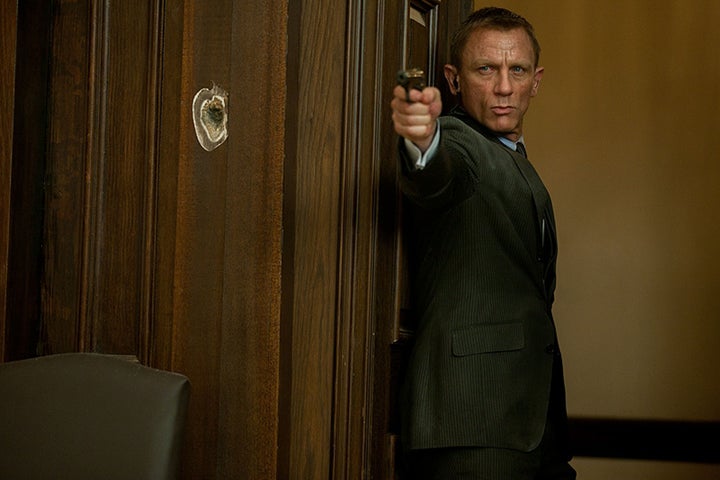
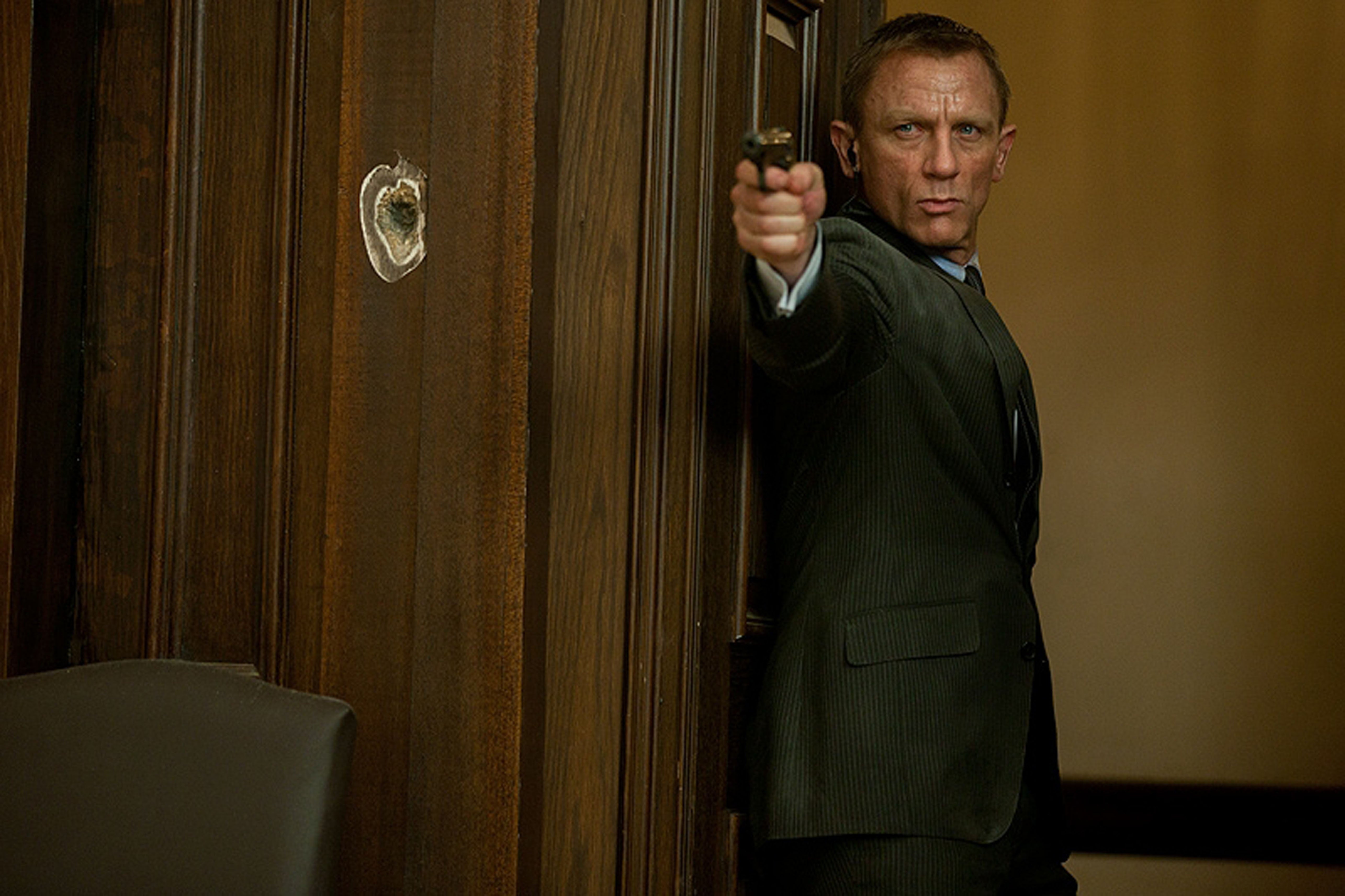
Daniel Craig as James Bond in 2012’s Skyfall
Moviestore/Shutterstock
Noel previously told NME back in 2008 that he thought it was a “piss-take” that so many American audiences were invited to record Bond themes over talent from the UK, despite the character being “the greatest British agent of all time”.
“I’ve written a couple of Bond theme tunes,” he then revealed. “They haven’t got very Bond-esque titles, so I would have to tailor the title accordingly.
Advertisement
“The latest one that I wrote, I listened back to it thinking, ‘Fucking hell man, that’d make a fucking great Bond theme’.”
As for Liam, he responded to the rumours on X last month…
","type":"rich","meta":{"author":"Liam Gallagher","author_url":"https://twitter.com/liamgallagher","cache_age":86400,"description":"It’s happening you wait till you hear it it’s the best BOND tune ever— Liam Gallagher (@liamgallagher) December 6, 2025\n\n\n","options":{"_hide_thread":{"label":"Hide previous Tweet in conversation thread","value":true},"_maxwidth":{"label":"Adjust width","placeholder":"220-550, in px","value":""},"_theme":{"value":"","values":{"dark":"Use dark theme"}}},"provider_name":"Twitter","title":"Liam Gallagher on Twitter / X","type":"rich","url":"https://twitter.com/liamgallagher/status/1997176088888594838","version":"1.0"},"flags":[],"enhancements":{},"fullBleed":false,"options":{"theme":"news","device":"desktop","editionInfo":{"id":"uk","name":"U.K.","link":"https://www.huffingtonpost.co.uk","locale":"en_GB"},"originalEdition":"uk","isMapi":false,"isAmp":false,"isMobile":false,"isAdsFree":false,"isVideoEntry":false,"isEntry":true,"isMt":false,"entryId":"695d2d32e4b0b1914ed1a390","entryPermalink":"https://www.huffingtonpost.co.uk/entry/noel-gallagher-addresses-oasis-james-bond-theme-reports_uk_695d2d32e4b0b1914ed1a390","entryTagsList":"ukfilm,james-bond,noel-gallagher,oasis","sectionSlug":"entertainment","deptSlug":null,"sectionRedirectUrl":null,"subcategories":"","isWide":false,"isShopping":false,"headerOverride":null,"noVideoAds":false,"disableFloat":false,"isNative":false,"commercialVideo":{"provider":"custom","site_and_category":"uk.entertainment","package":null},"isHighline":false,"vidibleConfigValues":{"cid":"60afc140cf94592c45d7390c","disabledWithMapiEntries":false,"overrides":{"all":"60b8e525cdd90620331baaf4"},"whitelisted":["56c5f12ee4b03a39c93c9439","56c6056ee4b01f2b7e1b5f35","59bfee7f9e451049f87f550b","5acccbaac269d609ef44c529","570278d2e4b070ff77b98217","57027b4be4b070ff77b98d5c","56fe95c4e4b0041c4242016b","570279cfe4b06d08e3629954","5ba9e8821c2e65639162ccf1","5bcd9904821576674bc55ced","5d076ca127f25f504327c72e","5b35266b158f855373e28256","5ebac2e8abddfb04f877dff2","60b8e525cdd90620331baaf4","60b64354b171b7444beaff4d","60d0d8e09340d7032ad0fb1a","60d0d90f9340d7032ad0fbeb","60d0d9949340d7032ad0fed3","60d0d9f99340d7032ad10113","60d0daa69340d7032ad104cf","60d0de02b627221e9d819408"],"playlists":{"default":"57bc306888d2ff1a7f6b5579","news":"56c6dbcee4b04edee8beb49c","politics":"56c6dbcee4b04edee8beb49c","entertainment":"56c6e7f2e4b0983aa64c60fc","tech":"56c6f70ae4b043c5bdcaebf9","parents":"56cc65c2e4b0239099455b42","lifestyle":"56cc66a9e4b01f81ef94e98c"},"playerUpdates":{"56c6056ee4b01f2b7e1b5f35":"60b8e525cdd90620331baaf4","56c5f12ee4b03a39c93c9439":"60d0d8e09340d7032ad0fb1a","59bfee7f9e451049f87f550b":"60d0d90f9340d7032ad0fbeb","5acccbaac269d609ef44c529":"60d0d9949340d7032ad0fed3","5bcd9904821576674bc55ced":"60d0d9f99340d7032ad10113","5d076ca127f25f504327c72e":"60d0daa69340d7032ad104cf","5ebac2e8abddfb04f877dff2":"60d0de02b627221e9d819408"}},"connatixConfigValues":{"defaultPlayer":"16b0ecc6-802c-4120-845f-e90629812c4d","clickToPlayPlayer":"823ac03a-0f7e-4bcb-8521-a5b091ae948d","videoPagePlayer":"05041ada-93f7-4e86-9208-e03a5b19311b","defaultPlaylist":"2e062669-71b4-41df-b17a-df6b1616bc8f"},"topConnatixThumnbailSrc":"data:image/png;base64,iVBORw0KGgoAAAANSUhEUgAAAAEAAAABCAQAAAC1HAwCAAAAC0lEQVR42mNkYAAAAAYAAjCB0C8AAAAASUVORK5CYII=","customAmpComponents":[],"ampAssetsUrl":"https://amp.assets.huffpost.com","videoTraits":null,"positionInUnitCounts":{"buzz_head":{"count":0},"buzz_body":{"count":0},"buzz_bottom":{"count":0}},"positionInSubUnitCounts":{"article_body":{"count":18},"blog_summary":{"count":0},"before_you_go_content":{"count":0}},"connatixCountsHelper":{"count":0},"buzzfeedTracking":{"context_page_id":"695d2d32e4b0b1914ed1a390","context_page_type":"buzz","destination":"huffpost","mode":"desktop","page_edition":"en-uk"},"tags":[{"name":"ukfilm","slug":"ukfilm","links":{"relativeLink":"news/ukfilm","permalink":"https://www.huffingtonpost.co.uk/news/ukfilm","mobileWebLink":"https://www.huffingtonpost.co.uk/news/ukfilm"},"section":{"title":"Entertainment","slug":"entertainment"},"topic":{"title":"Film","slug":"ukfilm","overridesSectionLabel":false},"url":"https://www.huffingtonpost.co.uk/news/ukfilm/"},{"name":"James Bond","slug":"james-bond","links":{"relativeLink":"news/james-bond","permalink":"https://www.huffingtonpost.co.uk/news/james-bond","mobileWebLink":"https://www.huffingtonpost.co.uk/news/james-bond"},"relegenceId":3963269,"url":"https://www.huffingtonpost.co.uk/news/james-bond/"},{"name":"Noel Gallagher","slug":"noel-gallagher","links":{"relativeLink":"news/noel-gallagher","permalink":"https://www.huffingtonpost.co.uk/news/noel-gallagher","mobileWebLink":"https://www.huffingtonpost.co.uk/news/noel-gallagher"},"relegenceId":6036169,"url":"https://www.huffingtonpost.co.uk/news/noel-gallagher/"},{"name":"Oasis","slug":"oasis","links":{"relativeLink":"news/oasis","permalink":"https://www.huffingtonpost.co.uk/news/oasis","mobileWebLink":"https://www.huffingtonpost.co.uk/news/oasis"},"relegenceId":5619500,"url":"https://www.huffingtonpost.co.uk/news/oasis/"}],"isLiveblogLive":null,"isLiveblog":false,"backfillRelatedArticles":[],"signInUrl":"https://login.huffpost.com/login?dest=https%3A%2F%2Fwww.huffpost.com%2Fentry%2Fnoel-gallagher-addresses-oasis-james-bond-theme-reports_uk_695d2d32e4b0b1914ed1a390%3Fhp_auth_done%3D1","cetUnit":"buzz_body","enableIncontentPlayer":false,"bodyAds":["
Over the weekend, the Daily Mail also reported that Dua Lipa, Callum’s fiancée, was being eyed to write and record the next James Bond film, following on from Billie Eilish, who won an Oscar for her contribution to No Time To Die.
Meanwhile, other acts who’ve been reported to be in the running to record the theme song for the upcoming 26th James Bond movie have included Raye and Lana Del Rey.
Donald Trump stunned the international stage when he initiated a takeover of Venezuela over the weekend – but this could just be the beginning.
The US president initiated military strikes against the South American country on Saturday and captured its president, Nicolas Maduro, before indicting him on narco-terrorism charges.
Advertisement
Trump has since promised to “run” Venezuela until a safe transition of power can take place.
The US president has also made it clear that he wants to expand America’s president internationally, and revive the 19th-Century idea known as the Monroe Doctrine, designed to keep Europe out of the Western Hemisphere.
He said his modern-day equivalent would be called the “Don-roe Doctrine” and establish US dominance over the whole hemisphere, backed by military strength.
He has repeatedly threatened to take action against other territories, both in South America and outside of it, particularly those run by leftist governments.
Advertisement
While UK prime minister Keir Starmer’s top team insists the idea of Trump seizing other countries is just “hypothetical”, the US president has openly been welcoming the idea of initiating action against other countries.
Here’s what you need to know.
Colombia
Speaking on Monday, Trump said: “Colombia is very sick too, run by a sick man who likes making cocaine and selling it to the United States and he’s going to be doing it good for very long, let me tell you.”
Asked if that meant there would be a US operation into Colombia, he said: “Sounds good to me.”
It comes after Trump told his cabinet in December that military strikes on land targets inside Venezuela would “start very soon”.
Advertisement
As he claimed any country producing narcotics could be a potential target, he called out Colombia – even though the nation has been working with the US government for decades on its war on drugs.
Trump said Colombia’s president Gustavo Petro had to “watch his ass”.
Petro has already been slapped with sanctions by the US administration following claims that he has been involved with the global drug trade.
But Petro warned the White House: “To threaten our sovereignty is to declare war; do not damage two centuries of diplomatic relations.”
Advertisement
He added: “I deeply reject Trump speaking without knowing; my name does not appear in the judicial files on drug trafficking over 50 years, neither from before nor from the present.”
Trump’s comments could also have been related to the upcoming presidential elections in Colombia, where leftist Petro will be prevented from running again, according to the constitution – so the US might back a right-wing candidate.
Greenland
Trump has long had his eye on Greenland for its advantageous location and its untapped oil supplies.
But, as part of Denmark, it is Nato territory – meaning Trump could run into major trouble if he attempts to seize it.
Advertisement
The US president told The Atlantic on Sunday: “We do need Greenland, absolutely. We need it for defence.”
Former Trump administrational official Katie Miller also posted a map of Greenland on social media covered with the US flag, along with the caption: “SOON.”
But Danish PM Mette Frederiksen said Trump has “no right to annex” the land, and the States already has access to Greenland through security agreements.
Advertisement
She said: “I would therefore strongly urge the US to stop threatening a historically close ally and another country and people who have made it very clear that they are not for sale.”
Prime minister Starmer has already made it clear that he stands with Denmark if Trump attempts to move against it.
He said: “Denmark is a close ally in Europe, it is a Nato ally, and it’s very important the future of Greenland is, as I say, for the Kingdom of Denmark, and for Greenland, and only for Greenland and the Kingdom of Denmark.”
Advertisement
Other European leaders have also followed suit in backing Denmark.
Cuba
Cuba is under a particularly microscope within the Trump administration especially after US officials claimed Cuban bodyguards were protecting Maduro when he was captured.
Cuba also admitted 32 of its officers were killed in Trump’s military strikes.
Trump told reporters: ”[Cuba] is going down. It’s going down for the count.”
US Secretary of state Marco Rubio claimed the country is “run by incompetent, senile men, and in some cases not seen now, but incompetent nonetheless.”
Rubio – the son of Cuban immigrants – adding: “If I lived in Havana and I was in the government, I’d be concerned at least a little bit.”
Advertisement
Cuba has been under US sanctions since its revolution in 1959, and according to Trump, its already struggling economy will face further upheaval without subsidized oil from Venezuela.
The country’s president, Miguel Dias-Canal has already denounced the US capture of Maduro, claiming it is “state terrorism”.
Iran
Iran is enduring a period of domestic unrest, with deadly protests rocking the whole country.
Human rights activists say protests have taken place in at least 26 of Iran’s 31 provinces in the last week, and approximately 19 protesters and one member of the security forces have been killed.
Advertisement
As its economy struggles following its brief conflict with Israel last year, the public are questioning the Islamic Republic.
Trump has weighed in, promising protesters: “We’re watching it very closely. If they [Iranian authorities] start killing people like they have done in the past, I think they’re going to get hit very hard by the United States.”
“We are locked and loaded and ready to go,” he claimed.
It remains unclear exactly what action the US would take against Iran but US bombers were involved in strikes against Iranian nuclear facilities last year.
Advertisement
But supreme leader Ayatollah Ali Khamenei has promised Iran “will not yield to the enemy”.
Mexico
Trump also criticised Mexico after his strikes on Venezuela.
“You have to do something with Mexico. Mexico has to get their act together,” the US president said, claiming they must do more to address drug trafficking.
Trump claims to have repeatedly offered to send US troops to Mexico but that president Claudia Sheinbaum has prevented it.
He claimed that she is a “terrific person” but she is “concerned, she’s a little afraid” about military action.
Advertisement
Trump also said the Mexican government is capable of addressing the issues of the drug trade, but “unfortunately the cartels are very strong in Mexico”.
According to Reuters, Shainbaum has already rejected Trump’s remarks, saying: “The Americas do not belong to any doctrine or any power. The American continent belongs to the peoples of each of the countries that comprise it.
“It is necessary to reaffirm that in Mexico, the people rule and that we are a free and sovereign country-cooperation, yes; subordination and intervention, no.”
Hundreds of schools have been forced to close on the first Monday of the new year as snow covers parts of the UK.
This follows temperatures as low as -10.9°C recorded on 4 January, in Cumbria and 52cm of snowfall recorded at Tomintoul in Banffshire this morning (Monday, 5 January).
Advertisement
Yellow snow and ice alerts are in place across Scotland, Northern Ireland, the North of England, Devon, Cornwall, the East of England, and the West of Wales.
These warnings mean “possible power cuts and an increased risk of other services, like phone signal, becoming impaired,” the Met Office’s site reads.
That’s why experts recommend getting some “essentials” together in advance in case you’re affected by a power cut, as driving in the snow is best avoided when at all possible.
The office added that if you’ve been affected by a power cut, you should unplug all electronics that need to be attended at the wall. That way, when the power comes back on, you won’t accidentally restart them and forget, eg, a pair of hair straighteners that you were using when the power cut began.
Leave at least one light on so you can figure out when the power is back, and check to see if your neighbour has the same problem (if they don’t, the problem could be a tripped switch).
Wrap up warm, keep internal doors shut to trap in heat, and use a portable heater if you have one.
Additionally, you can call 105 – it’s a free service for those in Scotland, England, and Wales which allows you to report the power cut to your electricity network operator, and receive more information if you need any.
Advertisement
Why do snow and ice cause power cuts to begin with?
Snow and ice can build up on branches and power lines in a way that water, which drips off, can’t.
Then, there’s the simple fact of the temperature. The many component parts of a power system each have ideal running temperatures; very cold and very hot weather can throw them off, forcing the network to work harder.
Advertisement
Even in the absence of snowfall, tree roots can sometimes provide a pathway for ice on the ground to make its way to underground power lines.
It’s now been almost five years since Daniel Craig’s departure from the James Bond franchise in No Time To Die – and somehow there’s still been no confirmation on who will be succeeding him as 007.
Despite this, an actor playing Bond is still to be selected – and while for some time it looked like the role was Aaron Taylor-Johnson’s for the taking, new reports suggest the part could be going to someone else entirely.
As we dive into the latest 007 rumour, here are 17 more stars who’ve all been rumoured at some point to be taking over Daniel Craig at the helm of the iconic franchise…
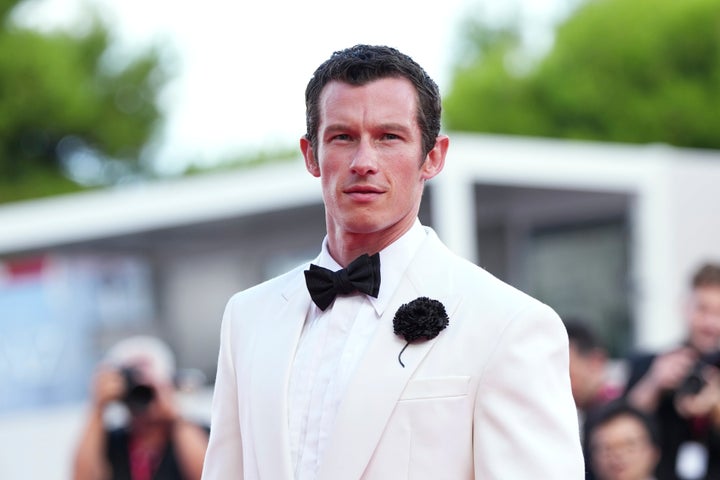
via Associated Press
Advertisement
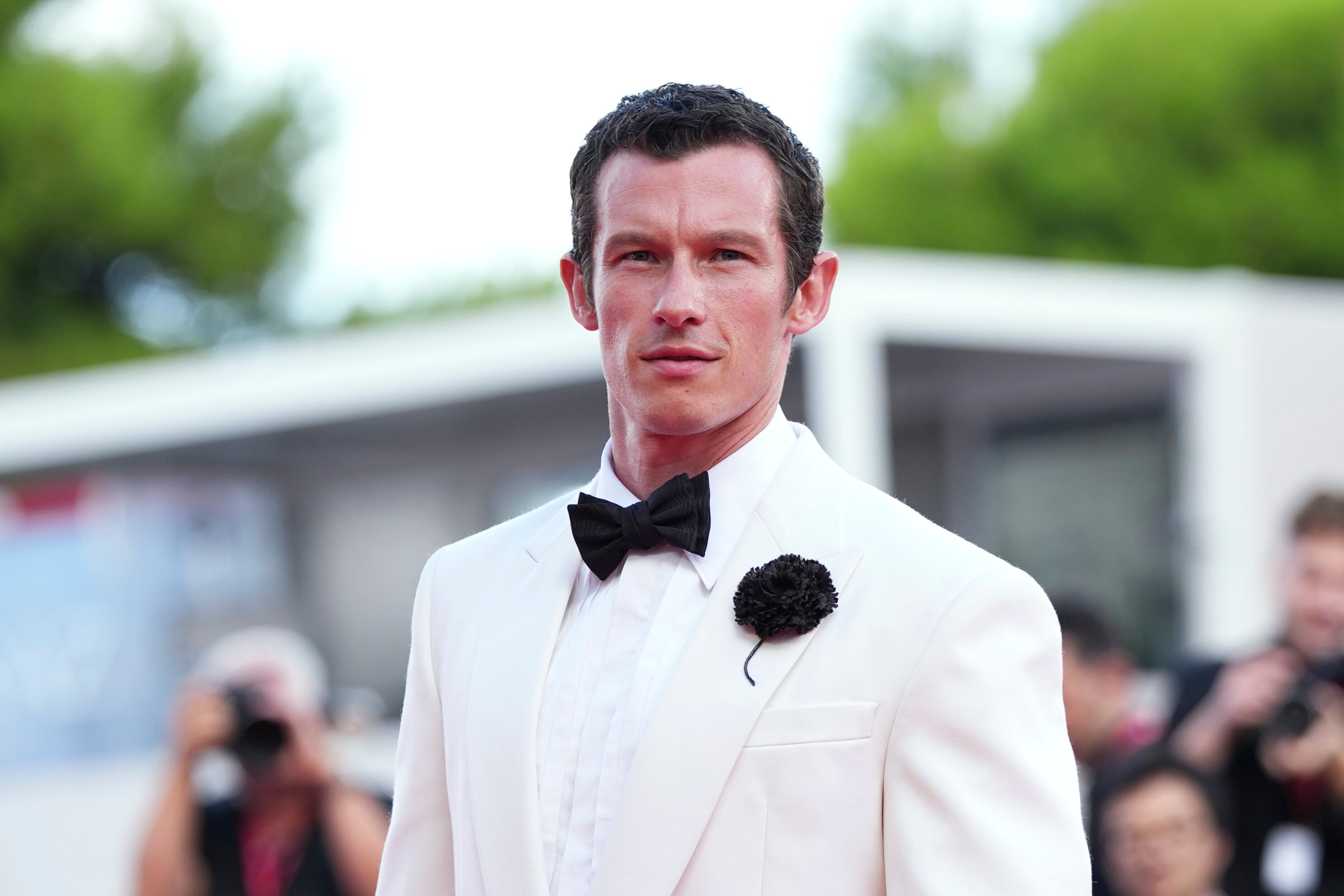
Who is he? Callum Turner has been putting in the work for more than a decade now, but he’s enjoyed a real breakthrough in the last few years.
Some of his most recent projects include the Fantastic Beasts movies, in which he played Theseus Scamander, the sports drama The Boys In The Boat and the star-studded Apple TV+ series Masters Of The Air.
Where did the rumour come from? In December 2025, several news outlets spotted that betting odds had been suddenly slashed on Callum being cast as James Bond.
Since then, Callum’s name was mentioned in an article published by the Mail, suggesting he’d been “blabbing all over town” that he’d landed the coveted spy role.
What has he said? Despite the Mail’s reports about Callum’s loose-lipped approach to his Bond casting, he hasn’t said anything publicly yet, but HuffPost UK has contacted his team for comment.
Advertisement
via Associated Press
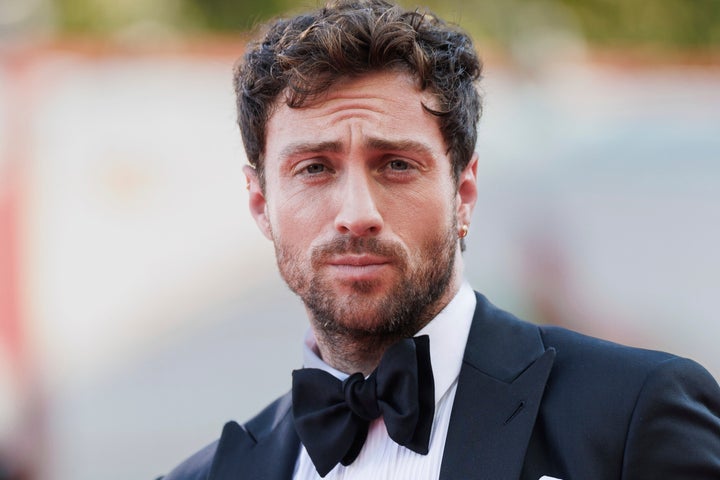
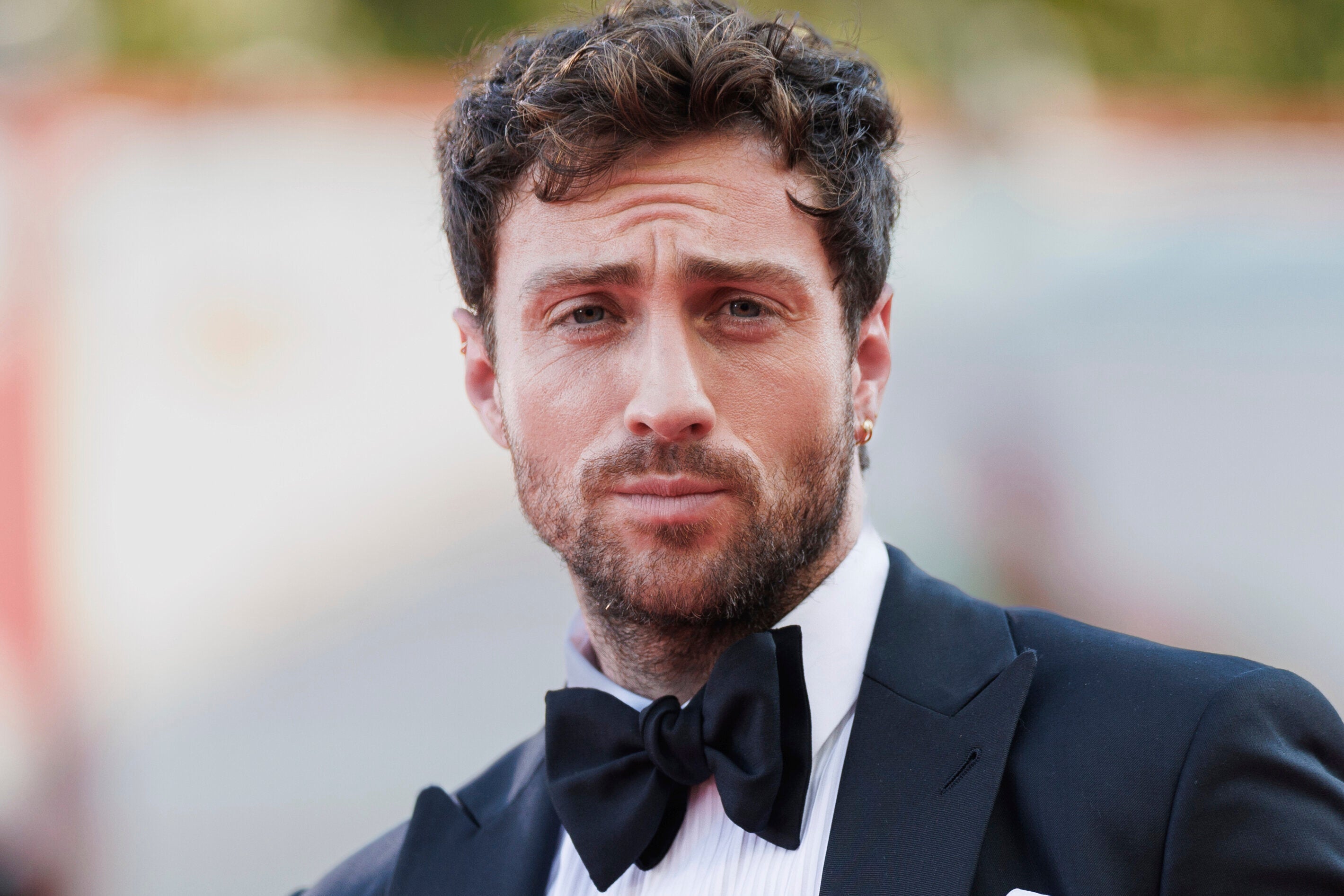
Who is he? Until recently, Aaron has been widely considered as the frontrunner for the role of James for more than a year now. His past credits include the superhero comedy Kick-Ass, the John Lennon biopic Nowhere Boy and Christopher Nolan’s Tenet.
Since then, he’s appeared in projects as varied as Marvel’s Kraven The Hunter, the arthouse horror flick Nosferatu and Danny Boyle’s 28 Years Later.
Advertisement
Where did the rumour come from? In November 2022, Aaron supposedly met with Bond producer Barbara Broccoli (who has since left the franchise), with follow-up reports claiming the meeting “went well”.
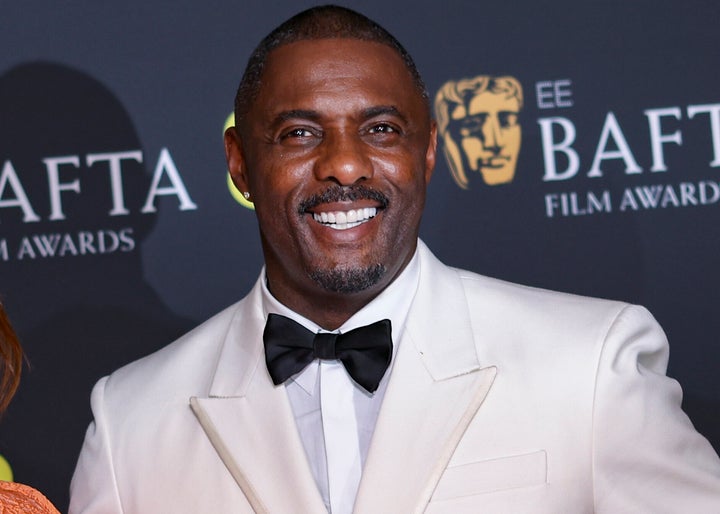
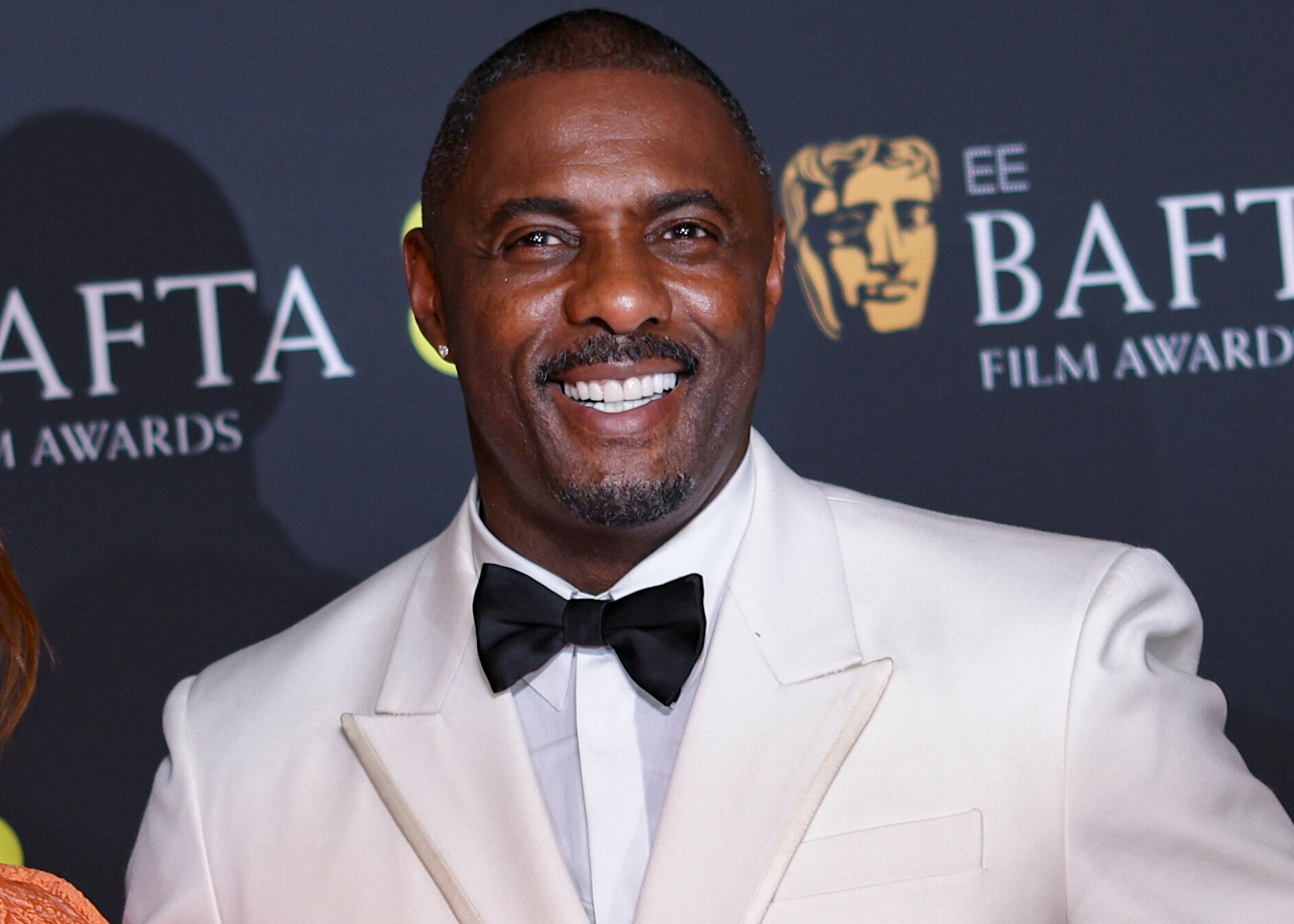
Who is he? The James Bond rumour that’s being going around the longest time involved Idris Elba, whose acting credits include the Thor films, Beasts of No Nation, the Fast & Furious series and the BBC detective drama Luther.
Where did the rumour come from? Idris has been rumoured to be in the running to play 007 for more than a decade (since the speculation began in 2014, there’ve been three new films in the series released), with leaked emails from Sony executives suggesting he was a favourite for the part. Following this, then-Bond boss Barbara Broccoli said Idris has been “part of the conversation” about who the role goes to next.
Advertisement
However, in August 2022 it was reported that Idris had made the decision to take himself out of the running – and in the last few years his casting has seemed less and less likely… although we’d kind of love it if he got the opportunity to play Bond at least once, given just how long he was associated with the franchise.
What has he said?“James Bond is a hugely coveted, iconic, beloved character that takes audiences on this massive escapism journey. Of course, if someone said to me, ‘Do you want to play James Bond?,’ I’d be like, ‘Yeah!’. That’s fascinating to me.”
TOLGA AKMENTOLGA AKMEN/EPA-EFE/Shutterstock
Advertisement
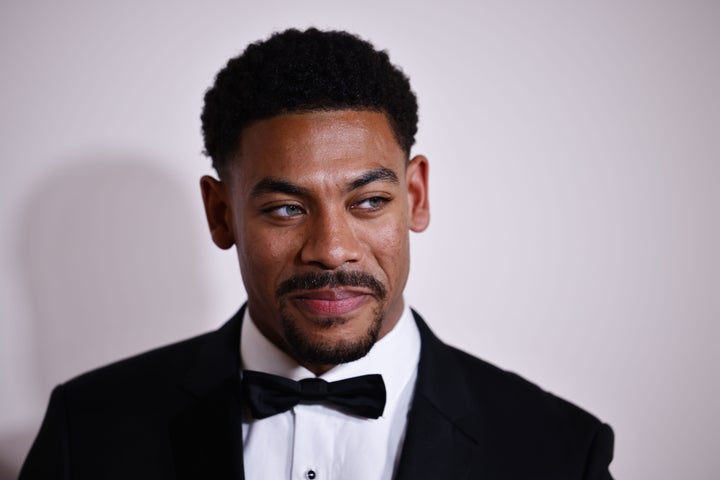
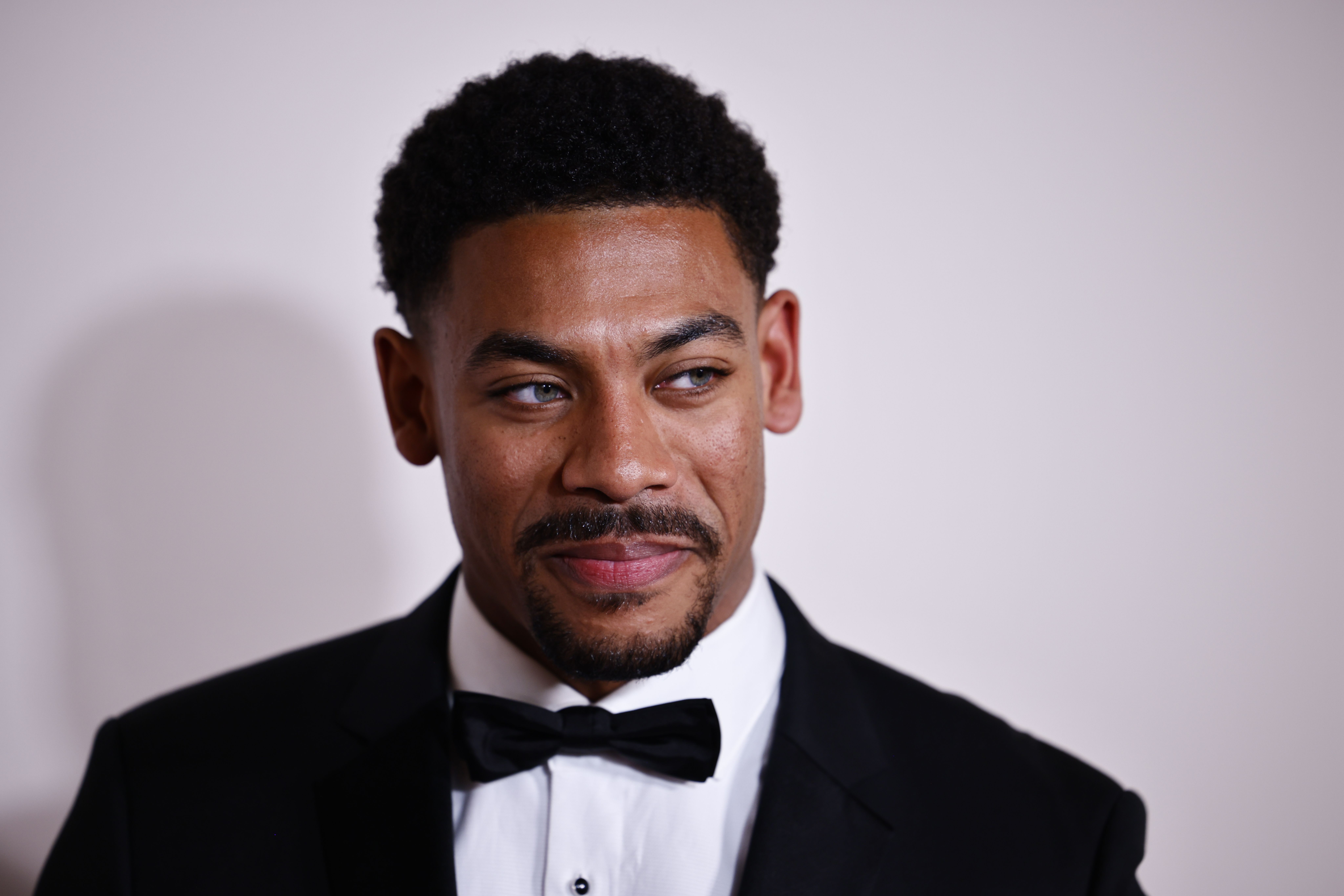
Who is he? A more recent addition to the list of rumoured potential 007s is another Aaron, this time fellow Brit Aaron Pierre.
As well as voicing the title character in Disney’s Mufasa, Aaron appeared in The Underground Railroad, played Malcolm X in the anthology series Genius and starred opposite Saoirse Ronan and Paul Mescal in the sci-fi dystopian drama Foe.
Where did the rumour come from? The news appears to come from movie “insider” Daniel Richtman, who claimed in June 2025 that Aaron is “being considered” for the part.
Advertisement
What has he said? Nothing just yet, but we’ll be keeping our eyes peeled in case he has anything to add on the rumours.
Mike Marsland via Getty Images
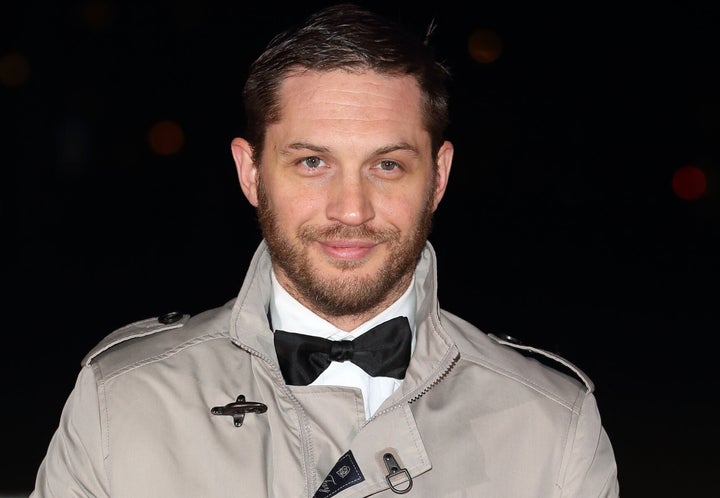
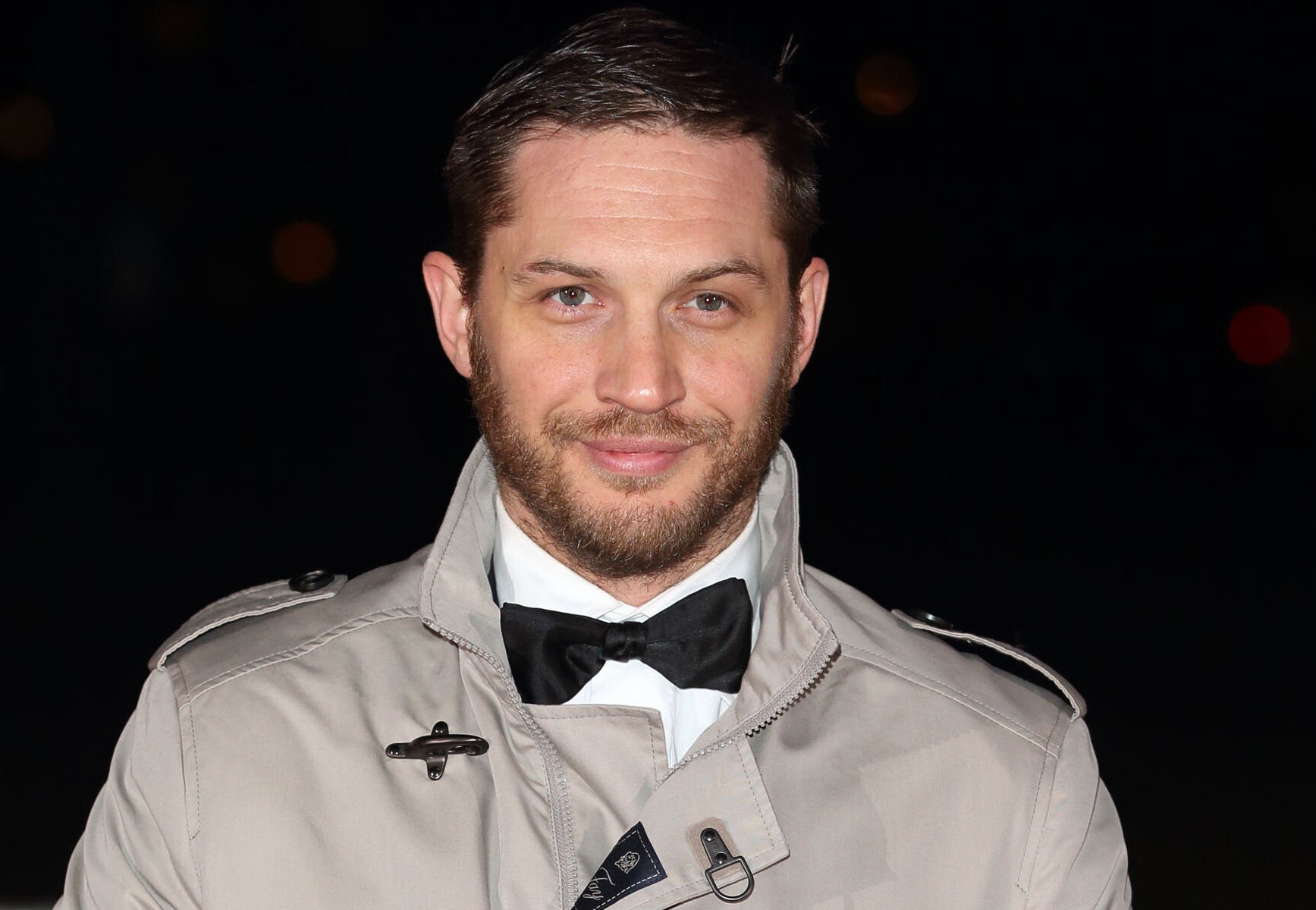
Who is he? He’s Tom Hardy! You may have seen him in films including Max Max: Fury Road, Dunkirk, Legend, The Dark Knight Rises, Inception or Venom.
Advertisement
Where did the rumour come from? Like Idris Elba, speculation about Tom Hardy playing 007 goes way back.
Things hotted up in 2020, though, when the film blog The Vulcan Reporter claimed he’d done several auditions for the part and was “basically locked into the role”.
What has he said?“You know, there’s a saying amongst us in the fraternity of acting, and in the fellowship of my peer group, that if you talk about it you’re automatically out of the race. So I can’t possibly comment on that one! If I mention it, it’s gone.”
Advertisement
Jeff Spicer via Getty Images
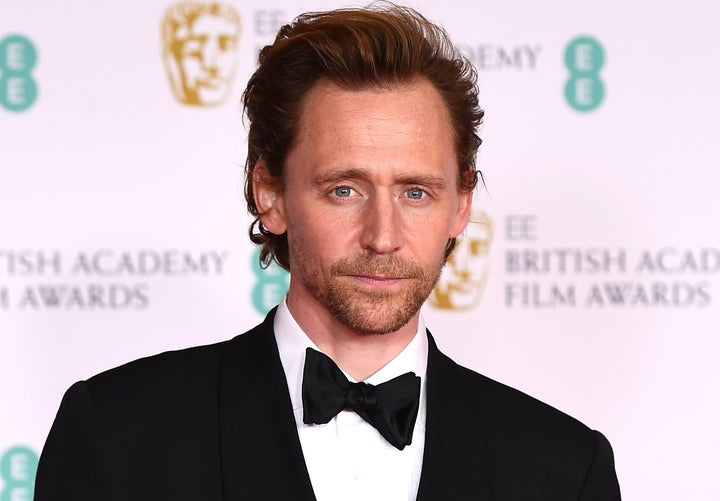
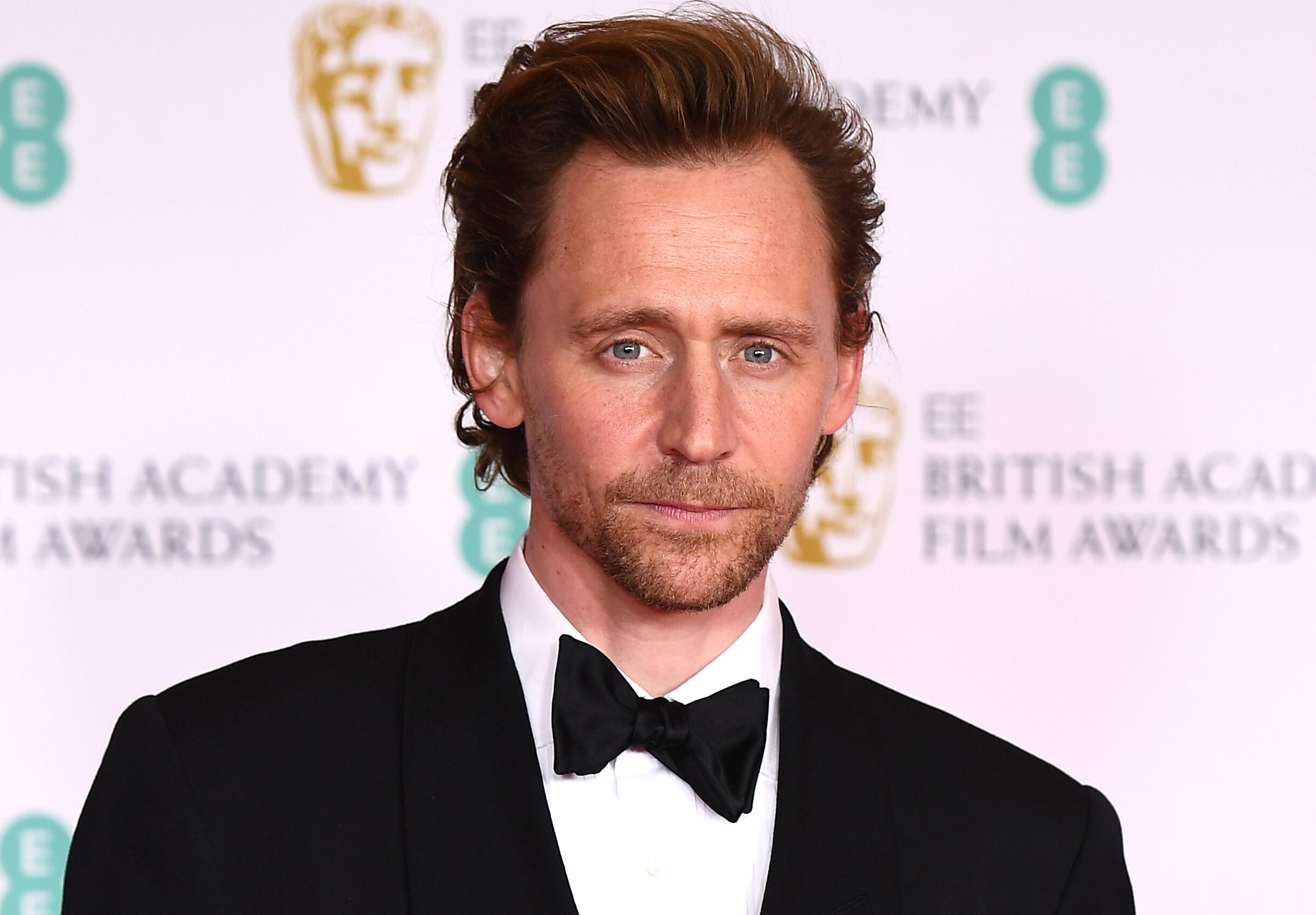
Who is he? Probably best known for his role as Loki in the Marvel universe, Tom also won a Golden Globe for his performance in the drama The Night Manager.
Where did the rumour come from? Around the time The Night Manager was airing, many viewers pointed out that the British actor might be a good James Bond, and he was soon spotted having a meeting with the franchise’s chief Barbara Broccoli.
What has he said?“What can I say that you don’t already know? It’s interesting in itself that I’ve suddenly become very aware of what I’m saying, is it not?
“Because there’s something about what I’m saying that becomes the story. Not for you, but the world outside. Whatever I say, I’ve found, generated more questions.”
Advertisement
Samir Hussein via Getty Images
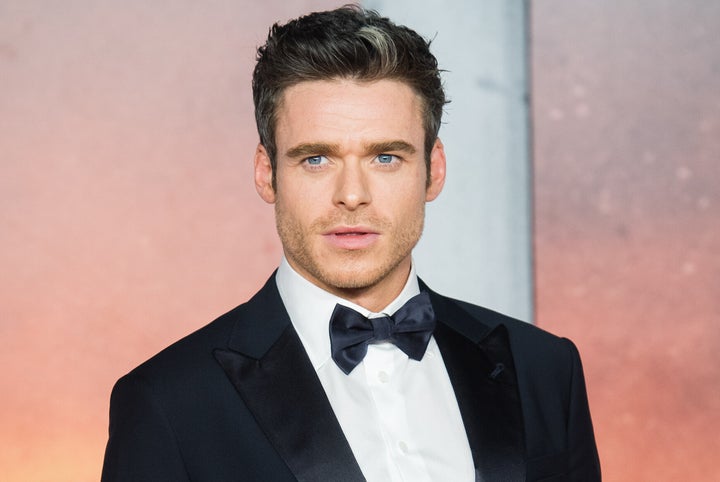
Who is he? After rising to fame in Game Of Thrones, the Scottish actor later won a Golden Globe for his leading role in Bodyguard.
Where did the rumour come from? The action-packed Bodyguard led to Richard being tipped to succeed Daniel Craig as Bond, with the Daily Mail reporting at the time that the drama had caught the eye of former 007 boss Barbara Broccoli.
Advertisement
Bodyguard’s producers even teased that a potential second series of the drama would depend on “what happens with James Bond”.
What has he said?“I’m more than flattered to be mentioned, for people to consider putting me in that role. I’m very flattered and thankful. It’s a really brilliant thing to be in.
“I don’t want to curse anything by saying anything. I think that’s the curse of that. If you talk about it, you’ll curse it.”
Advertisement
NEIL HALL/EPA-EFE/Shutterstock
Who is he? James is perhaps best known for his TV roles, which have included Happy Valley, Grantchester, McMafia and The Trial Of Christine Keeler, though you may have also seen him in action in the recent big-screen adaptation of Little Women.
Where did the rumour come from? While many of the actors named as potential replacements for Daniel Craig are based on anonymous “insiders” and source quotes, the rumours about James seem to stem primarily from bookies’ odds.
What has he said? “It’s so weird and bemusing. But yet again, it’s based on pure speculation and it makes for a good little clickbait moment in the media. Other than that, it’s just fun and bemusing.”
via Associated Press
Advertisement
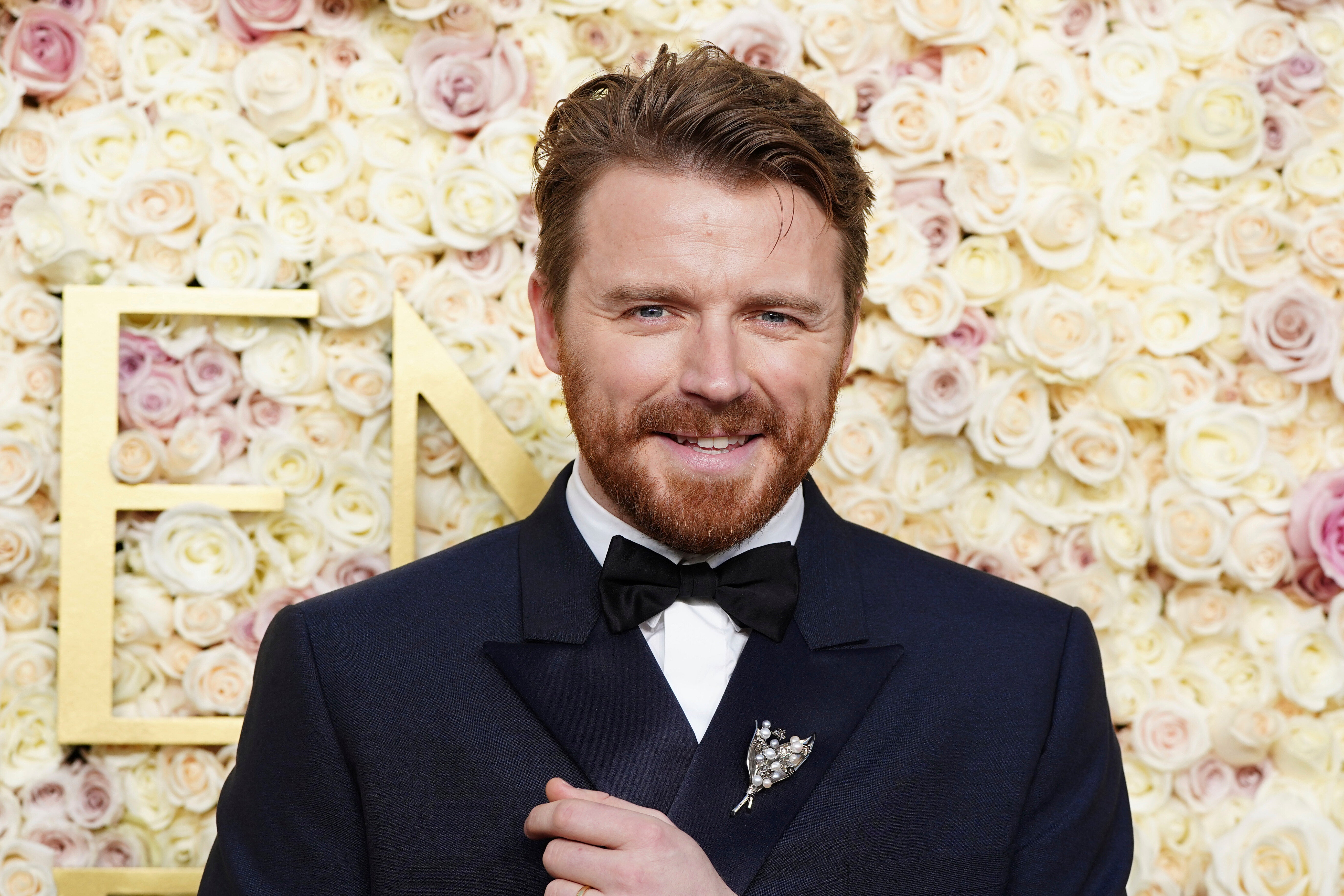
Who is he? Jack Lowden has had a massive few years, scoring Bafta, Golden Globe and Emmy nominations for his work in Slow Horses and appearing with Nicole Kidman in the breezy Netflix mystery The Perfect Couple.
Where did the rumour come from? This is another story that’s based on bookies’ odds, with Jack’s name soaring towards the top of the list when Amazon acquired creative control of the spy franchise.
Who is he? The British star of films like Crazy, Rich Asians; A Simple Favour and the Guy Ritchie action film The Gentlemen.
Where did the rumour come from? After Daniel Craig’s exit from the James Bond franchise was confirmed, fans began campaigning for Henry to take over the iconic spy role.
What has he said?“[The speculation] definitely [came] from Crazy Rich Asians, maybe the white suit coming out of the park. [And] because I’m Asian and everybody’s fighting for a diverse Bond – sorry, white guys.
Advertisement
“I don’t know. It’s an honour to even be in the conversation. It’s one of the greatest film roles ever, you’d be stupid to be like, ‘I don’t want to do that.’
“Isn’t it great that people are like, ’OK, now’s the time, why the hell can’t we have a black Bond, an Asian Bond, a mixed-race Bond, a non-distinct Bond?”
Jeff Spicer via Getty Images
Advertisement
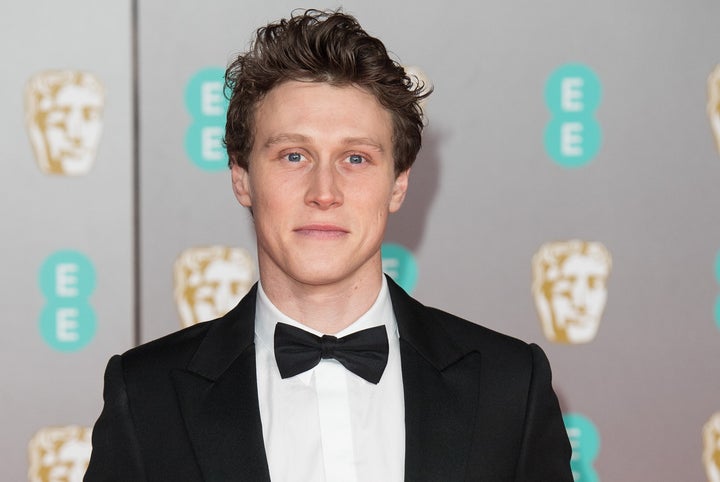
Who is he? After appearing in Sunshine On Leith and Pride, George landed his biggest role to date when he took the lead in the Bafta-winning 1917, and he’s since appeared in Femme and The End.
Where did the rumour come from? According to a 2021 report in Page Six, Bond producers were hoping to reboot the franchise after No Time To Die, making the Bond character younger, which is where the idea to have George play a rather different 007 was reportedly born.
What has he said? “You’ve got to consider it for sure. I mean, it’s an amazing thing, but it would also be a massive thing. I don’t know if that’s a reality, but if it ever became one, of course, it would be a consideration. But be a careful one.”
Advertisement
David M. Benett via Getty Images
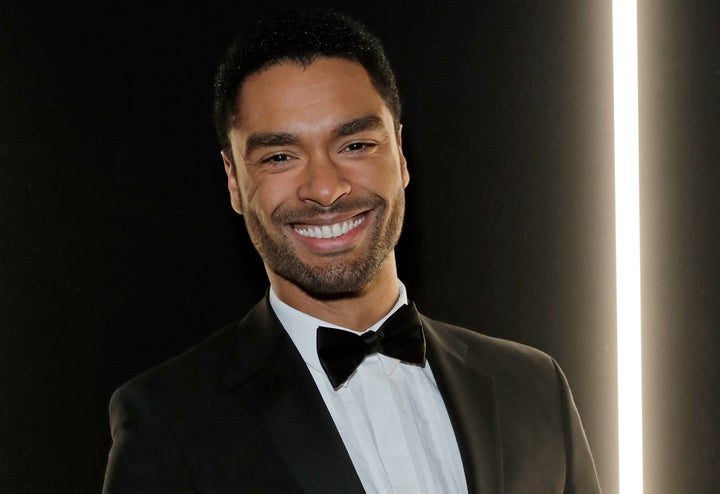
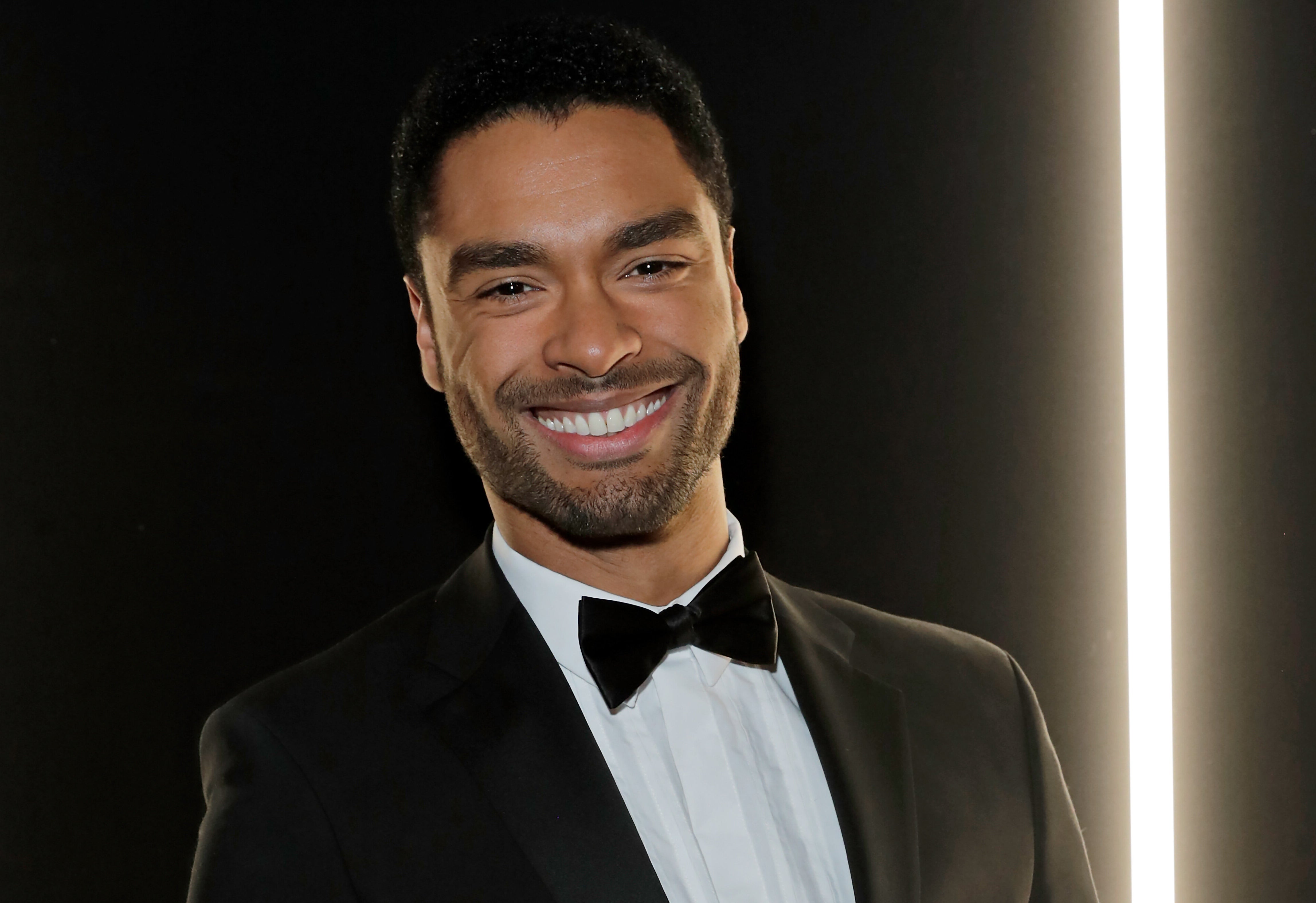
Who is he? Regé-Jean became an overnight sensation in 2020 thanks to his role as the main love interest in the Netflix period drama Bridgerton.
Where did the rumour come from? Fans immediately began suggesting Regé-Jean as a potential Bond, and when he announced he wasn’t returning for the second season of Bridgerton, the rumour mill hotted up even further.
Advertisement
What has he said?“Ah, the B word. I think if you are British and do anything of note, that other people take notice of, then people will start talking about that.
“That’s fairly normal and I’m flattered to be in the category of Brits that people have noticed.”
via Associated Press
Who is he? Charlie’s biggest acting credits include Green Street, Queer As Folk, Sons Of Anarchy and Guy Ritchie’s The Gentlemen. In 2025, he caused a stir when he was cast as Ed Gein in the third season of Ryan Murphy’s Monster.
Advertisement
He was also famously cast in the role of Christian Grey in the Fifty Shades Of Grey franchise, but dropped out due to scheduling conflicts, and was replaced by Jamie Dornan.
Where did the rumour come from? Charlie’s name being linked with playing James Bond largely stems from his devoted fanbase, as well as bookies’ odds.
What has he said?“I would be so flattered and honoured to be considered to play James Bond as an Englishman. But my intuition tells me that I shouldn’t be waiting for that phone call to come. I think there are many people ahead of me on that list.
Advertisement
“It’s very flattering sort of fan dialogue. Nobody’s ever, on a professional level from within the industry, brought that up to me.
“As much as people want to talk about me playing James Bond – please continue. Maybe that’s the genesis of these things. Maybe fan chatter leads to industry people actually talking about it in a more serious way.”
CHRIS DELMAS via Getty Images
Advertisement
Who is he? Sam is best known for playing one of the lead roles in the historical drama Outlander.
Where did the rumour come from? Sam has actually been on Bond producers’ radars for a while, having previously auditioned to succeed Pierce Brosnan in Casino Royale, which would eventually become Daniel Craig’s first outing in the role.
What has he said?“I don’t know if there is a conversation being had apart from in the media, but I think it’s an incredible franchise and a great character, so of course I would jump at it.”
Matthias Nareyek via Getty Images
Advertisement
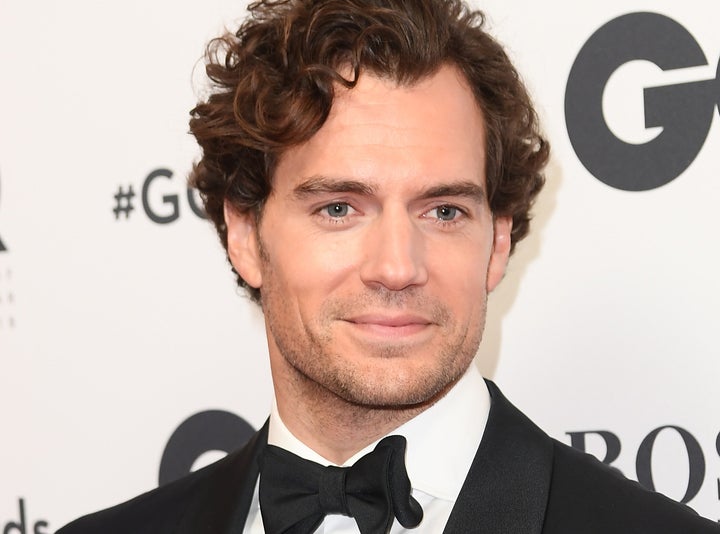
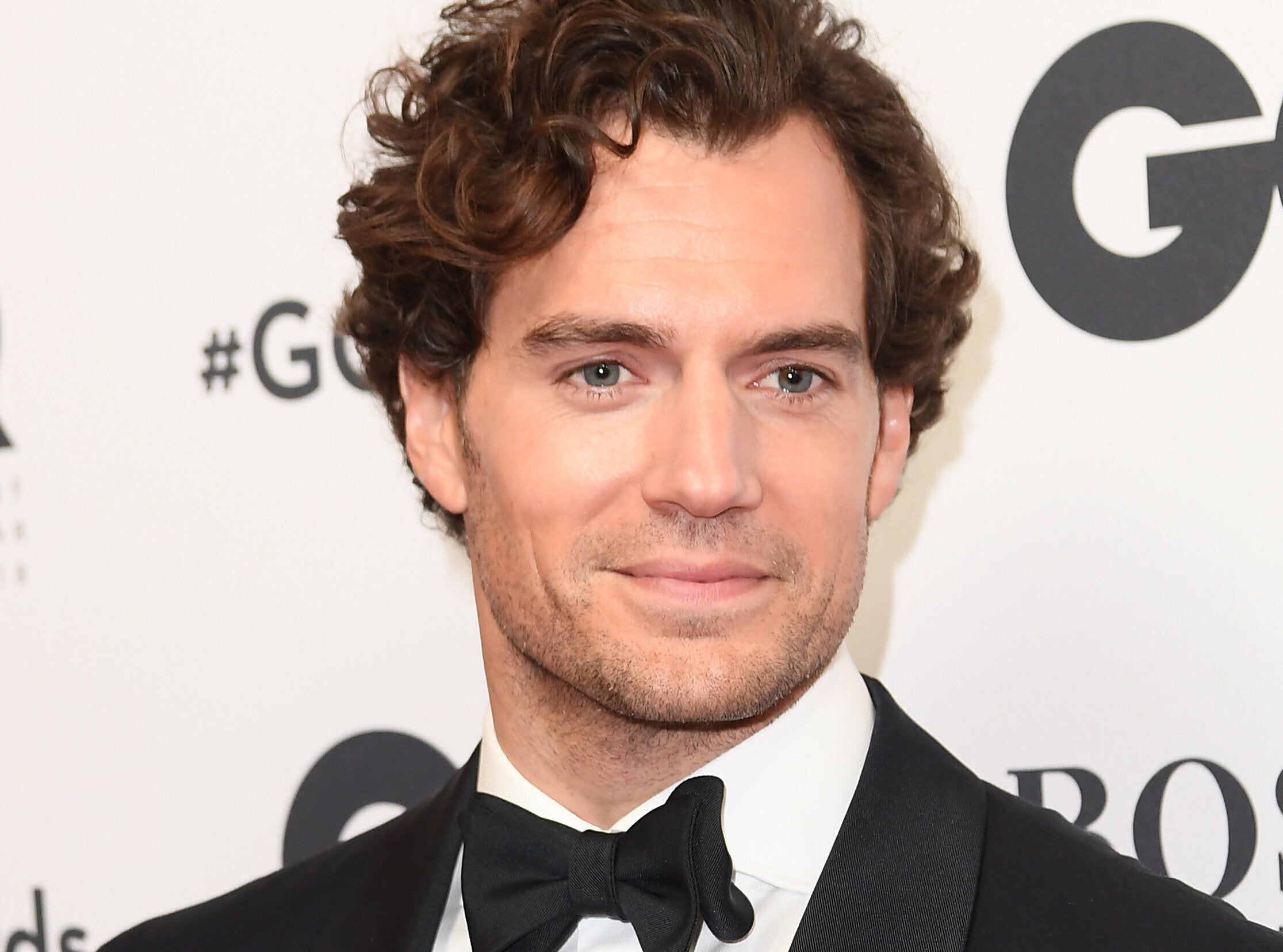
Who is he? Henry is famous for playing Superman in the superhero’s most recent big-screen offerings, and also has the lead role in the Netflix adaptation of The Witcher.
Like Sam Heughan, Henry also auditioned for Casino Royale, back when he was just 21 years old.
What has he said?“I would absolutely jump at the opportunity. At this stage, it’s all up in the air. We’ll see what happens. But yes, I would love to play Bond, it would be very, very exciting.”
Advertisement
AFP Contributor via Getty Images
Who is he? The chart-topping singer made a name for himself as a member of One Direction, before making a name for himself as a Grammy-winning solo artist.
In addition to his music career, Harry also had a short-lived career as an actor, first appearing in Christopher Nolan’s Dunkirk before getting mixed-at-best reviews for his work in Eternals, Don’t Worry Darling and My Policeman.
Advertisement
Where did the rumour come from? This might sound like the work of over-excited Directioners, but in 2021, The Sun reported that Bond producers were hoping to take the character in a “new age” direction, and tipped Harry for the role.
What has he said?Harry’s reps said the rumours were “not even remotely true”. Too bad, tbh.
via Associated Press
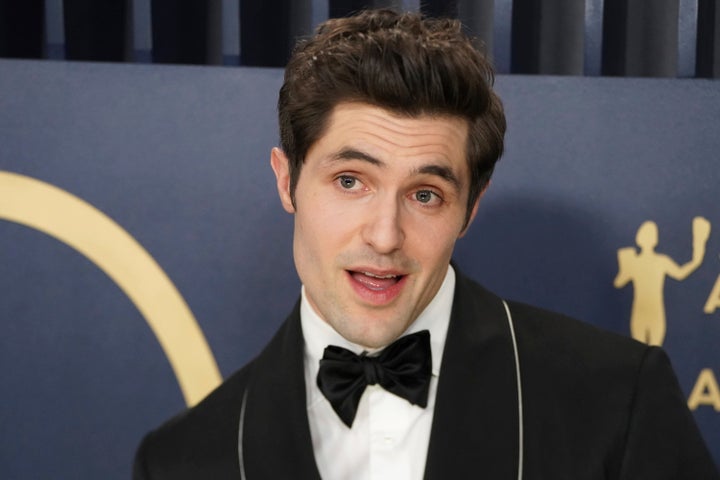
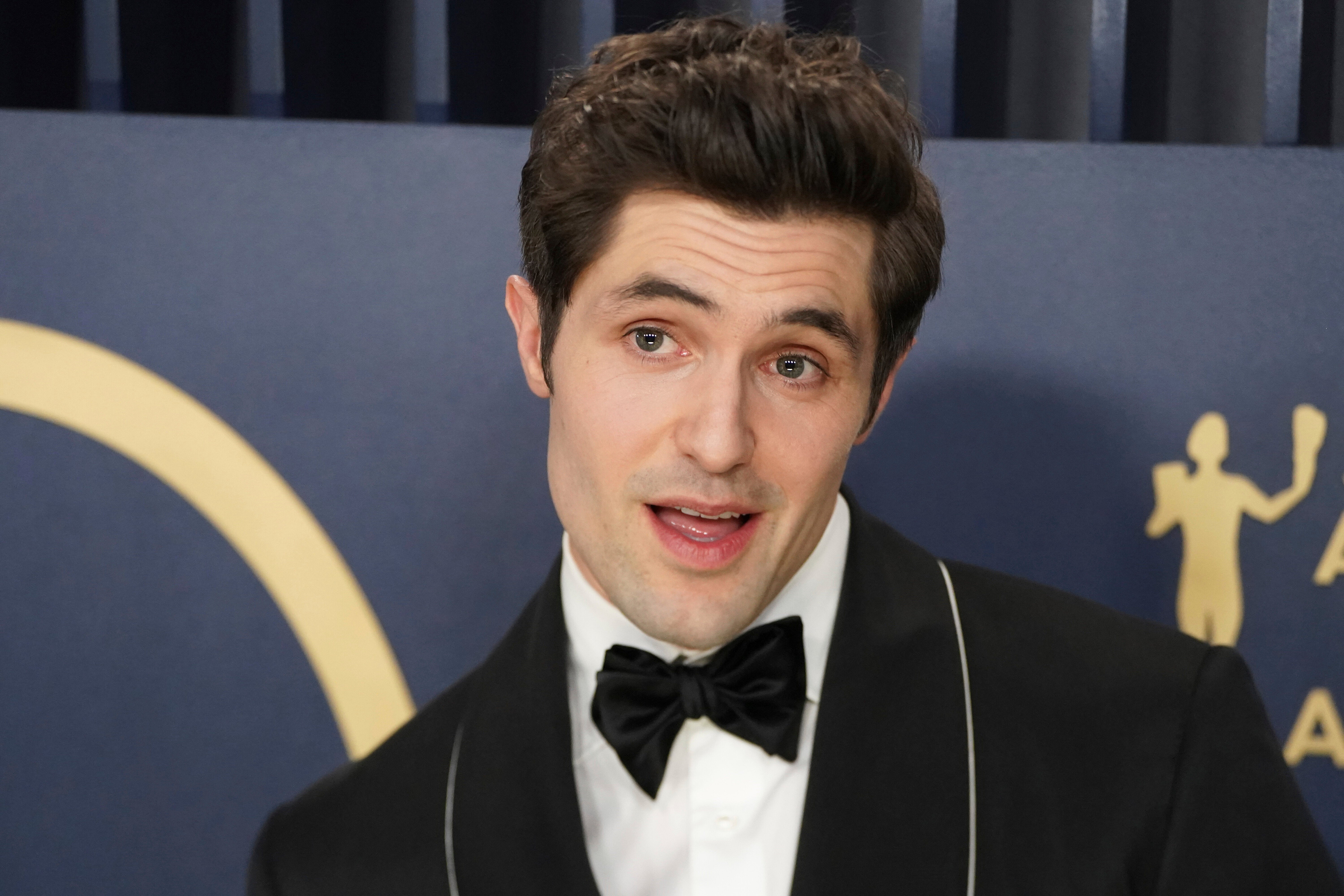
Who is he? Ted Lasso fans will recognise Phil from his Emmy-nominated performance as Jamie Tartt.
Where did the rumour come from? Interestingly, unlike most of the names on this list, this rumour comes straight from the horse’s mouth, with Phil confirming that a “conversation” was had about him playing Bond – albeit a short one.
Advertisement
What’s he said? “There was a conversation one of my agents had but they quite firmly shut the door in their face.”
David M. Benett via Getty Images
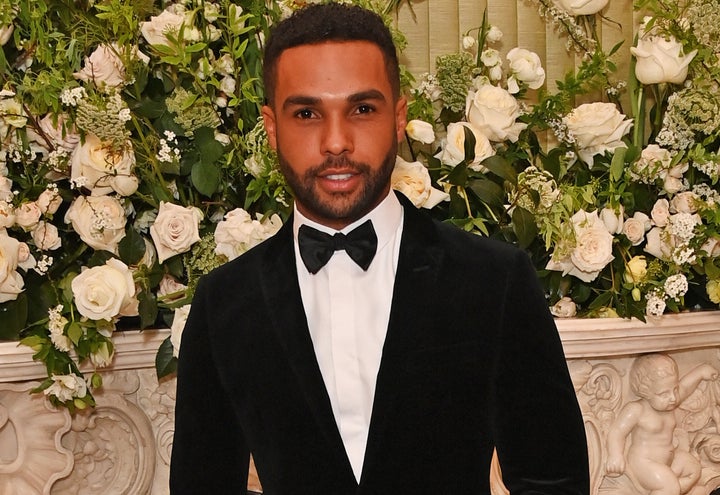
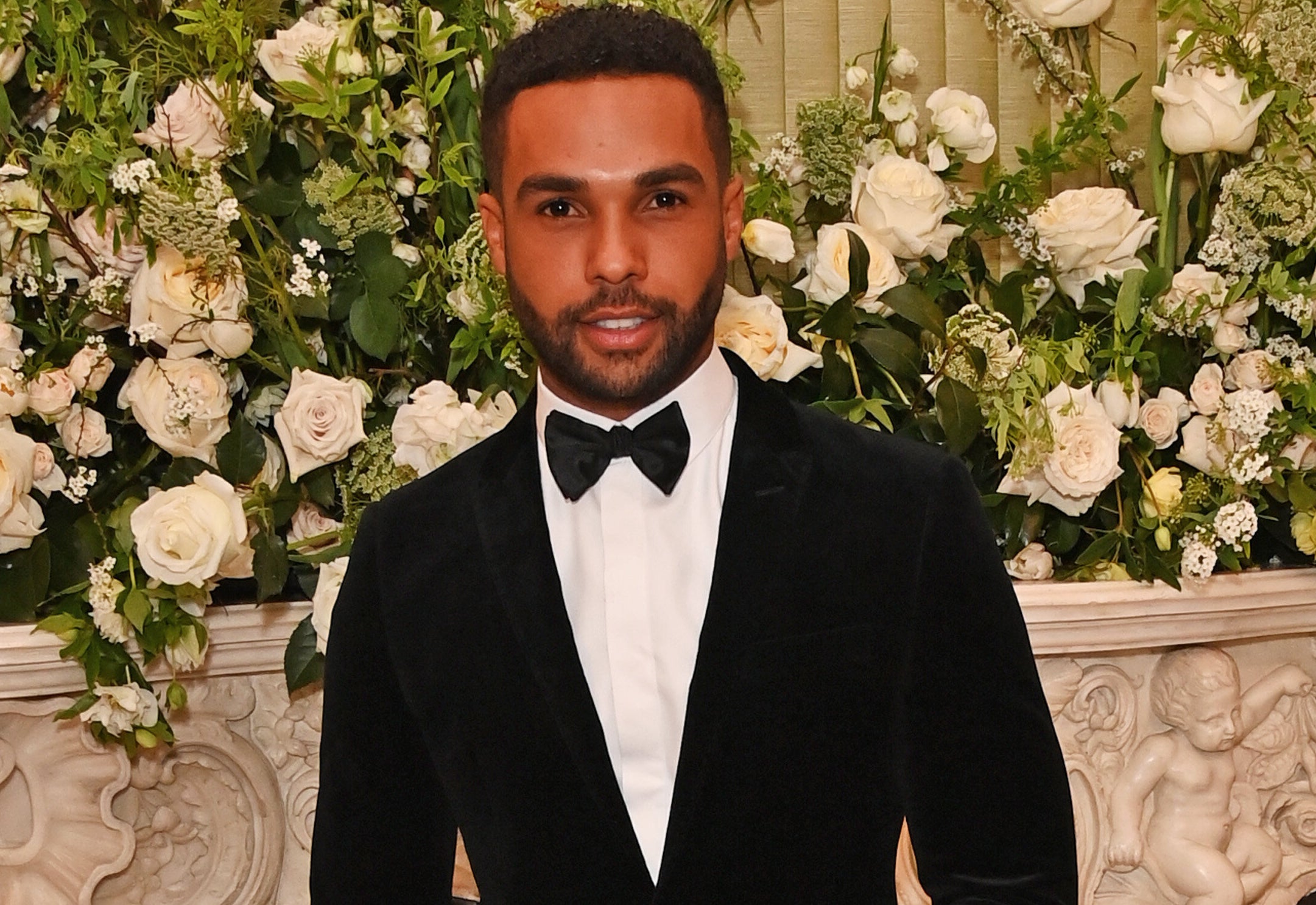
Who is he? Another addition to the list of rumoured James Bond stars, Lucien Laviscount’s past credits include Coronation Street, Waterloo Road, Ryan Murphy’s Scream Queens and Emily In Paris.
Advertisement
Where did the rumour come from?The Daily Mail first reported in December 2022 that Lucien had caught the eye of James Bond producers, with an unnamed source claiming he “ticks all of the boxes” as a “super talented” and “extremely handsome” young actor.
However, it appears there’s one drawback.
According to the Mail, Lucien’s reality TV past (after leaving Waterloo Road, he appeared on Celebrity Big Brother, and was involved in a brief showmance with a certain Ms Katona) has put off some execs behind the scenes.
What has he said? Again, he’s yet to address the rumours directly, so make of that what you will.