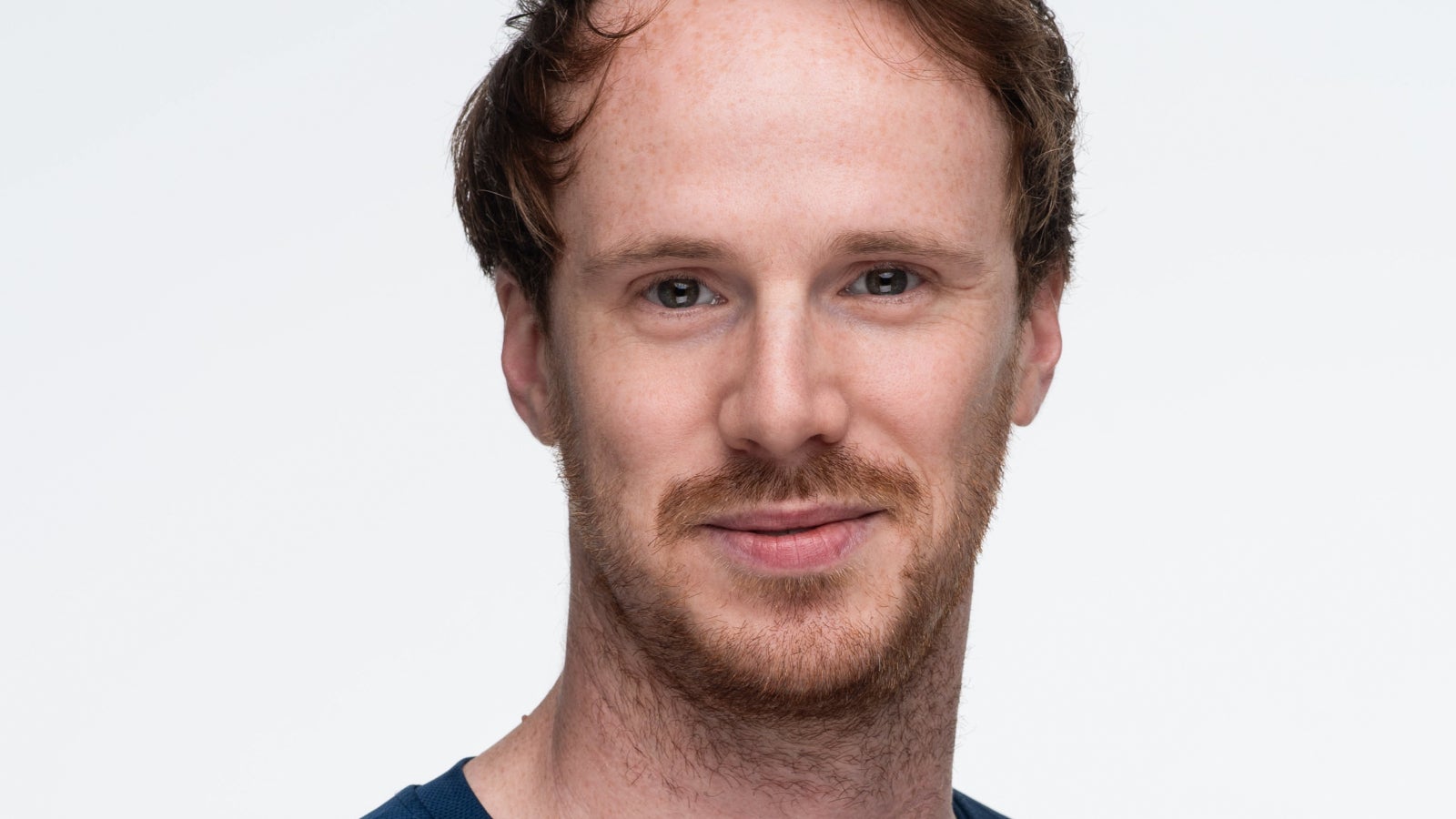
In a recent TikTok, former Tracy Beaker actor Dani Harmer spoke about her recent perimenopause diagnosis as she sought advice for her “thinning” hair.
The former Strictly Come Dancing contestant, 36, says her husband asked her to see her GP when he noticed her “whole personality had pretty much changed.”
Advertisement
Before she learned she was perimenopausal, the star added, “I was so down”.
She continued, “I’ve struggled with depression and anxiety pretty much since I was a teenager, but there was something really different about me, and in myself, I knew that something was off”.
Dani said she had also been affected by brain fog, night sweats, and bad sleep, all of which are common signs of perimenopause.
Though some commenters were surprised to learn about the actor’s condition (with one TikTok user saying, “Whaaaat? You’re about 17 years old”), perimenopause in your 30s is perfectly possible.
Advertisement
Here’s what perimenopause means, 62 of its signs, and what to do if you suspect it (like Dani, you should seek help if you struggle with any symptoms).
What is perimenopause, and why can it start in your 30s?
Perimenopause is “when you have symptoms of menopause but your periods have not stopped,” the NHS says.
Advertisement
You are officially in menopause when you have not had your period for 12 months.
The average age to start menopause in the UK is 51. You count as being in “early” menopause if it begins before you turn 45, and “premature” menopause if you’re under 40, the NHS says.
Just because your periods don’t stop during perimenopause doesn’t mean it can’t “have a big impact on your life, including relationships and work,” the NHS says.
Advertisement
Anxiety, mood swings, brain fog, hot flushes and irregular periods are common signs.
Don’t wait until you lose your period to see your GP about perimenopause symptoms if they’re affecting your life.
What are the symptoms of perimenopause?
The symptoms of perimenopause are the same as those of menopause, minus the absence of periods. Some women will experience them at different levels of intensity during menopause or perimenopause.
Some signs, like irregular periods, will be more noticeable during perimenopause.
A BMC Women’s Health study found that, on average, people experiencing menopause or perimenopause had about 10.7 symptoms.
Advertisement
Menopause care specialist Dr Naomi Potter previously shared 62 possible symptoms with HuffPost UK, which are:
Palpitations
Chest pain
Breast tenderness
Itchy skin
Dry skin
Rosacea
Acne
Thin skin
Collagen loss
Crying
Brain fog
Memory loss
Poor concentration
Difficulty finding the right words
Anxiety
Low mood
Worsening PMS
Anger or rage
Irritability
Headache
Migraines
Joint pain
Joint stiffness
Vaginal dryness
Vaginal discharge
Vulval itch
Perineal itch
Vulval/vaginal ‘electric shocks’
Increase in thrush
Increase in bacterial vaginosis
Poor libido
High libido
Weight gain
Hair loss (on your scalp)
Unwanted hair growth
Urinary infections
Urinary incontinence
Urinary urgency
Nocturia (getting up at night to pee)
Sexual dysfunction
Chest tightness
Constipation
Gastric reflux
Fatigue
Night sweats
Hot flushes
Cold flushes
Increased period frequency
Decreased period frequency
Heavier periods
Muscle loss
Tinnitus
Dry eyes
Watery eyes
Burning mouth
Gum disease
Foot pain
Frozen shoulder
Insomnia
Histamine sensitivity
New allergy
Body odour change.
What if I think I’m perimenopausal?
It bears repeating ― don’t wait until menopause begins to see your GP if you are experiencing symptoms, no matter what age you are.
Even if you aren’t in perimenopause, the symptoms are worth investigating.
And if you are, hormone replacement therapy (HRT) can help replace the oestrogen and progesterone your body loses during menopause and perimenopause.
According to the NHS, “The main benefit of HRT is that it can help relieve most menopause and perimenopause symptoms, including hot flushes, brain fog, joint pains, mood swings and vaginal dryness”.
Advertisement
Dani has said, “I’m really glad that I went and I got help. My doctor was more than happy to put me on HRT, and I’ve been on it for about 18 months now”.
She says her symptoms have mostly gone, except for hair thinning and the occasional hot flush.
Your doctor can help you to work out which solutions are best for you, so speak to a professional as soon as you notice symptoms.
Neurologist Suzanne O’Sullivan recently told The Times that “overdiagnosis” is a scourge these days, including among those with suspected autism.
But do the stats bear these claims out?
The National Autistic Society says that roughly 750,000 autistic adults in the UK remain undiagnosed; the Children’s Commissioner’s 2024 report on waiting times for assessment and support for autism found wide “inequalities between the most and least advantaged children” seeking assessment.
Advertisement
With the latest NHS figures on diagnosis waiting times having just been released (sharing that just under 90% of those with suspected autism have had open assesment referrals incomplete for at last 13 weeks), we spoke to The National Autistic Society about why difficulties getting assessed might be more of a risk than so-called “overdiagnosis.”
“An autism diagnosis can be life-changing”
Mel Merritt, Head of Policy and Campaigns at the National Autistic Society, tells us: “The number of people waiting for an autism assessment in England has rocketed to more than 224,000 people – that’s nearly the population of Luton or Portsmouth.”
It is also a 23% increase from last year’s figures, and a 76% rise over the past two years.
“The waiting list has more than tripled since the publication of the National Autism Strategy in July 2021, despite its promise to reduce diagnosis waiting times and improve support,” Merritt continues.
Advertisement
This is also despite the NHS itself saying people should not have to wait for more than three months to be assessed.
“An autism diagnosis can be life-changing and in some cases lifesaving, but getting an autism assessment shouldn’t be this hard… the average wait is now over 14 months,” the spokesperson shares.
“The assessment can be the first step to really understanding people’s needs and, too often, people can’t get support without a diagnosis, although this shouldn’t be the case.
Advertisement
“Additionally, people shouldn’t have to pay to get the support they need for themselves or their children.”
The Children’s Commissioner’s 2024 report found that “the most disadvantaged children with neurodevelopmental conditions are most likely to have their life course permanently altered by long wait times.
As a Guardian writer puts it, “No one is simply ‘slapping’ an autism diagnosis on anybody, at least not in the NHS.”
Advertisement
Endless wait lists are “traumatic”
Though there is an increased demand for assessments (especially among “previously overlooked demographics such as women and girls”), the National Autistic Society tells us there is not a corresponding supply.
And even once you pass the “traumatic” wait time, “The diagnosis process is not a simple, quick process and can involve hours of recounting traumatic experiences and focusing on perceived deficits.”
Merrit ends, “Autistic people and their families face a constant fight for support in all aspects of their lives, and this often starts with long, traumatic waits for a diagnosis.
Advertisement
“The Government must provide urgent funding for diagnosis services to end this worsening crisis, and make sure autistic people and their families get the support they need when they need it.”
Graphic content warning: this article includes photos of an injured finger.
The mum of a baby whose fingertip was cut off after it became caught in a folding step stool is urging other parents to be aware of the dangers – and to keep theirs well out of reach of little hands.
Kay de Bruyn, 35, from Alberta in Canada, said she kept a step stool next to the sofa so her eldest son could get on and off it to watch TV.
Advertisement
But one morning, disaster struck when she turned her back for a moment and heard a “thud”, followed by her youngest son, who is one, screaming and crying.
“I had never heard a cry like that before,” de Bruyn told HuffPost UK. “He was lying on his stomach and the stool was now collapsed and lying on the ground in front of him.
“I thought he might have tripped and hit his face on it. But when I picked him up, there was blood everywhere. I caught a glimpse of his middle finger – it looked like the tip was gone.”
Advertisement
Kay de Bruyn
Her son’s finger after the accident (left) and since healing fully (right).
The mum said her son was inconsolable and she began to panic.
“I grabbed a clean cloth from the bathroom and held it to his finger. I wish I could say I stayed calm, but I completely lost it,” she said.
After calling her husband and her parents, she ran across the street with her son and knocked on her neighbour’s door.
Advertisement
“I explained what had happened and asked them to check if the fingertip was truly gone,” she said.
“They gently took my son, checked, and confirmed it. Still holding him, they came back to the house with me and even offered to drive us to the emergency room.”
The parent quickly ran upstairs to see if she could locate the fingertip. “And that’s when I saw it: the tip of his finger was still stuck in the stool,” she recalled.
“I brought the stool downstairs, and my neighbour pried it out using a clean kitchen knife. While he did that, I called emergency services, and they instructed me to place the fingertip in a clean plastic bag.
Advertisement
“The ambulance arrived and took us to the children’s hospital, where they reattached the fingertip. Unfortunately, part of it didn’t survive and eventually fell off.”
Because part of the fingertip is missing, her son’s nail is now growing over the tip of his finger and the family is hoping to get a referral to a plastic surgeon.
“While he seems relatively unfazed by it now, I wanted to share our story – because I know this type of stool is common in many households,” said de Bruyn.
Advertisement
After posting a reel about what happened, the parent said two other families contacted her to say the same thing happened to their children.
“If I had known something like this could happen, I never would have kept it in our home,” she added.
Dementia has been the leading cause of death in England and Wales for years now, with Dementia UK adding that more people die from dementia in the UK overall than of any other condition.
Still, a 2017 YouGov poll found that roughly half of us have no idea that dementia, which kills about 55 million people worldwide, can be a direct cause of death.
Advertisement
That means the dementia itself leads to their death.
So, we spoke to Simon Wheeler, Senior Knowledge Officer at Alzheimer’s Society, about how dementia actually kills.
“Dementia is a terminal condition”
Speaking to HuffPost UK, Wheeler explains: “Around 1 in 3 people born today will develop dementia. It’s the UK’s biggest killer, but many people don’t understand why.
“It shortens a person’s life by several years if they are already old, and potentially by several decades if they have young-onset dementia,” he continues.
Advertisement
One of the ways it does this is by diminishing a person’s ability to perform the essential skills and bodily functions that are needed to stay well.
“At first, these changes are mainly cognitive – for example, not remembering to take medicines or not being able to react to dangers around the house or outside,” Wheeler tells us.
“If they need surgery for other health problems, their dementia can make these procedures more challenging and recovery more difficult. This is why people with dementia tend to have much worse outcomes when they have to go to hospital.”
Advertisement
The later stages of dementia have more physical effects
“As the condition progresses to its later stages, its effects become more physical as the parts of the brain involved in eating, swallowing, moving, and communicating become severely damaged,” the expert adds.
That’s when people with dementia tend to notice physical, as well as cognitive, changes.
“They become increasingly frail,” Wheeler explains.
“Injuries and infections become more difficult to recover from. Eventually, an illness or other event happens that they can’t recover from and this is what ultimately causes the person to die.
“There is the near cause of death, such as pneumonia, and then there is the underlying condition that has resulted in the person being in such a frail and vulnerable condition – this is what dementia does.”
Advertisement
Early intervention still matters
More than half of those with suspected dementia wait for over a year to get a diagnosis.
But the NHS says that’s not ideal, because “an accurate early, or timely, diagnosis of dementia can have many benefits.”
These include getting the right support, getting access to treatments that can make your symptoms easier to manage and slow down the progress of the disease, and giving you more time to plan.
If you’re worried about yourself or someone close to you, speak to your GP.
You can also check your symptoms using Alzheimer’s Society’s symptom checklist or call the Dementia Support Line on 0333 150 3456.
Today (May 1st) is the final day to decide to join us for Year 9 in Conscious Growth Club, and I felt inspired to share some insights about where I see the club flowing in Year 9 and beyond.
Every year the club evolves. This transition from Year 8 to Year 9 is a big advancement with some very powerful shifts opening up.
Leadership Dojo
Many members in CGC have been evolving in the direction of leadership. This has been showing up differently for everyone, but it’s fair to say that it’s not the stale old corporate or hierarchical version of leadership. It’s a much more personal and internal form of leadership. At least that’s where it begins.
This is about leading from within – knowing yourself, standing strong in your core essence, and radiating your light into the world around you, like I shared in this video several months ago: Fill Your Reality With Your Light.
When you step up and take charge of your own life powerful, other people are likely to notice. Those who appreciate similar values to yours will likely feel drawn to you. They’ll be attracted to your centeredness, your resolve, your clarity, and your sense of ease, lightness, and flow. You may end up attracting some sort of following without really trying.
For some members this shows up as a desire to build communities or their own, online or offline. A lot of members have been going through meaningful transformations of their social lives. They no longer feel in tune with their old circles, and it’s important to them to draw more people into their lives who really align with who they are now and who they’re becoming.
One reason this happens is that CGC itself is a model for this kind of social alignment. It’s a community centered around growth, self-development, and truly embodying our best selves. People who value this will find lots of like-minded people inside to connect with. Once they experience how delightful it is to make and have so many friends like this in one place, it can reveal a difficult contrast with their other social circles, which may not feel adequate anymore. Thus begins the journey into assuming more autonomy over one’s social life, and this eventually flows into some kind of leadership experience.
Seeing this aspect of CGC emerging over time has encouraged me to give it more attention and to invite new members into the club who see themselves flowing into an emerging leadership role. So this year I made that a key part of the invite.
That’s yet another reason we don’t invite Trump supporters to join us in CGC. That’s been our policy for years. Trump supporters carry follower vibes by definition. That’s the opposite of our direction in CGC.
There are lots of ways to step into leadership. In CGC we really focus on the inner journey, which involves getting clear about what we want to create and then advancing it into being.
Note that at the beginning of 2017, CGC was just an idea. I began sharing about the idea on my blog back then, inviting people to comment on it and share their feedback. Later that year we opened the doors with an early access phase while we were developing it. Today we’re starting our 9th year together, the club is thriving inside, and we clearly have a bright future together as we continue to advance together. This all began with a decision to step up and make it happen. Many hundreds of other decisions followed – and are still following – as the club continues to evolve.
Relating to People as Their Strong Selves
Since I have a lot of experience watching people grow and seeing how they evolve over time, I often pick up patterns in what’s unfolding for people before they see what’s emerging within themselves. I like to meet people where they are, but I also love to relate to them based on where they appear to be heading.
The better I get to know someone who’s very growth-oriented, the more I can help to hold the vision and the vibes of the stronger and more capable version of them that’s emerging.
For instance, I may interact with someone who’s a bit camera shy, but I can also see that they’re working on it, which may help me see that they’ll eventually get past it altogether. So I can start relating to them as the person they’re becoming, not who they’ve been.
Or I may be talking with a very head-based person, but I can also see they’re making good progress in developing their intuitive side and opening their heart, so I can meet in the the land of emotional expressiveness and keep relating to them as their emerging future self.
Sometimes this surprises people because they’ve never had anyone treat them as the person they’re becoming. Others have usually been treating them as who they’ve been in the past (or some skewed version of that).
I love doing this for people, but it’s definitely best when I get to know someone, so I gain a more specific understanding of where they’re heading.
Holding stronger visions of each other – and for each other – is becoming woven into the fabric of CGC. As more members bear witness to each other’s growth, they’re helping hold those new visions of themselves. That’s really lovely to see.
If you’ve never been in a social circle that holds you in high regard and begins treating you as your stronger and more capable future self, I sense you’d really love and appreciate this aspect of CGC.
Don’t think it’s easy though. The old parts of you may rise up to reject your new self-image – at first – so it can take some time to work through those old limits and release them.
Feeding and Fueling Our Strong Selves
As members have continued to invest in CGC, they’re clearly gotten stronger and more capable. More possibilities are opening up for them. There’s a sense of strength and stability in the core of the club, which is fertile soil for encouraging even more to emerge.
Back in 2018 when I first created the Deep Abundance Integration course, my motivation was largely driven by compassion for people who were struggling with scarcity. I wanted to provide a helpful resource to immerse people in abundance vibes, so they could really lock onto it and transition over, much like I learned to do back in 1999 (the year I went bankrupt).
In the early years of CGC, there was a lot of this helping-people-who-were-struggling mentality in the club too. That fit with the old coaching model, and many coaching calls involved helping people with various forms of stuckness. Today we are way beyond that old mindset and old approach.
Struggles can be endless and cyclical, especially if people keep recreating the same conditions that lead to struggle. Now we’re better at stepping back and inviting those weaker energies to depart, so something stronger and more engaging can emerge.
When this kind of powerful energy surges, many old struggles vanish. Either they become easy to solve because we become stronger, or they’re no longer seen as problems, or we stop creating the conditions that give rise to them. One way or another, CGCers learn to opt out of living in perpetual crisis mode.
Today’s CGC isn’t a good match for people who are mired in distracting problems. It’s a much better fit for people who want to engage with their lives from their core – their strong selves. Then keep building from there.
I like to think of this stronger part of me as my higher self. That’s the version of me that’s fearless, wise, caring, kind, creative, generous, and more. These days my own path of self-development is mainly about coming into greater alignment with this core version of me. I do my best to channel my deepest wellspring of insight and energy into my decisions and actions. That’s been working really well.
Even when I have mundane problems to deal with, I find that I can easily shred them when I’m attuned to my core strengths. Then I can be as patient, methodical, rational, and courageous as needed to solve problems definitively. These kinds of solutions are very satisfying, both during the solution process and afterwards. I know I did my best, so there are no regrets.
This kind of energy is emerging very strongly in the club now. I sense it will be a big part of Year 9 and beyond.
One specific way we’re supporting this energy is with the new Sense & Solve call format that we’re introducing this CGC year. We’re running it the first time on May 15.
High Trust and Intimate Teamwork
CGC is a very kind, intimate, caring group inside. It took some work to get there though, and I’m very protective of this aspect of our culture. In our early years, we attracted some members who were only into self-development for themselves – some prima donna types if you know what I mean. They came to CGC for the content and for their own gains and didn’t participate much in the community aspects, except for their own validation now and then.
We still did our best to serve those members, but I soon realized that we were better off without them. What we do in CGC really is a team effort, and we grow stronger by attracting good team players. So I’ve deliberately positioned the club to make it less palatable to people who aren’t interested in the team aspect.
We’ve come a long way since then, really focusing on attracting more genuine team players and serving them well. CGC has become a space where the givers tend to gain the most. Those who show up and participate and share their growth journeys surely learn a lot more and make bigger strides.
I see us investing even further in this teamwork direction in Year 9 and beyond. That includes involving other members in the live event we’ll be co-creating for April 2026.
All of our calls for Year 9 involve some form of interaction. They’re really not content-based. They’re all designed as group experiences that we share in and create together.
This morning, for example, we had our monthly Intention Infusion call. The call was very well-attended, with lots of members sharing all throughout. This included sharing our individual intentions for the month and also co-creating a group intention. The group intention we chose was limitless vitality, so we’re all pooling our collective intentional energy to intend limitless vitality for each other. This has been a normal rhythm in CGC for the past two years now. Every month we all hold positive intentions for each other’s well-being and advancement.
The core of this community is trust. When people open up and trust more, they tend to thrive in CGC. It’s not like sharing about your life on social media and wondering who will judge you for it.
It usually takes a bit of time for people to get used to a community like this. They come in with their well-developed masks from years of social media engagement. Then they gradually drop those old facades and let us see more of their real selves. That’s where they’re met with so much love, understanding, and connection.
Life really is different when you learn and grow as part of a kind and caring community that has your back. If you don’t get that from CGC, please find some place to get it – a space where you can fully open up and show all parts of the real you and be seen and acknowledged as the beautiful being you are. This includes letting others see your beauty even when you’re not seeing it yet yourself.
This kind of work really lights me up inside. Even after 8 years of serving CGC, I’m still abundantly enthusiastic about it. As I’ve said many times before, this is my forever project. That’s something I learned from Walt Disney because Disneyland was his forever project. The benefit of a forever project is that you have lots of time to keep improving it and optimizing it. You know to be extra thoughtful in making each decision because you’re thinking about how it might ripple out over decades.
Playfulness
I love that we’re so playful in CGC. I really resonate with making self-development lively and fun. I feel we’re landed in a really good range there. We take self-development seriously, and we have serious fun working on it together.
We often crack jokes on the live calls, but we also do our best to keep them light. I really think we bond very well through shared humor. Some members are really great at anchoring humor vibes into the club, and I would love to see even more people like this join us inside because we so appreciate what they bring to the experience.
We already have some great abundance in this area, but I say let’s keep going. Why limit ourselves? Good-natured humor folds really well into our group energy and values.
I sense that this light-hearted playfulness that so many of us share in CGC will be infused into our April 2026 gathering as well, which makes me look forward to it even more.
Range and Variety
I know of no other self-development group that covers as much range and variety as CGC does. We really do cover all aspects of self-development and more.
Take a look at our call types for Year 9. We have 18 different formats now, up from 14 last CGC year. And even within a given format, no two calls are the same. Each call is a unique experience.
In Bear Care we work on boundaries and self-care. In Contribution Café we focus on purpose and service. In Story Lab we use the lens of story to fuse the objective and subjective aspects of our lives into a cohesive plot that’s unfolding. Courage Forge’s theme ought to be pretty obvious. Same goes with Pure Imagination. Mating Call is a new format we’ve added this year to improve our sex lives. And Moonglow is all about receiving and allowing (and not blocking life’s gifts).
I actually drew a significant amount of inspiration from theme parks, particularly Disneyland itself, in designing and evolving CGC’s core structure. I’ve personally spent at least 100 days of my life at Disneyland, including going there with Rachelle for 30 days in a row, six months before we opened CGC. So you can definitely think of CGC as being like a self-development theme park. While our core focus is on self-development, the calls are all designed to be lively, entertaining, and enjoyable as well. I never want the experience for our members to become stale or boring.
The vast majority of our live calls are unrecorded too (only Reflections & Revelations is recorded), so that helps people open up and be more candid as well. I really noticed a positive shift in participation when we shifted from recorded to unrecorded calls a while back. I love that we have so many years to keep tinkering and fine-tuning to discover what works best for our members.
Learning From Each Other’s Growth Journeys
With the CGC forums as part of the experience, there’s even more variety because members can share and discuss anything of interest to them.
I especially love that our discussions and explorations are so focused on helping each other advance. There really isn’t much debating in CGC for the sake of debating. Politics and current events don’t have a big presence in the group. That’s all fair game for discussion, but most CGCers would rather not discuss that sort of thing, especially since they can do that elsewhere on social media all day long if they want.
In CGC the conversations are mainly about personal experiences and explorations as well as how members are figuring out solutions. People discuss their goals, action steps, and their progress a lot. They share the emotional side too, like how life is going and how they’re being affected.
Because we have our own private, members-only spaces, members are a lot more candid, and the shares are often deeper and more detailed than what you’d find elsewhere on the Internet. People share a certain depth in CGC that they wouldn’t trust to Instagram, Facebook, etc.
This is true for me too. While I’ve been very open about my life from 20+ years of blogging and also YouTubing, I share even more depth and detail in CGC. Most of what I share about my ongoing explorations these days is posted in CGC, not outside of it. I just feel drawn to share certain details more with the people I’ve come to know and trust very well. I’m still into sharing openly outside of the group, but with CGC as such a huge part of my life, I don’t feel drawn to share as much outside the club.
I maintain a progress log in the club myself and update it often. It looks like this in the forums and has hundreds of posts. It’s very interactive too since members can ask me anything about the various explorations I’m doing at any given time. Usually I update it multiple times per week. There is so much I’ve shared there that I haven’t shared outside of CGC, such as details about the 3-night ayahuasca ceremony I did in March and how it affected me – it was very powerful.
One experience that’s coming up this month is my first-ever San Pedro ceremony. I’ve never done it before and have been wanting to sit with it for years. I probably won’t blog about it, but I’ll surely share about what it was like in CGC.
Other members maintain progress logs in the club too, and this has consistently been a great way for us to keep tabs on what we’re all doing and how we’re progressing.
A High-Vibe Approach to Self-Development
When I first got into self-development many years ago, my mindset was very objective. I focused on productivity and time management a lot. I thought very algorithmically much of the time, always looking for useful processes and step-by-step approaches. Some of my favorite authors were Brian Tracy and David Allen – both very deliberate and methodical but also immensely head-based.
That was interesting and helpful for some years, but I soon ran into limits with that approach, especially with respect to certain types of goals and lifestyle desires. Some goals just would not budge.
I was able to use that old mindset to have some cool achievements though, such as running a marathon. That was all about showing up, putting in the training time, and being very methodical and tenacious till I crossed the finish line and got my finisher’s medal – done and checked off my bucket list.
But my most interesting breakthroughs did not arise from that type of programmer mindset. For that I really needed to stretch myself to explore more limitless ways of relating to life and reality. I documented that alternative approach very well in the Submersion course, which is based on relating to life far more subjectively. Since then I’ve layered in even more robust and expansive approaches to keep advancing in ways where an overly objective approach falls flat.
I’d say my #1 favorite gift from opening up and pursuing a different self-development path is my relationship with Rachelle. We’ve been together for 15+ years now, married for more than 7 years. She and I host the CGC calls together. I adore her deeply, and I love the life we share together. I also really love that she and I get to serve and support CGC together. We attracted each other from different countries (she’s Canadian) and flowed into a beautiful yet unconventional relationship. I don’t see anyway a relationship like this could have flowed into my life if I’d been stuck in an overly objective mindset. That old limit had to go, so I could open myself to new forms of allowing, inviting, and surrendering.
This type of energy is strongly infused into CGC. I’ve stopped being an apologist about it, and I’ve really gone all-in with a vibrational-first approach – because it works! It takes time for some people to warm up to it, but what keeps them engaged is that this gets results, especially in areas where an objective approach just isn’t moving the needle much.
The objective aspects of life are still important, and objective problem-solving tools are still useful, so we haven’t thrown that out. We do a tremendous amount of fusion in CGC, and that YES-AND approach woven into many of our group calls as well. Our problem-solving methods are part vibrational, part physical. They involve getting into harmony with the solution space and feeling our way into it to ramp up motivation and inspiration. Then we devise practical action steps and flow into them with greater ease.
In recent months I’ve been sharing in the club about using this approach to do various DIY plumbing and electrical projects around the house. I got clear about how I wanted to solve each problem on a vibrational level first, including how I wanted to feel throughout the experience and afterwards. As I locked onto those feelings, I flowing through a compelling action sequence that included watching how-to videos on YouTube, acquiring the needed parts and tools, and doing all the steps to get to completion.
This really taught me a lot about my own best pathways through problems I might otherwise put off. I didn’t want to deal with certain problems because I didn’t understand them well enough, and I didn’t feel very trusting about the prospect of hiring someone to do those projects for me. So I went to the vibe level first and crafted the solution there. For instance, I knew that education could solve the understanding problem, so I resolved to educate myself thoroughly first. I also saw solutions to the trust issue, so I worked through how to find a contractor I could genuinely trust, and I found and hired a fabulous plumber to do some bigger jobs. It all flowed beautifully at the action level once I solved these problems first at the vibrational level.
I can tell this kind of vibrational-physical fusion will be a big part of CGC Year 9 and beyond – again because it works. Problems are much easier to solve when we engage not just our minds but our hearts and spirits as well.
Lightness & Happiness
The energy in some earlier CGC years felt heavier to me. Today it’s a lot lighter feeling inside. There’s more happiness and optimism inside the club these days – and some genuine excitement too, especially since we’re starting a whole new year together starting today.
Years ago, some people were initially drawn to approach CGC like a therapy container – a space for working through unresolved trauma.
I gave it a lot of thought and took concrete steps to move the club well away from that direction. I know this bothered some people, but I’m certain that it was the correct decision. Even back then I knew we needed to move away from that.
I’m not a therapist, and I don’t intend to become one. I really don’t want to meet people in their misery and delve into the ache with them.
I know some great people who do work in the space of trauma, healing, PTSD, etc. Most of them work with plant medicines because that really moves the needle when nothing else will. I’ve seen a tremendous amount of positive changes unfolding for people who need to process and release old trauma.
But that isn’t my path. I know this. I’m not here to serve people while they’re still enmeshed in their trauma. I’m meant to work and live in limitless land. That’s very clear to me.
I’ve done multiple plant medicine journeys where I’ve looked into that space – with ayahuasca, mushrooms, and more – and they all tell me the same thing. I’m not traumatized and never have been, and I’m not here to help people with their trauma. One journey revealed a fun way of framing this, revealing that when I incarnated as a human in this life, I looked at the box to select my trauma for my human character, and I wrote in “Fuck no!” And so that wish was granted.
I’ve had plenty of challenges to deal with in this life, but none have ever traumatized me. That isn’t what I’m here to experience. And it isn’t how I aim to serve.
I am the opposite of traumatized. I’m ridiculously happy, and I thrive when working with other people who are at least pretty happy with their lives, and they want to unfold even more richness.
I work best with people who want to let go of old limits and stretch themselves. They want to grow stronger and become even more capable. They may not be traumatized, but letting go of old limits is still a great challenge, and this is where I most enjoy serving people.
This has also become a big aspect of CGC as well. We’re not here to meet you in your pain. We’re here to help you advance beyond old limits. If you have a lot of unresolved pain to work through first that’s holding you back from even focusing on richer and more expansive forms of self-development, I feel for you, but there are much better teachers and communities that focus on that. I have tremendous respect for them, and I’m friends with some great people in that space, but I definitely don’t aspire to be one of them. I’ve found where I belong and what I’m good at, and I do sense that this is a limit I want to keep because it serves me well, and it opens into a beautiful outlet for serving others very well too.
CGC’s energy is much lighter than what you’d find in trauma-informed spaces. The energy inside is typically very positive, encouraging, optimistic, and expansive. Members are usually very engaged with interesting projects and working on stretching themselves in various ways.
Even when someone is going through a major challenge, they’re met with positive support, not commiseration. This helps people remember their strong selves, which they can use to meet any problem.
Stepping Into Your Limitless Self
Hopefully this run-through gives you a clearer picture of what CGC is like inside now and how we’re continuing to evolve.
I’d say that our limitless vitality intention for May is a good container for our upcoming year in the club as well. This month we’re inviting more energy to flow through our bodies and our lives, so we can enjoy more capacity to investing in what we find most engaging.
If CGC appeals to you, I invite you to join us. There’s still time to come aboard and join us for Year 9 if you sign up today. Otherwise you’ll have to wait till April 2026 for another chance.
I’d recommend perusing the CGC FAQ, and then read through the CGC invite page as you reflect upon the decision (sign-up button is at the bottom of that page.
Lastly, feel free to drop me a message via my contact form if you have any further questions. We always see a lot of people join on the last day – even in the final hours – so I’m used to that!
Here’s an easy-going video about Conscious Growth Club Year 9 to give you a sense of the vibes and direction of the club and to invite you to join us inside. It’s only about 12 minutes, so please give it a watch now because I’m taking it offline when the enrollment ends.
CGC is our core inner self-development circle. It began in 2017 and has been going strong and evolving beautifully ever since. We only open for new members to join us during one short interval each year, always during the last week of April, and this is it! So please check it out and make the correct decision for you by midnight Pacific Time on May 1st. This is our only enrollment period for 2025, so our next opening won’t be till April 2026.
After you watch the video, read through the Conscious Growth Club invite page to see if you’re a match. It’s definitely not for everyone, but for the right people, CGC is a powerful long-term source of growth fuel and support. It transforms self-development from a solo effort to a team effort.
This is a fabulous year to join CGC because we’re having our first-ever CGC in-person gathering during this new CGC year, so we’ll all get to connect in person together for 4 days in Las Vegas in April 2026. I’m really looking forward to that!
Though some worry that the significant rise in adult ADHD diagnoses over the past two decades may be unwarranted, the facts are plain: ADHD UK says roughly two million cases are still undiagnosed in the UK.
ADHD research from the UK Longitudinal Household Study found 12 times as many people were in the ‘undiagnosed distress’ category as those considered ‘overdiagnosed’ in 2024, too.
Advertisement
Experts think that ADHD may be more frequently diagnosed among adults nowadays because of increased awareness and decreased stigmatisation.
He spoke to HuffPost UK about how the experience went for him.
“The stereotype of ADHD is physical hyperactivity, but I struggled to see that in myself”
The founder and author shares that he didn’t recognise himself among stereotypical descriptions of ADHD, because he was “quiet and shy.”
Advertisement
“Instead, my hyperactivity was very much internalised and concentrated in my head,” he says.
So, while he exhibited signs a psychiatrist later told him were “clear as hell” (like abandoning projects, overspending, and struggling to maintain friendships and relationships), Partridge didn’t get diagnosed until 34.
The news, which came “after a lifetime spent feeling out of place without knowing why,” changed his life forever, he adds.
“My initial diagnosis came with a significant amount of grief, confusion, and questions,” he comments (he sought help from an expert after a coworker made a passing remark about how ADHD-like his behaviour seemed).
Advertisement
“What would my life have been like if I’d had this understanding earlier? Who am I, really? What’s me and what’s masking? It’s a fascinating, but difficult, journey of self-discovery that I’m still on today.”
But this “grief” comes with “enormous gratitude,” Partridge comments.
“I’m grateful for finally finding out I’m not broken and that I don’t need to be fixed. Everything in my past makes sense. My life makes sense. I was always enough.”
“You’re not too old”
Partridge says there are lots of reasons to put off or avoid seeking an ADHD diagnosis as an adult besides feeling “too old” for it.
Advertisement
Maybe you “can’t face the idea of being on a waiting list for potentially years, or believe that, as you’ve coped perfectly well up until this point, you don’t necessarily need an ‘official’ ADHD diagnosis.”
He says this “is a completely valid way of thinking – however you opt to engage with potential neurodivergence is entirely up to you, and whatever you choose is OK.
“All I can say is that, for myself, if I had been born with the understanding of ADHD I have now, my life would have been very different. So much pain would have been avoided.”
Advertisement
The author added he wishes he could go back in time and hug his younger self “and tell him, you’re not broken. You don’t need to be fixed. Your brain works a little bit differently.
“And with the right tools, you can mitigate the challenges of ADHD, lean into your unique strengths, and ultimately achieve amazing things.”
If you’re into podcasts, you’ve probably heard of the hugely popular Mel Robbins Podcast, which is currently the No. 1 podcast on Apple podcasts and is in the Top 10 podcasts on Spotify.
If you aren’t familiar, Robbins is a motivational author, speaker and podcast host who regularly talks about mental health topics such as anxiety, stress and confidence, as well as physical health topics such as disease prevention and women’s fitness.
Advertisement
Her podcast episodes often inspire lots of conversations and even lifestyle changes, and a March episode of the podcast was no different.
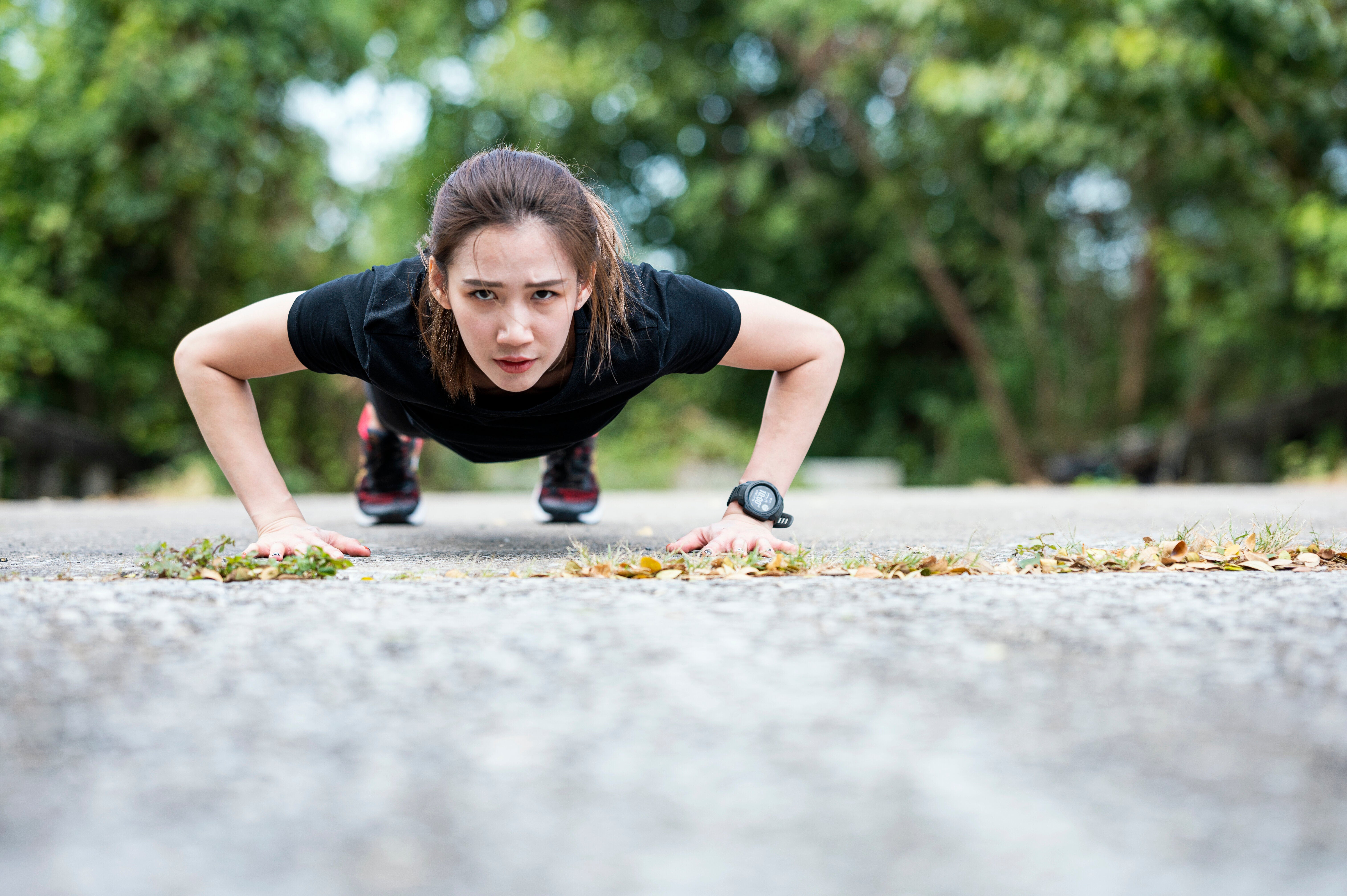
On the episode, podcast guest Dr. Vonda Wright, who is an orthopedic surgeon and longevity expert, shared with Robbins the weekly exercise regimen that all women should follow: It included walking a total of three hours each week (broken up over at least four days), lifting heavy weights at least twice a week, and learning “to lift your own bodyweight” — which according to Wright means all women should be able to do 11 push-ups. Robbins asked if those push-ups can be on your knees, and Wright replied “no.”
The 11 push-up idea quickly caught the attention of women across the country who took to social media to try the challenge. But do all women really need to be able to do 11 push-ups? Or are there better measures of fitness?
Advertisement
Below, trainers share their honest thoughts on this 11 push-up challenge:
No, all women should not be able to do 11 push-ups
According to Katie Gould, thefounder of KG Strong, a strength-training gym in Philadelphia, the idea that all women should be able to do 11 push-ups likely comes from a 2019 study of 1,100 male firefighters that found that men who could do more than 40 push-ups had a lower risk of cardiovascular disease compared to men who could do fewer than 10 push-ups.
“So, these findings aren’t really directly … applicable to women,” Gould noted.
Danielle Repetti, the founder and head coach at Iron and Mettle, a women’s strength training gym in San Francisco, agreed and said the 11 push-up number feels arbitrary.
Gould also questioned how fast people were doing the push-ups, which can make them easier to do, or if they were doing them with resistance, which can make them tougher, and if they even had proper form.
Advertisement
“If you’re doing three super slow push-ups, to me, I would say that that’s an even greater indicator of strength than doing 11 improper form fast push-ups,” Gould said.
“I’ve had clients that can bench press 100, 125 pounds, and they aren’t able to do 11 push-ups on their toes, and that doesn’t mean that they’re not strong, and it doesn’t really mean anything about them as people in a body,” Repetti said.
Both Repetti and Gould said there are many reasons why a fit, strong person can’t do a chest-to-floor push-up. Maybe they just had a baby, have wrist issues, have larger bodies or are older, Repetti said.
Advertisement
“I’m not going to ask them to do a full-range push-up. It doesn’t feel good, it hurts. So that’s not how we’re necessarily going to strengthen their upper body,” said Gould.
“We’re going to do single-arm floor press, or we’re going to do a plank and hold that. There’s so many other exercises that can build your upper body if a full-range hands-on-floor push-up isn’t accessible to you,” Gould noted.
Your strength goals should be personal and should make you feel good
While it’s important to have benchmarks when it comes to bettering your health and fitness, it doesn’t mean one across-the-board benchmark is right for everyone, noted Gould.
Advertisement
“Your personal goals are really going to be the determining factor for what your benchmark should be. Not everybody’s goal is going to be to do 11 push-ups,” Gould said.
“Strength goals should be personalised, and while push-ups are a really valuable measure of upper body and core strength, they’re not the only indicator of fitness, and they’re not a sole indicator of health conditions,” Gould added.
Plus, your strength goal shouldn’t make you feel bad. That will only discourage you from returning to a workout class or personal training session in the future.
Advertisement
“Any time we embark on a strength journey, I think it’s really important to feel good about your body while you’re doing it, and not look at it from the lens of ‘Oh, I failed and that means something about me and my body,’” Repetti added.
An 11 push-up challenge is a fast-track way to feel discouraged if you can’t hit the number.
Everyone expresses strength in different ways, and everyone has different places where they excel and where they struggle, Repetti said.
“If you go and do the push-ups and you can’t do it … I just really want women to know that doesn’t mean anything about you and your own strength,” Repetti noted.
Advertisement
In strength training, you’ll find the movements that you’re great at and not so great at. “It’s important that women don’t think of the push-up as being the end all be all,” Repetti added.
Hiraman via Getty Images
The most important strength training regimen is one you’ll stick to.
But push-ups do have benefits when it comes to healthy aging and building strength
“So, push-ups work pretty much all the muscles in the upper body — chest shoulders, triceps, those are all parts of the horizontal pressing motion, and then push-ups also challenge our core,” Repetti said.
Advertisement
Push-ups benefit your posture, your functional strength, and can help with daily activities like lifting things, pushing things away, pulling yourself up and even boosts your bone density (which is crucial for women as they age and bone density drops), said Gould.
Push-ups can also help you have the strength to push yourself off the ground, whether you’re playing with your grandkids, your pets, or if you fall down, both experts said.
Like all strength training, push-ups can help you continue to do the things you want to do as you get older, such as move around your home, go up and down stairs, even dance.
Advertisement
“How you feel in 50 years is kind of dependent on some of the things you’re doing now,” Repetti said. “We really want to build as much strength as we can so that … we don’t have to be one of those people who are like, ‘Oh, I used to do that, and now I don’t anymore because my body doesn’t feel good when I do that.’”
If you do want to be able to do push-ups, there are steps you can take to get there
So, not being able to do a push-up (let alone 11) on your toes doesn’t mean anything about you or your fitness, but if you do have a goal to be able to do some push-ups, the trainers who spoke with HuffPost have some tips.
For this type of push-up, you’ll want to put your hands on an elevated surface like a bench or box, said Repetti. Or, you can even do it with your hands on your couch.
This way, you’re moving less of your body weight while still maintaining a push-up position. You can also see your progress as you move to lower and lower surfaces, said Gould, “and that is a big thing for me with my clients.”
These modifications allow you to “train the full range of motion and get the most out of learning that movement,” noted Repetti.
Advertisement
“So, once you strengthen some of those muscles, then the push-ups in and of themselves get easier,” Repetti said. “We want to essentially make the movement easier at first, so that our body can learn how to do it, and then slowly and gradually over time, make that movement more and more challenging.”
“I would consider a push-up on your toes one of the more challenging variations of the push-up,” Repetti said ― and noted that you can make a push-up even harder by adding weight.
“But, for most people, I think learning some of the easier variations and then slowly building up to push-ups on your toes is the best way to get better at push-ups,” she said.
Advertisement
And, if you find that you can’t hit 11 push-ups even with some additional training, that’s OK. There are other ways to get strong and stay strong – what matters most is that you find a sustainable strength regimen that makes you feel good and keeps you moving.
BAAPS commented on the study, saying: “The findings underscore the hidden costs and potential risks of bargain procedures abroad, with Turkey emerging as a prominent destination.”
Advertisement
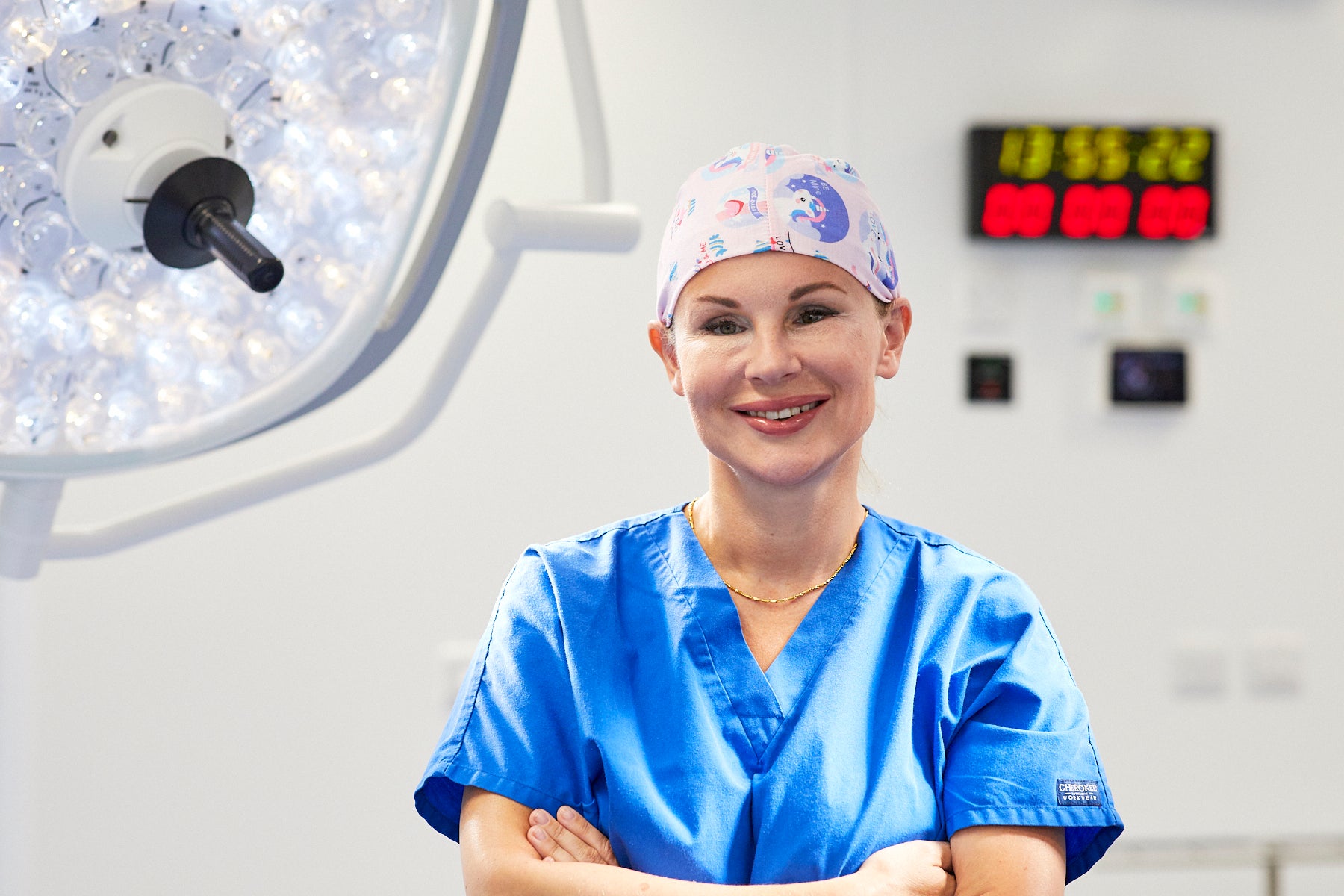
To learn more about this high regret rate and the issues people face when heading abroad for cosmetic surgery, HuffPost UK spoke with leading consultant plastic surgeon Elena Prousskaia.
The results of cheap cosmetic surgery can be harmful to our health
Prousskaia says: “As a consultant plastic surgeon with almost 20 years of experience, I regularly see patients dealing with the consequences of low-cost cosmetic procedures performed overseas.
“Many return home with results that are not only disappointing but, in some cases, medically concerning – requiring urgent or complex revision surgery.”
Advertisement
These complications aren’t simple, either.
The consultant reveals: “The complications I most often treat include infection, poor scarring, asymmetry, and, occasionally, permanent tissue damage.
“Commonly, these are for breast augmentation and body contouring surgery. These outcomes aren’t just bad luck – they’re frequently the result of inadequate preoperative screening, rushed consultations and trying to fit in too many patients.”
Undergoing surgery – cosmetic or not – is no small feat, and Prousskaia warns that doing so right after travelling is not advised: “In some cases, patients undergo surgery within 24 hours of landing, without time to recover from travel or receive thorough medical evaluations.”
Advertisement
Postoperative care is often overlooked, too
Proussakaia says: “When it comes to postoperative care, this can be lacking. This could include not having enough time to properly recuperate before discharge, being given inadequate advice to carry on recovery at home and not being properly schooled about how to spot complications.
“Often, when surgery goes wrong, this is during the aftercare – it is such a critical time to be well supported and informed.”
Getting cosmetic surgery in the UK can be more difficult, but with good reason
In the UK, she reveals, we are held to stringent regulatory standards.
“Surgeons are GMC-registered, facilities are inspected, and patients must be given sufficient time and information to make informed decisions. Overseas, standards vary widely. Some clinics prioritise volume over safety, and patients may not meet their surgeon until the day of surgery.
Advertisement
“Revision surgery is not straightforward. Operating on already-compromised tissue increases the risk of further complications, and the psychological impact – from regret to anxiety – can be profound.”
What to do if you’re considering cosmetic surgery abroad
If you are still considering heading overseas for cosmetic treatment, the surgeon recommends following these steps:
Verify credentials – Your surgeon should be listed on a specialist register, such as the GMC in the UK or equivalent in other countries. Ask about their training and how often they perform the procedure you’re considering.
Ask about aftercare – Safe surgery doesn’t end in the operating room. Make sure you’ll receive proper follow-up care and know what support is available if something goes wrong after you return home.
Take your time – Avoid any clinic that rushes you into surgery. You should have time to ask questions, reflect, and fully understand the risks before committing.
“Cosmetic surgery should never be rushed or treated as a ‘bargain’. It’s still surgery — with all the risks that entails. Always choose safety over savings.”
When Seeley Lutz, a 26-year-old from Alexandria, Virginia, feels overwhelmed — either in a social situation or by all she has to get done — she said she feels like her body starts to shut down.
“I often feel like there’s something heavy sitting atop my chest or blocking my airways, leaving me unable to breathe,” Lutz said. “It truly feels like you’re suffocating even when there’s plenty of oxygen available.”
Advertisement
What she’s experiencing — and what many people experience — is called “air hunger.” John Scott Haldane and James Lorrain Smith coined the term in a 1892 paper. And it’s a common symptom of anxiety, although people rarely talk about how it feels ― or even know that it has a name.
Simply put, air hunger is the feeling that you can’t get enough air. From a medical standpoint, it’s referred to as dyspnea. When anxiety causes it, it’s tied to the “fight or flight” response.
“When we perceive a threat, whether real or imagined, the brain signals the body to enter fight-or-flight mode,” explained Gayle Watts, a clinical psychologist with Turning Tides Psychology. “This activates the sympathetic nervous system, which increases heart rate, tenses muscles and alters breathing patterns.”
Advertisement
To the body, a threat isn’t always as primal or life-threatening as being chased by a bear. It can also be giving a presentation, experiencing a trauma trigger or anything in between.
When your sympathetic nervous system is activated, you may hyperventilate or breathe too quickly or shallowly. That’s where the feeling like you can’t get enough air comes in.
And unfortunately, what may feel instinctual can make matters worse. “Paradoxically, the more we focus on our breathing and try to ‘fix’ it, the more we reinforce the cycle of anxiety and air hunger,” Watts added.
Advertisement
Anxiety and air hunger can become cyclical: You feel anxious, so you experience air hunger, and then struggling to breathe triggers more anxiety. You may then become anxious about, well, feeling anxious, rather than the original threat.
Kyle Elliott, a tech career coach who has anxiety disorders and lives in Santa Barbara, California, has experienced this firsthand. “The stress of the situation caused further anxiety and panic, which only made it seemingly more difficult to breathe,” he said. “I’ve never experienced something so scary before.”
What exactly is behind that? “Anxiety can amplify the perception of breathing difficulties by increasing attention to respiratory sensations, sometimes even when there is no actual physiological distress,” said Harry Cohen, a psychologist and author of ”Be The Sun, Not The Salt.” “The bottom line is that it appears very real to us and feels bad.”
Advertisement
The good news is it won’t last forever. “Air hunger typically subsides relatively quickly,” said Jenelle Thompson-Keene, a licensed professional counsellor with Thriveworks in Champaign, Illinois, specialising in anxiety, coping skills and stress.
If it happens frequently, is intense, or lasts longer than a couple of minutes, or is accompanied by chest pain or nausea, she encouraged seeking help from a professional. Otherwise, the coping skills below should do the trick.
Ekaterina Goncharova via Getty Images
There are a few therapist-backed ways to manage air hunger and your anxiety.
Advertisement
How To Manage Air Hunger
Several physical and mental techniques can calm your body in mere moments. Here are some examples the mental health clinicians shared:
Expose yourself to cold temperatures.
Going outside on a colder day, washing your hands with cold water, taking a cold shower and even dunking your face in a bowl of ice water can calm your anxiety. Thompson-Keene explained it can slow your heart rate. Basically — and at least in the case of dunking your face — you’re triggering the “dive reflex.”
Ground yourself with your senses.
Another way to manage anxiety — and therefore air hunger — is by getting in touch with your five senses with the 5-4-3-2-1 technique.
Advertisement
“Try naming five things you can see, four things you can touch, three things you can hear, two things you can smell and one thing you can taste,” Watts said. “This brings your awareness back to the present moment and helps disrupt anxious thought patterns.”
Change your posture.
Even in comfortable positions and when air hunger isn’t an issue, you may not be able to breathe as well. So, it’s especially important to be mindful of how you’re sitting during an air hunger “attack.”
“Sitting hunched over can create a sense of restriction, making air hunger feel worse,” Watts said. “If you’re struggling with breathlessness, try sitting up straight or standing and rolling your shoulders back to open up your chest.”
Advertisement
Do a breathing exercise or technique.
As Watts mentioned, people may try to take deeper breaths when they’re experiencing air hunger — it’s only instinctual. And it can make symptoms worse.
“Instead, slowing your breathing and focusing on a structured pattern can help rebalance oxygen and carbon dioxide levels,” she said.
Watts encouraged the 4-7-8 technique: Inhale through your nose for four seconds, hold your breath for seven seconds, then exhale slowly through your mouth for eight seconds.
Advertisement
“This helps activate the parasympathetic nervous system, which signals to your body that you are safe and can relax,” Watts added.
Cohen also suggested controlled breathing exercises, such as diaphragmatic breathing. Essentially, that technique is about taking deep breaths, feeling your stomach rise as you inhale and sink as you exhale.
“Studies show that focusing on breath patterns enhances respiratory stability and reduces the unpredictability that often fuels panic,” he said.
Advertisement
Try cognitive reframing.
This cognitive behavioural therapy (CBT) skill encourages changing your perspective to be more realistic and helpful.
In the case of air hunger, it might look like this: “Air hunger is a perception, not a true lack of oxygen.”
“By understanding the role of the brain in amplifying sensations, people can learn to reinterpret the experience as non-threatening, reducing the emotional distress associated with it,” Cohen explained.
Advertisement
Repeat a positive mantra.
One Thompson-Keene suggested was “I’m safe and this will pass.”
She added, “It is a way to help ground your mind and body in the present moment.”
Practice mindfulness-based stress reduction.
This toolkit is similar to some of the other tips. In practice, it might look like breath awareness, body scans and mindful movement.
Its usefulness is research-backed, too. Cohen said it “has been shown to decrease anxiety by improving one’s ability to interpret bodily sensations accurately, reducing the tendency to catastrophise normal fluctuations in breathing.”
Further, a study in JAMA Psychiatry found it as effective as the gold-standard drug, escitalopram, for patients with anxiety disorders.
Advertisement
Give yourself a ‘butterfly hug.’
This technique incorporates breathing and cross-body tapping, Thompson-Keene said, which many find helpful. She shared this YouTube video that explains how to do it. In short, put your left hand on your right arm and vice versa. Then, tap your arms, focus on breathing, and repeat positive mantras to yourself.
Lutz is a fan of this one. “I’ve found that butterfly hugs sometimes help with this feeling, which is great,” she said.
Whichever tip you use, and however long it takes to work, remember you will survive this, too.
“In a very short period of time, you should be feeling much better,” Cohen said. “Remember, what you’re feeling does feel unpleasant, but it will soon pass.”