How To Safely Remove ‘Skin Tags’ At Home, According To Experts

Just so you know, HuffPost UK may collect a share of sales or other compensation from the links on this page if you decide to shop from them. Oh, and FYI — prices are accurate and items in stock as of time of publication.

It’s likely you’ve never heard of ​​acrochordons, but you’ve probably dealt with them. In fact, they’re so common that over 50% of adults will experience them at least once in their lifetime. Better known as skin tags, acrochordons are small growths of extra skin that, while harmless, are no one’s favourite feature.

Health care costs are higher than ever and skin tag removal typically isn’t covered by insurance, since it’s an unnecessary procedure. These days, there are a wide array of skin tag removal products you can purchase to cut these costs considerably ― but, ew? Is that such a great idea? Just how safe are these treatments, and is skin tag removal better left to the professionals?

Doctors’ thoughts on skin tag removal may surprise you

“Do you need to go to your doctor every time you have a skin tag you want removed? Not always,” says Dr. Jaimie DeRosa, a board-certified facial plastic surgeon and founder of DeRosa Center Plastic Surgery & Med Spa in Boston. “When I was little, I remember my dad (who was a doctor) pulling his skin tags and snipping them off.”

Thankfully, there are less extreme at-home treatment options today. While none of the medical professionals love the idea of at-home skin tag removal, they do have some safer at-home ideas to try. However, there was one caveat.

“If the lesion is large or is causing pain, bleeding or discomfort, it should be removed by a healthcare provider,” says Dr. Alexander Zuriarrain, a board-certified plastic surgeon with Zuri Plastic Surgery in Miami. When in doubt, he stresses, please see your doctor.

For an idea of what skin tags look like, think about the growths on these potatoes.

Catherine Falls Commercial via Getty Images

For an idea of what skin tags look like, think about the growths on these potatoes.

If these characteristics do not apply to your skin tags, then you can consider trying these DIY recommendations below.

The household remedies that people often try

First, let’s address some of the household remedies that friends may have suggested to you. While the ones listed here are safe to try, keep in mind there are no studies that prove they actually work.

“A natural remedy that a patient introduced to me is using banana peel on skin tags. It is unknown what chemicals are in the banana peel that helps with skin tags,” says Dr. Elaine F. Kung, a board-certified dermatologist based out of New York City and founder of Future Bright Dermatology. “It has been postulated that there are antioxidants and enzymes that may be helpful.”

Nandi Wagner, the lead aesthetician at Gilded Ritual, a high-end salon in New York City, is familiar with this method, too. “Some homeopathic remedies for skin tags include applying small amounts of diluted tea tree oil, apple cider vinegar or even banana peels to the skin tag,” Wagner says.

DeRosa had similar advice and also suggested crushed garlic may work. She explains how to try this remedy at home: “For any of these topical treatments, wash the skin tag and surrounding area, then apply the topical of your choice to the tag, and cover with a bandage overnight. Repeat this treatment until the skin tag dries out and falls off, and stop its use if the area becomes irritated.”

But if you want a solution that’s more proven, keep reading.

Lotions with acid

For tiny, just barely noticeable skin tags, you can try using a lotion with keratolytic ingredients over several months. In other words, lotions with AHA, BHA (salicylic acid), or lactic acid may help chemically ‘exfoliate’ the tiny little tags,” Kung suggested.

Check your medicine cabinet, as it’s possible you have products with these ingredients at home.

At-home ligation

A somewhat scarier option is to cut off the skin tag’s blood source by tying up the base of your skin tag, a process known as ligation. This will take a few days, but it’s a common method for at-home removal. While this procedure may be somewhat uncomfortable, it should not be painful. If it is, that’s a good sign to visit your doctor for removal instead.

“Ligation is another method to remove unwanted skin tags. Ligation works by cutting off the blood flow to the skin tag, causing it to fall off,” Wagner says. ”There are several [over-the-counter] ligation pens that deploy a small silicone band around the base of the skin tag, cutting off its circulation. After about five days, the skin tag generally will dry up and fall off.”

There are numerous ligation tools available online. One of the highest-rated ligation kits on Amazon is this Tag Band Micro Skin Tag Removal Kit, with a rating of 4 stars from more than 12,000 reviews.

Freezing them off

The “most effective and safest way” to remove skin tags, in DeRosa’s opinion, is with cryotherapy. “Cryotherapy is the use of a super-cold gas (nitrogen is the most commonly used) to essentially shrink and kill the blood supply to the skin tag. At-home cryotherapy kits vary, so just look for those that can get you the coldest settings,” DeRosa explains. This means around -15 to -50°C

DeRosa suggests Compound W Nitrofreeze, even though its original intended for wart removal. She said it gets cold enough for skin tag removal. And she means cold – the freezing temps this pen produces can lead to some initial stinging and burning during treatment. Also available on Amazon is Cryotag Skin Tag Remover, which has 11,457 reviews and a 4 star rating.

Share Button

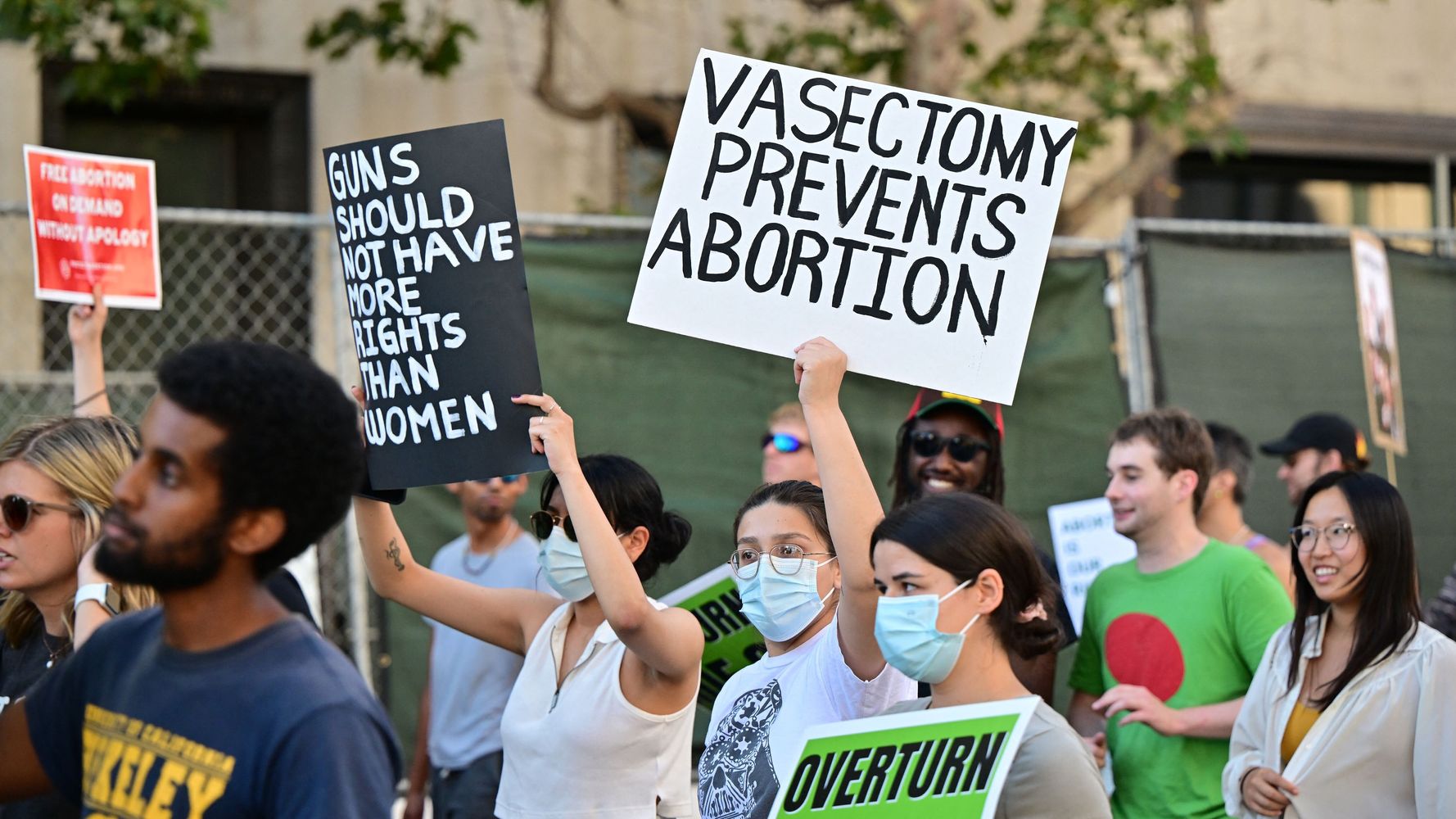
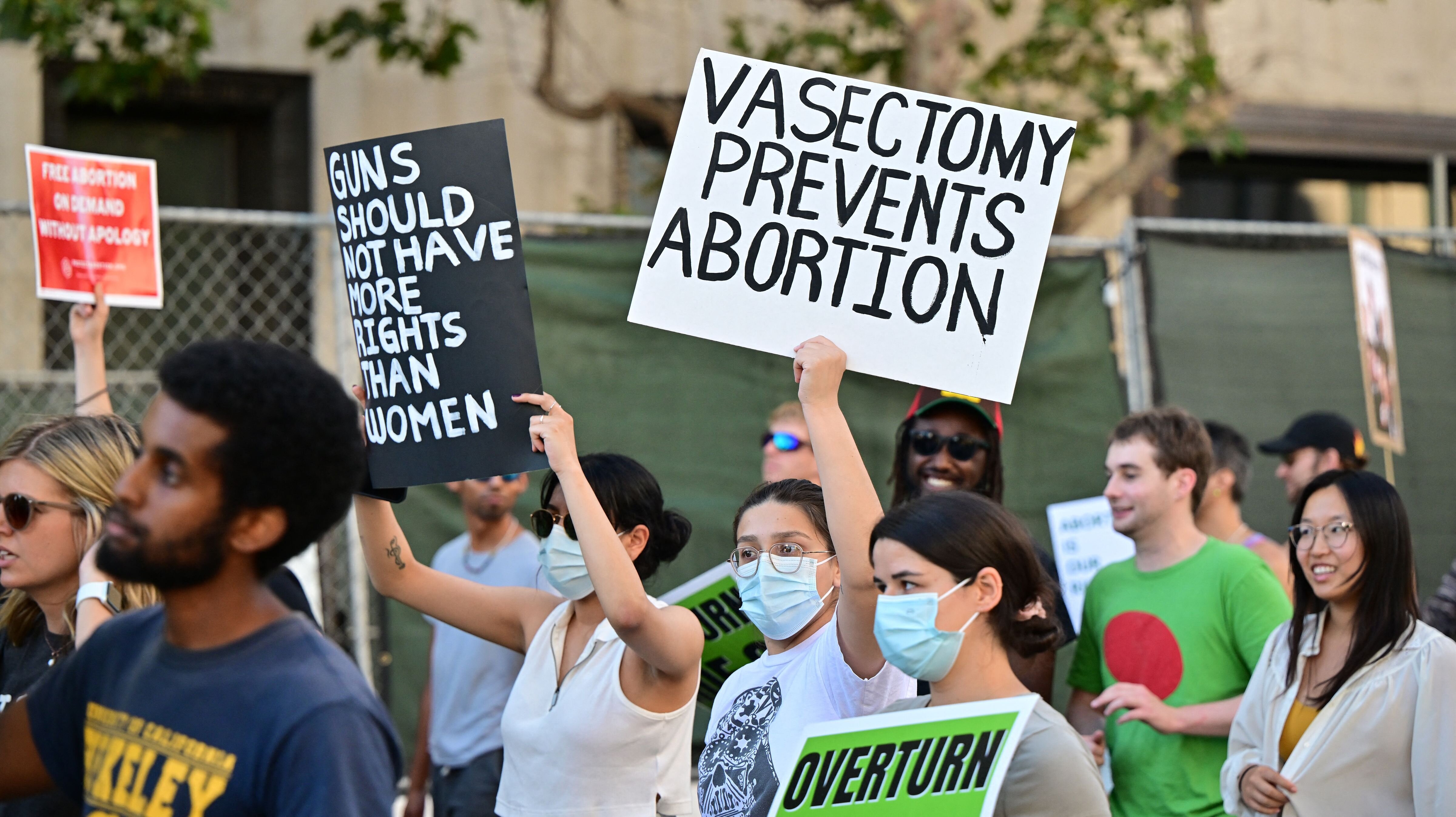
No, Telling Men To Get Vasectomies Is Not The Answer Right Now

Since news of the overturning of Roe V Wade broke on Friday, ending the constitutional right to abortion in the US after almost half a century, abortion rights activists have galvanised, and social media efforts have amplified.

You may have seen posts alluding to the fact that a woman can only foster one full pregnancy a year, while a man can impregnate multiple people in a day, should he have the opportunity. And the solution often suggested: vasectomy, the surgical procedure that cuts or seals the tubes that carry a man’s sperm.

Amid so much anger around the policing of women’s bodies, the impulse to suggest that men’s bodies should also be policed is understandable.

In a world of reduced abortion access, where women are left either to manage birth control or carry their babies to full term, people are once again suggesting we shift the onus to men in the form of mandatory vasectomies.

In fact, this view has been circulating on social media for a while now. And while many people are probably not being literal in their calls for vasectomies, it speaks to the widespread rage over moves to control bodily autonomy.

However, many people are pointing out the flaws in the argument.

Vasectomies aren’t an ‘alternative’ to abortion

This suggestion has basic logistical failings, as PHD researcher Georgia Grainger, from the Centre for the Social History of Health and Healthcare in Glasgow, has pointed out in a Twitter thread.

As a historian of vasectomies, Grainger, aka @sniphist on Twitter, stresses that the procedure is not an alternative to abortion.

This is because women will still need terminations, she says, both of wanted and unwanted pregnancies, regardless of vasectomies and other forms of birth control.

Nor are vasectomies a failsafe form of birth control – and when in rare cases they do fail, it’s not usually obvious until the pregnancy is identified, she says.

In her thread, Grainger also highlights that even if someone had insisted they’d had the surgery, could you trust that they really had?

Especially, in the case of abusive relationships or sexual assault, why would someone who doesn’t respect consent take up an invasive surgery for the benefit of someone else?

Forced sterilisations are deeply problematic

Grainger stresses this important historical point. Forced sterilisations have been trialled as several points during history and they enforce eugenics, she says. The policy has predominantly been targeted at minority groups to stop them from procreating.

In US history, indigenous Americans, Black and Latinx people, incarcerated peoples, and poor communities endured forced sterilisations.

These groups were targeted throughout the 20th century, with nearly 70,000 people forcibly sterilised (and not just men, an overwhelming amount were working-class women of colour).

Germany also has a history of coercive sterilisation, having sterilised disabled people, institutionalised people, and even alcoholics. In Nazi Germany, the Hereditary Health Court also known as the Genetic Health Court, was a court that decided whether people should be forcibly sterilised.

Grainger is not the only one to point out these troubling historical precedents.

Bodily autonomy for all, not some

People have also pointed out that if we want better rights and autonomy for women and people who can get pregnant, this has to mean protecting these rights for everybody

Do we really want men to face the same bodily scrutiny applied to women – and for men who chose not to go through the procedure to be vilified?

Nor does the vasectomy vs abortion binary do much for trans and nonbinary people who also need access to abortions, and are often excluded from discussions of these human rights.

As the debate continues, Grainger’s insights have gone viral on Twitter, amassing more than 75,000 likes.

But, as she pointed out in her own thread, she is still pro-vasectomy, as long as they’re for the right reasons and for people who genuinely want them.

Ultimately, we shouldn’t pit vasectomies against abortions, she says. Abortions will always be needed, whether because the pregnancy is failing, the pregnant person is at risk, because there wasn’t consent to the sex in the first place, or simply because the pregnant person doesn’t want children.

So next time you see calls for mandatory vasectomies or are temped to make one yourself, remember that it’s not as straightforward as it seems.

Share Button

Why You Might Be Asked To Travel Across The Country For Surgery

People who remain on the waiting list for health treatments are being asked whether they are prepared to travel to receive treatment.

NHS England is set to “virtually eliminate” the list of those who have waited more than two years for treatment, the chief executive has said, as patients are given the option to be treated more quickly at hospitals in different parts of the country.

Of course, this plan will do little to help those without access to transport, those who need to juggle healthcare alongside care responsibilities, and those on zero hours contracts or self-employed, who need to take limited time off work to avoid pay losses.

The number who have waited for two years or more to receive treatment has fallen from a peak of 22,500 in January to 6,700, after the Covid-19 pandemic caused waiting lists to mount.

People who remain on the waiting list are being asked whether they are prepared to travel to receive treatment. More than 400 have agreed, with 140 booked in for surgery at a different hospital.

NHS chief executive Amanda Pritchard said: “As part of the biggest and most ambitious catch-up programme in NHS history, staff are now on track to virtually eliminate two-year waiters by the end of July.

“But the NHS will not stop here, from delivering one million tests and checks through our newly rolled-out community diagnostic centres to new state-of-the-art same-day hip replacements, staff are constantly looking for new and innovative ways to treat patients quicker, especially those who have been waiting a long time.”

The NHS has said it will cover travel and accommodation costs to patients “where appropriate”.

Three patients who had been waiting to receive treatment at University Hospitals of Derby and Burton NHS Foundation Trust went on to receive treatment at Northumbria Healthcare Foundation Trust more than 100 miles away, with a further two booked in.

Meanwhile, South West London Elective Orthopaedic Centre has treated 17 patients from the South West of England, and a further 11 are expected to receive treatment in the coming weeks.

Patients who opt to wait longer, or patients in highly-specialised areas that may require a tailored plan, however, will not necessarily have been treated by the end of July, the NHS warns.

The fall in waiting list numbers comes after the busiest ever May for emergency care, with 2.2 million A&E visits and almost 78,000 of the most urgent ambulance call-outs.

Pritchard added: “One of the benefits of the NHS is that hospitals can work together to bring Covid backlogs down together and so if people can and want to be treated quicker elsewhere in the country, NHS staff are ensuring that it can happen.

“Once again, NHS staff are demonstrating the agility, resilience and compassion that shows when they are given the tools and resources they need, they deliver for our patients.”

Health Secretary Sajid Javid said: “Innovations like this are helping to tackle waiting lists and speed up access to treatment, backed by record investment, and there are over 90 community diagnostic centres delivering over one million checks and scans in the last year.”

Saffron Cordery, interim chief executive of the NHS Providers organisation, said the health service is “nearing the target” of clearing the backlog of all people who have been waiting for more than two years for hospital care.

She told BBC Breakfast: “The NHS is doing incredibly well and we are seeing those figures coming down significantly week by week. I never like to say ‘Yes, it will definitely happen’, but I think it’s testament to the hard work of trust leaders up and down the country that that we are nearing that point.”

Asked abut the call for more nurses, she said: “We’ve known for a very long time that workforce is a significant challenge.

“I think one of the things we have to remember is that the challenges we are facing now, post-pandemic, were there before the pandemic and the pandemic has simply exacerbated them.

“So we’ve got funding challenges that have come from a decade’s worth of a funding squeeze; demand was already going up before the pandemic; we had challenges in terms of social care which we’ve got now and they are increasing significantly.

“But we’ve also got this workforce shortage, which is incredibly serious.

“We’ve called on the Government to establish a fully funded and costed long-term workforce plan so we can sort this out once and for all but we know there are big challenges there across the nursing workforce, across the doctor workforce and other parts of the NHS staffing structure.”

Share Button

6 Things People Leave Behind At Festivals (And Really, Really Shouldn’t)

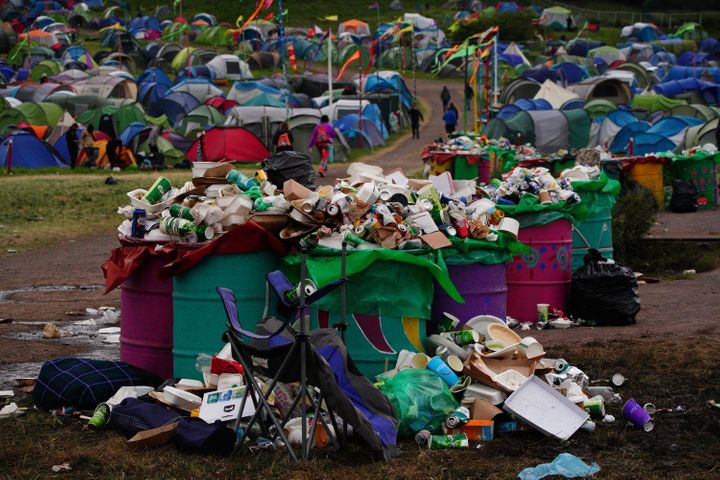
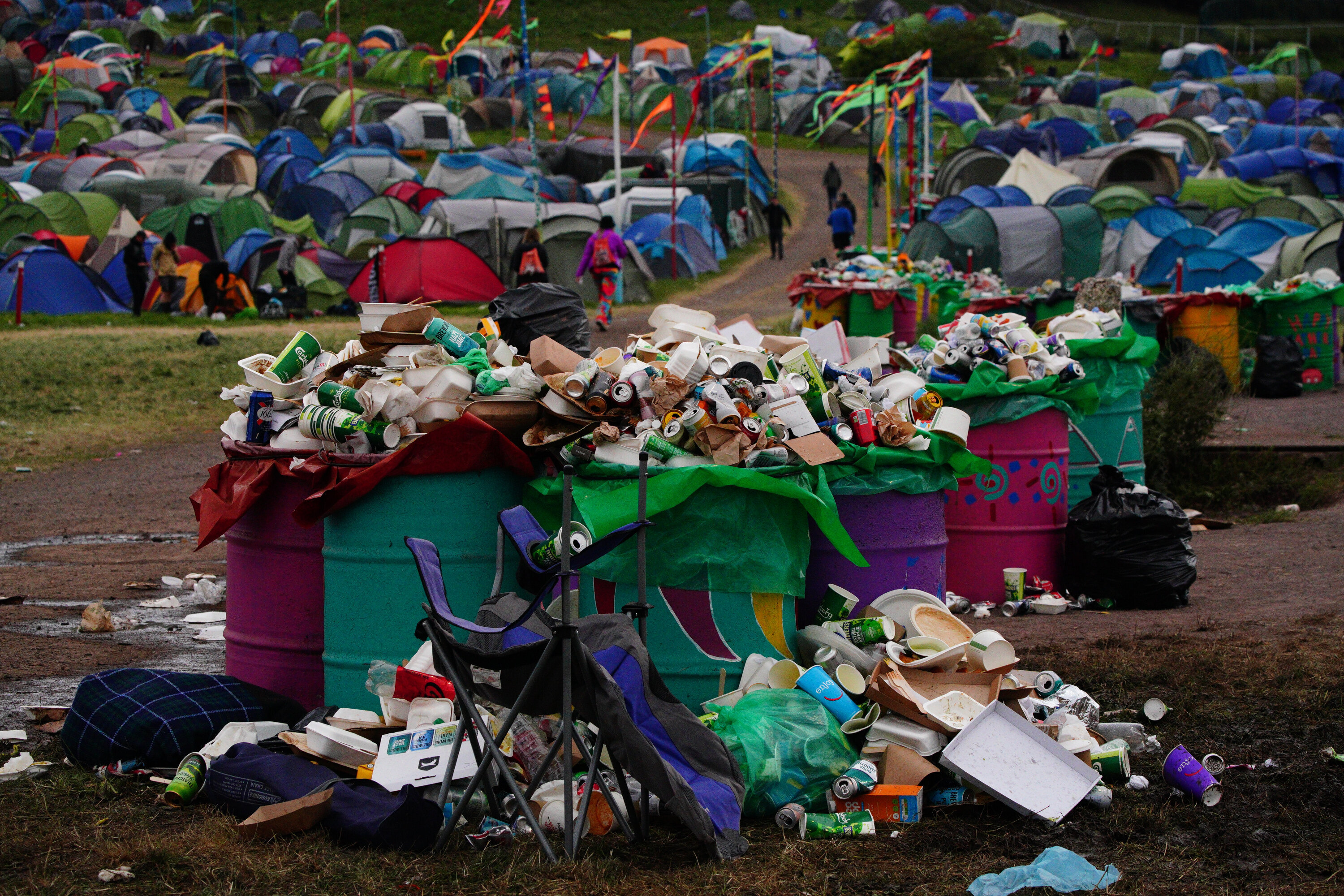
Glastonbury is over, but the big cleanup has just begun. Collecting waste abandoned by festival-goers has taken between four and six weeks in previous years.

Now, a new survey has revealed the items people are most likely to leave behind, lose or break at festivals, despite 81% of people saying they think festivals generate too much waste, and 89% claiming they want to be more responsible.

Over half (58%) of those surveyed by gifgaf said they have left, lost or broken something at a festival before. The most common items are:

The findings also show that waste isn’t confined to what’s left behind on the site, with 79% of festival-goers buying new items ahead of the festival season. New outfits and wellies come top of the ‘must have’ list, with 49% and 41% respectively making the purchases. Around one in three (30%) buy a new tent and 15% also pick up a spare phone.

But festival organisers say they’re doing their bit to encourage environmentally-friendly habits. Glastonbury has launched the Love Worthy Farm, Leave No Trace campaign, for example, urging ticket holders not to pack anything they won’t be taking home with them again.

“There are now 15,000 very well signposted and beautifully painted bins (colour-coded for recycled and other rubbish) virtually everywhere on site for your rubbish,” the festival organisers say on their website.

“As you enter the site, stewards will hand you a green bag for recyclables and a clear bag for general waste – please help us look after the land by correctly filling them up as you go!”

In 2019 – the last pre-pandemic festival – organiser Emily Eavis said on Instagram that “93.3% of all tents were taken home”, calling it a “massive improvement” on previous years.

Waste left by festival goers waiting to be cleared at Worthy Farm on the Monday after Glastonbury Festival.

Ben Birchall via PA Wire/PA Images

Waste left by festival goers waiting to be cleared at Worthy Farm on the Monday after Glastonbury Festival.

The Association of Independent Festivals (AIF), a membership body for 60 independent festivals including Boardmasters, Boomtown and Kendal Calling, previously called on people to take their tents home with them.

The AIF said it wants to reduce the estimated 250,000 tents that are left at music festivals across the UK every year – most of which aren’t collected by charities and can’t be recycled, meaning they end up in landfill.

The average tent weighs 3.5kg and is mostly made of plastic – the equivalent of 8,750 straws or 250 pint cups, the AIF said.

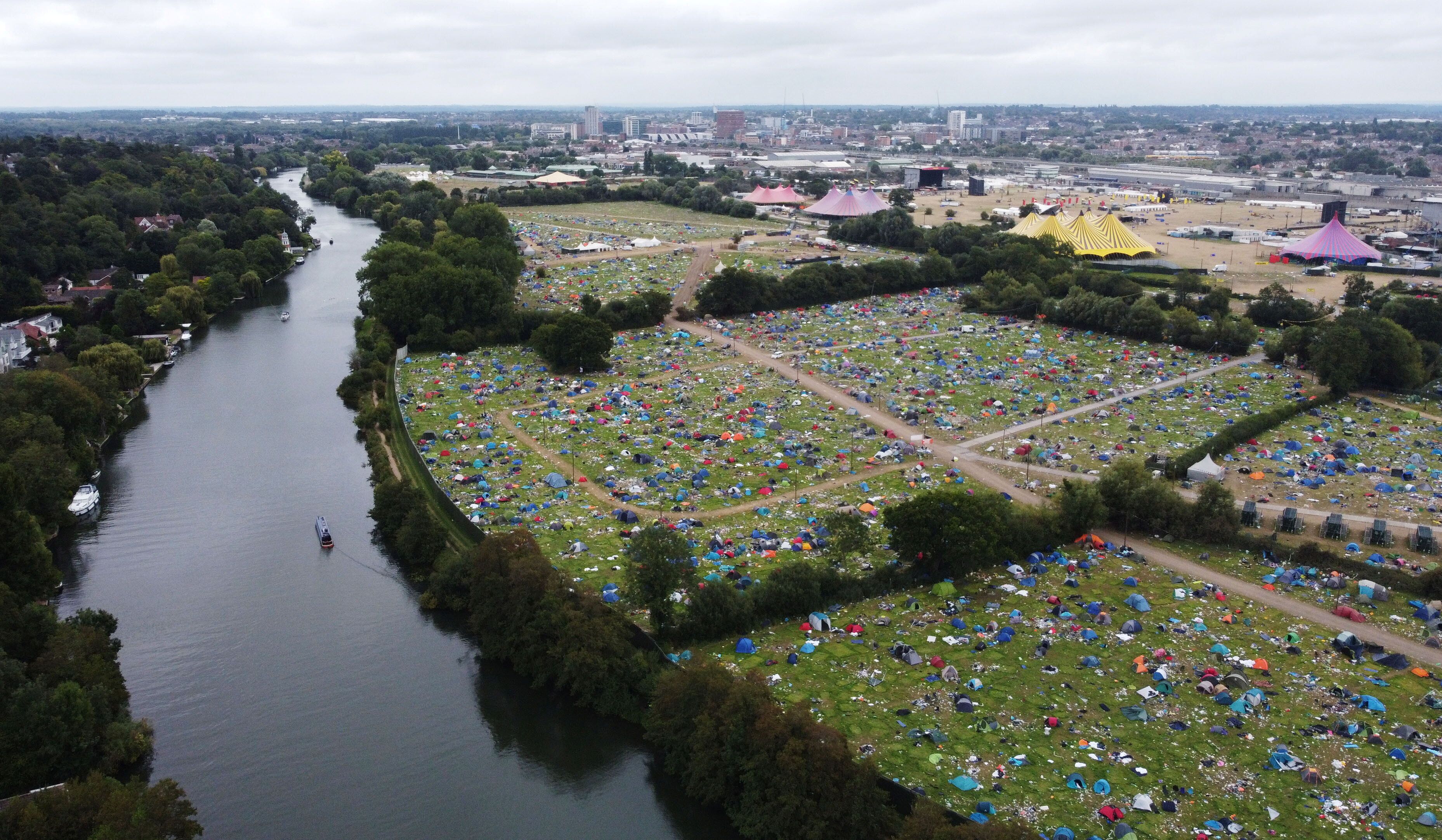
In 2021, photos showed the mass waste left behind by revellers at Reading Festival. After seeing the images, Clean Up Britain founder John Read said: “Leaving behind tents seems like self-indulgent, first world and lazy behaviour.”

Abandoned tents at the Reading Festival campsite after the event in August 2021.

Matthew Childs via Reuters

Abandoned tents at the Reading Festival campsite after the event in August 2021.

He continued: “All of us must become more aware of the need to protect and cherish the environment. Dumping perfectly good tents runs contrary to this. Festival organisers need to get more socially responsible too, and insist on festival goers taking tents home with them.

“Some sort of deposit return scheme is required, but they have been very slow to act on this.”

Charities such as New Beginnings in Reading collect some of the abandoned tents and donate them to the homeless community, according to Berkshire Live.

Lily Robbins, the Reading festival’s sustainability manager, said: “We have loads of different teams working together this year to actually get the site back to what it was looking like before we arrived.

She added the clear up “always takes time, because we want to do it properly”.

Share Button

How To Check If You (Or Your Children) Have Had The Polio Vaccine

Polio, which was officially eradicated in the UK in 2003, can cause paralysis in rare cases and can be life-threatening. Public health officials have declared a national incident while the latest traces are being investigated.

Polio is caused by a virus that spreads easily when an infected person coughs or sneezes, according to the NHS. It can also be caught from food or water that’s been in contact with the poo of someone who has the virus.

So far, it’s unclear how many people may be affected by the new outbreak, but being fully vaccinated will protect you. Here’s how to check if you (and your kids) are up to date with jabs.

When do people usually receive the polio vaccine?

The polio vaccine is given on the NHS when a child is eight, 12 and 16 weeks old as part of the 6-in-1 vaccine. It is given again at three years and four months old as part of the 4-in-1 (DTaP/IPV) pre-school booster, and at 14 as part of the 3-in-1 (Td/IPV) teenage booster. The teenage vaccine is given routinely in secondary schools.

All of these vaccines need to have been given for a person to be fully vaccinated, though babies who have had two or three doses will have substantial protection.

Latest figures show that by the age of two in the UK, almost 95% of children have had the correct number of doses. However, this drops to just under 90% in London. When it comes to the pre-school booster, just 71% of children in London have had it by the age of five.

How to check if you’ve had the polio vaccine

All immunisation records are linked to your unique NHS number, which is assigned to you at birth.

You may be able to see your full health records (including your immunisation history) via the NHS app or NHS online portal, if you’ve already registered for full online access.

You’ll need to register with your GP surgery for online access to see your full record. If you only downloaded the NHS app to see your Covid travel pass, for example, the basic profile only shows your Covid vaccines, medicines and allergies – not your full medical history.

There’s a portal on the NHS website which details further instructions on how to register for full online access to your records. But something to note: this service works alongside GP surgeries and is not yet available in all areas of the UK.

If you’re having trouble accessing your records online, or your surgery does not offer this service, you’ll need to contact your GP to enquire about your polio records via email or telephone.

A polio vaccine will not be labelled as ‘polio’

When you do access your records, don’t panic: a polio vaccine is rarely labelled with the name ‘polio’.

On Twitter, GP and broadcaster Dr Ellie Cannon shared the labels to look out for:

Share Button

I Tried TikTok’s ‘Pressure Points’ Sleep Hack To Nod Off In Seconds

Sleep, O sweet sleep, where art thou? Some nights it’s impossible to doze off, all the world’s thoughts heavy on your eyelids.

So whenever I see a trick or vital TikTok that promises a hack to make you fall asleep instantly, I’m hooked.

This week, I came across a content creator who goes by @YoungerYouDoc, teaching people “how to become the youngest version of themselves”.

In one video, he demonstrates how rubbing your wrists for two to three minutes can help you nod off. This is because a spot on your wrist provides one of several pressure points for sleep, according to reflexologists.

“There are four acupressure points starting at the pinky side of the wrist crease and moving up the inner forearm,” Dr Shari Auth, chief healing officer and co-founder of WTHN, told Bustle.

“They are good for insomnia and are excellent to rub at bedtime. These points are commonly used by acupuncturists to treat sleep, palpitations, and mental health issues such as depression and anxiety.”

So, for the last two nights I’ve tried the trick to see how it affects me. And unfortunately, it didn’t help at all.

Perhaps I had the wrong point (I watched a video about pressure points and it seems I did rub the suggested area). But what stopped me from falling into a slumber was being conscious that I was rubbing my wrist.

Before I fall asleep I like to be as still as possible, so I think for me it felt unnatural to keep rubbing for a few minutes.

I also switched hands in case one wrist was more effective than the other. But after doing it for a while, my wrist started getting warm and I decided to give up.

I also didn’t sleep very well and it took me longer to fall asleep than it would usually (though that might be unrelated).

As far as sleep hacks go, I prefer content creator Justin Agustin’s method.

In another viral video, he explained how his two-minute method was adopted by military personnel who often sleep in rough conditions.

It consists of incrementally relaxing your body, then imagining a warm light travelling through your body, while focussing on your breathing. Then you clear your mind of all stresses.

To do this, Agustin advises imagining one of two scenarios; the first is lying in a canoe in a calm clear lake, with a blue sky above you. The other is lying in a velvet black hammock under a pitch black sky.

Any time your thoughts try to distract you, repeat the words ‘don’t think’ 10 times.

Sounds simple enough, right? Well, Agustin explains, you’d need to do this every day for six weeks to see it work effectively enough to fall asleep within two minutes.

It might sound tedious, but it might be worth it in the long run.

Share Button

Monkeypox Vaccine: Who Will Soon Be Offered A Jab?

People who are at highest risk of catching the monkeypox virus will soon be offered a vaccine in an effort to reduce transmission.

The UK’s Health Security Agency (UKHSA) has revealed that some men who have sex with men will soon be offered the Imvanex jab – originally designed to treat smallpox – to curb the largest recent outbreak outside of Africa.

Here’s why.

Who is at high risk and why?

Monkeypox is not sexually transmitted, but can be passed on through close contact which is why it has become associated with sex.

The World Health Organisation (WHO) believes that the outbreak stemmed from sexual activity by men at raves in Spain and Belgium.

More than 99% of the current 793 reported UK cases are among men, most of whom identify as gay or bisexual.

Anyone – regardless of sexual orientation – is at risk of contracting the virus if they are in close contact with someone infected with monkeypox, or infected clothing or bedsheets.

But, men who have sex with men and who have multiple partners are considered at the highest risk – this includes those who take part in group sex, or go to venues where sex occurs on the premises – due to the origins of this particular outbreak.

The agency said data suggests there are higher levels of transmission “within, but not exclusive to, the sexual networks of gay, bisexual and other men who have sex with men”.

UKHSA’s head of immunisation Dr Mary Ramsay said: “By expanding the vaccine offer to those at higher risk, we hope to break chains of transmission and help contain the outbreak.”

Is this the first group to be offered the vaccine?

No – vaccines were offered to health workers who look after monkeypox patients as well as cleaners disinfecting areas which may have been exposed to the virus.

Close contacts of confirmed cases were also offered the vaccine.

NHS England will soon provide more details about how those who are eligible can receive a jab, although people are advised not to approach the NHS until contacted.

Vaccines have never been used in Africa to impact monkeypox, even though it is endemic in some countries.

It’s also worth noting that this vaccine is not designed specifically for monkeypox. Although Imvanex was used to eradicate smallpox worldwide, it has been found to be 85% effective against this current virus.

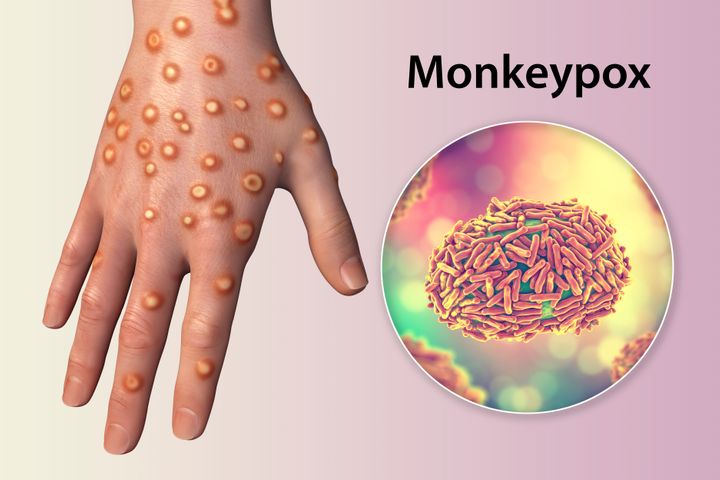
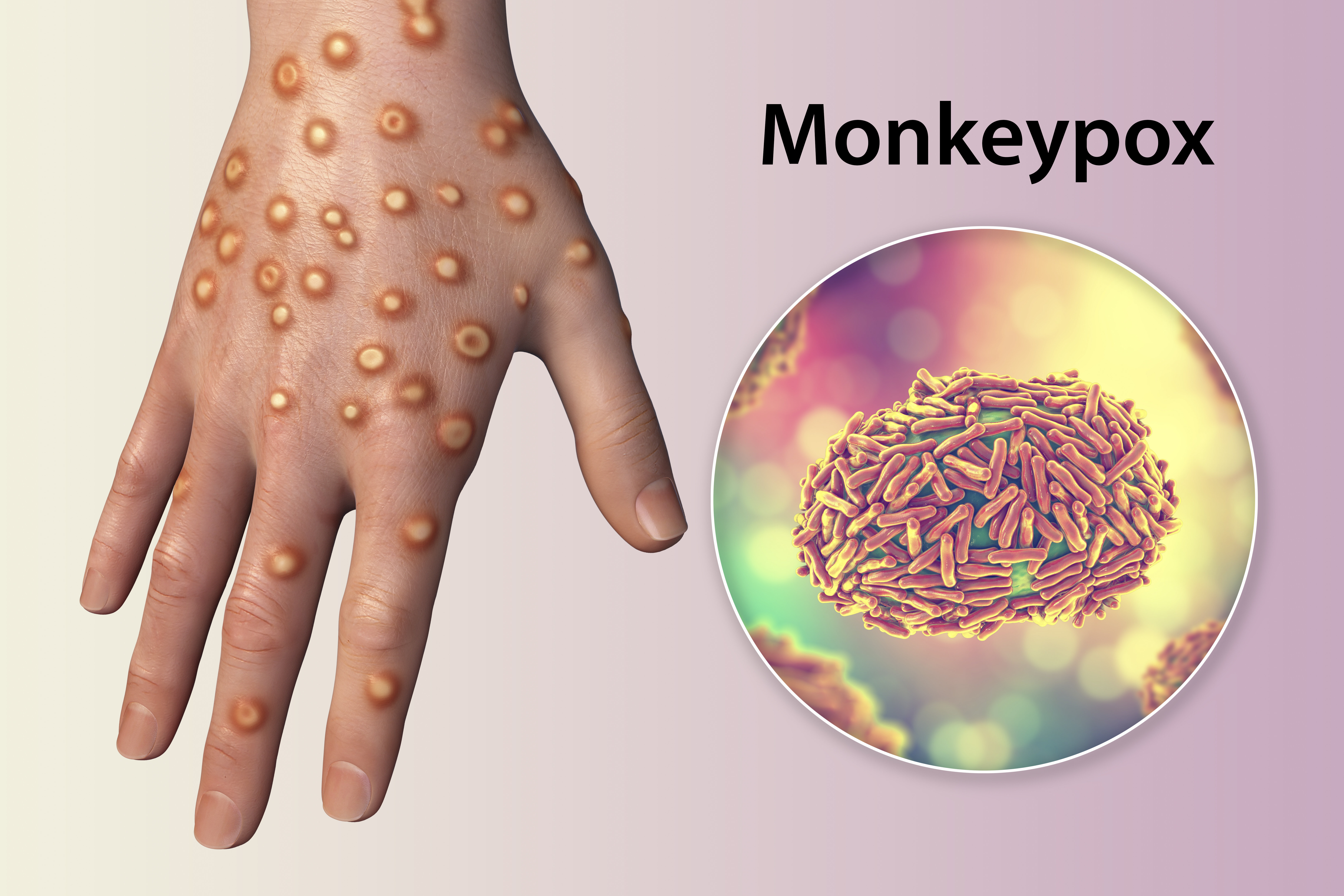
Hand of a patient with monkeypox infection and close-up view of monkeypox virus particles, computer illustration

KATERYNA KON/SCIENCE PHOTO LIBRARY via Getty Images

Hand of a patient with monkeypox infection and close-up view of monkeypox virus particles, computer illustration

Does this news mean there’s cause for concern?

Well, it’s unclear at the moment.

No deaths outside of Africa have yet been reported from this outbreak, although confirmed cases have suffered from fever, swollen glands and a rash which develops into fluid-filled lumps.

There are currently 793 cases in the UK out of more than 2,100 cases around the world – far lower numbers compared to when the Covid vaccine rollout first began.

However, the Joint Committee on Vaccinations and Immunisations (JCVI) supported the decision to start handing out the smallpox vaccine. This panel advised the government to start its vaccination programme for Covid last year.

The WHO has described the outbreak outside of the continent as “unusual and concerning”, and is considering declaring it a global emergency.

Dr Ramsay warned: “Although most cases are mild, severe illness can occur in some people, so it is important we use the available vaccine to target groups where spread is ongoing.”

Professor Paul Hunter from University of East Anglia’s school of medicine also told Sky News that vaccination was “the right thing to do”.

He added: “What we have seen with monkeypox is a significant and continuing increase of the second wave despite control measures having been in place for a few weeks.

“So it is certainly looking like the current strategy of ring vaccination is not working.

“This is probably down to difficulties in identifying cases and their contacts rapidly enough, possibly due to stigma.”

He suggested that “we should be ready to start offering the vaccine to female sex workers” as well, because the virus does not discriminate by sexual orientation or sex.

The WHO has also called for the virus to be renamed after experts appealed for a “non-discriminatory” alternative.

If you think you have monkeypox…

You’ll have to do a PCR test similar to the Covid test. For monkeypox, it involves three swabs, two for the skin, and a throat swab.

You are still allowed to travel on public transport if you suspect you’ve caught the virus, but wear a mask and cover any lesions.

If you need to isolate, do not share a bathroom if you can avoid it and isolate in one room. Make sure not to share bedding or towels, avoid contact with your pets and have no sexual contact.

Try to avoid other communal spaces, too, such as the kitchen.

Share Button

This Is The Exact Age Your Hangovers Become Hell, Apparently

Remember being 21, drinking whatever you could get your hands on (i.e the cheapest booze) with nary but a piece of toast to line your stomach? And somehow the next morning, you were still fine to make it to uni, or work, or just a day of youthful hedonism?

Well yeah, at some point that changes and out comes the hangover from hell to humble you.

There’s something about getting older that makes you more likely to experience the dreaded hangover sickness – headaches, a raging stomach, nausea, and other fun things.

And now, researchers have put a number on when you’re most likely to feel rough. And sorry 34-year-olds, it’s not looking good.

Greeting cards company Thortful carried out a survey of 2,000 people and found that post 34, you’re likely to start getting raging hangovers. And after 35, the dreaded after effects of drinking seem to last two days.

The survey found that we only start realising our boozy limits at age 37, while a year later is when people feel ‘too old’ to go out-out.

You’d think that as we get older, and thus more acclimatised to drinking, our bodies would be used to it. But actually it’s kind of the opposite.

“This means there are more toxins in our bodies for longer as they’re broken down more slowly into carbon dioxide and water,” Booker previously told HuffPost UK.

But before it can get to the CO2 and water stage, alcohol is broken down by the liver into a number of different substances, including the compound acetaldehyde. Dr Niall Campbell, consultant psychiatrist at Priory’s Roehampton Hospital, explained that as we age, our ability to metabolise acetaldehyde is reduced.

“That’s what you can smell on a heavy drinker’s breath the morning after the night before,” he said. “High acetaldehyde levels in heavy, steady drinkers is increasingly implicated in causing cancer.”

To add insult to injury, we’re just not fit as we once were. “More body fat and less muscle make the alcohol we consume more concentrated in the body, leading to dehydration and worsening the dreaded hangover,” Booker said.

After your mid-twenties it takes the body longer to recover from anything due to increasing levels of inflammation and chronic diseases, which your immune system and liver are busy fighting, said Dr Campbell.

You’re also more likely to be taking prescription medication as you get older. “These medicines can alter the way your body breaks down alcohol, leaving you with a worse hangover,” he said

Booker recommends drinking more water before, during and after boozing to limit the effects of alcohol as we age. But of course, the only way to truly avoid a hangover (and the long term damaging impacts of alcohol) is to cut your intake altogether.

Oh goody.

Share Button

Empowered, Indifferent, Old: This Is How Men Feel About Turning 40

“Am I where I expected to be at 40?”

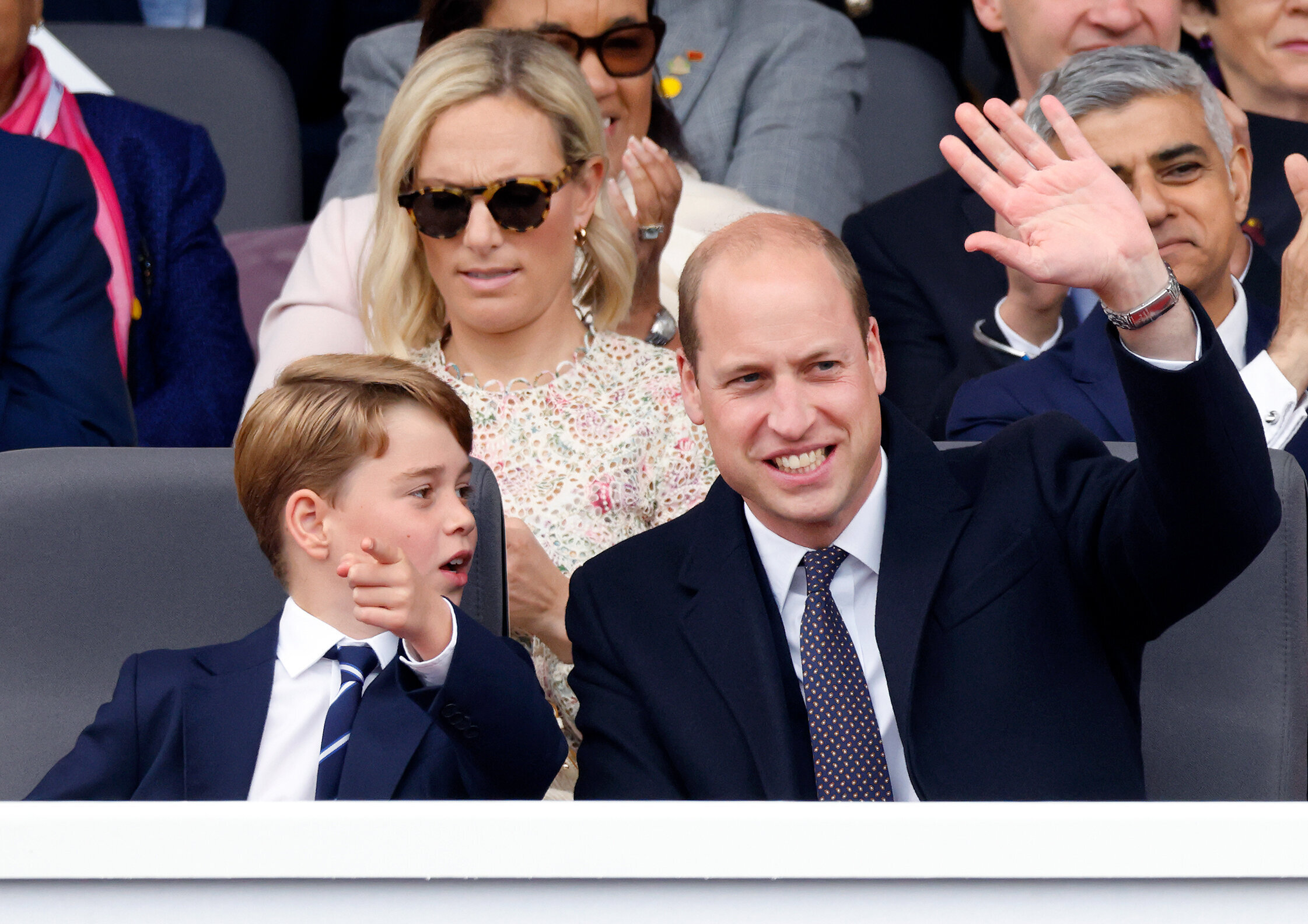
This is probably not a question Prince William is asking himself as enters his fifth decade. But the Duke of Cambridge’s birthday has got us thinking about milestone ages, and why some of us place so much significance on certain numbers.

For women, approaching ‘The Big Four O’ often means discussions of fertility and the biological clock intensify (whether or not you want children and even though a woman doesn’t suddenly wake up on her birthday unable to conceive).

But what’s at the forefront of men’s minds as they approach this age? We asked a bunch of guys aged 39 and over to find out.

‘I get a lot of stick for being single still’

“I’m almost 40, single, with no permanent long-term job. I still love travelling and exploring and totally lack any sort of plan. But I’m kind of okay with that.

“At 40, you’re expected to have job security, a demonstration of some sort of career progression, where you’ve ended up with a bigger salary, a nicer suit and a nicer house.

“I get a lot of stick for being single still. All my friends are in marriages or second marriages in some cases, people say: ‘you’re not going to get sorted are you?’ Every now and then, you do question your life choices. There are always going to be periods in a 12 month calendar where you’re going to have a couple of phases of self-doubt, where you might question the way you’ve done things. You might feel a bit sorry for yourself and have a bit of a pity party. But on the whole I’m quite content with where things are – I’ve seen a lot of the world, I’ve met a lot of great people. I’ve been very, very fortunate in that sense.” – Stephen Boyd, 39, Lincolnshire

‘I was fine with turning 40, but turning 41 hit me hard’

Peter McKerry

“Turning 40 didn’t phase me, but when I turned 41 I began to obsess over the fact that my life was in a type of descent towards the inevitable end, and that my best experiences were behind me. I was also worried that if I had a child I’d have a limited amount of time to be in their life. My dad was 53 when I was born and I was teased about it at school, so I didn’t want to be an ‘old dad’.

“As it turned out I was 43 when my daughter was born so I beat him by 10 years! Now my life is all about watching her grow and develop (she’ll be three in August) and it has given me joy but also anxiety. I’m trying to live in the moment now because I don’t want to have more regrets than I already do, and I want my daughter to have the happiest and most secure childhood I can give her. So now I don’t obsess as much over my age or my past as I have a real focus on ensuring Flora is happy and loved.” – Peter McKerry, 45, Westcliff-on-Sea

‘Men get more of a free pass’

Andy Dewar

“I turn 44 this week and love it. I think 30 was more of hurdle for me psychologically, as it was the age where I felt you needed to knuckle down to some responsibilities and achievements personally and professionally, as well as resenting the fact I was no longer young and carefree. So by your 40s, you can enjoy all the new challenges and opportunities that come your way.

“There’s far more pressure on women at all ages but particularly 40s to have a great career and be a mum, I think. As far as media and peer pressure goes, men get more of a free pass. I’m lucky in the sense family and friends have never had any great competition between us to do well, some days are a grind, some days are easy. If you set yourself targets you lose sight of what’s important, which in my case is just trying to enjoy whatever it is I’m doing.” –Andy Dewar, 44, Hamilton, Scotland

‘I haven’t altered anything’

Michael Charles Grant

“I felt perfectly fine [approaching 40], with no pre-conceived thoughts of 40 being an issue and prohibiting me from what I can do physically and mentally. I look younger than my age so perhaps that played a fact in my mindset.

Has anything about being 40 surprised me? No not at all, why should it? I haven’t altered anything about my lifestyle to encompass my age or felt as if I had needed to.” – Michael Charles Grant, 40, Hertfordshire

‘Turning 40 made me re-evaluate my health and fitness’

-

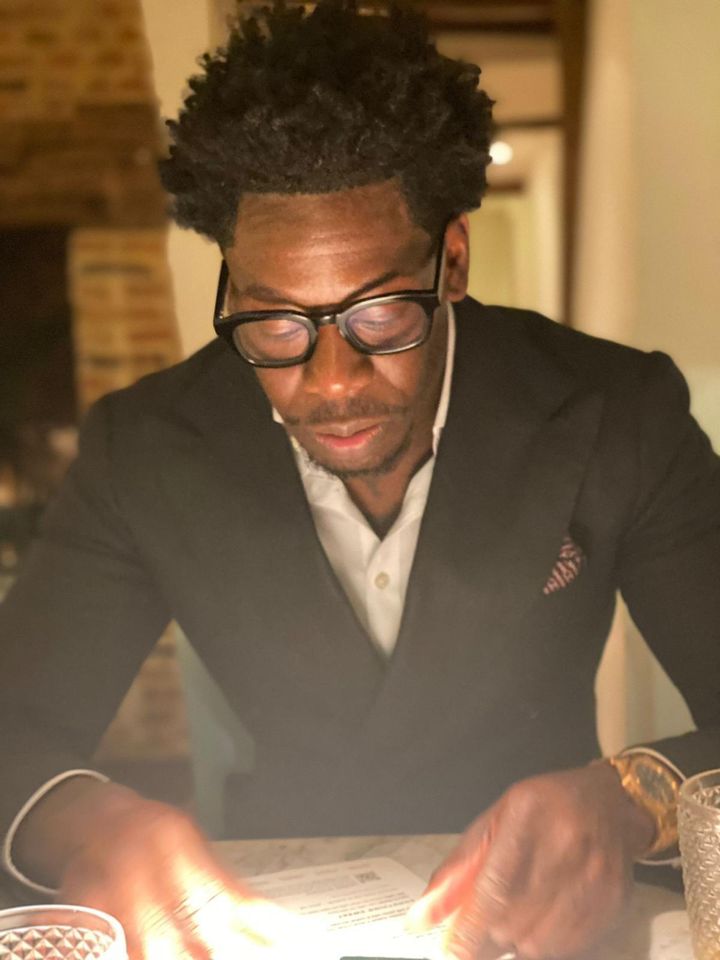
″40… oh, that sounds old. Well, that was the thinking I had when I was in my mid 30s and heading towards 40. Society slots you into a category when your age starts with a four. I had just had my twin boys Alex and Lewis a few months before and dealing with them was really taxing on the mind and body. It was then also that I decided that ‘Dad Bod’ wasn’t something I liked and that I needed to do something about it. General fitness levels were poor and I found myself struggling with day to day tasks in dealing with two newborns. So I said to myself ‘Paul, you’re now 40, you’ve got the twins to think about, you don’t want two young boisterous boys growing up with a dad that can’t keep up… time to get into shape.’ It was a ‘If I don’t do this now, I never will’, moment.

“I’m in better shape now that I was in my 20s and 30s. Confident in how I look, with loads of energy for playing with the twins. My change in physique also motivated my wife to get back to the gym too, plus it has brought us closer with shared interest in fitness and just being better for our sons. Also, more body confident = more intimacy too.” – Paul McCaw, 46, Belfast Northern Ireland

‘Every decade has got better for me.’

Stu McKinlay

“Every decade has got better for me so – despite the birthday itself not feeling like a big deal – I was really excited that my 40s would continue that trend.

“My 30s were where I started to put into action the stuff that I had discovered in my 20s. I left my really great job in the public service (which I totally loved) to start my own business in brewing. My wife and I started the business, had three kids, and then moved our business and family from New Zealand to UK. It was busy beyond belief, but we were both doing things we loved. Coming up for seven years into my 40s and despite the clusterfucks of Brexit and Covid, I’m having the time of my life!

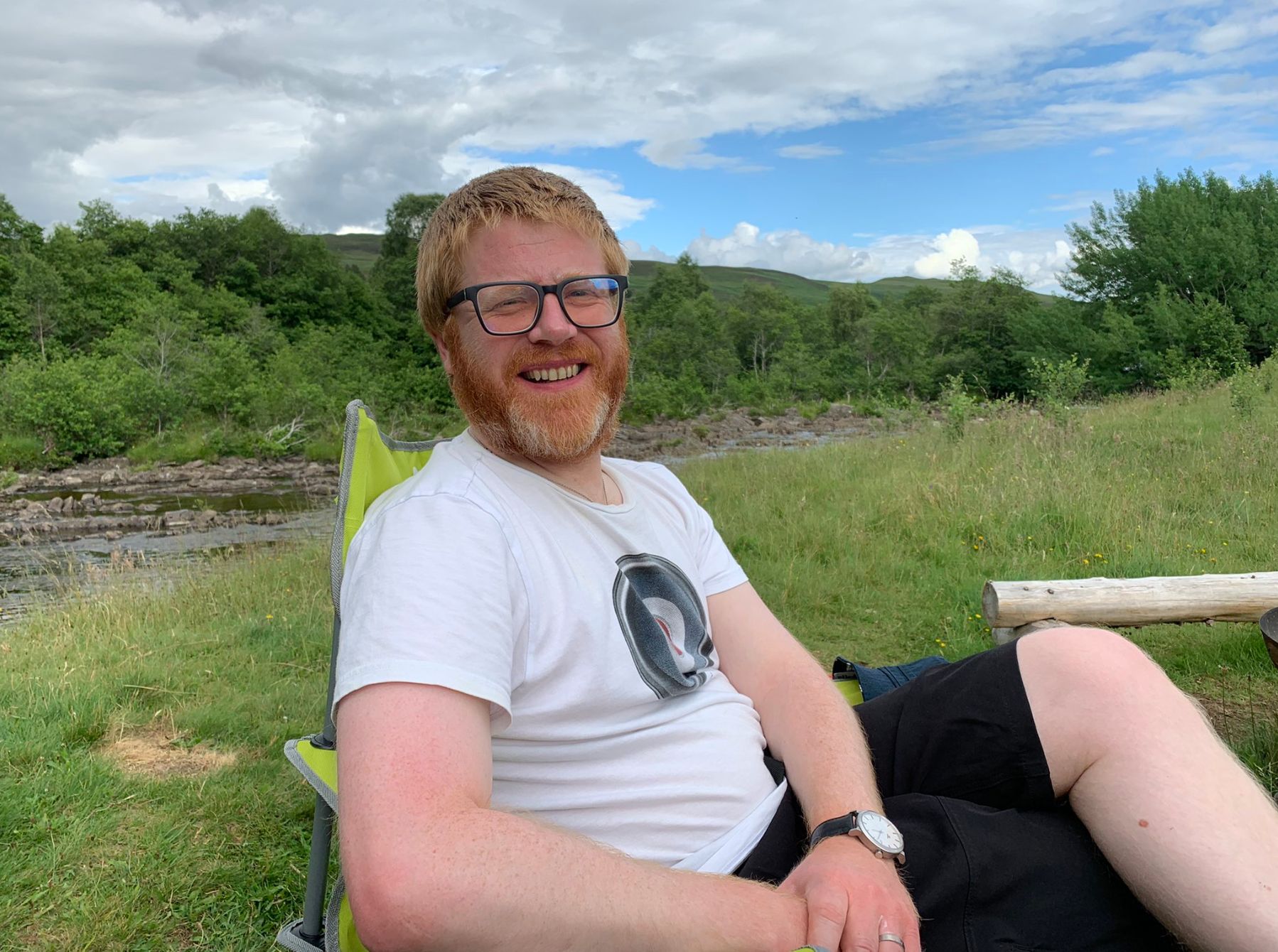
“While there’s immense privilege in being a man – and that’s something far too few men understand – I think there’s a lot of pressure on men to achieve certain things by certain ages. I’m constantly aware of how, at certain stage in my life, I feel like I’ve still not grown up. And I wonder if my parents felt the same. I do remember my dad telling me that he didn’t actually feel safe and comfortable in his life until he was in his 50s. I totally get that. I guess a part of it is kids growing up and releasing that weight of expectation around looking after them.” – Stu McKinlay, 46, London

Share Button

Hopeful Parents Might Soon Get Paid Time Off For IVF. Here’s Why They Need It

Employees undergoing fertility treatment could soon be entitled to statutory time off work, under a proposed law being brought before parliament.

The law suggests that fertility appointments should be treated in the same way as antenatal appointments during pregnancy.

NHS England and NHS Improvement have already recently given roughly 8,000 of their staff the right to three days off a year specifically for fertility treatment, The Mail on Sunday reports. (Though it’s worth noting that free IVF treatment under the NHS has faced huge cut backs in recent years.)

Under the latest bill, proposed by Tory MP Nickie Aiken, all companies would have to give both women and their partners time off for fertility treatment. It’s hoped the change will help those who may currently be going through multiple rounds of tough IVF treatments in secret.

“Undergoing treatment while juggling a career is very tough,” Aiken said. “Many people feel they cannot tell their employer for fear of being overlooked for a promotion or being made redundant.”

Why is this new proposed law so important for hopeful parents?

Becky Kearns, Co-Founder of Fertility Matters At Work, tells HuffPost UK this law is potentially game-changing, because it gives people “permission to talk to their employer about going through treatment (if they choose to) rather than feeling like they have to hide it”.

“We know from our research that 61.1% did not feel confident talking to their employer about trying for a baby,” she explains.

Many fear that there will be an impact to their career in asking for time off to attend appointments and so a law in place to give a statutory right and protection against unfair treatment will help them to know that this is recognised by their employer.”

She adds that IVF is often seen as a ‘lifestyle choice’ rather than a treatment for a medical condition – though the World Health Organisation describes infertility as a “disease of the reproductive system”. The proposed law would help to right this wrong.

How will this benefit people who are having IVF?

Kearns believe this will benefit hopeful parents as IVF is a gruelling process over the course of a number of weeks involving numerous, frequent and unpredictable appointments. “From my own personal experience, taking time off for fertility appointments felt very different to when I finally became pregnant and was ‘allowed’ by law the right to attend antenatal appointments,” she says.

“It not being recognised or even allowed within many organisations creates additional stress and burden on top of an already emotionally draining process. This law would mean that over time fertility appointments would also be expected, accepted and acknowledged as a statutory right.”

What are some of the work challenges women face when undergoing fertility treatment?

When going through IVF or other fertility treatments, women face “a very real fear of not being seen as committed to their jobs, of being overlooked for promotion or even selected for redundancy if their employer knows,” Kearns says.

“It’s also a hugely personal experience, one that still often has stigma and shame attached to it,” she adds.

“Planning is hugely difficult as it often depends on how your body responds to treatment and when your period starts as to when treatment can begin, the appointments can be every other day and sometimes at late notice depending on blood test and scan results.”

In a 2020 survey by the community interest company, 83% of respondents said Covid (and working from home) had made it easier to plan and squeeze in fertility treatments. But now most of us have returned to the workplace – at least some of the week – things will get harder again.

“There’s the physical challenges of the hormones that are injected, also the challenge of finding an appropriate place to administer injections and pessaries whilst at work, one woman told us she had to hide her in a sandwich box in a fridge,” Kearns explains.

“Financial worries are huge too with the cost of treatment often running into the thousands, another stress when you need to take time off work – some are told to use annual leave or unpaid leave, we found that 69.5% took sick leave during treatment.

“Most predominantly is the mental health challenge, we found that 68% felt their treatment had a significant impact on their mental and emotional wellbeing, having to hide appointments and the huge grief that this process brings about can make it even more of a challenge, to the extent that 36% considered leaving their employment due to treatment.”

Let’s hope the bill marks the start of the change that’s needed.

Share Button