I’ll be the first to admit my concentration levels aren’t great. In my twenties, I was pretty good at getting my head down and boshing out a project, free from distraction.
But nowadays, with the ping of social media notifications, WhatsApp messages, emails, Slack updates, news alerts, to-do list reminders, not to mention the 20+ tabs I have open and need to flit between on a daily basis (and all the parenting mental load tabs running in the background: who needs picking up at what time tonight? What shall I make for dinner? Whose birthday party do I need to buy gifts for ahead of this weekend?), I am in a state of constant distraction.
Advertisement
It can be pretty exhausting.
Sometimes it feels like I can barely get one thing done – a task, an article, a bunch of emails fired out – without becoming distracted by about 13 other things that need to be done. And then the first task becomes this monster hill to climb.
Like most people, I’m not immune to the odd mid-afternoon slump, either. If I’ve had a disrupted night’s sleep – which happens a lot with kids under five – I often find this period is when my productivity nose-dives off a cliff.
So, I was intrigued to hear about the 5-5-5-3 method from career coach, Jo Irving. It’s a mindful productivity hack for getting things done, which involves:
Advertisement
Five minutes of planning, where you set your intention and clearly define the task at hand.
Five minutes of preparation including tidying your workspace, removing distractions, and gathering any tools or materials you need.
Five minutes to reset your nervous system through mindful breathing or stillness.
30 minutes focused on your work. The idea is that by the time you start working, you’re fully prepared mentally, emotionally, and practically, which makes you knuckle down and crack on.
“Clients often tell me it helps them transition more easily into deep work, especially on days when they feel scattered or overwhelmed,” Irving said.
“The breathing component is particularly useful for calming the mind, while the preparation phase eliminates the common excuse of ‘I’m not ready yet’.
Advertisement
“By respecting the mental runway you need before engaging with a task, the method reduces procrastination and enhances focus.”
I was intrigued as to whether this intentional method could help me free myself from distraction overload and help me shift into a better state of focus.
Have you tried the 5-5-5-3 method?
Advertisement
What happened when I tried the 5-5-5-3 method
I hit a bit of an afternoon slump around 2.30pm, so I decided to go for a quick walk and then returned to my computer to focus on writing.
First things first, I planned what I was going to write and made sure I had all the necessary information to hand. Then I cleared my desk of clutter (empty water bottles, plates, cups, random bits of paperwork), popped my phone in the other room, turned off notifications on Slack, and sat down to write.
To begin with I sat and focused on my breathing for a few minutes. My brain tried to distract me throughout – the buzz of a notification on my phone in the other room, the lure of a tab on my laptop, but I chose to ignore each distraction and continued with my breathing, focusing on a plant on a bookshelf nearby. It was actually very calming. (I had this music on in the background which probably contributed to the relaxed vibe.)
Advertisement
After around three minutes, I felt ready to start. I clocked the time on my laptop and began to type.
I have to admit, the intentional start to this period of focus did seem to help me stay on track. I am forever getting distracted by about 25 open tabs on my laptop, but I maintained focus on the one tab I was using and continued to write.
Irving noted the method works “particularly well for people who struggle with distractions or have difficulty getting started”. Hi, hello. “Rather than forcing yourself into work mode, this technique creates a natural, structured entry point into deep concentration,” she explained.
Advertisement
“It’s especially effective for those who feel mentally fragmented throughout the day or overwhelmed by a long to do list. That said, like any tool, consistency is key. It’s most powerful when used regularly, not just as a one off.”
Any drawbacks to this approach?
The only thing I’d say is that I didn’t feel like I needed to take a whole five minutes for planning, another five minutes for preparing my workspace (it took barely 60 seconds) and a whole five minutes for breathing.
I think depending on what your job is or how fast-paced it is, you could probably tweak these timings to suit.
Advertisement
The career coach agreed that for people working in reactive environments where immediate responses are required, carving out 15 minutes before each task might feel impractical.
“Similarly, if you’re constantly context switching or working in a high interruption role, the method may need some adjusting,” she added.
“But in coaching terms, I’d say that’s not a flaw in the technique, it’s just about tailoring it to your real world circumstances.”
Advertisement
Irving summarised the approach as being “ideal for anyone trying to reclaim their focus in a world full of distractions”.
I certainly found it refreshing – and almost freeing – to not be pulled in a hundred different directions at once. I also managed to finish my article in one go, without flicking between tabs, which rarely happens nowadays. (Sometimes I can end up straddling about five different demands and projects as a result, and I wonder why I haven’t got everything I’d hoped to get done completed at the end of the day.)
Irving ended: “If you’re someone who tends to dive into tasks without much thought or ends the day wondering where your time went, this approach can be a game changer.”
Advertisement
After giving it a go, I’d say it’s certainly worth a shot!
Chronic hepatitis B is not something most people think about in their day-to-day lives.¹ But, globally, it remains a major health issue – and one that health leaders say is not improving fast enough.²
Chronic hepatitis B is a long-term liver infection caused by the hepatitis B virus, which can increase the risk of developing severe liver damage (cirrhosis) and liver cancer.³ People can become infected with the hepatitis B virus through exposure to infected blood and other bodily fluids.² Most people do not experience any symptoms when initially infected with the hepatitis B virus, and the infection can go unnoticed for many years.²˒³
It is estimated that approximately 240 million people are living with chronic hepatitis B globally.²˒³ Yet despite the burden, the World Health Organization (WHO) states that efforts to eliminate hepatitis B as a public health threat by 2030 are currently off track.²
While tools like vaccinations, testing and treatment already exist, progress has not kept pace with what is possible.²
Challenging a lack of awareness of chronic hepatitis B
Against that backdrop, a new global online survey commissioned and funded by GSK and conducted among 5,000 general public adults across five countries suggests that one of the biggest challenges may be something much simpler: awareness.¹
Despite affecting hundreds of millions of people worldwide,² chronic hepatitis B remains out of sight for many.¹ More than eight in 10 adults surveyed say they were either unaware of chronic hepatitis or knew very little about it.¹
The lack of awareness goes beyond simply not recognising the disease name. Many people are unclear on basic facts – from how the virus is prevented (such as through vaccination, and reducing exposure to blood and other bodily fluids that may carry the hepatitis B virus³) and if treatment is available, to how it impacts long-term health.¹
Chronic hepatitis B: a major cancer risk flying under the radar
One of the most striking findings from the survey is the gap between what is known medically about chronic hepatitis B and how it is perceived by the public.¹
Chronic hepatitis B is a leading cause of liver cancer, estimated to be the cause of around half of liver cancer cases globally.²˒⁴ Yet only approximately one in three people in the GSK survey considered it to be a high-risk factor.¹ By comparison, far more people associated lifestyle and environmental risk factors like smoking, alcohol use, obesity and air pollution with cancer.¹ Even among those who are aware of a link between chronic hepatitis B and liver cancer, the scale of the risk is often underestimated. On average, the adults surveyed thought chronic hepatitis B accounted for around a quarter of liver cancer cases, significantly lower than current global estimates.
Richard Moran Photography Ltd
Why low awareness about chronic hepatitis B can delay action
Low awareness does not just affect what people know. It also shapes how they think and what they do.
Around three in four adults surveyed said they had never been tested for hepatitis B.¹ Among adults who have never been tested, the leading barriers are simply never having considered it and not thinking they were at risk – not active refusal.¹
When something isn’t widely discussed and commonly understood, it can be harder to place in a personal context.
Increasing the visibility of chronic hepatitis B
What makes this issue more striking is that chronic hepatitis B is a disease we know a great deal about and can manage.
Vaccination, testing and treatment for hepatitis B are well established.¹ Yet globally, outcomes are not improving at the pace expected, with low treatment coverage and delayed diagnosis still contributing to rising numbers of deaths.¹
The WHO’s latest assessment suggests that the gap today is less about whether solutions exist, and more about how consistently they are used in practice, and how much priority is given to addressing the condition by healthcare decision makers, including policymakers. Closing that gap may depend, in part, on making the condition feel more visible and more relevant to people’s lives.¹
Making hepatitis B part of the conversation
Chronic hepatitis B is too often overlooked, with consequences that can be serious for individuals, families and communities.¹˒² Greater awareness can help change that.
Breaking the chain starts by breaking the silence. By talking more openly, understanding whether testing may be relevant, and knowing how to help protect yourself and others, we can take an important first step.
Because when something becomes part of the conversation, it becomes easier to recognise when it matters. Talk. Test. Protect.
To learn more about living with chronic hepatitis B, read Natalia’s story on GSK.com.
References:
GSK Global Chronic Hepatitis B Awareness 2026 Survey, data on file.
World Health Organization. Global hepatitis report 2026. Available at: https://www.who.int/teams/global-hiv-hepatitis-and-stis-programmes/hepatitis/reports/global-hepatitis-report-2026. Last accessed: July 2026.
World Health Organization. Hepatitis B. Available at: https://www.who.int/news-room/fact-sheets/detail/hepatitis-b. Last accessed: July 2026.
Rumgay H et al. Global burden of primary liver cancer in 2020 and predictions to 2040. J Hepatol. 2022;77:1598–1606. doi: 10.1016/j.jhep.2022.08.021.
Money saving pro Martin Lewis has shared an “urgent warning” for anyone who wants to try and bag cheap flights for their 2027 summer holiday.
Taking to social media, Lewis said that Tuesday (28 July) marks easyJet’s ‘flight release day’, when the travel provider releases millions of new flight seats for people to buy ahead of their 2027 holidays.
Advertisement
“Now, easyJet has a rather interesting system for pricing its flights,” said Lewis. “It’s called ‘dynamic pricing’ and it means that the price depends on the demand – the more demand, the more that you pay.
“So, the most predictable time to get cheap flights is exactly the moment it releases the flights because there’s minimum demand at that time because they weren’t available beforehand.”
When will the seats be released?
The financial expert said 14 million seats are being released across 78,000 different flights.
“As for when those seats are released, I don’t know, easyJet won’t say,” said Lewis, noting that in the past it’s been around 5am or 6am, while other times it’s been spread throughout the morning.
Advertisement
The expert added it’s “not a definitive” that you’ll bag a cheap seat, but it’s “something to look at and try”.
HuffPost UK has contacted easyJet for comment.
Set an alarm and get your details ready
If you are looking to book cheaper flights, Lewis suggested getting up early and knowing which routes you want to look at, while having all your passenger details ready.
Advertisement
He also urged people to benchmark and compare with other flights ahead of booking, so you know what a competitive price looks like at present.
More tips for cheaper travel
Travel expert Ferdinando D’Agostino at Transfeero previously warned that flights which appear to be the cheapest aren’t always the best option overall due to costly add-ons (baggage and seat selection being some of the most obvious ones), but also other overlooked costs, such as the cost of getting from the airport to your final destination.
If you want to save money on your travels, he advised:
Calculating the ‘door to destination’ costs before you book. Booking a slightly more expensive flight could mean saving much more money in the long run, so make sure you add up every possible additional cost.
Planning all transport in advance, not just the flight. Having your onward journey arranged, removes the uncertainty of being able to get a taxi at the airport – and the unpredictable costs.
Creating an ‘arrival budget’. Having a separate budget with a realistic amount of money to get from the airport to the hotel means you reduce the pressure to choose the quickest and most expensive mode of transport, and it also means you can set that budget and have everything arranged before you get there.
You might have heard of the “loneliness epidemic”, which the World Health Organisation has dubbed a “global public health concern”.
Over nine million people in the UK say they feel lonely all or most of the time, the Red Cross reports.
Advertisement
But stigma around loneliness, and in turn lonely people, remains.
Speaking to HuffPost UK, psychologist and CEO of Male Allies UK, Lee Chambers, said: “Loneliness isn’t always understood well. People tend to fall into lazy stereotypes based on what we expect a lonely person to be”.
Here, he shared what we get wrong about lonely people:
There’s no one “type” of person that becomes lonely
“The biggest misconception when it comes to loneliness is that it happens to a certain type of person,” Chambers told us.
“Loneliness doesn’t have a type, and it can affect anyone. You can feel lonely even when you are surrounded by people.”
Advertisement
Sometimes, he added, life transitions like divorce, parenthood, retirement, or changing jobs can bring it about. It can reach all demographics and personality types.
“Like with many associated challenges, men are less likely to speak about it or seek help and support. And research shows that both younger and older adults report the highest levels of loneliness, but there are differences in why they feel it,” Chambers explained.
“The societal expectation that personality traits dictate loneliness are a distraction, it’s about meaningful connection, not whether your extroverted or introverted. And we need to be mindful of those care for others and those who lead, as they are often seen as the supporter rather than needing support.”
Advertisement
Additionally, he continued, loneliness is not always the same as being alone.
“The quality of your relationships matter a lot more than the quantity, and in the modern world we live in, social contact is becoming less, spaces to build relationship depth are more scarce and many people are searching for meaningful connection and somewhere to belong.
“Loneliness is much more to do with peoples life circumstances and the social structures around them, and much less to do with individual personalities.”
Advertisement
What can we do to tackle loneliness?
Chambers said that he thinks tackling the issue will prove “tough”, adding that he thinks we need more physical spaces to connect in person.
This, he thinks, may make our interactions with one another feel less transactional.
The psychologist, who runs a gender bias consultancy, added: “82% of the boys we surveyed said there were not enough spaces for them to play and connect in. We need these spaces in communities and in workplaces, and space at work to build deeper relationships…
“Normalising conversations around the topic also makes it easier for people to share what they are feeling. Something I’m passionate about is small moments of connection, rather than just waiting for big occasions, and moving from [focusing on the] number of friends to meaningful friendships.
Advertisement
“And finally, a powerful antidote to loneliness is belonging, and we can all be a part of inviting people in, and creating spaces where people feel welcome.”
You’ve probably never thought too hard about it. As you board a plane, a flight attendant stands at the aircraft door, smiles, says “welcome,” maybe glances at your boarding pass. It feels like basic hospitality, like the aviation equivalent of a host greeting you at a restaurant.
But that brief interaction is doing a lot more than it seems.
“The smile and greeting you get at an airplane door is probably one of the most judgmental welcomes you’ll ever receive,” Jay Robert, a senior flight attendant and the founder of A Fly Guy Travels, told HuffPost. “We’re judging a lot in those few seconds, and believe it or not, that judgment is part of our job.”
Advertisement
It’s not for the sake of judgment, however. The purpose is actually safety.
“Greeting passengers at the door is our first line of defense in identifying threats that could be brought onto the aircraft,” Robert explained. “Whether it’s illness, intoxication or someone carrying prohibited dangerous goods, we’re constantly scanning for anything that could disrupt the flight or pose a safety risk.”
Of course, there is a customer service and hospitality element to the greeting as well.
“It’s the first opportunity to welcome passengers onboard and set a positive tone for the flight,” said Yuvraj Datta, the chief supply and revenue officer at the travel tech company Fareportal. “It’s also an important observational moment for the cabin crew. Flight attendants are making initial safety and operational assessments that can help identify potential issues before departure.”
He added that flight attendants begin assessing the cabin environment the moment they get on board.
“The greeting is actually a behavioural assessment,” said AirAdvisor founder and CEO Anton Radchenko. “The social framing is deliberate – passengers engage more naturally when they believe they’re being welcomed. Crew are trained to read each individual during that interaction – orientation, steadiness and anything that could become a liability in an enclosed environment at altitude with no exit available.”
Advertisement
In an era of increasing reports of unruly passenger behaviour and even abuse of flight attendants, airline crews are more vigilant than ever. And many of those incidents involve alcohol.
“Generally, flight attendants assess passengers during boarding for sobriety,” said Henry Harteveldt, president and airline industry analyst at Atmosphere Research Group. “If they notice a passenger who appears to be overtly drunk or high, they may ask to see their boarding pass, under the premise of directing them to their seat, but also to alert the crew who may be working where that passenger is sitting to monitor her or his alcohol intake on board.”
Robert echoed that intoxication is one of the biggest things flight attendants are checking for during that greeting process.
Advertisement
“It’s much easier to stop someone at the aircraft door than it is to remove them once they’re seated and settled in,” he said. “During boarding, we constantly communicate with each other. I’ll often call the crew at the back and ask them to keep an eye on a passenger I’ve noticed or get a second opinion before we decide whether someone is fit to fly.”
Flying with an intoxicated passenger can be a serious matter. Dan Bubb – a former airline pilot and professor in residence in the honors college at the University of Nevada, Las Vegas – explained why catching these situations early matters so much.
“You don’t want to be at altitude and have somebody who’s drunk and belligerent, and now you’ve got a problem,” he said. “You have to divert the plane. That’s going to cost money and time. So it’s better to try to catch those possible problems at the door before it closes.”
Advertisement
Mongkol Chuewong via Getty Images
There are legal implications to getting it wrong as well.
“Boarding an impaired passenger creates significant legal and operational exposure,” Radchenko said. “By the time a passenger reaches the cabin door, gate agents have already conducted an initial screen. If you’re flagged at the door, you’ve already passed one assessment, which means the carrier has two separate documented grounds to work with if a denial gets challenged.”
For passengers, the legal calculus runs in the other direction.
“If you’re denied boarding after that interaction, aviation law starts from the assumption that the crew was right,” Radchenko said. “The discretionary authority aircrews hold on safety grounds is wide by design. To challenge it, a passenger has to demonstrate the decision was arbitrary, not just uncomfortable or inconvenient.”
Advertisement
He advised anyone who believes they are unjustly denied boarding to ask for a written reason before leaving the gate. “That document is the starting point for any claim worth filing,” he said.
Flight attendants are also trained to pick up on physical cues that passengers might be trying to hide.
“I’m looking for signs of illness, such as clammy or pale skin, excessive sweating or even visible contagious skin conditions that may require us to offload a passenger before the aircraft door closes,” Robert said.
Advertisement
“Passengers often try to hide the fact they’re unwell, so we have to use all the clues the body gives us to quickly determine whether someone is fit to make the journey by air.”
He’s also paying attention to the way passengers respond to his greetings.
“Slurred speech, confusion, difficulty maintaining balance or the smell of alcohol can all indicate intoxication or impairment,” Robert said. “Once passengers move into the cabin, the other flight attendants continue the assessment, watching for the same signs and making their own observations.”
Scent is part of these assessments for multiple reasons.
“We’re checking for the smell of alcohol but also for offensive body odour,” Robert said. “Both can result in you being denied boarding, as BO is a no-go. Many people don’t realise that excessive body odour can significantly affect the comfort and wellbeing of everyone else on the flight, and airlines have the right to refuse carriage if it becomes an issue.”
Flight attendants also keep an eye on people’s luggage to ensure carry-ons meet the airline’s size and quantity requirements and to identify bags that need to be gate-checked. Robert added that they look out for anything that could be considered a dangerous item as well.
“In recent years, we’ve also added another important responsibility during boarding – looking for potential signs of human trafficking,” he said. “Cabin crew around the world now receive training to recognise indicators that someone may be a victim and know how to discreetly report their concerns.”
These assessments can be wide-ranging, but the practice becomes second-nature over time. And it’s a subtle but important function.
“Airlines often position their most experienced cabin crew at the aircraft door because we’ve developed the ability to rapidly identify potential issues,” Robert said. “As a purser, or cabin manager, while I’m making a good first impression and welcoming guests onboard, I’m also continuously assessing whether each passenger is fit to travel.”
Beyond looking for potential issues, flight attendants are also quietly scanning for potential assets.
“We’re also identifying passengers who may be able to assist in an emergency if they’re seated in an exit row,” said Paula S. Adams, a former crew member for Etihad Airways who now works as a private flight attendant and aviation and business trainer.
Advertisement
Indeed, the boarding process is when crew members identify what they call able-bodied passengers or ABPs.
“These are the passengers we’re most likely to ask for assistance if we ever have an emergency,” Robert said. “I naturally take note of people who appear physically capable, law enforcement officers, military personnel, firefighters, medical professionals or simply someone who looks strong and confident enough to help if a passenger becomes disruptive or assistance is needed during an evacuation.”
Harteveldt noted that another pre-flight step contributes to this process.
“The FAA requires flight attendants to give a verbal briefing to passengers sitting in exit rows and by exit doors about the requirements to operate the doors in an emergency, if so directed by cabin crew, and to receive a verbal confirmation from each passenger sitting in those seats that they understand and agree to the safety-related requirements they are expected to fulfill,” he said. “The flight attendants also use this briefing to determine that the passengers meet the safety requirements and, again, are not impaired by alcohol or other substances before take-off.”
Advertisement
The boarding process is also a time when flight attendants identify travelers who might need additional assistance during the flight due to disability, for example.
“It helps crew members build situational awareness about who is on the aircraft. In an emergency, knowing which passengers may need extra help, or which travelers appear particularly capable of assisting others, can be valuable,” Datta said, adding, ”The few seconds spent greeting each passenger can help crew members identify potential issues before the aircraft ever leaves the gate.”
For all the safety assessment happening at that door, flight attendants also genuinely enjoy greeting travellers.
Advertisement
“While we’re scanning the cabin, we’re also looking for passengers we genuinely want to connect with,” Robert said. “Contrary to popular belief, many flight attendants actually like people. We enjoy chatting with our guests, hearing their stories and helping make their flight memorable.”
“That brief greeting is often our first opportunity to build rapport with passengers,” Adams said. “A friendly interaction at the door helps set a positive tone for the entire flight while allowing us to quietly assess the cabin before departure.”
Robert noted that he’s usually spotted his “in-flight friends” during boarding.
“And if you want a little galley gossip, flight attendants also tend to spot the ‘BOB’ during boarding,” Robert added. “That’s the ‘Best On Board,’ otherwise known as the passenger who catches our eye. It’s usually harmless fun, and you’ll often hear a little discussion in the galley about who we think is the most attractive passenger in our section.”
Advertisement
Now and then, these kinds of connections turn into something more as well.
“I know several cabin crew who met their husbands or wives because of a spark that started during boarding,” Robert said. “So you never know. That warm smile and eye contact at the aircraft door could one day lead to you enjoying one of the best perks of dating a flight attendant. As we often joke in the industry, ‘Marry me and fly for free.’”
Marriage prospects aside, there’s something to be said for simply being kind to the crew.
“If you can just greet the flight attendant, say hi or ask how their day is going, believe it or not, those little comments go a long way with flight crews because they have very long days,” Bubb said. “Before I go on a trip, I even buy a small stack of $5 Starbucks gift cards, and I give them out to the flight crew. It really brightens people’s days. One time I did that, the captain actually came back, shook my hand and gave me a handwritten note. It’s all about little things.”
Youngest children are often thought of as the lucky ones – the babies of the family who skated through childhood with fewer rules, more freedom and all the attention.
But therapists who work with youngest siblings hear a very different story.
“The youngest child sits in a fascinating and often painful paradox,” Erin Pash, a licensed marriage and family therapist and founder of Pash Co., told HuffPost. “They grew up surrounded by people who loved them and people who consistently underestimated them.”
Advertisement
Although the youngest sibling may face different challenges compared to the forgotten middle child or the “parentified” eldest, their psychological wounds are no less valid. It’s also important to acknowledge the wide range of experiences that youngest siblings can have.
“The research on birth order and its impact on personality and mental health is pretty limited and quite mixed,” said Caitlyn Oscarson, a licensed marriage and family therapist.
“Birth order is only one piece of someone’s story. The family dynamics, relationships and life experiences, along with genetic dispositions, are likely much more important than simply being the youngest.”
Advertisement
Things like culture, parenting style and sibling age gaps can play an important role as well.
“I encourage people to use birth order as a starting point for curiosity rather than a diagnosis,” said Priya Tahim, a licensed professional counsellor and the founder of Kaur Counseling.
“The question isn’t, ’What does it mean to be the youngest?” but rather, “How did being the youngest shape the beliefs I developed about myself, my relationships, and my place in the world?” When we explore those questions in therapy, we often uncover patterns that no longer serve us and that’s where meaningful growth begins.”
There are some general themes that tend to emerge on that journey as well. Below, therapists share the most common issues youngest children bring up in therapy.
Advertisement
Not being taken seriously
“One of the most common themes I see is the struggle to be taken seriously,” said Altheresa Clark, a licensed clinical social worker and founder of Inspire4Purpose. “Many youngest siblings describe growing up being viewed as ‘the baby’ of the family, even well into adulthood. As a result, they often feel their opinions are dismissed or that they have to work harder to prove they are capable, responsible and independent.”
She added that many youngest children feel underestimated, as though their family can only view them through the lens of who they were as a child.
“If your older siblings changed your diapers and wiped away your spit up, it may be hard for them to truly picture you now as a full-fledged adult,” said Natalie Moore, a licensed marriage and family therapist. “Even if you’re competent in professional and personal areas of your life, your older siblings or parents may still treat you as though you’re ‘still figuring it out’ or that you need extra help – even if you don’t.”
Advertisement
Family patterns and roles are well-established by the time the youngest child arrives.
“Youngest children are often the last to be consulted, the last to be believed and the last to have their emotional experiences validated,” Pash said. “That early experience of not mattering as much becomes a deeply internalised belief that follows them into adulthood, their relationships and their workplaces.”
Chronic comparison to older siblings
“Growing up in the shadow of older siblings creates a relentless internal measuring stick,” Pash said. “Youngest children often spend enormous psychological energy either trying to differentiate themselves from their siblings or quietly wondering if they’ll ever measure up. Both directions are exhausting. Therapy often uncovers how much of their identity was built in reaction to who came before them, rather than from the inside out.”
From academic and career success to relationships and life milestones, older siblings can set a standard of measurement that makes it difficult to chart your own path.
Advertisement
“Many youngest siblings describe feeling pressure to live up to their older siblings’ accomplishments or, conversely, feeling responsible for ‘doing better’ after an older sibling’s disappointments,” Tahim said. “While these comparisons are often unconscious and rarely come from a place of harm, they can still have a lasting emotional impact. Over time, this can contribute to perfectionism, people-pleasing, self-doubt or a persistent feeling that they have something to prove.”
Furthermore, this dynamic of comparison can minimise the satisfaction and joy of personal achievement.
“There will always be someone who got there first – whether it’s a milestone, a graduation or just age itself,” said Chloë Bean, a licensed marriage and family therapist. “When every milestone has already been reached by someone else, youngest children can struggle to feel a sense of ownership over their own accomplishments.”
Advertisement
The myth of the carefree ‘fun one’
“The myth that youngest children are carefree is perhaps the cruelest one because it’s so cheerfully delivered,” Pash said.
“People say it like it’s a gift. What they don’t see is that ‘carefree’ is often the mask that gets assigned when no one is paying close enough attention to the care that’s actually needed. The youngest child learned early that the family’s emotional bandwidth was already stretched, so they adapted. They became easy. They became fun. They made people laugh.”
Underneath that mask, however, there might be a child managing big feelings alone because asking for help felt like too much of an imposition. In this sense, being fun or easygoing is more of a survival strategy than a personality trait.
Advertisement
“Behind the ‘fun one’ label, there can be anxiety, people-pleasing, perfectionism or a fear that if they stop keeping the peace, they’ll disappoint those around them,” Tahim said.
Thus, many youngest siblings opt to “go with the flow” and give off an appearance of “floating through life,” despite the emotional weight they actually carry but don’t necessarily have the skills to identify and communicate.
SDI Productions via Getty Images
A common theme among youngest siblings is wanting to be taken seriously as an adult.
Advertisement
The ‘spoiled’ and ‘favourite’ labels
“The ‘favourite’ label carries its own particular sting,” Pash said. “Many youngest children tell me they felt simultaneously favoured and overlooked, given treats and flexibility while being denied depth and seriousness. Being the favourite doesn’t mean being the most important. It often just means being the most manageable.”
The youngest sibling might experience less strict versions of their parents and have fewer responsibilities, but that comes at a cost.
“The idea that the youngest sibling is always spoiled or the favourite is often much more complicated than people realise,” Clark said. “Many of my clients describe feeling overlooked rather than overindulged. Others explain that while they may have had certain freedoms growing up, those freedoms also came with assumptions that they didn’t need as much guidance or emotional support because their parents were more experienced by that point.”
Advertisement
And don’t forget the burden of an older sibling’s jealousy or resentment – which can create additional pressure to prove your worth and chip away at self-confidence.
“Maybe the older sibling envied the youngest’s freedom, slack and less rules,” Bean said. “The younger sibling grew up resented simply for existing and splitting the parents’ attention. This is common because the youngest sibling had no say in the family structure they were born into, but they absorb the blame for it. Children internalise that kind of resentment as ‘something is wrong with me’ way before they understand where it actually comes from.”
Difficulty setting boundaries
“Because older siblings or parents may have been accustomed to looking after them, youngest siblings sometimes struggle to separate their own identity from family expectations,” Clark said. “This can show up in people-pleasing, avoiding conflict or feeling guilty when making decisions that differ from what their family wants.”
As they get older, youngest children may struggle with taking up space, expressing needs and setting (and enforcing) boundaries.
“Learning that their needs are legitimate – not an inconvenience – is frequently the central work,” Pash said. “The family peacekeeper often becomes an adult who struggles to say no.”
They might feel particularly deferential to older siblings who took on a caretaking role in their childhood.
“You may find that when discussing personal stressors or decisions, that they jump in with advice or opinions even if you didn’t ask for them,” Moore said. “This can cause friction between siblings, where it’s more appropriate to have a peer-to-peer relationship, versus one with a parental-style hierarchy.”
Mabel Yiu, a licensed marriage and family therapist and founder of the Women’s Therapy Institute, pointed to another dynamic that can stem from difficulty setting boundaries and asserting needs.
“Some youngest often feel they don’t have the power to say no or the safety to express anger as a kid, so they develop conflict-avoidant behaviours such as passive aggression as adult,” she explained. “Some behaviours include saying yes but not doing the thing, backhanded comments or sarcasm. In those situations, the work is around building tolerance for discomfort, expressing ‘no’ or anger in a meaningful way and discerning the humor and anger in sarcasm.”
Learned helplessness
“When older siblings, parents and even extended family consistently swoop in to solve your problems, tie your shoes and finish your sentences, you don’t develop the same tolerance for discomfort and struggle that builds confidence,” Pash said.
“Many youngest children arrive in adulthood with a quiet but persistent belief that they can’t fully trust themselves because they were rarely given the chance to find out.”
It’s a kind of learned helplessness that leads to adults who second-guess themselves, defer to others, struggle with confidence in their own judgment and feel extreme anxiety around being wrong.
Advertisement
“When you’re the youngest sibling, your older siblings are likely to be more developmentally advanced in almost every area,” Moore said. “As an adult, this seems obvious – of course an 8-year-old is better at jump rope than a 5-year-old. But young children don’t necessarily understand that it’s not that their older sibling is ‘better’ at everything than them inherently, it’s just that they’ve had more time to develop their skills and talents.”
As a result, they may feel chronically behind and incapable.
“Because early childhood experiences shape our adult lives to a great degree, a youngest sibling could maintain this ‘trying to catch up’ internal blueprint long after it’s no longer relevant,” Moore added.
Feeling overlooked and unseen
While youngest children are often assumed to be the centre of attention, many carry a quieter wound – a feeling of having been overlooked in ways that are hard to articulate.
Advertisement
“By the time they were born, their parents had already raised the older kids, so the youngest one tends to receive less attention, fewer photos, fewer ‘first-times’ that anyone made a fuss over,” Bean said.
“Youngest siblings can also feel left behind, like the caboose of the whole train. The rest of the family shares memories the youngest was never part of, and that shared history is something they can never catch up to. If the household was chaotic as they were growing up, or if the parents were spread thin, the youngest one learned to regulate by staying small, agreeable and low-maintenance.”
Bonfanti Diego via Getty Images
Youngest siblings can struggle to establish a strong sense of self.
Advertisement
Yiu explained that youngest children may feel less important or like they were given the most tired and least structured version of their parents.
“Novelty fades with each child, which shows up as less documentation, not less love,” she noted. “Reframing this as a lack of novelty rather than a lack of importance tends to take the sting out of it. Knowing this intellectually doesn’t always undo the feeling, and part of the work is sitting with the fact that something can be true and still hurt.”
Pash described a related paradox of “invisibility within visibility.”
“The youngest child often walks into therapy half-convinced they don’t have a real reason to be there,” she said. “They weren’t abused, they weren’t neglected in the obvious ways, and someone always thought they were delightful. But delight is not the same as being known. Warmth is not the same as being witnessed and genuinely understood.”
Advertisement
A need for a stronger sense of self
“At the core, most youngest children are working toward the same thing – being taken seriously by others, and eventually by themselves,” Pash said. “More specifically, this often looks like developing a self that belongs to them. So much of the youngest child’s identity was shaped by reaction – to older siblings, to parents’ exhaustion and distraction, to family narratives already in motion before they could speak.”
This leaves the youngest siblings wondering who they really are when they aren’t performing the role they were born into.
“They might want to develop a stronger sense of identity, be taken more seriously and taking themselves more seriously, maybe limiting unsolicited advice from other family members and changing the baby role dynamic with their parents and siblings,” said licensed clinical marriage and family therapist Robin Hamilton.
Advertisement
Learning self-reliance and understanding their own personal values are key goals as well.
“Some younger siblings may struggle with trusting their intuition because they grew up hearing, ‘You don’t really understand’ or ‘You’re too young to know what’s going on,’” Oscarson said.
With time and effort, however, youngest children can cultivate that stronger sense of self and instinct.
“They can work on increasing confidence in their own decisions, communicating boundaries more effectively, trusting their voice and recognising that they do not need external validation to prove their competence,” Clark said. “Many are learning to embrace adulthood without feeling like they have to continually convince others that they are capable.”
Per the NHS, it can be caused by everything from strains and twists during exercise to conditions like osteoarthritis (knee osteoarthritis seems to be the most common form of the disease).
According to Dr Syed Nadeem Abbas, a surgeon and regenerative medicine expert from the Knee Pain Clinic, “most knee pain [among over-40s] comes down to wear and tear, and that’s still the most likely explanation.”
Advertisement
However, he says one type of knee pain should always be investigated.
Speak to your doctor about night knee pain
“What tends to get missed is pain that doesn’t follow the usual rules, pain that’s worse at rest than at activity, or wakes someone up at night rather than settling,” the expert said.
“That’s the pattern I’d always want checked properly rather than put down to getting older, because catching anything unusual early makes a real difference to the outcome.”
Knee pain caused by osteoarthritis or overuse tends to ease off at rest, he added.
But issues that get worse at night might very rarely be caused by a bone tumour, he added – indeed the NHS said a possible symptom of bone cancer is if “pain or tenderness in a bone, particularly if it’s worse at night”.
Advertisement
Chondrosarcoma, the most common type of primary bone cancer, is known to affect adults over 40, the surgeon added.
Of course, these symptoms aren’t limited to your knee: common sites include the pelvis (hip), rib cage, arms, shoulder blades, and other parts of your leg.
Advertisement
Why else might I have knee pain at night?
It’s important to remember that primary bone cancer is very uncommon – about 550 people in the UK face it yearly.
Other conditions which can cause nighttime knee pain include:
Dr Abbas added that even vitamin D deficiency might cause unexpected knee pain.
But as orthopaedic surgeon Dr Kim Stearns also told the clinic, “People with healthy knees usually don’t get pain at night. There’s typically a reason, and it can be caused by several conditions.”
The appointment with my primary care physician (PCP) was for a routine physical. I expected a clean bill of health. After all, I’d had no issues and was having the physical as part of my New Year’s checklist, along with getting my car’s oil changed and switching out my furnace filter.
I told my doctor I was between gynaecologists because my former OB-GYN hadn’t been able to answer basic questions about the postmenopausal symptoms I’d been having. I asked for a referral, but given it would take four months or longer to see a new OB-GYN, my PCP suggested she could perform a pelvic exam, along with a pap smear and cervical swab, just to get me up-to-date on all routine tests.
As she completed the exam, she asked if I was aware of a large freckle on my labia just outside my vagina. Not being a contortionist, I wasn’t aware of this strangely shaped grey spot that my doctor photographed in order to show me.
Advertisement
It looked like so many other age spots on my arms and legs that have popped up over the years as a result of days in the 1970s sun, before any of us used sunscreen. Still, my doctor suggested I see my dermatologist soon.
At the dermatologist’s office, she also showed little concern, thinking the spot was of no consequence, but should be examined nonetheless.
“I’m 99% sure it’s nothing,” were her exact words as she performed a biopsy of the freckle, slicing it from my skin and placing it in a vial for testing. Taking her cue, I’d nearly forgotten about the whole thing when I received a call on Tuesday morning a week later. Having lived through my late husband’s cancer experience, I knew that no doctor makes an “all clear” phone call at 8am.
Advertisement
I realised, instead, she was going to tell me bad news. And she did.
The cells placed in the vial were melanoma, specifically, a labial or vulvar melanoma. Though I was familiar enough with melanoma to know that, as a pale redhead with previous sun exposure, I should be checked for them annually, I had no idea one could occur literally where “the sun don’t shine”.
My dermatologist explained that the freckle was in situ, meaning in the very beginning stage of becoming cancerous and only involved the top layer of skin. I would need surgery to remove it – something she wasn’t equipped to do.
The next two days were spent ascertaining the seriousness of my diagnosis and finding a surgeon willing to undertake this procedure, which would involve not only removal of the freckle, but also getting clear margins around it.
Advertisement
In the case of a melanoma like this, the surgeon would seek one-centimeter margins, removing a fairly large portion of tissue in the shape of a football from a tight space with many nerve endings and highly sensitive skin. Because of the unusual location and delicacy of the surgery, I spent hours navigating the local healthcare system, as I attempted to find a surgeon who would accept the task.
Courtesy of Lori Tucker-Sullivan
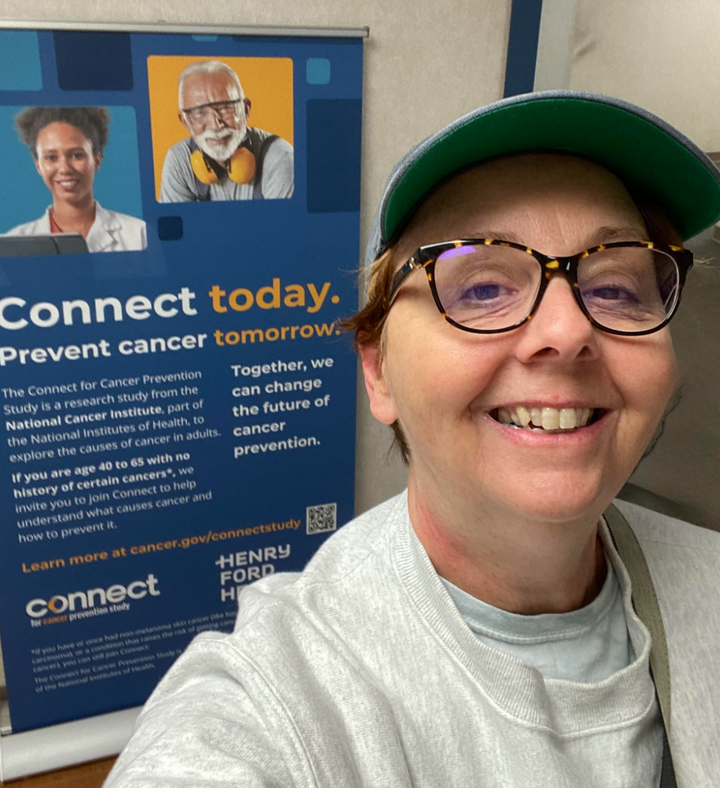
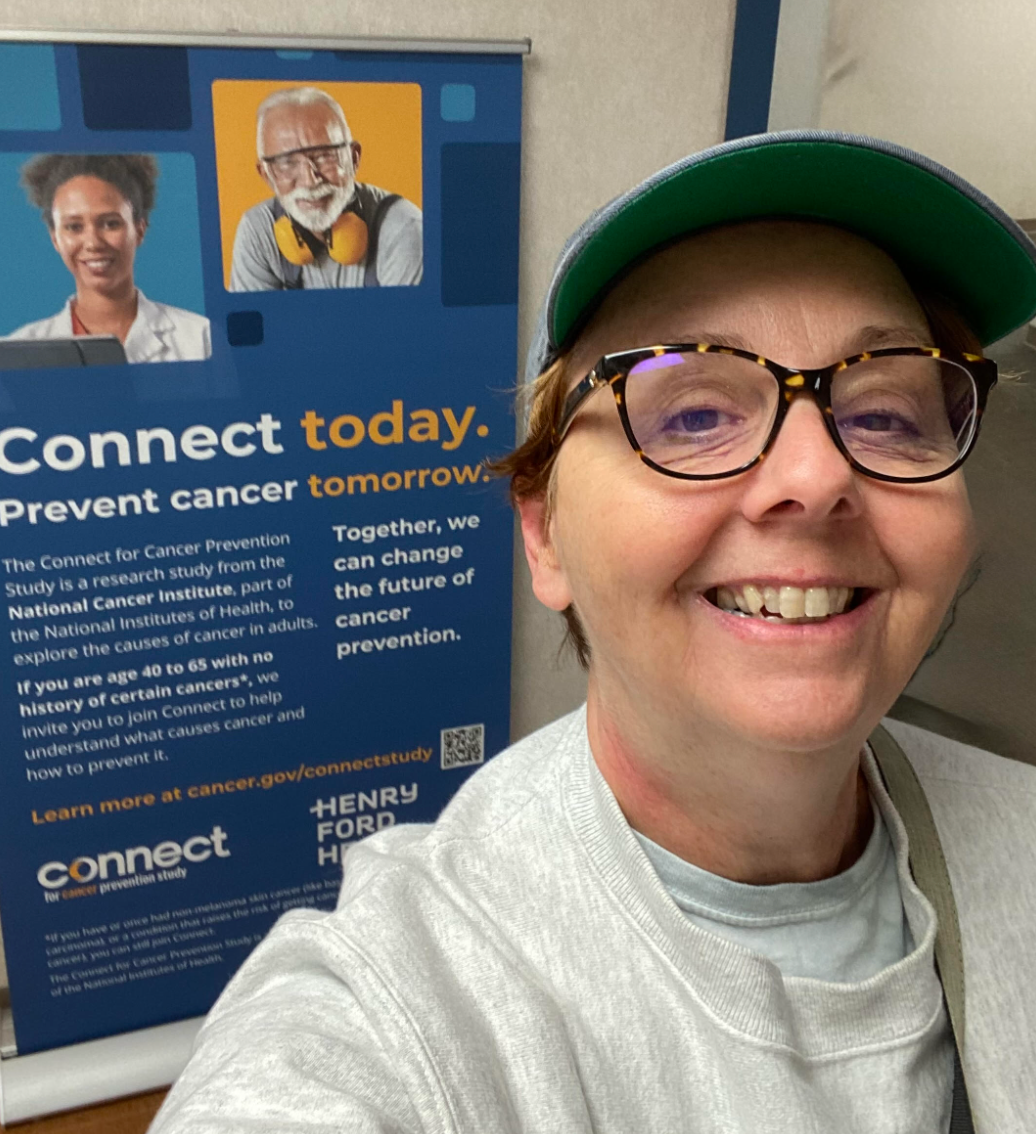
“I participate in a long-term cancer screening program,” the author writes.
My dermatologist referred me to gynaecology. In that department, especially without having an established relationship with a doctor, there was no one who would take my case. From there, I was sent to gynaecological oncology within the cancer centre. Several calls there also resulted in no doctors willing to move forward. While I wanted only for this cancerous lesion to be removed from my body, I was instead tossed from department to department as staff tried to determine who was best prepared to perform this unusual procedure.
Advertisement
Finally, I was referred to a melanoma surgeon within the skin cancer department. A nurse phoned on day three and said the surgeon was well-practiced in these types of melanomas and would take my case. She could squeeze me in to meet with her a week later, and scheduled surgery for the week after that. I phoned my children and we made plans for my daughter to travel from Chicago to be with me for my appointment. We had a plan, and I felt better, but I didn’t realise how large a bullet I had just dodged.
Throughout my late husband’s three-year experience with head and neck squamous cell carcinoma, we tried to stay away from online searches and rabbit holes. His cancer was understood primarily to affect heavy smokers and drinkers, though he was neither. It was through our own and his doctor’s research that we learned his cancer was caused by the human papilloma virus or HPV. Having that knowledge provided his care team with a more specific approach, one that, though too late to save him, has allowed for better treatment protocols today than existed in 2009.
However, researching a cancer diagnosis can also lead to anxiety rather than calm or focus. Remembering this, I refrained from any internet searches until I met with my new cancer surgeon, a young woman whose matter-of-fact demeanour quickly calmed me. Once in her office, I peppered her with the questions I’d been too afraid to type into a search engine: How did this happen, why had I never heard of melanomas in this location, and, most importantly, what was the long-term prognosis? Her answers were surprising.
Advertisement
Because of their location, labial melanomas are rarely caught at an early stage as mine was. Usually, according to my surgeon, they are not caught until they begin to cause discomfort, bleed or become a large mass. By that time, the melanoma has grown deep into the skin and excision, and removal is more difficult. And because of their location close to many lymph nodes, they can spread aggressively. I looked across the room at my daughter, who had lost her father to cancer when she was just 13, and noticed we had the same shocked look on our faces as we understood the situation: had my diagnosis come later, my outcome could have been completely different.
Nearly 40% of vulvar melanoma patients present with regional or metastatic disease (Stage III or Stage IV) compared to only 13.6% of cutaneous melanoma (those on more common areas like arms, legs, back, etc), which means vulvar melanoma is more likely to have spread via the lymph system by the time the patient presents to the doctor. A patient at Stage III has a five-year survival rate of about 48%. At Stage IV, that drops to a 25% rate of survival. Though vulvar or labial melanomas are rare, they most often occur in older women. And while I was beating myself up for my preteen suntanning, there is no definite connection between vulvar melanomas and sun exposure.
Though melanoma is the sixth most common cancer in women, only 0.2% of 100,000 women per year will be diagnosed with a labial melanoma, which primarily affects white, postmenopausal women in their 60s. The rarity of the diagnosis also means there’s little study of these cancers, though there also appears to be no connection between them and HPV or other STDs. As stated in a study by the National Institutes of Health (NIH), these melanomas are often asymptomatic and presentation is delayed by that and a lack of easy self-examination.
Advertisement
Courtesy of Lori Tucker-Sullivan
The author with her late husband Kevin, prior to his cancer diagnosis.
Surgery took over an hour while I was under anaesthesia, and recovery took a few weeks, during which it was important to restrict movement and keep the wound very clean. Pain meds kept the discomfort at bay but didn’t address the lingering worries. In addition to my physical care, I also met with my therapist to continue processing how close I came to a much more serious situation and how I might turn my gratitude into advocating for prevention in others.
Because the freckle on my labia was caught when it was, I was told I have a less than 3% chance of recurrence and no further treatment. My surgeon will check me every six months, and my new dermatologist, who specialises in vulvar cancer, will see me every three months for two years. Provided nothing new is discovered, I’ll return to annual check-ups. But my prognosis is this good only because it was detected so early.
Advertisement
When I returned for a follow-up appointment with my primary care doc, she reminded me that many postmenopausal women skip regular pelvic exams, or are confused about how often they are needed. Instead, they should speak with their doctors about the frequency, which is based on their personal health history, and whether they currently have symptoms.
Just as most dentists now check for oral cancer, doctors other than oncologists can help examine for vulvar cancer. A simple request to a gynaecologist to check the skin for unusual spots during your regular pelvic exam, or a request to the dermatologist to include the vulva during your annual skin checks, are easy ways to possibly detect cancer at an earlier stage.
At my primary care doctor’s office, we hugged, tearing up as the two of us realised what her attention and urging had prevented. Bringing my awareness to a seemingly innocuous spot in an unusual place prevented me from having a terrible and possibly fatal diagnosis. For that I am forever thankful.
Advertisement
Lori Tucker-Sullivan is a writer and educator in Detroit. Her work has appeared in The New York Times, Washington Post, Salon, and others. Her book, “I Can’t Remember if I Cried: Rock Widows on Life, Love and Legacy,” was released in 2024 and profiles widows of her favorite musicians and what they taught her about grief. She is currently at work on a memoir of her marriage bookended by home renovation and her late husband’s cancer diagnosis.
I work from cafes most days. My regular place is good, but sometimes on my travels, I see things that make me question my caffeine addiction.
More than once, I’ve watched someone finish a glass of water and put their empty cup back in with the clean ones. So, now when I pick up a glass and it’s damp, I can’t tell if it’s wet from use or wet because it’s been washed, and I go without. It’s one of many unhygienic behaviours that seem rife in coffee shops.
Daniel Day via Getty Images
You may want to think twice before pouring from that shared milk carafe into your coffee.
Advertisement
Matt Woodburn-Simmons worked as a barista for years and now runs the Home Coffee Expert website. His first rule is: do not touch the milk.
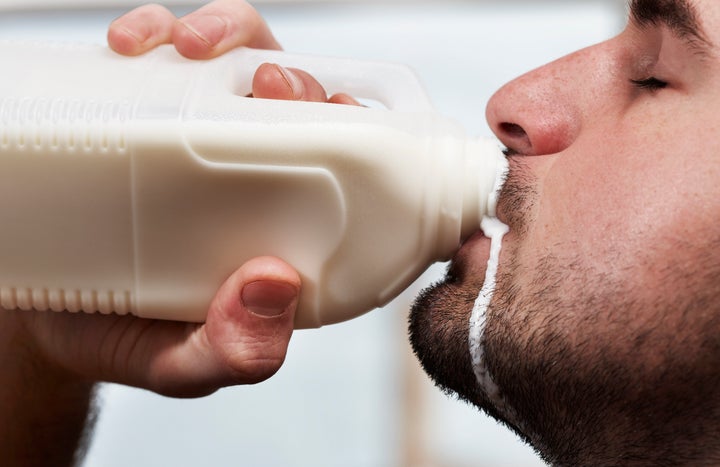
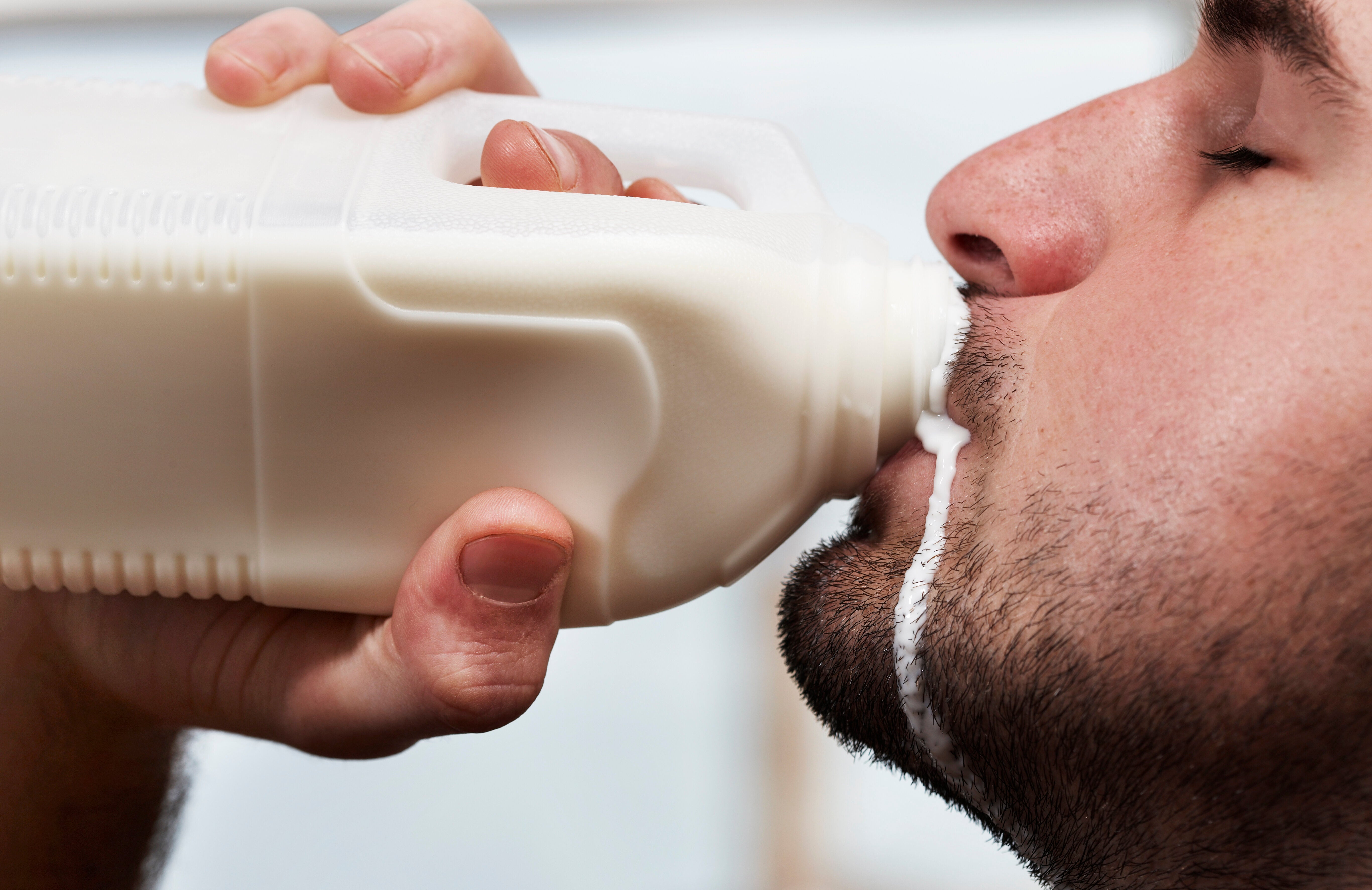
In the hotter months, especially, people drink straight from the communal carafe, he said. “Full lips wrapped around it and chugging the milk while waiting for their coffee. I imagine people would rather their milk was not French kissed by a stranger before use.”
The honey is nearly as bad. Woodburn-Simmons watched people squeeze it onto a finger and lick it or wipe the drip from the nozzle and lick that, too. “Hundreds of fingers a day going onto the end of the honey nozzle is a superspreader event waiting to happen,” he said.
Advertisement
Shanina Knighton, an infection preventionist and nursing professor at Case Western Reserve University, can explain why the milk is so bad.
“Milk is about the friendliest thing you can hand a bacterium,” she said. “It is full of protein and sugar, it sits warm or lukewarm in the line, and it leaves a thin film on everything it touches. That film is where the trouble starts.
“Once a little milk dries onto a spout, a gasket or the inside of a dispensing tube, it gives bacteria a place to settle, and what grows there is a biofilm, a sticky layer of microbes that anchors to the surface and laughs off a quick rinse.”
Advertisement
“
I would never touch the milk, ever.
Topping up a half-empty jug only makes it worse. “When someone adds new milk on top of the old without emptying and washing the container first,” Knighton said, “whatever was living in that residue gets a fresh meal and a running start.”
Woodburn-Simmons saw that happen often. “Milk jugs with a crust around the spout,” he said, refilled multiple times and never cleaned. “I would never touch the milk, ever.”
Advertisement
Lids are also a concern. Elliot Sterling once watched a man find the communal milk almost empty, shake it vigorously over his cup, and then place his whole hand flat on the lid stack and drag it smoothly down the entire row. “Three people used those lids after him,” Sterling said, “and I used them as well before I realised what was happening.” He takes his from the middle of the stack now.
“People separate a stack by pawing through several lids before they commit to one,” Knighton said, “and the part they are handling is the same part that ends up against someone’s mouth. Most of what we touch in a day never reaches our lips, so it forgives a lot. A lid rim does not.”
“Lids themselves were never cleaned, just left on the assumption they were fine,” Woodburn-Simmons said. When the morning rush hit, the wipe-downs lapsed too. “Wiping down the area became an only-when-absolutely-necessary job,” he said, which on a bad morning meant “three to four hours.” He still remembers the puddles of spilled milky coffee left to spoil and people setting their lids down in them.
Advertisement
The horror stories continue. At a Toronto coffee shop, Philip Stoelman saw a customer lick the communal stir spoon and drop it straight back in the jar. “That person didn’t even think twice,” he said. Stoelman has carried his own stir stick ever since. JoAnne Loftus switched to a water bottle after watching someone in an Austin cafe rinse a used mug in the self-serve water-glass bin and refill it. “They didn’t even use the sink,” she said.
Tatiana Terekhina via Getty Images
At a Toronto coffee shop, Philip Stoelman saw a customer lick the communal stir spoon and drop it straight back in the jar.
Knighton has her own story. She once ordered an iced latte and watched the worker handle a credit card, then reach in and “grab the tip of my straw with their bare hand.” She asked for a fresh one. The worker held up the box kept under the counter. “Every straw in it had a visible coating of dirt,” she said. “They were clear straws, so there was no missing it.”
Advertisement
Woodburn-Simmons has a longer list. Customers clipped their nails while they waited, “nail clippings going everywhere.” Parents handed sugar packets to children who sucked on them and put them back – “kids being germ factories.” One person even fished an unused sugar packet out of the bin and put it back.
By now you might want to swear off self-serve stations entirely, but you don’t have to. “Bacteria live on practically everything we touch,” Knighton said, “so the real question is never whether something is there, but whether enough of the wrong kind is there to matter.”
Dr. Shilpi Agarwal, a board-certified family physician, has two rules at the station. The first is about the lid. “Customers often put their lid face down on the counter,” she said, after a mouth or dirty hands have already been on it. “Place down a napkin, then place your lid on there rather than resting it on the bare counter.”
Advertisement
The second rule skips the station altogether. “Ask for a top-off of warm milk,” she said, so the barista handles the dairy, and you never touch the jug. “Only touch what you need.”
Knighton’s test for a bad station needs no equipment. “Learn to read a station by its moisture rather than its shine,” she said. “Standing liquid, crusted residue, overflowing trays and a sticky dispensing area tell you far more about how a place is run than a spotless countertop ever will.”
I’m still a coffee addict, though after speaking to Woodburn-Simmons, I’m beginning to consider quitting. “The general public are way more disgusting than you think they should be,” he told me.
That’s important because once you lose enough enamel – the hard outer layer of your teeth – you can’t get it back. This is why dentists use crowns and fillings to treat decayed teeth.
Advertisement
But a gel might change that.
Researchers have created a “bioinspired material” that seems to repair and, to some extent, regrow enamel.
The study authors hope it can “provide a one-pot solution for the regeneration of dental enamel independently of the level of tooth erosion”.
How does it work?
The fluoride-free gel mimics the proteins our bodies naturally use to grow teeth as infants.
When it’s first applied – a bit like specialised fluoride treatments are used now – it fills in existing gaps and cracks in the surface of the tooth.
Advertisement
It also acts as a kind of scaffold that attracts the calcium and phosphate ions from our saliva, which in turn build a protective layer.
They also encourage the existing enamel to get stronger through a process called epitaxial mineralisation.
That means the stronger outer part becomes strongly bonded to the tooth underneath, and makes what original enamel is left tougher.
Advertisement
Even better: after rigorous testing, the protection created by the gel was able to stand up to chewing, brushing, and acidic foods, like enamel.
Researchers are excited by its potential
The study’s lead author, Dr Abshar Hasan, said: “Dental enamel has a unique structure, which gives enamel its remarkable properties that protect our teeth throughout life against physical, chemical, and thermal insults.
Advertisement
“When our material is applied to demineralised or eroded enamel, or exposed dentine, the material promotes the growth of crystals in an integrated and organised manner, recovering the architecture of our natural healthy enamel.”
And study lead Professor Alvaro Mata added: “We are very excited because the technology has been designed with the clinician and patient in mind. It is safe, can be easily and rapidly applied, and it is scalable.
“Also, the technology is versatile, which opens the opportunity to be translated into multiple types of products to help patients of all ages suffering from a variety of dental problems associated with loss of enamel and exposed dentine.”
Advertisement
The scientists hope to get the product on the shelves soon via Mintech-Bio.