The Runway to a 30-Day Challenge

I often do diet experiments in the form of 30-day trials (or longer). I define a crisp plan to follow, and then I strictly adhere to those boundaries for the time of the experiment.

Usually before I begin a clearly defined challenge, I first go through a period of whittling away temptations. This phase typically begins a few weeks before the start of the challenge. During this time, I’ll identify the most tempting foods and gradually eat them till they’re gone. I try not to overdo it by binging on them. I just naturally let them run out at whatever rate I was eating them before. I stop replenishing those foods, so I won’t have them in the house to tempt me while I’m doing a stricter trial.

This isn’t always possible or practical, but it definitely helps in some cases.

It’s easier to do a caffeine-free challenge if there’s no hipster coffee left, and the only remaining source of caffeine in the house consists of some crusty bags of green tea leftover from hotels.

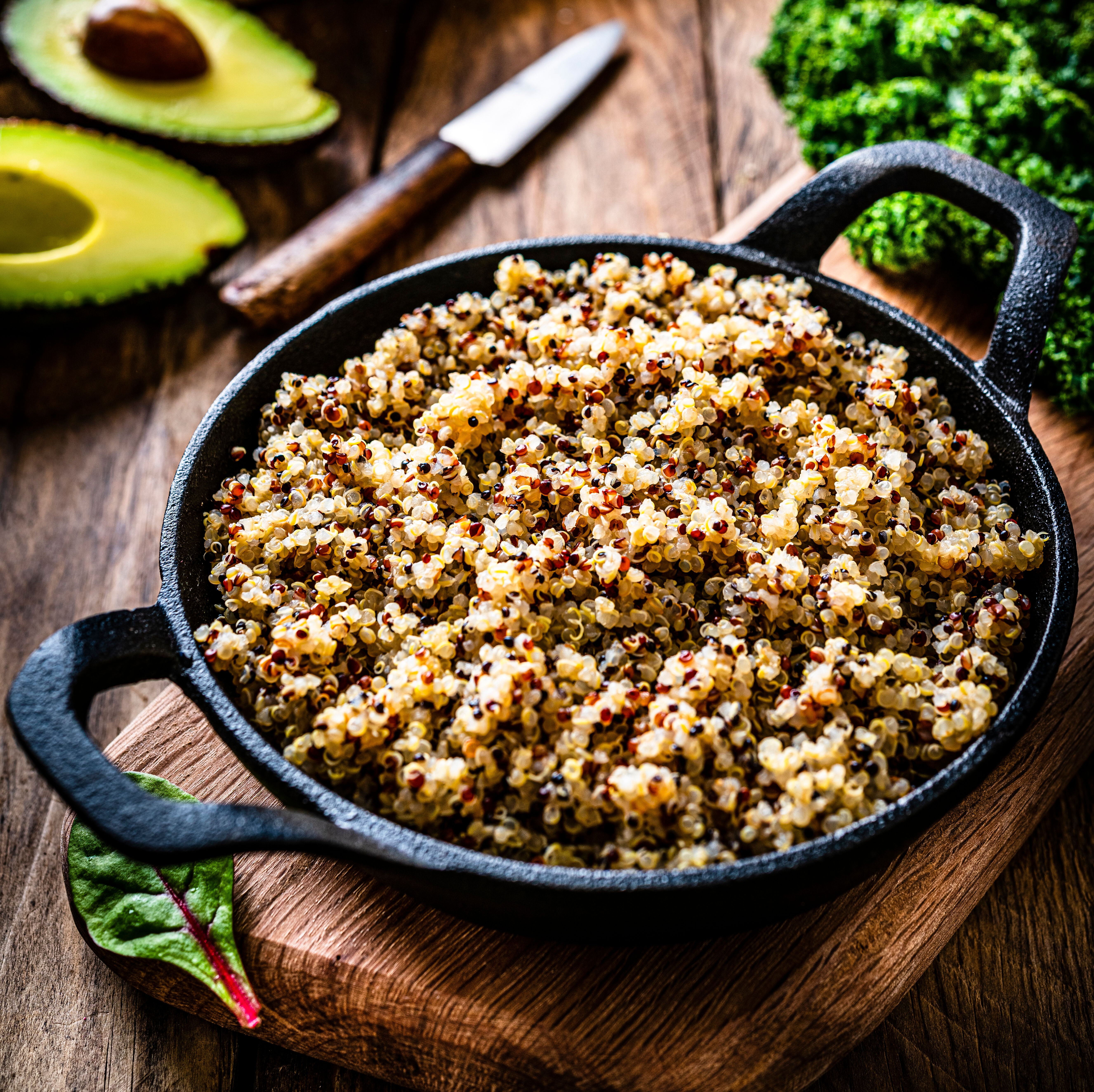
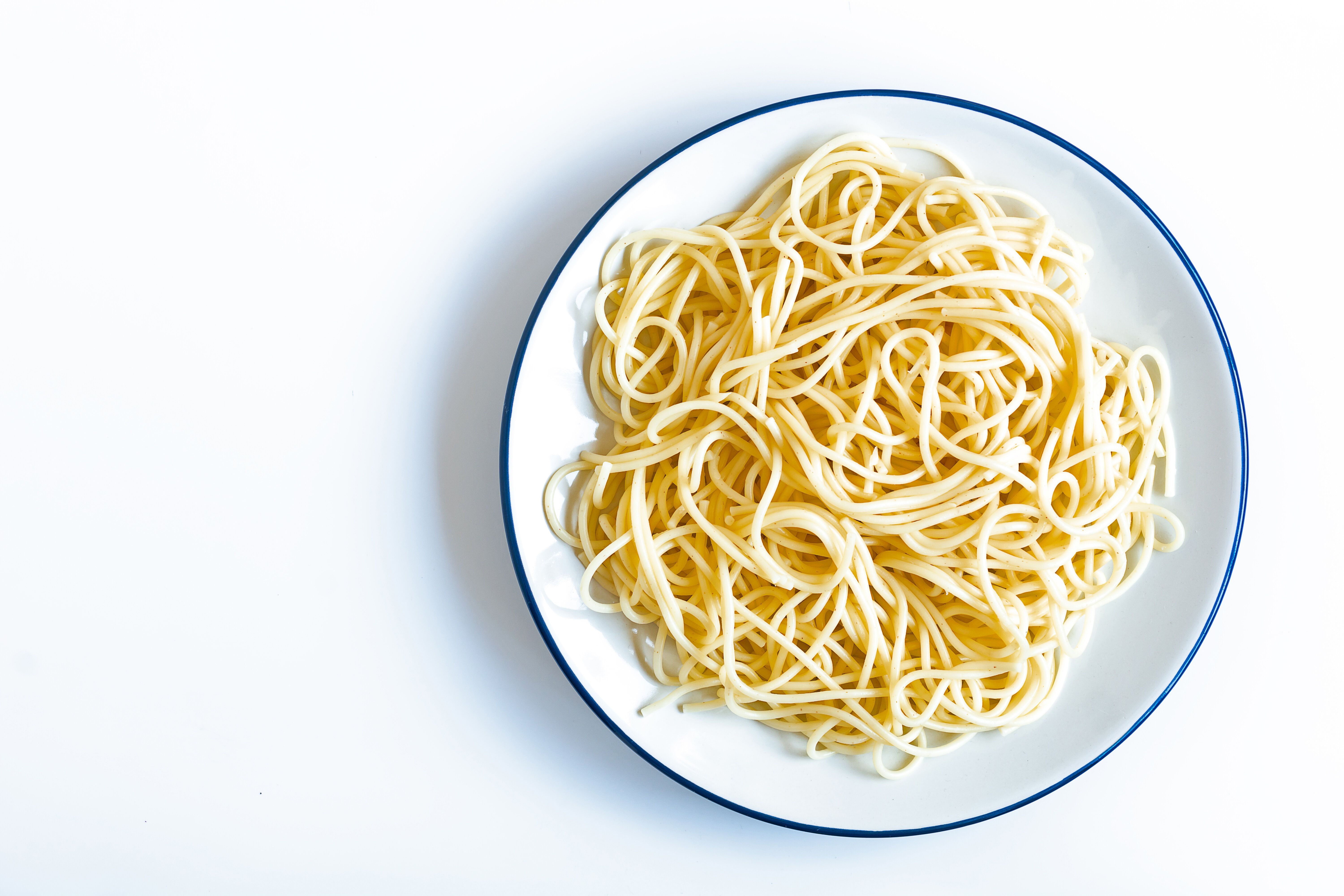
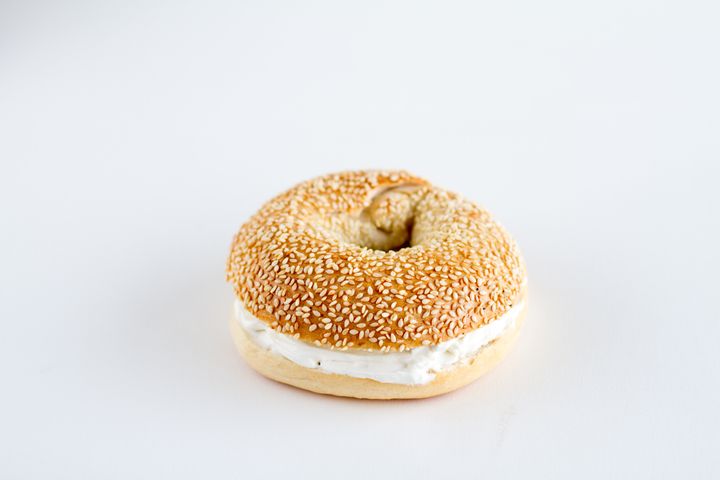
When I decided to do a grain-free, bean-free, and sugar-free month (which was August 2020), I gave myself time to finish up the tofu and didn’t buy more of it. I often air-bake tofu and add it to salads, so this gave me a little extra time to adjust back to tofu-free salads.

When doing an interesting diet experiment, there are a cascade of smaller changes stacked on top of each other. I often find it easier to begin the process of change a few weeks before my stricter challenge begins, so I can unpack and roll out some of those smaller changes at a more gradual pacing. This gives me some practice time with those little changes before the full challenge begins.

By the time Day 1 of the challenge comes up, I’ve already made some modest changes in the weeks leading up to that. I might already have been tofu-free, chocolate-free, or bread-free for a few days to a few weeks beforehand. I’m already eating some meals consistent with the challenge.

This approach helps me mentally prepare for the challenge without feeling like I’m taking a big dive off a cliff. I gradually strengthen my commitment as I approach the starting line, so by the time I get there, I already have some momentum building in the right direction. This make Day 1 and especially Week 1 easier.

Another benefit of this approach is that it trains me to notice unplanned challenge opportunities. I’m accustomed to beginning a challenge with a runway, so I occasionally find myself heading down what could be considered a runway to some kind of challenge that I haven’t identified yet. I remain on the lookout for accessible challenges that could fit my current runway, even when I’m not deliberately aiming for a specific challenge. For instance, the COVID situation became an extended runway into more personal projects, including my current 30-day novel writing challenge.

If you struggle with 30-day challenges, especially making it past the first week, consider building a longer runway. Transition into your challenge more gradually, so there isn’t such a sharp dividing line before your final pre-challenge week and your official Day 1.

Just be careful about using this as an endless delay tactic, always prepping and never actually doing. 🙂

Share Button

I’m A GP. I’m Worried We’re About To See A Medical Mental Health Crisis

HuffPost is part of Verizon Media. We and our partners will store and/or access information on your device through the use of cookies and similar technologies, to display personalised ads and content, for ad and content measurement, audience insights and product development.

Your personal data that may be used

  • Information about your device and internet connection, including your IP address
  • Browsing and search activity while using Verizon Media websites and apps
  • Precise location

Find out more about how we use your information in our Privacy Policy and Cookie Policy.

To enable Verizon Media and our partners to process your personal data select ‘I agree‘, or select ‘Manage settings‘ for more information and to manage your choices. You can change your choices at any time by visiting Your Privacy Controls.

Share Button

Boris Johnson To Announce ‘Major’ Covid-19 Community Testing Programme

HuffPost is part of Verizon Media. We and our partners will store and/or access information on your device through the use of cookies and similar technologies, to display personalised ads and content, for ad and content measurement, audience insights and product development.

Your personal data that may be used

  • Information about your device and internet connection, including your IP address
  • Browsing and search activity while using Verizon Media websites and apps
  • Precise location

Find out more about how we use your information in our Privacy Policy and Cookie Policy.

To enable Verizon Media and our partners to process your personal data select ‘I agree‘, or select ‘Manage settings‘ for more information and to manage your choices. You can change your choices at any time by visiting Your Privacy Controls.

Share Button

Here’s When You’re Most Infectious With Covid-19, With And Without Symptoms

HuffPost is part of Verizon Media. We and our partners will store and/or access information on your device through the use of cookies and similar technologies, to display personalised ads and content, for ad and content measurement, audience insights and product development.

Your personal data that may be used

  • Information about your device and internet connection, including your IP address
  • Browsing and search activity while using Verizon Media websites and apps
  • Precise location

Find out more about how we use your information in our Privacy Policy and Cookie Policy.

To enable Verizon Media and our partners to process your personal data select ‘I agree‘, or select ‘Manage settings‘ for more information and to manage your choices. You can change your choices at any time by visiting Your Privacy Controls.

Share Button

Pleasure Is Not Addictive

Here’s an interesting frame for thinking about the connection between pleasure and addiction. It’s not the only frame you can use, but I think it’s a useful perspective to avoid some confusion.

The Experience of Pleasure

Pleasure is a frequency of experience. By itself it is not harmful or addictive, just as water isn’t addictive per se. Pleasure can be a worthy pursuit when approached with some degree of respect, sacredness, or reverence. You can enjoy the deliciousness of pleasure without getting into trouble.

Please do not see pleasure as anything naughty or perverse. It is absolutely fine to explore pleasure. There is beauty in it.

There are risky attachments to pleasure, like drug or sex addiction, where the person is no longer in control, and subconscious drives are controlling the person’s behavior.

There is no inherent need for pleasure though. It is a drive but not a need. When someone loses control in an addictive way, it is not because of a need for pleasure. There is another way of looking at this that reveals deeper truths.

The Reward of Pleasure

Pleasure is simply a reward. It’s an algorithm. It’s an energy. When certain conditions are met, pleasure is activated. You understand how to meet some of those conditions and activate some pleasure whenever you want. Other activations may be within reach too, but you may not have explored them yet.

Pleasure is like a carrot dangling in front of certain experiences. You feel it in sexual experiences but also during a shopping experience that you liked or upon reading an engaging book. You feel it when you get on a plane to go somewhere interesting.

You may have been conditioned to believe that pleasure is something naughty, dark, or sinful. It’s indulgent. It’s a side excursion. It’s a form of procrastination. It’s unnecessary. It’s addictive.

But such assumptions are inaccurate and will only create extra stuckness. Pleasure isn’t addictive.

Pleasure and Addiction

If pleasure itself isn’t addictive, then what is addictive?

The way you frame pleasure can be addictive. It’s addictive to see it as naughty, dark, or sinful. It’s the shame that’s addictive.

How so?

What is addiction? An addiction is a repetitive behavioral pattern that seems outside of one’s control. Such a pattern is typically activated subconsciously, right? What are those activators? They’re also algorithms. They’re energy forms too, but let’s think of them as algorithms for now.

What would those algorithms look like? What is their internal code? They are not complex.

Here’s the basic algorithm of addiction, reduced to one line of code:

If there’s something I don’t want to deal with, pursue pleasure instead.

You could frame this in a variety of other ways too, like pursuing lesser pain instead of pleasure, but this is a pretty straightforward way to understand addiction.

It’s the avoidance pattern that’s addictive. The person doesn’t feel free to go against pleasure because that means going into the unpleasant.

Engaging with the Unpleasant

So the solution to addiction is more courage? Or more tolerance for the unpleasant?

The solution is more willingness to engage with the unpleasant. More desire to deal with the ugliness of life. More desire to go into the muck.

The irony is that the person may see their addiction as dark and shameful, so they feel they’re going into the darkness when they’re in the thick of it. But really what they have is a cheap substitute. What they’re doing isn’t particularly shameful, but it helps them hide from the bigger shame – like the shame of wasting one’s life, the shame of being a virgin longer than expected, the shame of being afraid of social interactions, the shame of facing awkward and difficult personal growth challenges, the shame of not making “enough” money, the shame of feeling like a failure, the shame of falling behind one’s peers, the shame of being physically unhealthy or out of shape, the shame of past traumas, and so on.

It’s easier to feel ashamed of a simple addiction, and this kind of small shame is also a convenient distraction. By hiding in the darkness of an addiction, the bigger darkness is avoided.

Can Rock Bottom Be Avoided?

What does it mean to hit rock bottom? It means that the delusion of the addiction cracks, and real life seeps in. The bigger shames must finally be dealt with and can no longer be suppressed.

How can a person crack an addiction instead of having to hit rock bottom?

One must turn and face the bigger shames. Process those feelings. Engage with goals and actions in the direction of greater shame. And that in turn requires transforming one’s relationship with these areas of shame or resistance.

This doesn’t mean these other shames will necessarily be massive. They may be just a little bigger than the addictive shame. But they still represent neglected areas where progress is weak. Decide to kickstart progress in those areas by transforming how you relate to them, and the shame of the addiction will naturally fade because the bigger shame is finally being dealt with.

The bigger reframe here is to walk towards shame, not to run from it. Shame is a delusion waiting to be cracked. What cracks the delusion is to flow energy into it. Face it and confront it, not to do battle but by seeking the beautiful invitation hiding in what you were previously avoiding.

Must You Confess Your Addiction?

People often step into this confrontation by socially acknowledging and admitting their addiction. They confess the dark secret to other people. That is a good step for some, but it can also be a distraction. That addiction isn’t really the core issue, so over-focusing on it as something to be overcome can just create more rounds of avoidance of larger issues.

Just as the phase of addict is a distraction, so is the phase of recovering addict. Note that many people permanently overcome addictions without ever labeling themselves as recovering addicts.

The risk here is getting caught up in further cycles of overcoming the addiction instead of pressing forward in other areas. Trying to overcome the addiction can be just as much of a trap as hiding the addiction. The addiction stems from a larger problem, and focusing so much energy on the addiction itself, including debating whether or not to admit it publicly or fussing over how to overcome it, is for the most part a distraction that keeps your mind focused on the addiction. But the addiction (and recovering from it) is still a petty problem relative to the bigger challenges that life is inviting you to face.

Another trap is that you won’t really solve this problem by focusing on your relationship with pleasure, such as by trying to distance yourself from the pursuit of pleasure. You can have a lovely relationship with pleasure and not get addicted to it. Pleasure can be a fun part of your life, and it needn’t control you. Pleasure isn’t the problem.

Instead of trying to resolve your relationship with pleasure, as if it’s something demonic that keeps ensnaring you, focus on improving your relationship with pain instead – with areas of shame, trauma, sorrow, fear, anxiety, etc. Develop a healthier and stronger relationship with the bigger darkness that you’re hiding from. See that it’s not actually so dark as you imagined. And your relationship with pleasure will be much transformed.

The Circular Trap of Resisting Addiction

Even when seemingly addictive physical substances are involved, it’s the darkness, naughtiness, and demonization of those substances that creates the bigger trap. This framing encourages you to devote more energy into overcoming a pleasure-based addiction again and again, all the while doing circular activities that keep you from attending to the bigger, scarier, and juicier challenges of life.

Addiction is a solution to a problem: How can I avoid dealing with life’s greatest challenges?

Answer: I can repeatedly lose myself in a recurring loop of succumbing to, resisting, and then overcoming an addiction. I can turn that endless cycle into my demon, so all scarier demons can be ignored indefinitely.

Life’s big demons may tempt you into retreat. Often that may be a retreat into pleasure, but it can also be a retreat into a lesser pain. Not all addictions are pleasure-based.

Haven’t you ever indulged in some seemingly addictive pleasures without getting addicted to them? You can enjoy pleasure by choice, and it needn’t become addictive.

Note that addictions are most seductive when there’s something much bigger and scarier to be avoided.

You can enrich your life with plenty of pleasure. But don’t treat it like a private shame to escape into. See it as a healthy, positive, and enjoyable experience to have.

Your Relationship with the Unresolved

You do not need immediate solutions to life’s biggest challenges. What’s needed is an improvement in your relationships with those challenges. Instead of seeing them as curses or demons to be avoided, try framing them as invitations to learn, grow, and improve.

Even if you don’t overcome all of those challenges, that’s okay. You can still maintain a healthy and engaging relationship with them. You needn’t allow the unresolved to beat you down.

How do you overcome an addiction?

Identify and face the bigger shame, and the addiction will crack. Be willing to face, reframe, and deal with whatever you’re avoiding. Then you won’t need to hide out in the cozy corner of addiction and recovery.

When the urge to engage with an addiction arises, ask: What am I avoiding? Why must I avoid it? What’s so scary about it? How can I face it now? How is this an invitation to growth and beauty?

That will help. Face the difficult and the frightening, and addictions will no longer serve as escapes. Look for the beauty behind your fear and shame.

The Gifts of Pleasure and Pain

Transforming your relationship with the shame and pain of life will also upgrade your relationship with pleasure. Pleasure is a gift to be enjoyed, but if you try to treat it as an escape from pain, the pain will soon find its way inside of that pleasure.

Notice how delightful a pleasure can be when you approach it with purity of intent – just for the sake of enjoyment, not as an escape from pain or difficulty.

Face the pain of life. Accept the invitation and the challenge of it. And also embrace the pleasure of life. Accept the invitation to feel good. Just don’t pursue a relationship with one at the expense of the other.

Share Button

Inspiration Doesn’t Run Out

Recently I saw a NaNoWriMo participant complaining of running out of inspiration. Their writing had hit a wall, and the lack of inspiration was to blame.

That strikes me as an odd and hugely misleading way to think about inspiration, like it’s a resource that can run dry. Truthfully it never runs dry.

Saying you’ve run out of inspiration is like saying you’ve run out of sights or sounds. You could become blind or deaf, but the sights and sounds are still present. There are visuals to look at and sounds to be heard, and they don’t run out – or at least they won’t run out during your lifetime.

Inspiration is much the same. It’s always present. It’s a collection of signals that are always broadcasting – all the time and on multiple channels. Inspiration never switches off. This resource is always available to you. For all practical purposes, it is infinite.

Just as you will never run out of sights to see or sounds to hear, you can never run out of inspiration. There is more inspiration available than you can possibly channel, even if you write, speak, or create 24/7.

When people can’t access inspiration, it’s like this scene from The Three Stooges:

Larry: I can’t see! I can’t see!

Moe: What’s the matter?

Larry: I got my eyes closed!

Moe pokes Larry in the eyes.

If you can’t access inspiration, the inspiration itself isn’t the problem. Those signals are broadcasting loud and clear all the time. The problem is with your equipment.

Inspiration and Brain Health

Almost always the problem is physical in nature. It’s a health issue.

You use your eyes and your brain to see light. If you can’t see anything when there is light hitting your eyes, that suggests a problem with your eyes or brain.

You use your ears and your brain to hear sounds. If you can’t hear anything when sounds are entering your ears, that suggests a problem with your ears or brain.

You use other parts of your brain to tune in to the flow of inspired thoughts and ideas. If you cannot perceive anything when you attempt to tune in, that suggests a problem with your brain. Something is preventing you from properly accessing this natural ability.

If you have a problem with your eyes or ears, you can go to a doctor to get diagnosed and treated. If the doctor is competent and the condition treatable, you may be in luck. Unfortunately doctors cannot cure all cases of blindness or hearing loss, and in some cases they cannot even agree on a diagnosis of the cause. Nevertheless, they still typically consider the problem to be physical in nature. Even if the problem is labeled psychological, it’s still a physical problem with the brain instead of the eyes or ears. Some part of the brain is preventing the signals from being interpreted correctly.

Many writers love coffee, tea, and other stimulants. Why? These substances temporarily change the brain’s normal functioning, which can make it easier to tune in to the flow of inspired ideas. It’s like an eye poke to force your eyelids to open. Of course if you rely on this method too much, it can be like getting too many eye pokes, which probably isn’t good for your long-term eye health.

Just as modern society can strain our eyesight and hearing, it can strain our inspiration circuitry even more. That flow of inspiration tends to be more sensitive to degradation when the brain is stressed, especially by poor diet, lack of exercise, and environmental toxins.

We don’t commonly hear laments about lacking inspiration from people who eat super clean diets, such as raw foodists. Hang out with such people for a while, and you’ll generally witness the opposite – an abundant flow of inspired ideas, available at all times.

Treat the Causes

When there’s a lack of inspirational flow, don’t think of it as a psychological or motivational failing. Don’t think of it as a self-discipline problem. See it as a health warning that you should take seriously.

Losing one’s ability to tune in to the flow of inspiration is the canary in the coal mine. It suggests that you’re heading down the wrong path health-wise. Your brain’s loss of ability signals danger. Treat this as seriously as if your eyesight or hearing starts to go. Your lifestyle is degrading your brain’s capabilities.

If I want to reduce my sensitivity to the flow of inspired ideas, that’s relatively easy. I can just eat more processed food , fewer whole foods, and fewer fruits and veggies. If I want to increase my sensitivity, I can stick with whole foods and eat lots of fresh fruits and veggies.

For a short-term boost, one or two green smoothies a day is great. A 45-minute cardio workout is also great because it rebalances hormones and neurotransmitters.

One of the most powerful habits for a high-functioning brain, especially when it comes to tuning in to inspiration reliably, is daily cardio exercise. A good minimum is 45 minutes.

If you ever run into writer’s block, try doing a one-hour cardio workout. Then drink a green smoothie (or sip on one while you write). Can’t do an hour-long cardio workout? That’s probably why you have writer’s block. If your body is that out of shape, so is your brain. Cardio doesn’t just exercise the body – it exercises and strengthens the brain too.

Our brains simply do not function well without regular exercise.

You may notice a difference in inspirational flow just from taking a day or two off from exercise. Take a week or more off from exercise, and the degradation of this natural ability will likely be significant.

For a really powerful long-term boost, eat 100% raw for a month or longer. The difference is undeniable. The cleaner your brain, the better it functions.

Maintain Your Inspiration Interface

Your brain is your interface for tuning in to the flow of inspiration. If you don’t maintain that interface, it’s predictable that you’ll run into problems with degraded performance. And if you’re already running into problems, there’s your invitation to permanently upgrade your health habits.

If your lifestyle involves feeding your body low-quality ingredients or disregarding your body’s need for regular exercise, creative blocks will serve to remind you that there’s a price to be paid.

Brain degradation is often cumulative. The longer you maintain habits that degrade your mental functioning, the more trapped you may become. You still have to use that same brain to work your way out of that trap, so don’t bury yourself so deeply that you can’t climb back up again.

Inspiration is a valuable personal resource. It’s a source of opportunity. It’s a way to connect with people. It’s readily convertible into other forms of abundance, including plenty of money if you so desire. But you need a properly functioning brain to intelligently leverage this resource.

One of the best decisions you can make is to permanently raise your health standards, and decide to never go back to a degraded level of functioning. Going vegan was a key turning point for me. Committing to regular exercise was another. I made both of those lifestyle improvements back in the 1990s. Those prior commitments are why my one-year blogging challenge for 2020 has been pretty easy. It’s straightforward to access the flow of inspiration every day – much like seeing and hearing – so I’m really just doing a typing challenge. 🙂

Struggling with creative blocks is like straining to see or hear. Step back and fix the underlying health issues. More strain isn’t a wise solution.

If your brain is healthy enough, you need never deal with writer’s block or other creative blocks. Or at least if they do arise, you know how to fix them. Imagine if you could just create, create, create as much as you want, whenever you want. Instead of trying to come up with ideas, you can enjoy the endless flow and dance with it as you please.

Share Button

We Need More Sleep, Less Screen Time. The Pandemic Is Messing With Both

HuffPost is part of Verizon Media. We and our partners will store and/or access information on your device through the use of cookies and similar technologies, to display personalised ads and content, for ad and content measurement, audience insights and product development.

Your personal data that may be used

  • Information about your device and internet connection, including your IP address
  • Browsing and search activity while using Verizon Media websites and apps
  • Precise location

Find out more about how we use your information in our Privacy Policy and Cookie Policy.

To enable Verizon Media and our partners to process your personal data select ‘I agree‘, or select ‘Manage settings‘ for more information and to manage your choices. You can change your choices at any time by visiting Your Privacy Controls.

Share Button

Sensitivity to Lying

Some people have a high tolerance for lying and falsehood. They can hang out around others who frequently share false information, deliberately or from ignorance, and it doesn’t seem to bother them. Either they don’t notice the falsehoods, or they aren’t much affected when they do notice.

I’m not one of those people. I used to be though. When I was younger I could hang around people who spewed nonsense left and right and be okay with it. That’s basically how I grew up, being taught lots of false religious ideas about how the world worked, only later to realize it was a pack of lies.

But just growing up in that kind of bubble didn’t make me sensitive to lying. If anything I think it made me less sensitive. Somewhere along the way, I developed numbness to lying. I could be in the presence of lying and falsehood, and it didn’t affect me much at all emotionally.

Going vegan, experimenting with raw foods, and doing lots of health-related detox significantly raised the sensitivity levels over time. I’ve written before about the many internal changes that going vegan caused, especially with respect to the heart-brain connection. Many senses and impressions became more sensitive as I made efforts to clean up my body.

I think fasting helped a little too – I’ve done a 17-day and a 40-day water fast – but that was late in the game for me. Fasting probably would have had a bigger impact if I’d done it much earlier, like during my 20s instead of my 40s.

Sensitivity Advantages

There are some nice advantages to this heightened sensitivity. I never get writer’s block because I’m sensitive enough to always tune into an abundant flow of ideas. I’ve published something new to my blog every day this year, and it’s not even difficult. The ideas mostly share themselves, and I take dictation.

I’m also super happy in my relationship with Rachelle. I adore and appreciate her so much. Each day we spend together is just delightful. I can’t help but smile when I see her. It’s wonderful being extra sensitive to feelings of love and gratitude and getting to feel those at full volume. It makes it so much easier to enjoy a beautiful relationship, especially with another sensitive person. Because we’re so sensitive to our feelings and each other, we’re really good at caring for each other.

So I wouldn’t trade this sensitivity for the world. It has added so much beauty to my life. I don’t think it’s the sort of thing you appreciate till you experience it though.

These benefits make me watch my diet and health habits and not let myself stray too far. If I eat a lot of heavier foods for a while – which for me is too many grains and beans (and foods derived from them like tofu) and not enough fruits and veggies – I can feel the sensitivity declining. But at least I know how to get back on track.

Eating more raw foods always brings the sensitivity back up again. Yesterday I had two large green smoothies and some other raw foods. This included bananas, cherries, blueberries, clementines, spinach, kale, mixed greens, celery, and cucumber. I can feel the difference this morning. I feel happier than usual. Writing feels even easier than it normally does. The simpler and cleaner my diet is, even on a day to day basis, the less friction I experience mentally and emotionally.

Sensitivity to Lying

Here’s a potential downside though. I’ve become a lot more sensitive to lying, falsehood, and deceit than I was 30 years ago. Watching, listening to, or reading lies and false statements causes a palpable reaction in my body. I’m not in control of that reaction when it happens, except that I can prevent or disrupt it by sabotaging my body itself, like by eating lots of heavier foods.

Many people joked about drinking lots of alcohol during the election, which is an effective way to suppress emotions for those who are more sensitive. Of course if you overdo it, you may just be swapping some negative reactions for others.

I have a strong negative internal reaction every time I watch Donald Trump speak. The reason is simple. He lies constantly.

I don’t exactly know why my body reacts the way it does, but it does react. I feel emotionally disgusted. Sometimes I feel a bit nauseous. It’s like I just had a spell cast on me that’s about to make me vomit up some slugs.

My body reacts similarly in the presence of Trump supporters when they talk about him. Whether intentional or not, they always resort to sharing lies and falsehoods to justify their support. There’s just such a huge abandonment of truth in that space.

I like being around people who speak the truth, and Trump and his supporters just don’t. At least I’ve never encountered one who does. Trumpism and falsehood always seem to go hand in hand, along with insensitivity to lying.

Interestingly I didn’t have this reaction to seeing Trump speak before he got into politics. Erin and I would sometimes watch The Apprentice when we were together, and while Trump was often a bit of a jerk on that show, it just seemed like ego-based entertainment and posturing. It’s different when the lying is sociopathic and directly harmful.

Trusting Your Inner Senses

At first I did my best to tolerate these feelings. And then I questioned why I should keep doing that. Is that really a wise approach? The feelings weren’t going down. They grew stronger and louder as the consequences of such lying grew even stronger, like lots of people dying unnecessarily.

In addition to being sensitive to my own feelings and senses, I also feel sensitive to other people’s feelings, and those have been especially loud this year. I could feel a lot of stress in the air.

The majority of people that I connect with regularly are also disgusted by Trump and his rampant lying, especially friends who live outside the USA. There are a lot of other sensitive people out there too, and I think many of them are good at broadcasting their feelings without always realizing it.

I opted to start trusting my body more. Otherwise I’m too tempted to disrupt my health to tone down those inner signals, and I don’t like doing that. I trust that this sensitivity exists for a good reason, especially since it produces so many other benefits that I don’t want to sabotage.

When I say that Trump supporters make me nauseous, I’m being literal about that. I recognize that it may sound like an exaggeration to someone who isn’t familiar with this kind of sensitivity due to lack of personal experience. I think many vegans and raw foodists will likely have an easier time recognizing that I’m speaking the truth here if they’ve experienced similar changes in sensitivity from dietary improvements. This effect is described in detail in some books too, such as Raw Emotions by Angela Stokes.

If you know that eating heavier foods and drinking alcohol can dull your senses and emotions, is it such a stretch to consider that eating cleaner can swing you the opposite way? How would you feel after drinking six shots of liquor? Now imagine how you could feel if you could somehow remove six shots worth of disruption from your body, starting from what you think is sober and normal. So many other aspects of life become easier, but then you have to live in a world where a lot more people seem like they’re drunk – mentally foggy, confused about their lives and purpose, and emotionally numb. It’s always tempting to want to return to the fold, but you can’t unsee what you’ve seen.

When you’re very in tune with your emotions and your inner senses, it’s hard to act against them – sometimes a LOT harder. The question then becomes: How much are you willing to trust these signals?

Trusting the Sensitivity

I do feel it was the right choice to honor those feelings, which led me to do some extra social purging during the past few years. That felt better than the alternative of engaging with bullshit again and again.

Last week I joked that I had to pay extra to upgrade my Facebook block list to 2TB. While I can look back and appreciate some of those connections for what they were, I also honor my body’s signal when it’s time to move on.

I don’t regret it. It was the right choice for me.

What I didn’t realize was that I can’t fully honor these sensitive signals while also trying to numb myself to them in some areas. If I put loyalty to friends first, I always lose something of much greater value. I have to honor the truth first and let my social circle align with that. And plenty of people do. I’ve grown closer this year to some good friends who are very sensitive too, and there’s so much more depth and beauty in relationships with sensitive people than with relatively insensitive ones.

So this has never been about politics for me. Nor is it about character either. It’s actually about trust – trusting the sensitivity that can be challenging to hear but keeps bestowing surprising gifts.

Moving on is a big part of personal growth, and it’s often difficult. I notice that when I do this intelligently, it’s a move into greater trust – trust in myself, trust in reality, or trust in the universe.

This kind of trust is hard. It’s so easy to doubt yourself. It’s easy to doubt your inner signals. It’s easy to want to numb yourself. It’s hard to let yourself sense what you’re sensing, feel what you’re feeling, and let that guide you.

Share Button

Nigella Lawson Doesn’t ‘Take For Granted’ That She’s Still Alive At 60

HuffPost is part of Verizon Media. We and our partners will store and/or access information on your device through the use of cookies and similar technologies, to display personalised ads and content, for ad and content measurement, audience insights and product development.

Your personal data that may be used

  • Information about your device and internet connection, including your IP address
  • Browsing and search activity while using Verizon Media websites and apps
  • Precise location

Find out more about how we use your information in our Privacy Policy and Cookie Policy.

To enable Verizon Media and our partners to process your personal data select ‘I agree‘, or select ‘Manage settings‘ for more information and to manage your choices. You can change your choices at any time by visiting Your Privacy Controls.

Share Button

Four Symptoms GPs Want People To Get Checked Immediately

HuffPost is part of Verizon Media. We and our partners will store and/or access information on your device through the use of cookies and similar technologies, to display personalised ads and content, for ad and content measurement, audience insights and product development.

Your personal data that may be used

  • Information about your device and internet connection, including your IP address
  • Browsing and search activity while using Verizon Media websites and apps
  • Precise location

Find out more about how we use your information in our Privacy Policy and Cookie Policy.

To enable Verizon Media and our partners to process your personal data select ‘I agree‘, or select ‘Manage settings‘ for more information and to manage your choices. You can change your choices at any time by visiting Your Privacy Controls.

Share Button