8 Lasting Changes We Might See In Children After This ‘Lost’ Year

The Covid-19 pandemic changed all of our lives, but for developing children, its impact may have more long-term effects.

“Every child’s experience of the pandemic is different based on their temperament and their home life,” Jacqueline P Wight, director of mental health services at DotCom Therapy, told HuffPost. “Many children have experienced mental health challenges, and we anticipate that for some of these children, there will be lasting effects. For others, the challenges were more situational and will subside as life returns to normal.”

There’s no easy way to know which camp your child may fall into, but parents can take note as the situation evolves.

“Children are starting to experience the ripple effects from the collective trauma of the pandemic, and the long-term implications of this ‘lost’ pandemic year may not be fully understood for years to come,” said licensed clinical social worker Nidhi Tewari.

“The good news is that children – and humans in general – are resilient beings, and we will begin to recalibrate as the threat of Covid-19 dissipates in the coming months and years,” she added. “If we take steps to attend to our mental health and well-being now, then we can mitigate some of the long-term impact of this pandemic.”

Ultimately, awareness is key. Below, Wight, Tewari and other experts share some potential long-term changes for parents to keep in mind as they guide their children through the coming months and years.

Understanding of loss

With the current Covid-19 death toll at more than 4 million worldwide, countless children have been exposed to loss and grief during the pandemic. For many, this may have been their first experience with death.

“For the thousands who lost parents, grandparents and other loved ones, the loss is immeasurable, and grief and bereavement can take many forms,” said Dr. Ilisse Perlmutter, director of child and adolescent psychiatry at Talkiatry.

Even those who haven’t lost a loved one may have felt grief over lost experiences or opportunities. Parents should be prepared to help their children cope with grief and understand that it’s all part of the human experience.

“While it is easier said than done, it is best not to overthink the possible losses that children have experienced during the pandemic,” said Wight. “They have lived through a profoundly unique and powerful experience. They have gained skills as well as understanding during this time.”

Vulnerability to mental health issues

“Through the pandemic, there were significant increases in children and adolescents reporting anxiety and depressive symptoms, and this will likely continue trending upwards,” Tewari said.
The data doesn’t look great. A report from Save the Children found that the Covid-19 pandemic has had a “devastating” impact on families’ and children’s emotional health in the US.

“We will see on the negative side increased vulnerability to anxiety-based disorders such as eating disorders and pressure on children and adolescent mental health services,” said psychotherapist Noel McDermott. “Investment in mental well-being needs to increase and the whole needs of our kids considered.”

While many parents are anxious about their children catching up academically, McDermott believes kids have gained the perspective to recognise the other important issues in life – which isn’t necessarily a bad thing.

“We have a lot of choice about how to frame this for ourselves and for our kids,” he said. “Whilst we have seen an increase in anxiety disorders and depressive disorders during this time in kids, if we respond well to this with effective support, positive skills can be learned by kids about how to manage challenge and there can be improved resilience going forwards.”
Social anxiety

“Many children may continue to struggle with social anxiety due to the isolation of the past 1.5 years, so gradual exposure to social situations and redeveloping social skills will be essential in helping them in [reacclimatising],” Tewari said.
Dr Dyan Hes, founder of Gramercy Pediatrics, said she’s concerned about childhood development, particularly with the littlest of little ones, as the most rapid brain growth occurs from birth until the age of three. Missing out on interactions with others may have fostered a sense of social isolation that will need to be overcome.

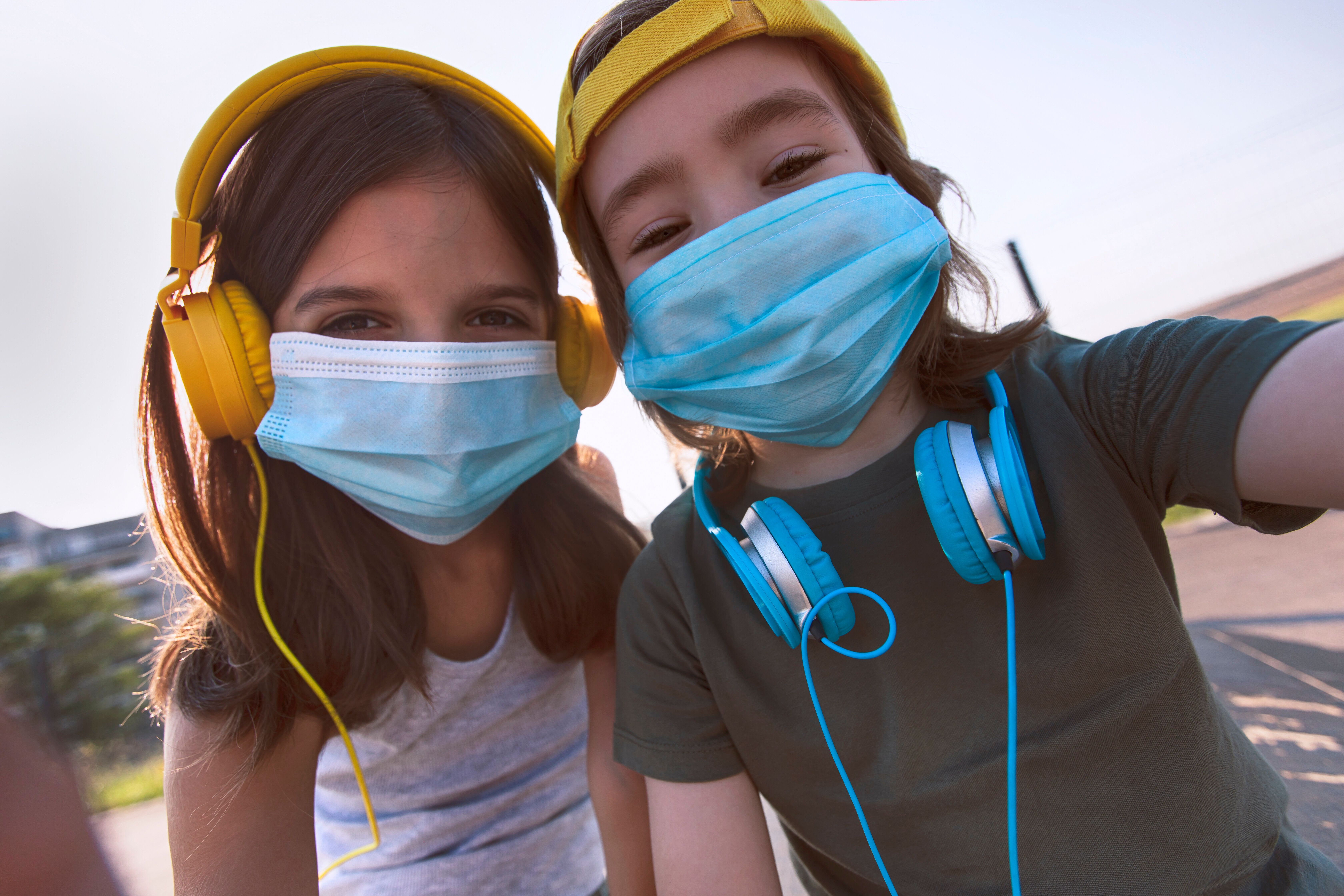
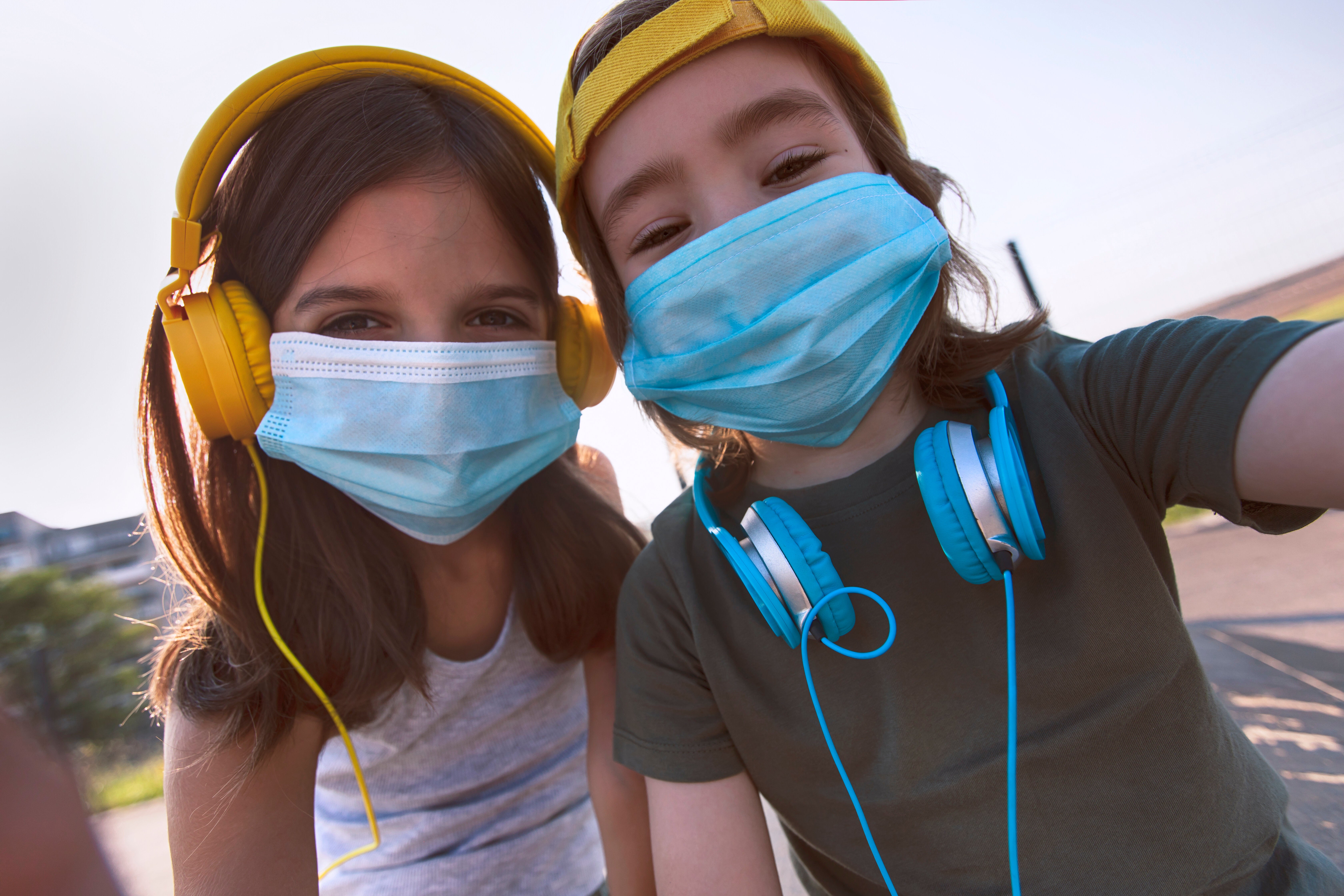
“These children have not seen many facial expressions behind masks, they have not learned to navigate the social skills needed to play with other toddlers or even the motor skills to run on a playground,” she explained. “As a paediatrician, I wholeheartedly encourage families to send their children to school, camp or day care. The benefits far outweigh the risks, unless their child has a medical condition that would make Covid life threatening. … We need our children to reemerge into society and we need all adults to be vaccinated for this to happen.”

“We do know that kids from already stressed and underresourced communities were more adversely affected during the pandemic.”

– Dr Helen Egger, child psychiatrist and co-founder of Little Otter

Health anxiety

All of the mania around sanitising and disinfecting may also have a long-term impact on some children.

“There could be increases in illness anxiety disorder due to fears of catching the virus and having to maintain the strict hygiene protocols that have been necessary through the pandemic,” Tewari said.
“Most people’s nervous systems are dysregulated due to the pandemic’s threat to our safety and health, so it will take time for our brains and bodies to recover after the pandemic ends,” she added. “As a result, we may feel disoriented, and have a hard time believing that life can ever be ‘normal’ again.”
Anxiety around illness may also mean some children feel a fear or discomfort around going outside.
“I have noticed many kids who have never climbed up the playground ladder, learned how to ride a scooter or a bike,” Hes said. “These kids have been kept indoors for fear of Covid because they are too young to be vaccinated. I try to encourage parents to take kids out to get fresh air, run and play.”

Widening inequality

Although we can’t yet fully know the extent of the pandemic’s lasting impact on children’s academic performance or development, there are certain trends that are already very clear.

“We do know that kids from already stressed and underresourced communities were more adversely affected during the pandemic,” said Dr. Helen Egger, a child psychiatrist and co-founder of Little Otter. “Widening inequality for children may be one of the worst impacts of the pandemic.”

From economic challenges to mental health struggles, many existing gaps between populations have worsened during the pandemic, and children are bearing much of the brunt.

“Children who were struggling before the pandemic may lag further behind,” Perlmutter said. “Youngsters who are homeless, have disabilities, subjected to racial violence are especially at risk.”

Making positive memories

The impact of the pandemic isn’t entirely terrible. Wight pointed out a silver lining of living through such “unprecedented times” unlike anything kids have experienced before.

“It’s important not to overlook that children will also have special or positive memories related back to the pandemic,” Wight said. “They might remember having more quality family time, a slower pace of life, FaceTiming with family members across the country and new hobbies they developed while at home.”

McDermott highlighted other positive aspects – like spending more time with family and the refreshing old routines.

“The ‘interruption’ to the treadmill of school, university and jobs can also be viewed positively as it has allowed time to focus on important relationships in our lives,” he said.

Connection to others

Although the pandemic brought social isolation, it also fostered a sense of global community. There’s also a universality to the experience, which creates common ground for children growing up with the trauma of Covid-19.

“As a global event, there is a shared experience for all the world’s children,” McDermott said. “As has been shown around issues such as climate change, kids are truly amazing at seeing their connections and joining together. Is this the global generation? Some of us hope so.”

He also emphasised the power of the internet in allowing children to connect to each other even amid their isolation.

“The hegemony of online experience has moved forward and we will see this generation more connected to that and connected to global voices and experiences,” McDermott said.

Resilience

“Despite the horror of this devastating year, understanding that in the face of trauma and this public health disaster we have the capacity for resilience has been comforting and grounding,” Perlmutter said. “Marking life events and celebrations in the usual ways was disappointing but not out of the question. Watching the grace and enthusiasm of high school seniors’ graduation ceremonies in living rooms, drive-by birthday celebrations, Zoom visits with grandparents, and bar and bat mitzvahs and confirmations on Zoom was humbling. It gives me hope.”

Throughout the pandemic, children have learned to cope with many unforeseen changes and challenges. While the experience wasn’t always positive, it fostered major growth and resilience.

Wight encouraged parents to keep this bright side in mind as we continue to work through the evolving situation.

“It is critical for parents to manage their own distress and worries, as it directly impacts their children’s well-being,” she said. “It is most helpful to focus on the resilience of children and to give them many opportunities to return to play and the work of being children.”

Share Button

Small Talk With A Stranger Can Still Save Lives, Say Samaritans

Small talk is something many of us avoided even before the pandemic, and neither months of social distancing or the awkward return of socialising has made it easier – but it’s something that can still save lives.

That is the message from Samaritans, as the mental health charity and helpline relaunches its campaign to raise awareness about the role small talk can play in preventing suicide on the railways and in other public settings.

The ‘Small Talk Saves Lives’ campaign has run in partnership with Network Rail, British Transport Police and the rail industry since 2017. But as the UK steps out of lockdown, it is focusing on rebuilding public confidence to trust our gut and start conversations with anyone who looks as though they may need help.

Brits are known for being quite reserved, especially in public. We rarely go out of our way to speak to strangers and keep ourselves to ourselves. But engaging in the smallest of conversations – it could be as simple as asking “hello, what’s the time?” – may help interrupt someone’s suicidal thoughts, Samaritans says.

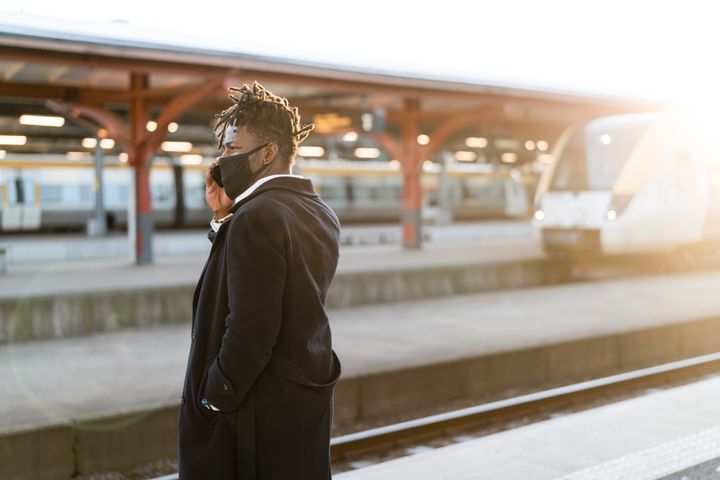

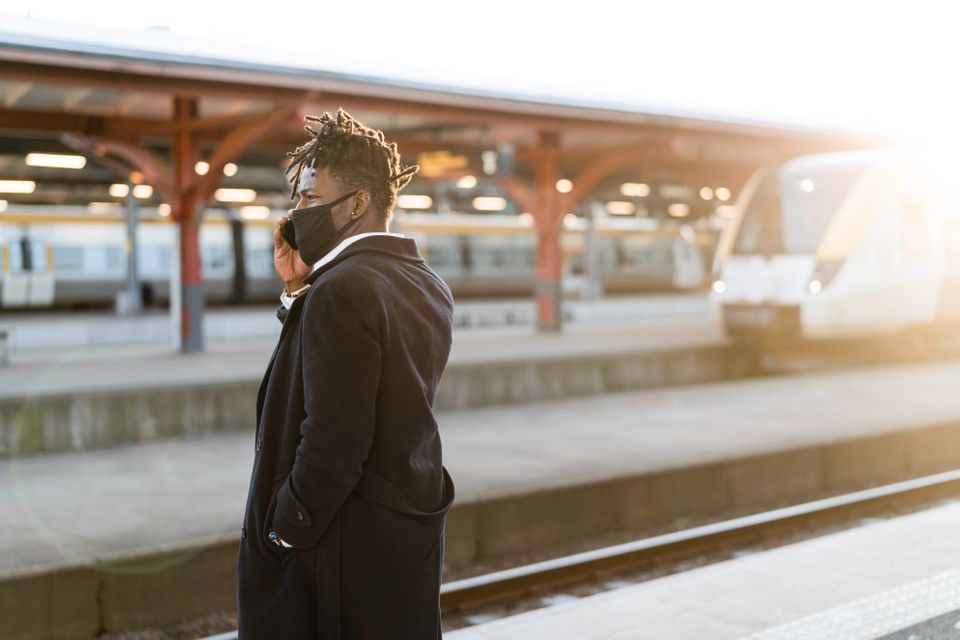
Handsome confident businessman on his way home from work. He is standing on the train station platform at sunset, waiting for his train.

Handsome confident businessman on his way home from work. He is standing on the train station platform at sunset, waiting for his train.

The pandemic has had a huge impact on mental health – and while it may have made the idea of small talk more daunting, it has also made us value a sense of community.

Dom, who prefers not to give his surname, knows how important small talk can be. As a teenager, he was experiencing suicidal thoughts but was interrupted at a crucial moment by someone who used small talk to ask if he was ok.

“When I was 19 years old, I was struggling to cope and didn’t know where to turn,” he tells HuffPost UK. “I was on my way to university one day and found myself thinking about ending my life. A lady came over and started a conversation with me and when I heard her ask, “are you ok?” it instantly snapped me out of thinking about harming myself.”

Dom, who now works for Network Rail himself, says he’s supporting the ‘Small Talk Saves Lives’ campaign because it saved his.

“From my own experience, I know suicidal thoughts can be interrupted and it was the kindness behind the small talk that also made a difference to me,” he says. “That human connection made me feel seen.

Working in the railway sector for almost a decade, Dom has used small talk on several occasions when someone’s behaviour has concerned him.

There aren’t “typical” signs someone might need help, Dom says. “When I’ve approached people, sometimes it’s because they’ve looked withdrawn, distant, or upset. Other times, they seem completely calm, but I’ll notice that they’re in an unusual location in relation to the environment. I would say, if you get a sense that something might be wrong, trust your instincts and start a conversation – as I’ve experienced, you could save a life.”

The public is better prepared for these interventions that you might expect.

A YouGov survey for Samaritans found over three quarters (78%) of UK adults have engaged in small talk during the pandemic – 37% of those surveyed said they had chatted with neighbours they hadn’t spoken to before and 37% with strangers at the supermarket.

Almost one in five said they are also more likely to want to make small talk with a stranger face-to-face not that restrictions are lifted. Given that small talk makes 57% of respondents feel less lonely and boosts the mental health and wellbeing of a further 45%, there’s potential to make a real difference here.

Of course, starting a conversation with a stranger can be difficult and it’s natural to feel nervous.

“If you spot someone you’re worried about and aren’t comfortable approaching them, then that’s completely fine as well,” Dom says. “You can still act by trying to find someone else who might be able to help, for example, a member of staff or police officer, or you can call 999 in an emergency.”

But with everything that’s happened in the past 18 months, Dom is optimistic that people can make a difference. “One thing I’ve noticed is the pandemic seems to have brought out a greater sense of community,” he says.

“I think we all recognise how important human connection is and that checking in on each other – whether it’s a friend or family member, a neighbour or key worker you’ve never spoken to before – can make a huge, positive difference to someone else’s day, as well as your own.”

Useful websites and helplines

Samaritans offers a listening service which is open 24 hours a day, on 116 123 (UK and ROI – this number is FREE to call and will not appear on your phone bill).

Mind, open Monday to Friday, 9am-6pm on 0300 123 3393.

CALM (the Campaign Against Living Miserably) offer a helpline open 5pm-midnight, 365 days a year, on 0800 58 58 58, and a webchat service.

The Mix is a free support service for people under 25. Call 0808 808 4994 or email help@themix.org.uk

Rethink Mental Illness offers practical help through its advice line which can be reached on 0808 801 0525 (Monday to Friday 10am-4pm). More info can be found on rethink.org.

Share Button

How Do You Talk To Kids About Trauma? This Mum Needed To Know

In 1994, one of Rwanda’s darkest moments in history took place – a genocide that saw the death of 1,100,000 people – of which 800,000 people were Tutsi, an ethnic group that were minorities in comparison to the majority Hutus.

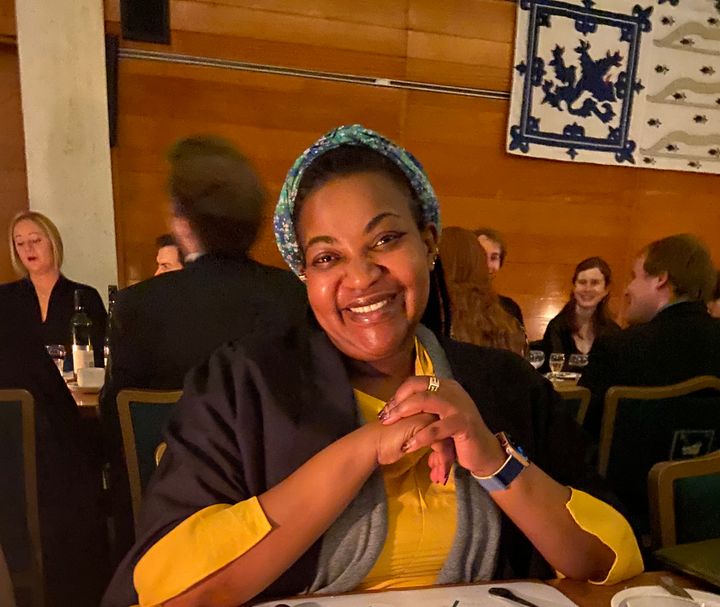
At the time, Alice Musabende was 13-years-old. Her parent, grandparents, and siblings all died during the war. The now mum-of-two had only a few surviving members of her family; her aunt, uncle, and their kids. In 2005, as part of her studies, Musabende left Rwanda for Canada, building a life for herself; she married (but has since separated), and had two precious boys.

She began working as a journalist and academic, later moving to the UK to work at the University of Cambridge. But despite her writing and hours of research into what happened, Musabende found it almost impossible to articulate the reality of the violence which was unleashed on her people.

“I have spent so many hours, countless of times, writing and reading and trying really to capture the magnitude of the horror. And I still haven’t,” she tells HuffPost UK.

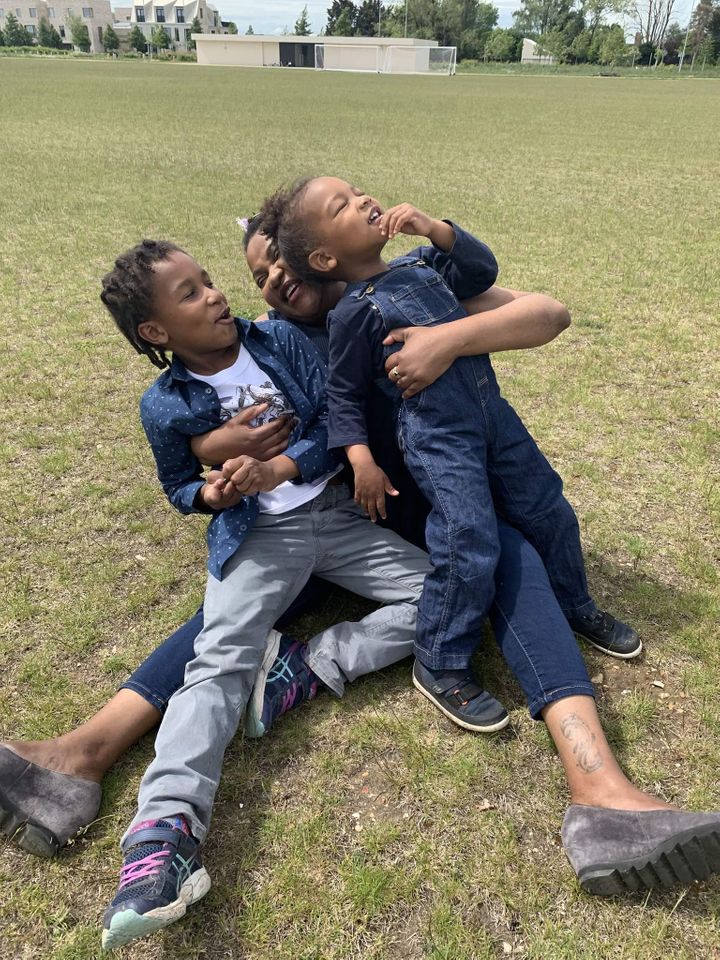
Now, her two children, aged five and eight, have questions about their grandparents, their home in Rwanda, and how their mother feels about it all.

So, in an attempt not to “run away from her demons”, Musabende had to find a way to voice the unspeakable horror she endured at such a young age. Which is how she began making a radio show with the BBC to start the story.

In Unspeakable, Musabende asks for help and guidance from other genocide survivors, second-generation holocaust survivors, a therapist who works with AIDS orphans in South Africa, and a publisher of stories in Rwanda.

She explores identity, generational trauma, and the place of storytelling and with the help of these other voices, she tries to piece together the answer to one fundamental question: how do I tell my kids about my trauma?

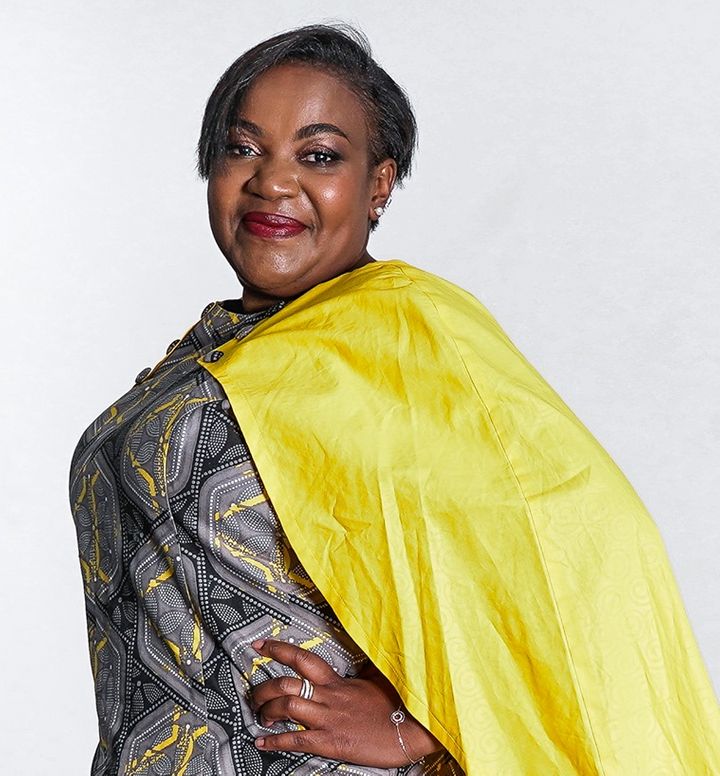
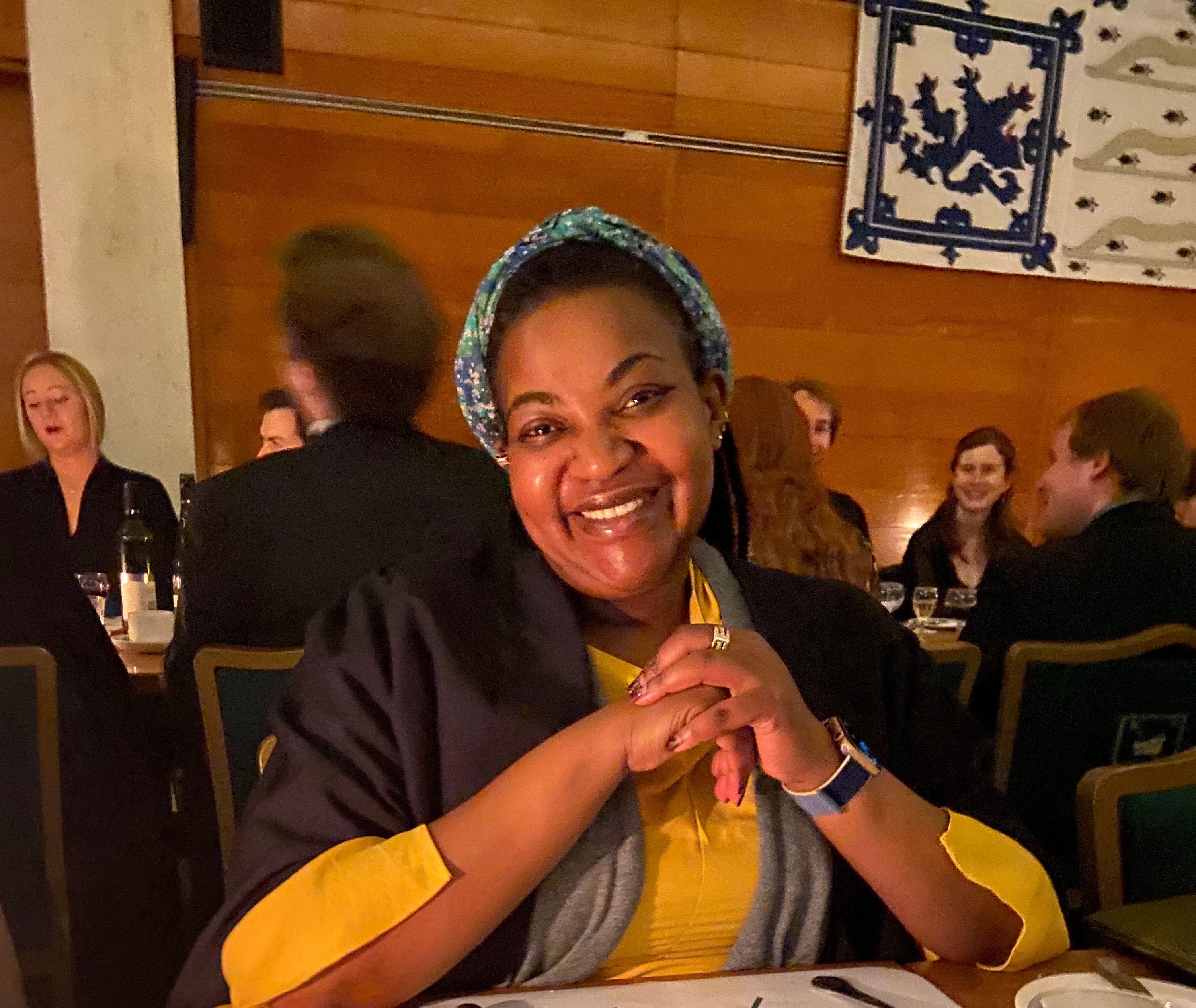
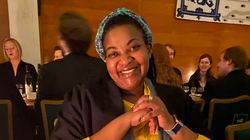
Mum-of-two Alice Musabende is figuring out the words to explain what happened in Rwanda 27 years ago

Mum-of-two Alice Musabende is figuring out the words to explain what happened in Rwanda 27 years ago

Firstly, says Musabende, she has had to come to terms with her own past.

“For the last 20 years, I’ve focused so much on me,” she explains. “I’ve done therapy, I tried to figure out how to live with PTSD, to understand how I will actually live a life without family, without anyone. I thought I was really getting a good handle on it. Then I moved here and in the middle of trying to reconfigure being a single parent and my work, I remember just one day thinking, ‘Oh no, I’m going to have to tell the boys about the genocide.’

“That bit was way more complicated than anything else I have done, mainly because the story of the genocide, for me, is extremely painful, but I think it’s painful for all the other survivors as well. Because I’ve spent so many years trying to run away from it, it was so hard.”

Growing up, Musabende was aware of the ethnic persecution of her Tutsi people – her family members had been arrested on suspicion of being part of rebel forces, and her granddad’s land had been seized.

After travelling to Ottawa for her graduate studies, Musabende recognised signs of PTSD in herself. She explains: “In school I couldn’t really function. I had a really difficult transition, I did so many things that we now associate with post traumatic stress disorder but at the time no one told me what it was.

“It wasn’t until I started different forms of therapy to make sense of what I was going through. Through those sessions, I wanted to find the essence of who I was, I wanted to be okay. I wanted to have joy, and I wanted to be able to use my brain to serve, to study and perhaps maybe even teach.”

In 2017, Musabende went back to Rwanda for the first time. Two years later, she took her two sons to show them where their family came from – so they could understand the great beauty, as much as the trauma, of her birthplace.

“I remember arriving in Rwanda and looking at these tiny humans and thinking, ‘This is their home, but I don’t know if they know that this is their home as well.’ That’s when things just started percolating in my head, I was like: ‘How do I do this, what do I say?’ She took her eldest boy, six at the time, to where her house used to be – now just a plot of land since it was destroyed in the genocide.

“I told him that’s where my home used to be and that’s where my brother and sister used to live. We were walking on this plot, he looked down, saw a piece of cloth, picked it up and said, ‘Do you think this was your sister’s dress?’ And I hadn’t seen that one coming. It was a bit of a struggle but I couldn’t cry.

“My words just left me. That’s when I realised he has questions. He has real questions where he’s trying to figure out where he fits into a story that’s so obscure and mysterious to him.”

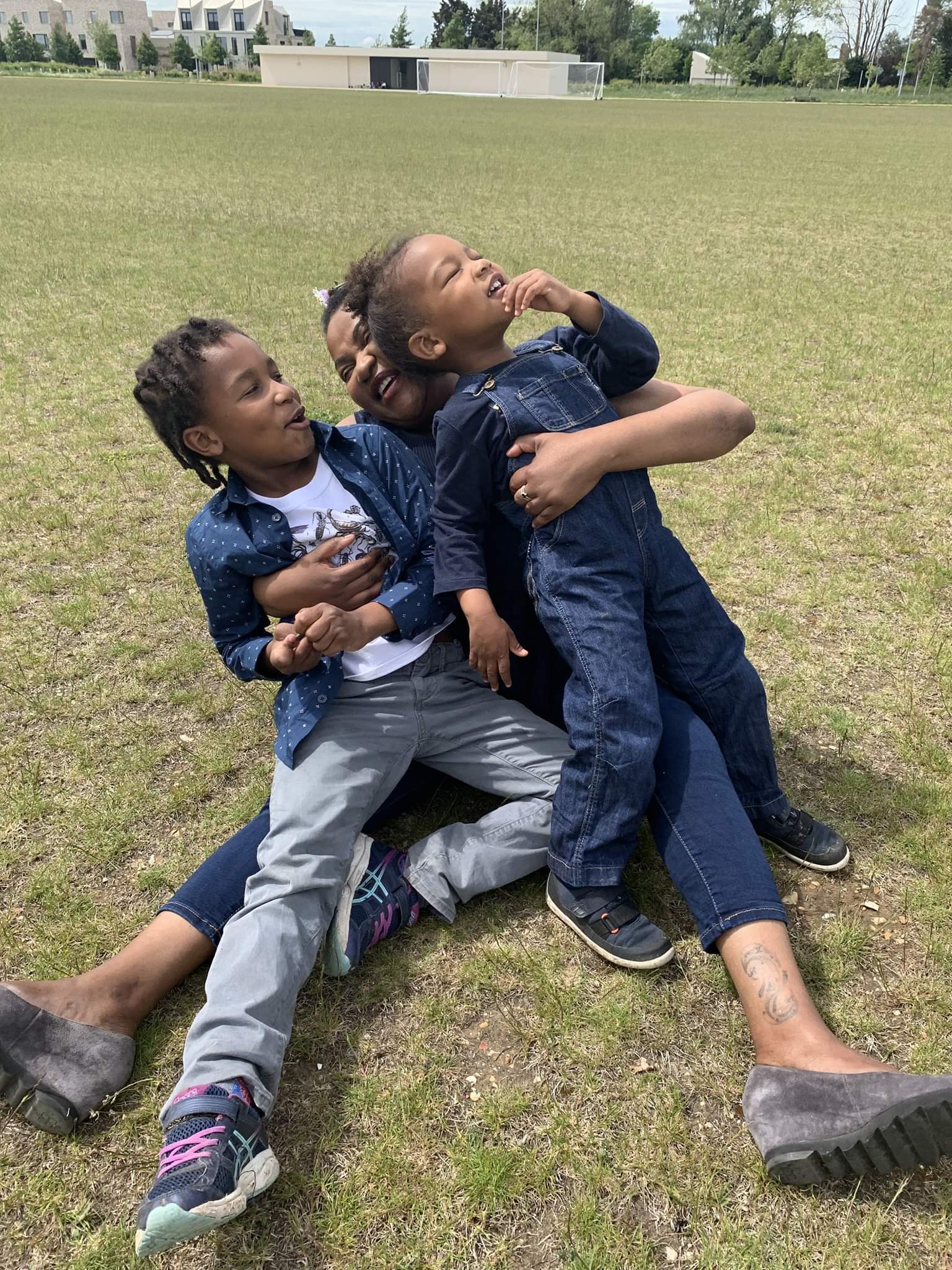
Alice has since taken her children to Rwanda to show them the country

Alice has since taken her children to Rwanda to show them the country

And Musabende had questions of her own, which is how the documentary came about. “I couldn’t write about it,” she says. “I don’t know how to write about it, so I thought to just ask people what they think.”

She was terrified. “I thought, ‘Oh, am I traumatising my children by telling them these horrible things?’ Previously I’d thought it’s best not to say anything as you don’t upset them. But I know that they want to know. They’re not asking tough questions. Their questions are like ‘Do you miss your mum?’ or ’Do you think your mum would have loved me?’Those things are so difficult because they send you right back to that place where you wish you didn’t have to go.

Unspeakable is Musabende’s attempt to bridge the gap between that place she has avoided for the past 27 years “and the place I am in now, as a parent hoping to raise healthy, well-grounded, empathetic children.”

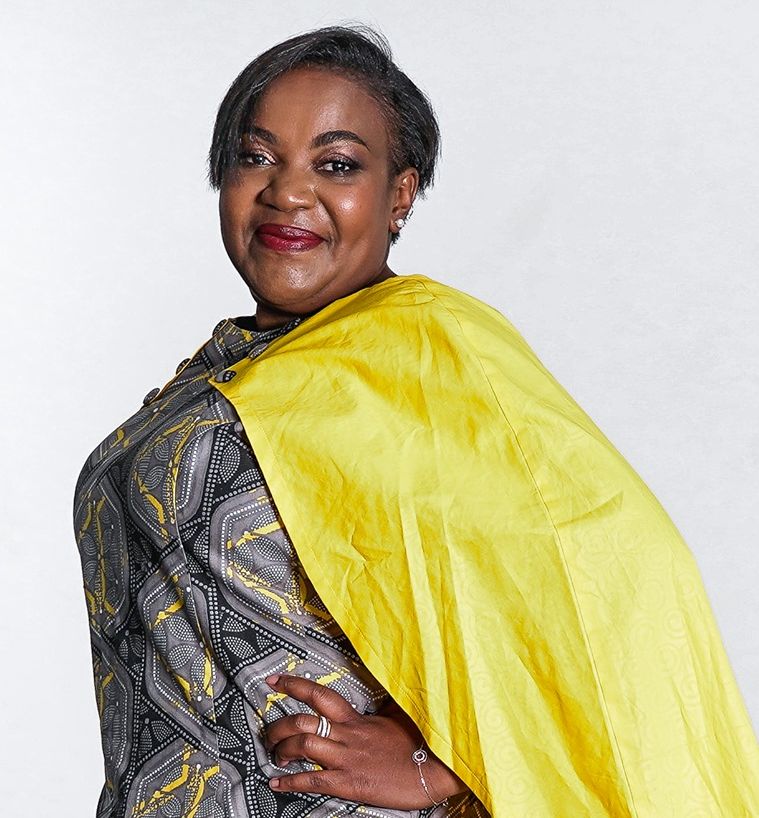
Alice's radio show Unspeakable comes out today

Alice’s radio show Unspeakable comes out today

It’s not just genocide she has to talk to her children about. By virtue of being a mother to two young Black boys, Musabende knows that she will become accustomed to difficult conversations.

“Raising Black boys in a western culture that’s always telling them so many things about them that are false, it’s an even bigger responsibility to tell them about where they come from, what happened to them and tell them exactly who they are, so that when they get out there, they know in their hearts that they’re valued, that they are loved, that they are cared for.

“It is my job to tell my kids who they are. I haven’t quite figured out how to tell them the full story of my history so you’ll see in the documentary, I’m still learning, it’s a long journey.”

Unspeakable airs on BBC Radio 4 on Fridays and is available on BBC Sounds.

Approaching conversations about trauma

Alice Musabende wants to share the following advice for fellow parents.

First of all, accept you don’t know how to say it all

“That realisation that I don’t know how to talk to my children was the beginning of my quest because for a very long time, I just pretended that it wasn’t there. Once I sat down and I thought, ‘I know I have to, and I don’t know how,’ that was the beginning.”

Find a safe space to make sense of the trauma yourself

“I wouldn’t have been able to have this conversation five years ago. I had to do so much of my own work in self-healing, therapy, in figuring out how to listen. It took me so much time to get here.”

Seek guidance, talk to others who might understand

“You’ll be surprised about how many people are struggling to address these serious issues with their children. There are parents everywhere trying to figure out how to say things.”

Know that the conversation is hard but important

“You can’t just focus on the fact that you are transmitting trauma. You also have to know that by processing things, by seeking to figure out what the appropriate language is, you’re also ensuring that your kids will be more resilient, because you are being more resilient.”

Celebrate yourself for all that you’ve overcome

“We often forget to celebrate our resilience but ultimately, we should really look at ourselves and think, ‘We are here. We made it. We have children and they seem somewhat okay.’ That’s a win for me.”

Useful websites and helplines

Mind, open Monday to Friday, 9am-6pm on 0300 123 3393.

Samaritans offers a listening service which is open 24 hours a day, on 116 123 (UK and ROI – this number is FREE to call and will not appear on your phone bill).

CALM (the Campaign Against Living Miserably) offer a helpline open 5pm-midnight, 365 days a year, on 0800 58 58 58, and a webchat service.

The Mix is a free support service for people under 25. Call 0808 808 4994 or email help@themix.org.uk

Rethink Mental Illness offers practical help through its advice line which can be reached on 0808 801 0525 (Monday to Friday 10am-4pm). More info can be found on rethink.org.

Share Button

Birth Injuries Are Leaving Some Mums Wishing They’d Never Had Kids

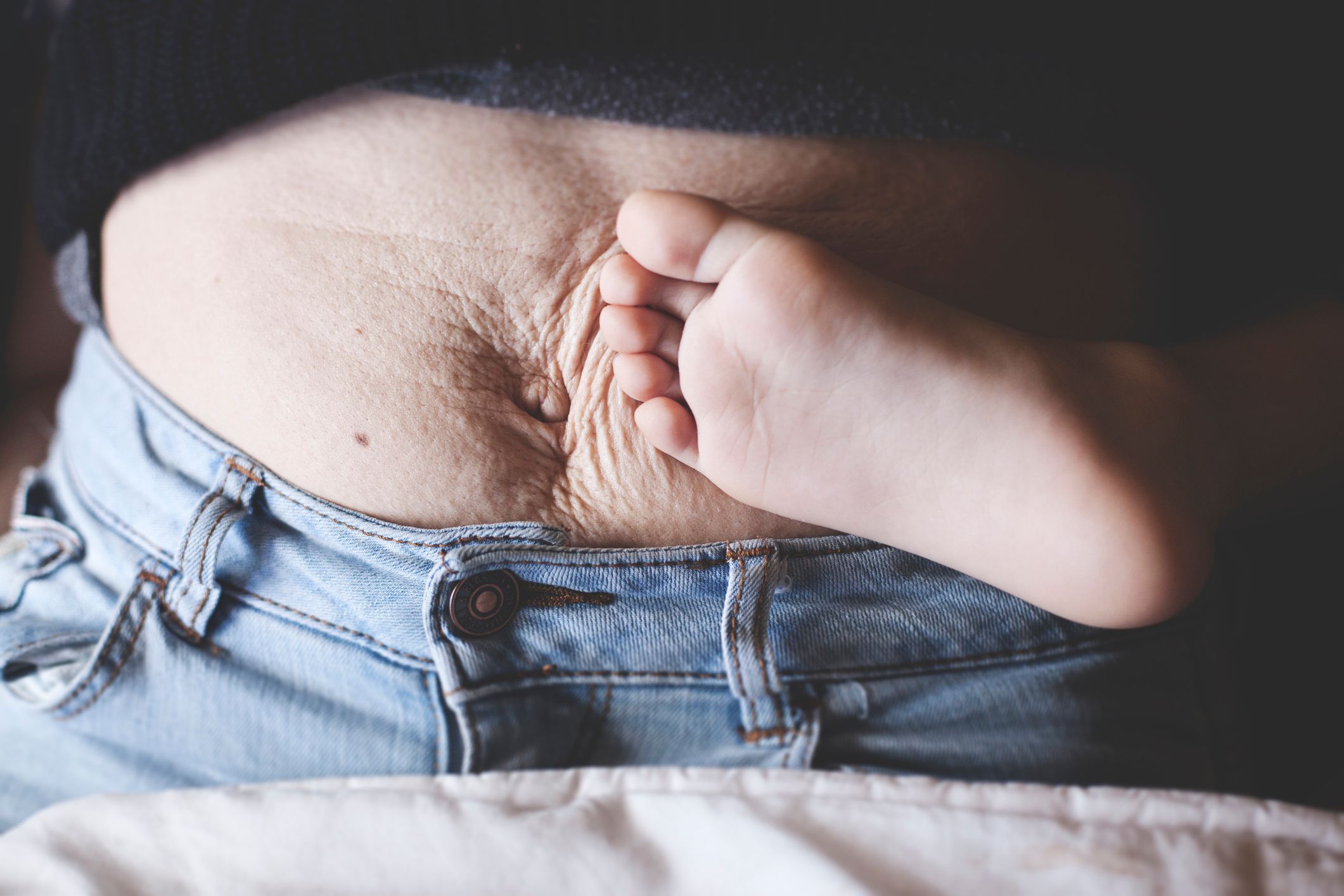
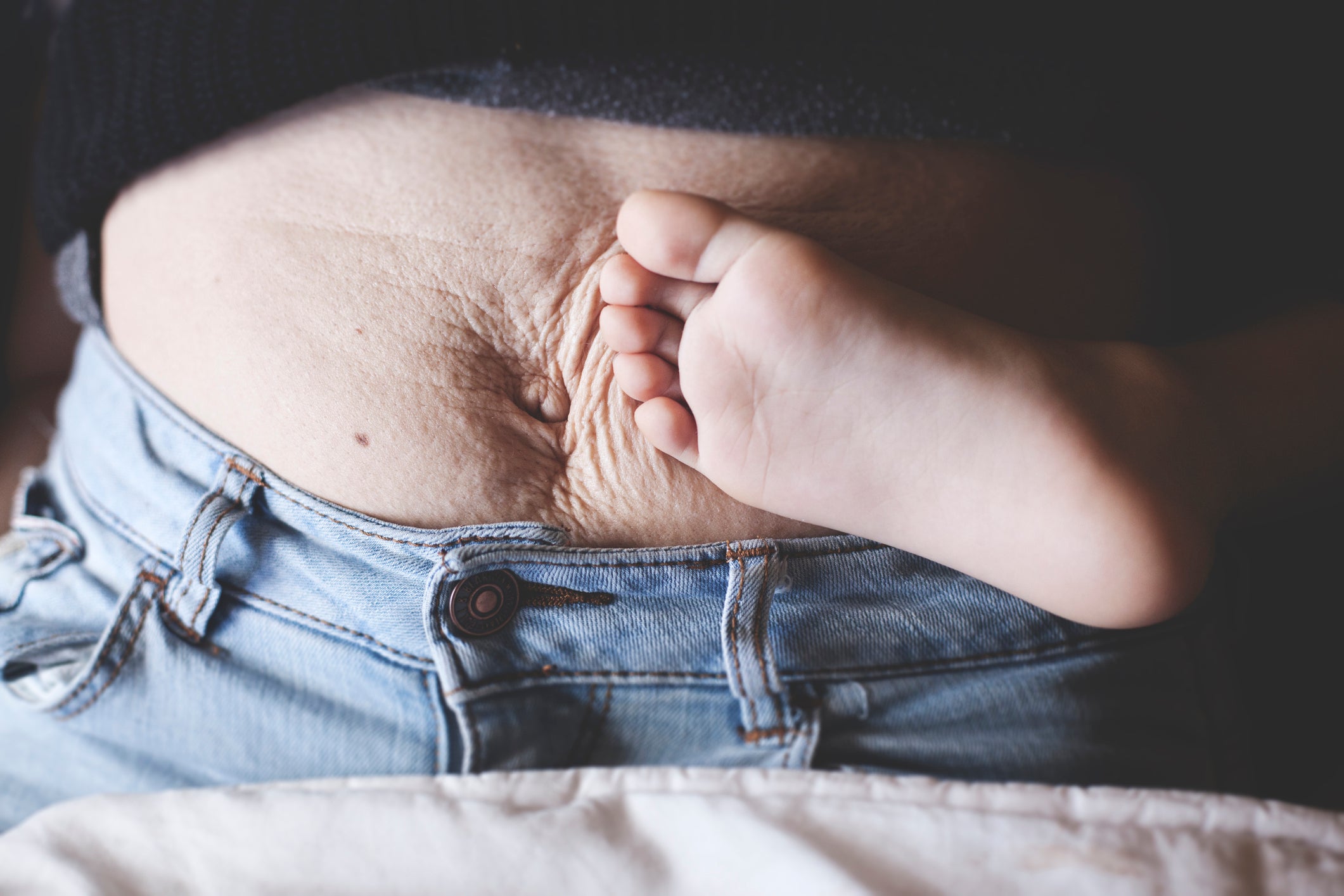
One in four women who experience a severe injury during birth regret having their child. It’s taboo to admit, but with more than 600,000 women giving birth in England and Wales alone each year, we need to talk about this.

A new survey of mothers affected by birth injuries lays bare the physical and psychological impact on women, which can last years into their child’s life.

The overwhelming majority (85%) of mothers who suffered severe injuries say their experience damaged their relationship with their child, with 14% saying this harm was permanent. One in three (34%) said they saw their child as the cause of the injury while, heartbreakingly, three in 10 (31%) thought their child would be better off without them.

The research, from birth injury charity The MASIC Foundation, surveyed 325 women who self-identified as having suffered severe perineal trauma when giving birth. The sample size may be small, but the research adds to growing concern about women’s health outcomes after giving birth in the UK.

While it’s important to acknowledge that millions of women around the world give birth each year without problems, it’s equally important to say this isn’t always the case – and women are increasingly talking about their negative experiences and demanding better care.

HuffPost UK has previously reported on the gaps in NHS postpartum care that widened during the pandemic. In a separate survey of mums, the majority (91%) said they were not given enough advice during pregnancy about postpartum recovery.

We also know that Black women are five times more likely to die during childbirth than white women. A controversial proposal to tackle this – inducing labour at 39 weeks for pregnant black, Asian and minority ethnic women as a matter of course – has been called “racist” by some doctors and midwives.

In the latest research, 78% of women surveyed said they have traumatic memories of birth and 52% said they face embarrassment due to symptoms of their injury.

This rings true for Catherine*, who had a prolonged labour following induction with her son, which then required an episiotomy and ventouse (vacuum delivery).

She had a third-degree tear (defined as a tear that extends into the anal sphincter), but it was initially misdiagnosed as a second-degree tear, meaning she wasn’t offered the correct treatment. Her undiagnosed injury left her in too much pain to sit down or attend mother and baby groups, leaving her “essentially house-bound” for her maternity leave. After a year – and hitting a brick wall with the NHS – she accessed help at a private clinic.

The damage has been permanent, though, and she’s still prone to toilet urgency and accidents. Catherine now carries pads, wipes, Imodium and spare underwear everywhere she goes. She quit a job she loved as she was struggling to manage her condition, and has been diagnosed with PTSD.

““My confidence, my me-ness, the essence of who I am, has been destroyed.”

– Catherine, 44, Bristol

“My confidence, my me-ness, the essence of who I am, has been destroyed,” says the 44-year-old, from Bristol. “My relationships with my child and my partner have suffered.”

Catherine has struggled to talk to friends about her experience – or even watch programmes when childbirth is mentioned – and has counselling each year in the run-up to her son’s birthday.

“With my son, I love him dearly, he is the best thing in my life, but his birth caused the injury and it is difficult to square the two,” she says.

“Every year I dread his birthday and the reminders of my traumatic experience. It is not fair on him or on me – his birthdays are not a happy occasion, but every year I have to pretend it is.”

While her partner has been understanding, Catherine says “he also carries his own guilt about what happened”. Their physical relationship has also been impacted hugely. “I feel like a shell of my former self at times,” she adds.

Like Catherine, 69% of mothers surveyed said the impact of a birth injury was both physical and emotional. Almost half (45%) said they have had postnatal depression as a result and 29% said it has affected their ability to breastfeed their baby, with 18% stopping earlier than planned.

Elizabeth*, who now has a 10-year-old daughter, describes the period after birth as the “worst time of [her] entire life” and is still impacted by her birth injury a decade later.

Aged 30, she had a fourth-degree tear (a tear that extends further into the lining of the anus). Six days after delivery, she passed faeces vaginally and was in extreme pain. She was then readmitted to hospital and found to have a recto-vaginal fistula, causing an infection in her vagina and bowel.

““I am ashamed to say that at times I wished I had never become a mother and I grieved for the life I had before.””

– Elizabeth, 40, Hampshire

Although she’s had further treatment, she still experiences rectal incontinence, which has affected her ability to socialise and work. “I often avoid eating out as this stimulates my bowel,” says the now 40-year-old, from Hampshire. “I always need to know where the toilets are.”

Her birth injury meant Elizabeth was forced to give up her beloved hobbies of horse riding and swimming. For a long time, she was in too much pain to even walk her dog. “I am ashamed to say that at times I wished I had never become a mother and I grieved for the life I had before,” she says. “I paid such a high price to have a baby.”

Jen Hall, a MASIC spokesperson, is sadly unsurprised by Catherine and Elizabeth’s stories, after having a “brutal forceps delivery” that left her with physical and psychological damage herself.

“Nobody warns you that having a child can leave you with life-changing injuries and no woman should have to go through this without support and proper medical care,” she says.

Most of these injuries are “entirely preventable”, she adds – the result of something going wrong during birth or a failure to identify risk factors beforehand, according to MASIC. The charity is calling on the government and the NHS to roll out a programme of training for medical professionals.

The Obstetric Anal Sphincter Injury (OASI) care bundle – a package of training which has been praised by the Royal College of Midwives – has been trialled in 16 maternity units across the NHS and is being extended to a further 20, but this still leaves three in four (76%) maternity units yet to be reached.

The charity is calling for it to be rolled out nationwide. They’ve also set out a seven-point plan for better care, calling for:

  1. Improved identification, diagnosis and treatment of birth injuries in the NHS.

  2. An education programme for obstetricians and midwives so that severe injuries are recognised at birth and treated in line with best evidence.

  3. A primary care education programme so that all women are asked at contacts following birth about signs and symptoms of OASI/incontinence, with appropriate referral pathways for those with symptoms in line with the NHS long-term plan.

  4. Information about the risks of OASI given to all women antenatally.

  5. Women’s concerns to be listened to and not dismissed as “normal” postnatal experiences.

  6. Specialised psychological treatment and support for women after OASI injury and an end to the stigma and taboo of talking about these injuries.

  7. Dedicated OASI clinics nationwide.

HuffPost UK has contacted NHS England and the Department for Health and Social Care for a response. We’ll update this article if they provide a statement.

Without change, women like Catherine do not feel like they can have a second child. “I feel like I was someone the birth just happened to,” she says. “At the time I was happy to place my faith in the medical professionals dealing with me; I had no reason not to. Whilst birth is normal, natural and inevitable, and women’s bodies are designed to do it, unfortunately as we all know it isn’t always that simple. The people who were meant to help me through it let me down.”

• Surnames have been omitted to offer anonymity to interviewees.

Useful websites and helplines

Mind, open Monday to Friday, 9am-6pm on 0300 123 3393.

Samaritans offers a listening service which is open 24 hours a day, on 116 123 (UK and ROI – this number is FREE to call and will not appear on your phone bill).

CALM (the Campaign Against Living Miserably) offer a helpline open 5pm-midnight, 365 days a year, on 0800 58 58 58, and a webchat service.

The Mix is a free support service for people under 25. Call 0808 808 4994 or email help@themix.org.uk

Rethink Mental Illness offers practical help through its advice line which can be reached on 0808 801 0525 (Monday to Friday 10am-4pm). More info can be found on rethink.org.

Share Button

Meghan And Harry Back Racial Justice Movement And Mental Health Charity

The Duke and Duchess of Sussex’s Archewell Foundation has named new causes it would be supporting, including an online racial justice movement and mental health charity Mind.

It made the announcement on Friday, less than a week after their televised two-hour tell-all primetime show with Oprah Winfrey was broadcast.

During the programme, Meghan told the chat show host she had been suicidal while in the royal family and claimed she received no help after telling staff about her suffering.

She and Harry also made explosive allegations of racist comments about their one-year-old son, Archie.

Getty

The British royal family has been left reeling by allegations of racism by the Duke and Duchess of Sussex, Meghan and Harry, pictured here during their tell-all interview with Oprah Winfrey

In an update from the foundation, it said it would be providing support to Colour of Change, Mind, The PressPad Charitable Foundation and URL Media.

UK-based charity Mind was among those who supported Meghan’s openness about her mental health struggles during the interview.

They tweeted: “We applaud Meghan Markle for speaking out about her experiences of suicidal thoughts. We know that opening up in this way can be really difficult, but when high-profile people talk about these experiences, it helps to break down the stigma around mental health issues.”

Colour of Change describes itself as the US’s “largest online racial justice organisation” and works across criminal justice, voting freedom and economic justice, adding: “We cannot end racism in one area without tackling it in all areas.”

The PressPad Charitable Foundation works to improve diversity within the media by “lowering the financial barrier for young people who want to become journalists”.

Social enterprise PressPad wrote on Twitter: “We are delighted to announce that we have just registered a sister charity, The PressPad Charitable Foundation, and are thrilled that the Duke and Duchess of Sussex and their Archewell Foundation will be among our first donors.

“We’re excited by such positive action after difficult yet important moments of reckoning for the UK media.

“We’re proud to say our values of action, compassion & community align with the #archewellfoundation. Thanks to everyone who spoke their truth.”

URL Media describes itself as a “multi-platform network of high-performing Black and Brown media organisations” and was launched in January.

On their website, they said: “As the US enters a new chapter, we offer an alternative to business as usual.”

Share Button

Exclusive: Black LGBT+ Young People Hit Hardest By Covid Mental Health Crisis

Black LGBT+ young people’s mental health has been severely impacted by the pandemic according to groundbreaking new research, HuffPost UK can reveal.

While LGBT+ young people are more than twice as likely to be worried about the state of their mental health than their non-LGBT+ peers since the pandemic began, a new survey by charity Just Like Us has shown that Black young people within this cohort face increased struggles.

Black LGBT+ young people are more likely to be concerned about their mental health with almost two-thirds (61%) worrying about this on a daily basis, compared to just over half (51%) of white LGBT+ young people.

Chief Executive of Just Like Us, Dominic Arnall, says the pandemic is the “biggest risk to the mental health of LGBT+ young people since Section 28” and is calling for greater awareness of the unique issues that young Black people in this group particularly face.

“It’s devastating to see that Black LGBT+ young people have been particularly impacted by the pandemic. 

“There needs to be much more awareness around the issues that Black LGBT+ young people are facing, and an intersectional approach needs to be taken to inclusive education in schools and mental health care for young people. 

“It’s so important that if you are celebrating LGBT+ History month or School Diversity Week, make sure you include a diverse range of LGBT+ people including Black LGBT+ people and engage with organisations that do specific work in this area.”

Peter Cade

Black LGBT+ young people are also more likely to be experiencing depression, anxiety disorder, panic attacks, and alcohol or drug dependence.

For white LGBT+ pupils, the likelihood of experiencing these are significantly lower: just under half of those surveyed say they have or are experiencing depression, an anxiety disorder, and fewer were enduring panic attacks, alcohol or drug dependence.

Black LGBT+ young people are also significantly more likely to be experiencing difficulties at home in lockdown, with a third (29%) reporting daily tension in the place they’re living, compared to a quarter (25%) of white LGBT+ young people.

Last year’s heightened racial tensions around Black Lives Matter protests have also compounded feelings of isolation among young, queer Black people. 

Tara Moore


Samuel Picton, 20, who’s of dual ethnicity – white and Black Caribbean – said growing up in a small, predominantly white northern town can be quite isolating, due to limited understanding of being Black and LGBT+.

Speaking to HuffPost UK, he said: “I have friends who, like myself, are Black or mixed race and feel the same. I also know from my experience that the momentum that Black Lives Matter gained last summer had it’s challenges because of the pandemic. The protests were being blamed for a potential rise in Covid-19 cases, and the general experience of being on social media during this time – during a national lockdown – was very draining.”

Supplied

The Yorkshire-based student – who’s cisgender and gay – said while some young people have found an outlet through social media during the lockdown – it can be a toxic place that’s rife with negativity and, in his case, homophobia.

“I was removing people from my social media daily because of negative views. Social media in general can be so damaging to your mental health but I know many will have found an outlet in it during lockdown.

“To complicate things, seeing homophobic tweets from within the Black community then evokes the feeling of being othered within your own community. I’ve definitely been worried about my mental health over the past year because of these things […].”

Picton is a youth ambassador for Just Like Us ambassador and regularly speaks in schools – virtually at the moment – about being LGBT+ to help tackle the issues of isolation these pupils are facing. 

Educational institutions need to do more, he said, and in this case use of technology could create safe spaces for students who require it.

“I think that a very small silver lining of this pandemic is that platforms such as Zoom have made it easier to create remote communities and this should definitely be utilised in the future in order to create safe spaces for young Black LGBT+ people,” Picton added.

“Having support groups in the local community would obviously be great, but certain communities may not have the funding, facilities or simply enough openly black LGBT+ people within them to make these groups up. Using Zoom to host groups, workshops, or just general chats with young Black LGBT+ people would definitely help to tackle these issues of isolation.”

Paula Abu

Speaking to the mental and emotional challenges faced by young LGBT+ people more generally, Dominic Arnall from Just Like Us said: “This is the biggest risk to the mental health of LGBT+ young people since Section 28.”

Section 28 of the Local Government Act, enacted in May 1988, prohibited “the promotion of homosexuality by local authorities”

“The pandemic has been a difficult period for everyone, but our research clearly demonstrates the impact of coronavirus and lockdown has not fallen evenly,” the chief executive added. 

Moreover, the pandemic has particularly impacted the mental health of LGBT+ young people eligible for free school meals, transgender young people, and LGBT+ young people with a disability – 65% of these groups report are worrying on a daily basis for their mental health. 

One secondary school pupil, 14-year-old Matthew, is pansexual and from Coventry. He said: “It has been a really scary time for everyone. I definitely feel less motivated and it’s very quiet. 

“I also have had some panic attacks and am worried about being forgotten. If you don’t have a home life where people are accepting of being LGBT+, you need it to be accepted at school so you know it’s OK.”

Just Like Us surveyed 2,934 secondary school pupils (including 1,140 LGBT+ young people) in Years 7-13 (ages 11 to 18) across 375 schools and colleges in December 2020 and January 2021. 

The data forms part of a larger report into inclusive education and the experiences of LGBT+ young people that charity Just Like Us is due to publish in June 2021.

Useful websites and helplines:

Share Button

How To Get Through Christmas If You’re Spending It Alone This Year

HuffPost is part of Verizon Media. We and our partners will store and/or access information on your device through the use of cookies and similar technologies, to display personalised ads and content, for ad and content measurement, audience insights and product development.

Your personal data that may be used

  • Information about your device and internet connection, including your IP address
  • Browsing and search activity while using Verizon Media websites and apps
  • Precise location

Find out more about how we use your information in our Privacy Policy and Cookie Policy.

To enable Verizon Media and our partners to process your personal data select ‘I agree‘, or select ‘Manage settings‘ for more information and to manage your choices. You can change your choices at any time by visiting Your Privacy Controls.

Share Button

The Dos And Don’ts Of Supporting Someone Who’s Grieving This Christmas

HuffPost is part of Verizon Media. We and our partners will store and/or access information on your device through the use of cookies and similar technologies, to display personalised ads and content, for ad and content measurement, audience insights and product development.

Your personal data that may be used

  • Information about your device and internet connection, including your IP address
  • Browsing and search activity while using Verizon Media websites and apps
  • Precise location

Find out more about how we use your information in our Privacy Policy and Cookie Policy.

To enable Verizon Media and our partners to process your personal data select ‘I agree‘, or select ‘Manage settings‘ for more information and to manage your choices. You can change your choices at any time by visiting Your Privacy Controls.

Share Button

Why ASMR Is Having A Second Coming During The Pandemic

HuffPost is part of Verizon Media. We and our partners will store and/or access information on your device through the use of cookies and similar technologies, to display personalised ads and content, for ad and content measurement, audience insights and product development.

Your personal data that may be used

  • Information about your device and internet connection, including your IP address
  • Browsing and search activity while using Verizon Media websites and apps
  • Precise location

Find out more about how we use your information in our Privacy Policy and Cookie Policy.

To enable Verizon Media and our partners to process your personal data select ‘I agree‘, or select ‘Manage settings‘ for more information and to manage your choices. You can change your choices at any time by visiting Your Privacy Controls.

Share Button

‘Long Covid’ Damaged My Body. But It Destroyed My Mental Health

HuffPost is part of Verizon Media. We and our partners will store and/or access information on your device through the use of cookies and similar technologies, to display personalised ads and content, for ad and content measurement, audience insights and product development.

Your personal data that may be used

  • Information about your device and internet connection, including your IP address
  • Browsing and search activity while using Verizon Media websites and apps
  • Precise location

Find out more about how we use your information in our Privacy Policy and Cookie Policy.

To enable Verizon Media and our partners to process your personal data select ‘I agree‘, or select ‘Manage settings‘ for more information and to manage your choices. You can change your choices at any time by visiting Your Privacy Controls.

Share Button