Manicurists Reveal The Worst Things You Can Do When You Leave The Salon

The colour is exquisite. The nail art is sublime. You step out the door of the salon, reach for your keys and – whoops, there goes your perfect manicure.

A good salon manicure (the traditional polish kind, not the gel kind) can last as long as a week, but you can wreck it in just a few seconds if you aren’t careful.

Professional nail artists have seen it all, and they’ve got some smart tips for keeping nails in tip-top shape.

How Long To Sit Tight In The Salon

Once the manicure is done, you’ll be tempted to dash out and get on with your day, but don’t do it. Thea Green, founder of British beauty brand Nails.Inc, said,

“Plan to sit for at least 15 to 20 minutes after your manicure is finished. That’s usually enough for polish to be touch-dry, but not fully set. I always say: ‘Dry to the touch doesn’t mean dent-proof.’”

As Green noted, those minutes of sitting are only the beginning, and it will take some time before you’re completely in the clear. “Even though the polish may look dry on the surface, it actually takes several hours to fully cure,” said nail artist Britney Tokyo.

How To Pregame The Polishing

Before polish is applied, get your game plan for leaving in place. If you wore a coat or jacket into the salon, put it on now.

But wait, there’s more, according to Julie Ventura, Orly Beauty’s global education manager: “Pay for your manicure before polish is applied to avoid rummaging in your purse,” she said. “And if you drove to the salon, get your keys out so you’re ready to go.”

What To Do For The Next Hour (Or So)

This is the time to be super aware of your newly gorgeous hands, and to treat them accordingly. You might not realise how much you use your nails as tools, not jewels, as the pros say, until you’re faced with a fresh manicure and a cold can of soda that you’d like to enjoy.

“The first few hours are when smudges, dents and chips happen most,” Green said.

Here’s how to manoeuvre in the world with a new manicure, Ventura said: “Try to use the pads of your fingers rather than letting anything come into contact with your nails.”

The ‘Hateful 8’ Things That Ruin Your Manicure Investment

Here’s a quick expert list of the most smudge-prone post-manicure behaviours that you should avoid in the few hours after your appointment:

  1. Digging in a purse or bag, which these experts agreed is the most common smudge-causing mistake. “Metal — like keys or handles — is especially harsh and can scratch glossy finishes,” Green said.
  2. Hot water: “I recommend avoiding super hot water for a few hours,” said nail artist Jenny Bui.
  3. Using nails as tools: “Don’t peel labels, pop open cans or scratch surfaces,” Green said.
  4. Going to sleep: Even if that relaxing manicure has worn you out, be vigilant, the experts said. “Sheet marks’ are a real thing,” Green said. “If you have a late-night manicure, be careful, because fabric imprints happen when polish isn’t fully dried.”
  5. “Pushing buttons too hard, like elevators and phones, can smudge fresh nails,” Bui said.
  6. “Don’t put your hands into tight pockets,” Tokyo said.
  7. “Opening boxes messes up my nails the most easily,” said nail artist Bana Jarjour.
  8. “Even changing sheets can cause smudges,” Jarjour added.

Products That Might Help

You may be able to request a product that will help speed up the drying. “Quick-dry drops, sprays and even fast-dry topcoats can make a big difference,” Bui said.

“I personally love using a high-quality quick-dry topcoat, because it provides shine and protection while reducing drying time. For clients who can’t sit long, that’s my go-to.”

“Lately, I’ve been recommending a polish brand called Dazzle Dry,” Tokyo said. “It fully hardens much faster than traditional polish, which is a big advantage. The application method is a little different from regular polish, and because the products are more expensive, only certain salons carry it.”

If The Worst Happens

If you’ve gone ahead and smudged that great look, never fear, because fixes are possible. “A great hack is to get a drop of acetone on the pad of your finger and quickly but gently pat the smudge out before the acetone evaporates,” Ventura said. “Repeat until it’s smooth again.”

“For chips, fill it in like a patch job instead of redoing the whole nail,” Bui said. “But if it’s really bad, sometimes it’s best to start fresh on that one finger.”

Share Button

BBC Expert Says The Israel-Palestine Conflict ‘Will Continue’ Despite Trump’s Peace Plan

The conflict between Israel and Palestine “will continue” despite Donald Trump’s peace plan, a BBC expert has said.

Jeremy Bowen said the US president had “scored a diplomatic triumph” in securing a ceasefire and the imminent release of the remaining Israeli hostages still held in Gaza.

As part of the deal, Israeli troops have withdrawn from Gaza and around 250 Palestinian prisoners, as well as 1,700 other Gazan detainees, will also be freed.

Keir Starmer will join world leaders, including Donald Trump, at a peace summit in Sharm El Sheikh in Egypt on Monday.

But speaking on BBC1′s Sunday with Laura Kuenssberg programme, Bowen insisted there were numerous hurdles still to be cleared before a long-term peace is in place.

He said: “The ceasefire at the moment seems pretty OK, not least because the Americans are pushing the Israelis very strongly not to break it.

“However, in terms of governance of Gaza, security in Gaza for the Palestinians and for the Israelis over the border, for the future economy of the territory, and also the idea of having a multi-national force in place, none of these things, the really difficult stuff, has been agreed.

“The Trump 20-point plan points to where they want it to go and what the objective is. How you get there hasn’t been worked out and that’s where the real problems, I think, are going to start.

“When there are problems in that process, that will impact on the stability ultimately of the ceasefire.”

He added: “Today and tomorrow are days for everybody to celebrate and it’s absolutely right to say that Donald Trump has scored a diplomatic triumph in making this happen so quickly.

“But underlying everything that’s happening is this conflict between Israelis and Palestinians for control of the land between the River Jordan and the Mediterranean Sea that started more than a century ago.

“It’s complicated, it’s multi-faceted, it’s multi-layered, and it’s generational. And until the fundamentals of that are sorted out and settled in a way that both sides can accept, sadly I’m absolutely certain that the conflict will continue.”

Share Button

I Was Terrified Of Public Speaking For Years. Here’s How I Finally Conquered My Fear

When my younger sister called in November 2022 to say she was getting married, I was slow to connect the dots.

“YAAAAY!” I screeched into the phone. Meg had been my maid of honour a couple of years earlier, and now I’d be hers. I turned and roared over my shoulder, “Meg and Ken got engaged!” in the general direction of my husband, Nick.

From 10 feet away, he grinned and winced, possibly reflecting on his own marriage to a human car alarm. However, after a giddy few minutes of chatter, the realisation hit me like a bridal bouquet to the face: “Oh, crap.”

“Yep,” Meg said.

“I have to give a speech at your wedding, don’t I?”

“Yep,” Meg confirmed.

And just like that, my excitement mutated into 270 days of dread.

Some people get butterflies in front of an audience. For me, it’s killer bees. My extreme fear of public speaking, or glossophobia, isn’t mere nervousness – it’s a personal horror show.

My symptoms are intense: chest pain, a churning stomach, and knees so trembly I’d make a newborn giraffe look graceful. As in any good scary movie, the danger feels real.

Whether it’s five people or 50, my nervous system floods with adrenaline like I’m facing Hannibal Lecter instead of some barely interested co-workers.

Why such an extreme reaction? Science has my back. The human brain is wired to perceive public speaking as a genuine threat, a response rooted in our evolutionary history.

When we look at an audience, all those eyes staring back can trigger the same primal fear our ancestors felt on the savannah. As comedian Deborah Frances-White said in her 2015 Ted Talk, “the fear of public speaking is essentially the fear of being eaten because audiences look a lot like lions”.

Logically, I know I’m not in mortal danger, but my lizard brain disagrees. The fear is bad enough, but the social pressure – the dread of being judged and the lack of control – makes it worse.

I panic about losing my train of thought, about saying something stupid that gets immortalised in a group chat, and about mispronouncing words I should know. (A co-worker once called me “brave” for using the word niche in a presentation. Is it nitch or neesh? I learned a dozen synonyms so I never have to say it again.)

My fear is irrational, but I’m not alone.

Comedian Jerry Seinfeld once joked that for many people, their top fear isn’t death – it’s public speaking. “This means, to the average person, if you have to be at a funeral, you would rather be in the casket than doing the eulogy,” he quipped.

Of course, plenty of things are scarier than public speaking. In the 2024 Chapman University Survey of American Fears, nearly 29% of respondents named it as a top phobia. It didn’t even crack the top 10 list.

Still, for people who do have this fear, it can be paralysing – even for those accustomed to the spotlight.

I’ve never gone near a world stage, and I hope to keep it that way. But I find comfort in horror stories like these, as if they’re talismans that might protect me against embarrassment.

I’m unsure when or why my glossophobia started, but by high school, I avoided public speaking at all costs. That choice profoundly shaped my experiences, friendships and mental health. Although I was interested in theatre, for instance, I stuck to stage crew. Auditioning for the fall play was simply out of the question.

Yet as my fear of public speaking swelled, so did my love for writing. English class became a sanctuary. Unlike public speaking, writing offered the glorious freedom to edit what I wanted to say, to tinker until my words felt just right. I could substitute one for another, sculpt them into sentences, and create something resonant and articulate and unmistakably me.

After high school, I attended the University of Iowa, home of the world famous Writers’ Workshop. The sidewalks of downtown Iowa City are studded with bronze plaques honouring writers like Flannery O’Connor and Kurt Vonnegut.

As an English major, I devoured works by George Eliot, David Foster Wallace and Mary Oliver. I found my voice in literary critiques and painstakingly crafted essays. The written word never made my palms sweat, at least not until the due date. And I made sure to avoid any elective that mentioned “oral presentation” in its syllabus.

Core classes were another story. For my social science credit, I took Introduction to American Foreign Policy. That end-of-semester presentation still haunts me. I remember the hot flush of my cheeks, the stuttering of my heartbeat, and the sickening realisation that my audience was too uncomfortable to make eye contact.

But that’s the thing about public speaking: the more you avoid it, the more daunting it becomes.

With each presentation, I unconsciously trained my brain to accept distress as part of the process. I convinced myself there was nothing I could do to overcome my fear. My worsening anxiety shaped my career prospects, too.

As I approached graduation, I ruled out public-facing professions like teaching and law. Instead, I envisioned myself as a book editor, accompanied by a red pen and the relative safety of solitude.

By 2010, when I landed my first publishing job, my public speaking fear was debilitating. As it turned out, making books required constant collaboration. The corporate environment only made things worse. Each workday felt like a high-stakes performance, and my older colleagues were intimidating with their dark suits and Blackberries. And there were So. Many. Meetings. I came home drained every night.

“I had to talk in a meeting today,” I’d groan to my then-boyfriend Nick, collapsing in a heap on the couch.

“And you knew what you were talking about,” he’d respond gently. But logic offered little comfort in the face of my mental and physical anguish.

As time went on, I discovered that promotions and new jobs didn’t alleviate my distress – the stakes only got higher. The irony was hard to swallow. I had an English degree, a discipline rooted in critical thinking and the beauty of language.

Yet there I was, reduced to a Wacky Waving Inflatable Tube Man in front of people who rattled off buzzwords like “synergy” with a straight face.

My panic about public speaking was all-consuming. It kept me up at night, savaged my weekends, and manifested as migraines. It held me back from new opportunities – No way I can do that job, I’d think.

I tried to compensate by overpreparing for presentations, but robotic rehearsals usually backfired. Instead of boosting my confidence, I felt like an actor searching for a cue card. And the typical “overcome your fear” advice never seemed to help.

Think about your audience. Trust me, I am.

Make eye contact. But now I’ve forgotten what I was saying.

Try a power pose. Well, I’m standing on a step stool because I’m too short for the podium, so that ship has sailed.

Five years passed. Finally, I asked for help.

In 2015, during an annual checkup, I blurted out that public speaking anxiety was ruining my life. I had friends who took Xanax for their anxiety disorders, I explained. Was that an option for me? My doctor sat back in her seat and said something that shocked me: “I understand.”

She told me she suffered from the same fear and coped by taking a beta-blocker before speaking at conferences. I perked up.

Beta-blockers are often prescribed for heart conditions. They’re not FDA-approved to treat performance anxiety, but for decades, physicians have prescribed them “off label” as relief from its physical symptoms. These medications block the effects of adrenaline, essentially stopping the “fight-or-flight” feeling in its tracks. No shaking, no racing heart, and, unlike Xanax, no risk of addiction.

My doctor wrote me a prescription for propranolol – a tiny orange tablet to swallow 30 minutes before public speaking. She explained it had minimal adverse effects and that I was a good candidate for it. A little drowsiness instead of blistering panic? I practically skipped to the pharmacy.

That 10-milligram pill changed my life.

Propranolol doesn’t treat anxiety itself, so profound dread remained my constant companion. But during my next presentation, I was startled to discover my legs didn’t wobble when I approached the podium. My hands were steady and dry as I clutched the remote. Most surprising of all, my head stayed clear.

With the humiliating physical symptoms under control, I could focus on what I needed to say. I wasn’t enjoying myself, but the situation was tolerable. After I returned to my seat amid applause, I went limp with relief. And what was that – a tiny twinge of hope? Finally, I had something in my tool kit to help me function like a normal adult.

I had intended for propranolol to be a temporary solution to my public speaking fear, but it soon found a permanent home in my purse. The medication helped with performance evaluations, job interviews, difficult conversations, and – let’s be honest – Election Night 2020.

That year, I moved into a senior leadership position at work and started running meetings instead of attending them. It was a whole new fear unlocked.

“I wouldn’t know you were nervous if you hadn’t told me,” a work friend remarked once. “You seemed so chill today.”

“Excellent. I’ve fooled you all,” I joked.

On the outside, propranolol did help me appear calmer in the spotlight. But the internal doomscrolling remained, and the contrast between my exterior composure and inner chaos made me feel like a fraud.

In 2021, I took a big step and found a therapist. Erica (not her real name) wasn’t seeing patients in person because of the pandemic, but telehealth suited me fine.

Over the next couple years, Erica taught me to trust “Future Jenna.” I discovered I didn’t need the ritual of overpreparing. I could ignore the inner voice that said, You suck at presentations, because years of evidence proved otherwise.

I realised I didn’t need propranolol every time. Instead, Erica taught me grounding techniques like progressive muscle relaxation. She helped me understand that adrenaline before public speaking could be energizing rather than something to suppress with medication. And, ultimately, Erica listened to a lot of yapping about Meg’s wedding, which was planned for August 2023.

Each exciting wedding planning milestone – dress shopping, food tasting – was also a stressful reminder of my impending speech. Meg would’ve let me off the hook if I’d asked, but hot, squirming shame held me back. I was the older sister – the matron of honour. I didn’t want to let her and Ken down.

As mid-August rolled around, I felt ready. I had written a heartfelt, funny toast. And I decided to give it without propranolol. It would be a test of my hard-won coping strategies, in front of the friendliest audience I could hope for.

Meg’s wedding arrived on a scorching hot Chicago day. And it’s true that I overprepared: I printed and stashed not two but three copies of my speech. It’s also true I had no trace of propranolol in my system. I finally learned vulnerability doesn’t make us weak – even if your knees shake during a wedding toast.

At the reception, when the DJ called my name, Nick squeezed my hand hard. As I stood to accept the microphone, my heart started galloping – not entirely without fear, but mostly from sincere joy. I turned to my beautiful sister and my new brother-in-law and beamed.

There’s a video of the speech somewhere. I’m still working up the courage to watch it.

Jenna Jakubisin is an editor and science writer. She has an MA in Science Writing from Johns Hopkins University and a BA in English from the University of Iowa. Her work has appeared in Undark, Science Editor, and others. She lives and works near Chicago, Illinois.

Do you have a compelling personal story you’d like to see published on HuffPost? Find out what we’re looking for here and send us a pitch at pitch@huffpost.com.

Share Button

I Asked 2 Doctors How To ‘Boost’ Your Immune System, And They Both Said The Same Thing

Though the NHS recommends most adults consider taking vitamin D until around March as daylight hours shrink, the service also noted: “There’s little evidence that supplements such as vitamin C, echinacea or garlic prevent colds or help you get better more quickly.”

That’s not to say that eating a balanced diet, including getting enough vitamin C, isn’t key to supporting your immune system: it is.

It’s just unlikely to provide the short-term “boost” many people who begin taking the supplement in autumn hope it will.

So what does help to build a strong immune system? I asked two doctors whose answers had a surprising amount in common.

Ditch the idea of short-term immune “boosts”

Speaking to HuffPost UK, Dr Crystal Wyllie at Asda Online Doctor said there’s no one-stop, quick-fix way to “supercharge” your immune system.

And Dr Hussain Ahmad, a hospital doctor, said: “I don’t really like the word boost when we talk about the immune system. It gives the idea that you can switch it on or make it stronger with tablets or drinks, but that’s not how it works… taking lots of vitamin C or other supplements doesn’t make it work any better for most people.”

Instead, Dr Wyllie said: “The easiest way to help boost your immune system is to choose a healthy lifestyle. Maintaining a healthy weight, eating a balanced diet high in fruit and vegetables, and exercising regularly are all natural steps you can take to help your immune system function normally.”

However, though all doctors recommended doing what Dr Ahmad called “simple stuff” over a long period of time, Dr Wyllie said that some changes really can make a significant change.

“Quitting smoking is hugely beneficial for your overall health, but also helps the health of your immune system,” she revealed.

That’s partly because “your adaptive immune system, the part responsible for remembering and responding to threats, can be negatively impacted by smoking,” she said.

“It can take years for your immune system to recover after quitting smoking, so the sooner you decide to stop, the better.”

Additionally, you might be surprised by how much changing your pace of life helps. “Stress and tiredness can make you more likely to catch things, so slowing down when you can really helps,” Dr Ahmad advised.

Are there any genuine “immune boosts”?

Yes(ish). There is one exception to the “slow-burn, lifestyle change” rule: vaccines.

These “are the only proven ways to prepare your immune system for specific infections,” Dr Ahmad advised.

And Dr Wyllie shared “It is much safer and easier for your immune system to build its defences through vaccinations than by catching the disease”.

This is not to say that nobody should take supplements or that they’re useless – this is not the case, especially if you have nutrient deficiencies.

But, as Dr Ahmad put it, the best place for most of us to start is by trying our best to “eat proper meals with some fruit and veg in there, move your body every day, and make sure you’re getting enough rest”.

That, along with keeping up with any vaccines we’re eligible for, is as close to an “immune system boost” as we’re likely to get.

Share Button

Revealed: This Age Group Of Boys Is Most Vulnerable To Online Abuse

The online world is vast – and while it can both educate and entertain kids for hours on end, there are murkier areas where they need to tread much more carefully.

New research from safety experts at McAfee has uncovered the most common online threats facing British children, including: cyberbullying, inappropriate contact and scams.

The study of over 4,300 parents found one in six say their child has been targeted by an online threat in the UK.

The highest risk group is 12-year-old boys, with almost a third (32%) being targeted.

For girls, online dangers tend to emerge later, with reports steadily climbing through the teens and peaking at age 16, where more than one in five parents (22%) say their daughter has been targeted.

What are the most common online threats facing children?

According to the research, cyberbullying or harassment from peers (48%) is the number one threat. Nearly half of UK parents say their child has experienced cyberbullying, while one in three (35%) ranking it in their top three worries.

Cyberbullying can include mean comments, exclusion from online groups or spreading harmful rumours, often through social media platforms.

Scams are also a huge problem – particularly fake social media giveaways or contests (33%), which purport to be giving away gaming consoles, smartphones or designer products.

Children are lured into clicking fraudulent links or providing personal information, with boys aged 13-15 particularly vulnerable.

Similarly, online gaming can be a hotbed for scams. Over a quarter (27%) of parents report their child has been affected by gaming-related fraud, such as fake offers for in-game currency, exclusive items or upgrades.

Scammers often pose as fellow players, using familiarity and trust to get children to share passwords or personal info.

There are also concerns about unsafe or inappropriate contact. One in four UK parents say their child has received inappropriate contact online, with girls being more frequently targeted (29% versus 21% for boys). Unknowns might try to initiate conversations with children via direct messages, chat rooms or even multiplayer gaming platforms.

And lastly, scam messages or phishing texts (21%) – designed to trick recipients into divulging sensitive information, such as passwords, bank details or personal data – are a problem.

Girls are significantly more likely to experience this (29%) than boys (14%), the study found, with those aged 16-18 most at risk.

The rise of AI-generated scams

Worryingly, parents are also noticing a rise in the use of AI-generated deepfakes and nudify technology. Nearly one in six UK parents say their child has experienced deepfake image or nudify app misuse.

Girls are facing this threat the most – 21% of parents say their daughter has been impacted, compared to just 11% for sons.

Boys are more likely to be targeted by AI-generated voice cloning scams, instead – where fraudsters use AI to mimic the voice of loved ones through phone calls, voicemails or voice notes.

Recently, experts advised families to come up with a “safe phrase” so they can tell if a phone call or message is an AI-generated scam or not.

Understandably, when children are impacted by these online threats, the emotional and psychological effects are significant and can include anxiety, academic struggles and social withdrawal.

How to keep kids safe

It’s clear parents need to be having ongoing conversations with their kids about online safety. (Check out these helpful guides from Internet Matters and the NSPCC if you need somewhere to start.)

But what else can we be doing to keep kids safe? Here are McAfee’s top tips:

  1. Pair tools with talks: Combine parental controls with regular, judgement-free conversations about harmful content, coercion or bullying so your children know they can come to you. Explain what cyberbullying and scams might look like, and that it’s okay to block or report people.
  2. Teach “trust but verify”: Show balanced digital habits yourself as children copy what they see. Show them how to pause, check sources and ask for help when something feels off – especially with AI-altered media.
  3. Talk about the risks of oversharing: Remind children never to share personal information such as their name, school, address or phone number. Encourage strong passwords and explain two-factor authentication.
  4. Set and revisit a family tech contract: Create clear boundaries with kids about screen time, online behaviour, and device use – and update them as your child grows.
  5. Keep devices secure: Ensure all devices are updated with the latest security settings and include AI-powered scam protection to help spot and flag suspicious links or manipulated content before it can do harm.
Share Button

The Fridge Setting An Expert Says Could Be Ruining Your Wine

If (like me) you feel pretty intimidated by the world of wine, Lauren Denyer, a WSET School London wine educator, has some words of reassurance.

“There is a certain amount of pretension that can come with wine, which can be very off-putting and often incorrect,” the expert, who regularly breaks “the rules,” previously told HuffPost UK.

She’s not above popping ice in white wine, drinking red as a mixer, putting good wine in your spag bol, and using the same glass for Christmas champagne as you do for your midweek supermarket Chablis.

But if you want to keep your wine tasting its best for as long as you can, wine expert Colin Simpson of Into the Vineyard said you keeping an eye on your fridge setting actually is a rule worth sticking to.

What’s the best fridge setting for wine?

It depends on the type of wine and how long you’re keeping it refrigerated. But in all cases, Simpson advised, we should avoid “Keeping wine at temperatures well below ~7°C for long periods.”

This, he says, is because “Fridges can store wine temporarily, but prolonged cold may dry out the cork, allowing air in and risking spoilage”.

When corks dry out, they shrink. This allows oxygen to enter the bottle, “accelerating chemical reactions that can spoil flavour and aroma,” he stated.

By the way, if you have a bottle of wine standing up in your fridge door shelf, you might be placing it in double jeopardy.

That’s not just because this part of your cooler sees the most temperature fluctuations, Simpson said.

Lying your wine on the side also, “Keep[s] the cork in contact with the wine. This prevents drying and unwanted oxygen exposure”.

How should I store wine, then?

Again, it really does change per bottle. But Simpson says that in general, “Chemical reactions in wine happen faster at higher temperatures, which is why cool, consistent storage is ideal.

“It slows reactions to a steady, desirable pace. The pH of wine shifts slightly with temperature, but its actual acidity remains stable unless extreme conditions trigger chemical changes.”

Store your wine on its side, away from direct sunlight, in a cool, still area. A wine fridge is ideal for really special bottles, but whether you have one or not, try not to go below ~7°C.

Share Button

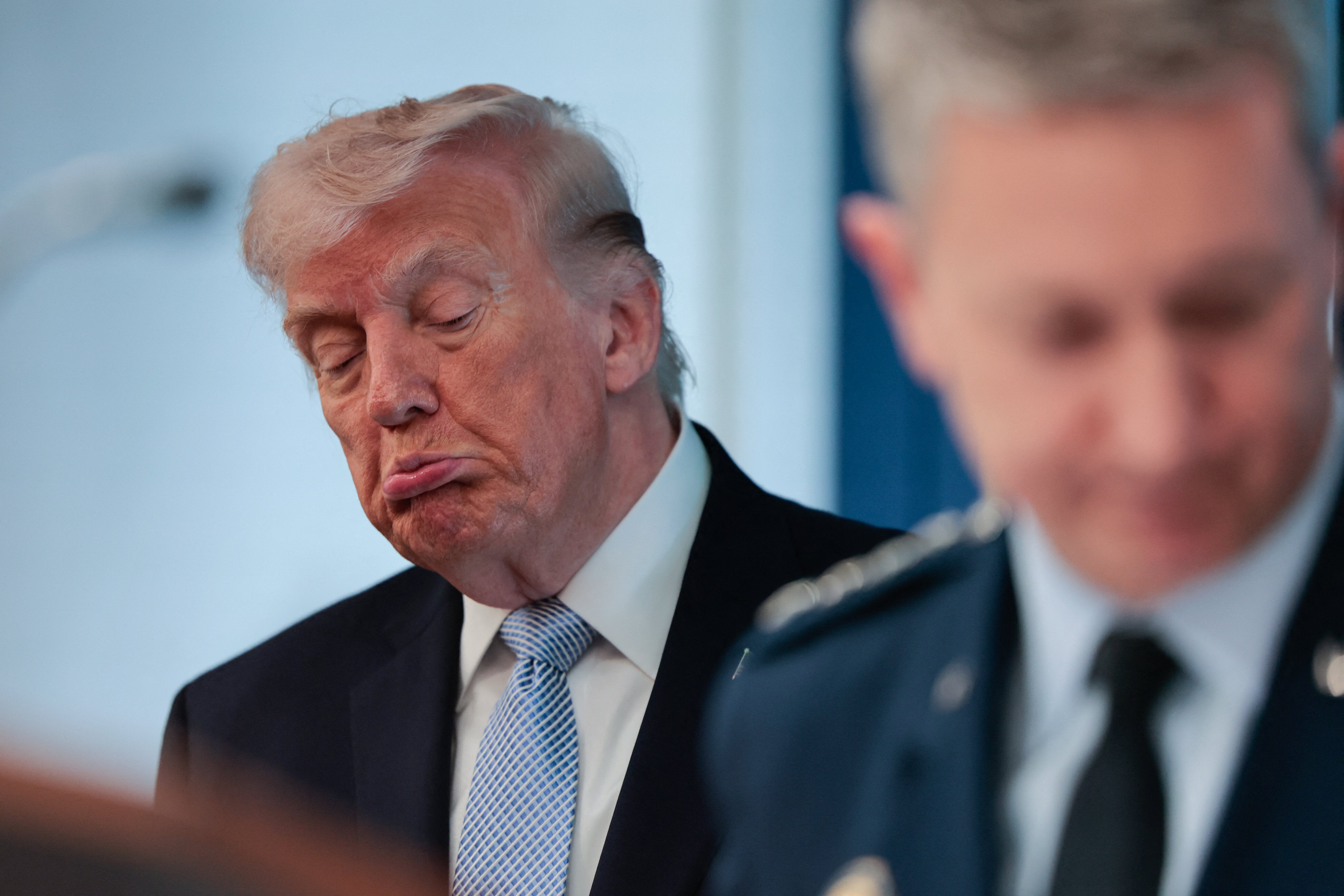
‘He’s Gonna Have A Meltdown’: Internet Reacts After Donald Trump Fails To Win Nobel Peace Prize

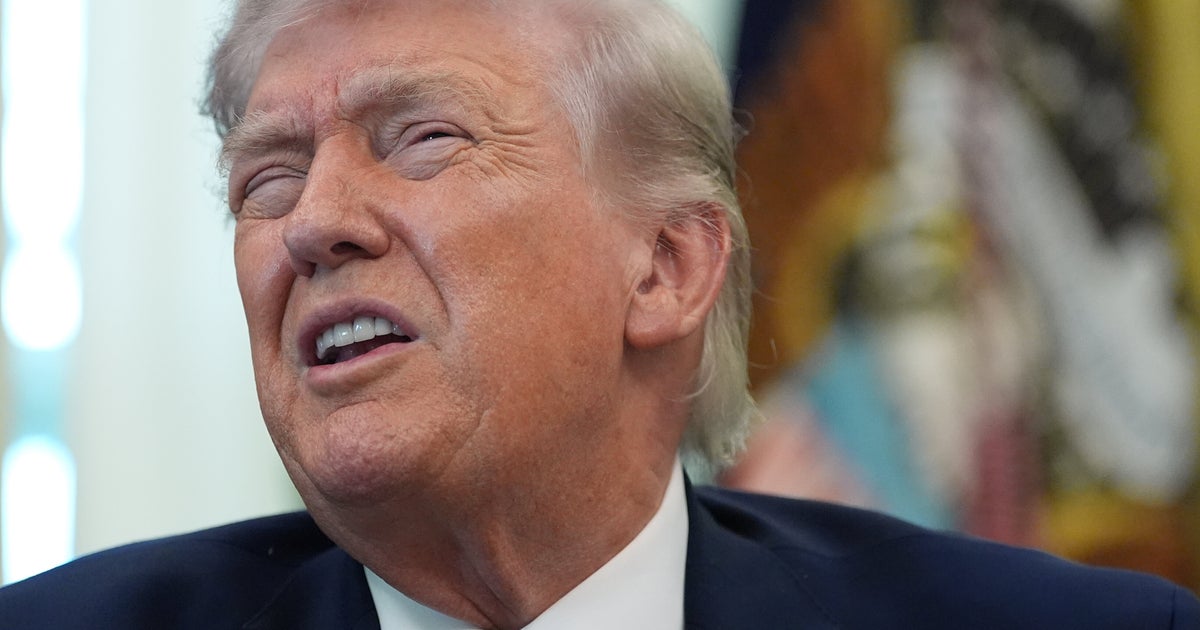
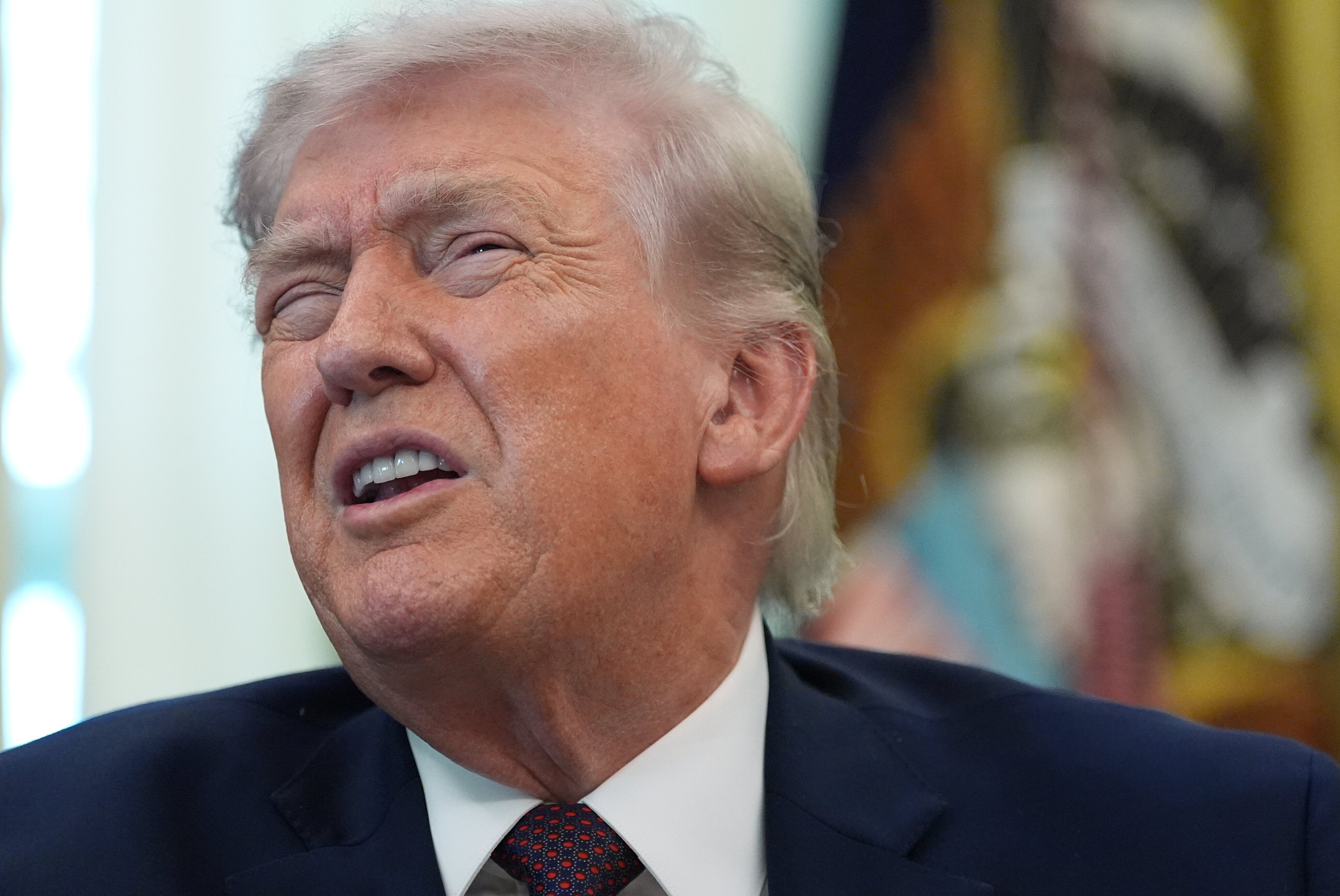
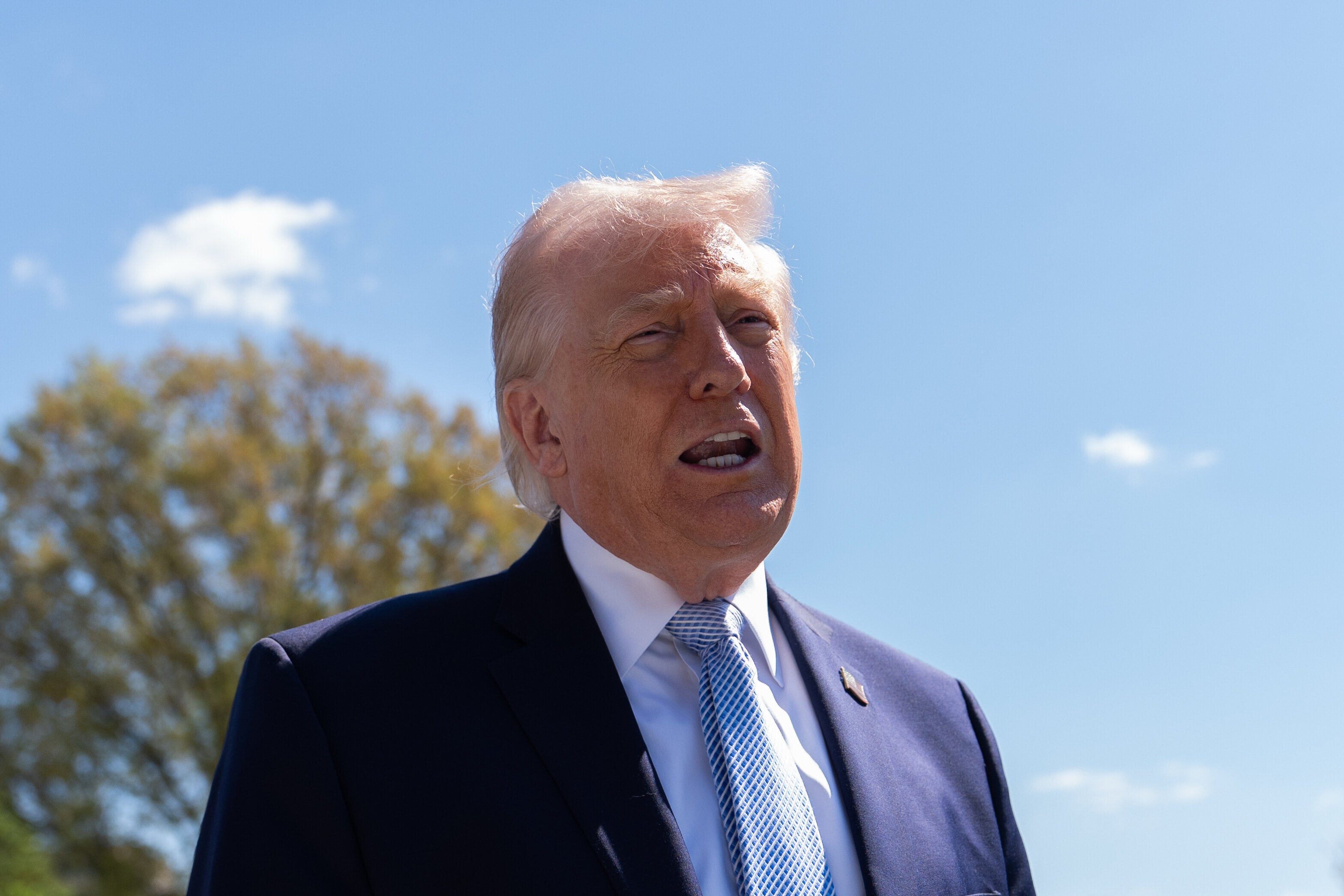
Donald Trump has been passed over for this year’s Nobel Peace Prize, despite mounting a not-so-subtle campaign to receive it.

Venezuelan opposition leader María Corina Machado was given the award by the Nobel committee on Friday.

In a post on X, the Nobel organisers said: “Democracy is a precondition for lasting peace. However, we live in a world where democracy is in retreat, where more and more authoritarian regimes are challenging norms and resorting to violence.

“Maria Corina Machado has spent years working for the freedom of the Venezuelan people. The Venezuelan regime’s rigid hold on power and its repression of the population are not unique in the world. We see the same trends globally: rule of law abused by those in control, free media silenced, critics imprisoned, and societies pushed towards authoritarian rule and militarisation.

“In 2024, more elections were held than ever before, but fewer and fewer are free and fair.”

Their remarks have been interpreted by some as an indirect criticism of Trump, who has been accused of authoritarianism over his legal pursuit of his political enemies.

While the world waits for Trump’s own reaction to being snubbed, the internet reacted as you’d expect.

The announcement came a day after Israel and Hamas agreed to Trump’s peace plan for Gaza, which led to increased speculation that the US president could scoop the prize.

However, that was never a real possibility as nominations to the Nobel committee closed on January 31, just days after Trump returned to the White House.

Nevertheless, it is understood he was among the nominees for his work on the Abraham Accords, which normalised relations between Israel and Arab states, during his first term in office.

Trump also thought he was in with a chance, saying on Thursday: “I don’t know what they’re going to do, really. But I know this, that nobody in history has solved eight wars in a period of nine months.”

Asked about Trump’s campaigning following the announcement, Juergen Warne Frydnes of the Nobel Committee said: “In the long history of the Nobel Peace Prize I think this committee has seen any type of campaign, media attention and we receive thousands of letters every year, from people wanting to say what to them means peace.

“This committee sits in a room filled with the portraits of all laureates and that room is filled with courage and integrity. We base our decision only on the work and the will of Alfred Nobel.”

<div class="js-react-hydrator" data-component-name="Twitter" data-component-id="1523" data-component-props="{"itemType":"rich","index":18,"contentIndexByType":1,"contentListType":"embed","code":"

Democracy is a precondition for lasting peace. However, we live in a world where democracy is in retreat, where more and more authoritarian regimes are challenging norms and resorting to violence.

Maria Corina Machado – awarded the 2025 #NobelPeacePrize – has spent years working… pic.twitter.com/URtYv9uBfV

— The Nobel Prize (@NobelPrize) October 10, 2025

","type":"rich","meta":{"author":"The Nobel Prize","author_url":"https://twitter.com/NobelPrize","cache_age":86400,"description":"Democracy is a precondition for lasting peace. However, we live in a world where democracy is in retreat, where more and more authoritarian regimes are challenging norms and resorting to violence.Maria Corina Machado – awarded the 2025 #NobelPeacePrize – has spent years working… pic.twitter.com/URtYv9uBfV— The Nobel Prize (@NobelPrize) October 10, 2025\n\n\n","options":{"_hide_media":{"label":"Hide photos, videos, and cards","value":false},"_maxwidth":{"label":"Adjust width","placeholder":"220-550, in px","value":""},"_theme":{"value":"","values":{"dark":"Use dark theme"}}},"provider_name":"Twitter","thumbnail_height":720,"thumbnail_url":"https://pbs.twimg.com/media/G24zvWJXMAAqx0x.jpg:large","thumbnail_width":1080,"title":"The Nobel Prize on Twitter / X","type":"rich","url":"https://twitter.com/NobelPrize/status/1976574190049247348","version":"1.0"},"flags":[],"enhancements":{},"fullBleed":false,"options":{"theme":"news","device":"desktop","editionInfo":{"id":"uk","name":"U.K.","link":"https://www.huffingtonpost.co.uk","locale":"en_GB"},"originalEdition":"uk","isMapi":false,"isAmp":false,"isMobile":false,"isAdsFree":false,"isVideoEntry":false,"isEntry":true,"isMt":false,"entryId":"68e8d1b0e4b0e374c3a77442","entryPermalink":"https://www.huffingtonpost.co.uk/entry/hes-gonna-have-a-meltdown-internet-reacts-after-donald-trump-snubbed-for-nobel-peace-prize_uk_68e8d1b0e4b0e374c3a77442","entryTagsList":"donald-trump,nobel-peace-prize,@ai_seo_headline","sectionSlug":"politics","deptSlug":null,"sectionRedirectUrl":null,"subcategories":"","isWide":false,"isShopping":false,"headerOverride":null,"noVideoAds":false,"disableFloat":false,"isNative":false,"commercialVideo":{"provider":"custom","site_and_category":"uk.politics","package":null},"isHighline":false,"vidibleConfigValues":{"cid":"60afc140cf94592c45d7390c","disabledWithMapiEntries":false,"overrides":{"all":"60b8e525cdd90620331baaf4"},"whitelisted":["56c5f12ee4b03a39c93c9439","56c6056ee4b01f2b7e1b5f35","59bfee7f9e451049f87f550b","5acccbaac269d609ef44c529","570278d2e4b070ff77b98217","57027b4be4b070ff77b98d5c","56fe95c4e4b0041c4242016b","570279cfe4b06d08e3629954","5ba9e8821c2e65639162ccf1","5bcd9904821576674bc55ced","5d076ca127f25f504327c72e","5b35266b158f855373e28256","5ebac2e8abddfb04f877dff2","60b8e525cdd90620331baaf4","60b64354b171b7444beaff4d","60d0d8e09340d7032ad0fb1a","60d0d90f9340d7032ad0fbeb","60d0d9949340d7032ad0fed3","60d0d9f99340d7032ad10113","60d0daa69340d7032ad104cf","60d0de02b627221e9d819408"],"playlists":{"default":"57bc306888d2ff1a7f6b5579","news":"56c6dbcee4b04edee8beb49c","politics":"56c6dbcee4b04edee8beb49c","entertainment":"56c6e7f2e4b0983aa64c60fc","tech":"56c6f70ae4b043c5bdcaebf9","parents":"56cc65c2e4b0239099455b42","lifestyle":"56cc66a9e4b01f81ef94e98c"},"playerUpdates":{"56c6056ee4b01f2b7e1b5f35":"60b8e525cdd90620331baaf4","56c5f12ee4b03a39c93c9439":"60d0d8e09340d7032ad0fb1a","59bfee7f9e451049f87f550b":"60d0d90f9340d7032ad0fbeb","5acccbaac269d609ef44c529":"60d0d9949340d7032ad0fed3","5bcd9904821576674bc55ced":"60d0d9f99340d7032ad10113","5d076ca127f25f504327c72e":"60d0daa69340d7032ad104cf","5ebac2e8abddfb04f877dff2":"60d0de02b627221e9d819408"}},"connatixConfigValues":{"defaultPlayer":"16b0ecc6-802c-4120-845f-e90629812c4d","clickToPlayPlayer":"823ac03a-0f7e-4bcb-8521-a5b091ae948d","videoPagePlayer":"05041ada-93f7-4e86-9208-e03a5b19311b","defaultPlaylist":"2e062669-71b4-41df-b17a-df6b1616bc8f"},"topConnatixThumnbailSrc":"data:image/png;base64,iVBORw0KGgoAAAANSUhEUgAAAAEAAAABCAQAAAC1HAwCAAAAC0lEQVR42mNkYAAAAAYAAjCB0C8AAAAASUVORK5CYII=","customAmpComponents":[],"ampAssetsUrl":"https://amp.assets.huffpost.com","videoTraits":null,"positionInUnitCounts":{"buzz_head":{"count":0},"buzz_body":{"count":0},"buzz_bottom":{"count":0}},"positionInSubUnitCounts":{"article_body":{"count":2},"blog_summary":{"count":0},"before_you_go_content":{"count":0}},"connatixCountsHelper":{"count":0},"buzzfeedTracking":{"context_page_id":"68e8d1b0e4b0e374c3a77442","context_page_type":"buzz","destination":"huffpost","mode":"desktop","page_edition":"en-uk"},"tags":[{"name":"Donald Trump","slug":"donald-trump","links":{"relativeLink":"news/donald-trump","permalink":"https://www.huffingtonpost.co.uk/news/donald-trump","mobileWebLink":"https://www.huffingtonpost.co.uk/news/donald-trump"},"url":"https://www.huffingtonpost.co.uk/news/donald-trump/"},{"name":"Nobel Peace Prize","slug":"nobel-peace-prize","links":{"relativeLink":"news/nobel-peace-prize","permalink":"https://www.huffingtonpost.co.uk/news/nobel-peace-prize","mobileWebLink":"https://www.huffingtonpost.co.uk/news/nobel-peace-prize"},"url":"https://www.huffingtonpost.co.uk/news/nobel-peace-prize/"}],"isLiveblogLive":null,"isLiveblog":false,"backfillRelatedArticles":[],"cetUnit":"buzz_body","enableIncontentPlayer":false,"bodyAds":["

\r\n\r\n HPGam.cmd.push(function(){\r\n\t\treturn HPGam.render(\"inline-1\", \"entry_paragraph_1\", false, false);\r\n });\r\n\r\n","

\r\n\r\n HPGam.cmd.push(function(){\r\n\t\treturn HPGam.render(\"inline\", \"entry_paragraph_2\", false, false);\r\n });\r\n\r\n","

\r\n\r\n HPGam.cmd.push(function(){\r\n\t\treturn HPGam.render(\"inline-2\", \"entry_paragraph_3\", false, false);\r\n });\r\n\r\n","

\r\n\r\n HPGam.cmd.push(function(){\r\n\t\treturn HPGam.render(\"inline-infinite\", \"repeating_dynamic_display\", false, false);\r\n });\r\n\r\n"],"adCount":0,"midArticleAdPartner":null},"isCollectionEmbed":false}”>

Democracy is a precondition for lasting peace. However, we live in a world where democracy is in retreat, where more and more authoritarian regimes are challenging norms and resorting to violence.

Maria Corina Machado – awarded the 2025 #NobelPeacePrize – has spent years working… pic.twitter.com/URtYv9uBfV

— The Nobel Prize (@NobelPrize) October 10, 2025

<div class="js-react-hydrator" data-component-name="Twitter" data-component-id="8558" data-component-props="{"itemType":"rich","index":21,"contentIndexByType":3,"contentListType":"embed","code":"

There is KARMA

The orange buffoon will lose what’s left of his diseased, corrupt, fascist mind!

Venezuela’s Maria Corina Machado wins Nobel Peace Prize despite intense Donald Trump campaign pic.twitter.com/tDMWIGAawJ

— Rick (@colonelhogans) October 10, 2025

","type":"rich","meta":{"author":"Rick","author_url":"https://twitter.com/colonelhogans","cache_age":86400,"description":"There is KARMA The orange buffoon will lose what’s left of his diseased, corrupt, fascist mind! Venezuela’s Maria Corina Machado wins Nobel Peace Prize despite intense Donald Trump campaign pic.twitter.com/tDMWIGAawJ— Rick (@colonelhogans) October 10, 2025\n\n\n","options":{"_hide_media":{"label":"Hide photos, videos, and cards","value":false},"_maxwidth":{"label":"Adjust width","placeholder":"220-550, in px","value":""},"_theme":{"value":"","values":{"dark":"Use dark theme"}}},"provider_name":"Twitter","thumbnail_height":1350,"thumbnail_url":"https://pbs.twimg.com/media/G244b3raUAEvlqf.jpg:large","thumbnail_width":1080,"title":"Rick on Twitter / X","type":"rich","url":"https://twitter.com/colonelhogans/status/1976579343746060552","version":"1.0"},"flags":[],"enhancements":{},"fullBleed":false,"options":{"theme":"news","device":"desktop","editionInfo":{"id":"uk","name":"U.K.","link":"https://www.huffingtonpost.co.uk","locale":"en_GB"},"originalEdition":"uk","isMapi":false,"isAmp":false,"isMobile":false,"isAdsFree":false,"isVideoEntry":false,"isEntry":true,"isMt":false,"entryId":"68e8d1b0e4b0e374c3a77442","entryPermalink":"https://www.huffingtonpost.co.uk/entry/hes-gonna-have-a-meltdown-internet-reacts-after-donald-trump-snubbed-for-nobel-peace-prize_uk_68e8d1b0e4b0e374c3a77442","entryTagsList":"donald-trump,nobel-peace-prize,@ai_seo_headline","sectionSlug":"politics","deptSlug":null,"sectionRedirectUrl":null,"subcategories":"","isWide":false,"isShopping":false,"headerOverride":null,"noVideoAds":false,"disableFloat":false,"isNative":false,"commercialVideo":{"provider":"custom","site_and_category":"uk.politics","package":null},"isHighline":false,"vidibleConfigValues":{"cid":"60afc140cf94592c45d7390c","disabledWithMapiEntries":false,"overrides":{"all":"60b8e525cdd90620331baaf4"},"whitelisted":["56c5f12ee4b03a39c93c9439","56c6056ee4b01f2b7e1b5f35","59bfee7f9e451049f87f550b","5acccbaac269d609ef44c529","570278d2e4b070ff77b98217","57027b4be4b070ff77b98d5c","56fe95c4e4b0041c4242016b","570279cfe4b06d08e3629954","5ba9e8821c2e65639162ccf1","5bcd9904821576674bc55ced","5d076ca127f25f504327c72e","5b35266b158f855373e28256","5ebac2e8abddfb04f877dff2","60b8e525cdd90620331baaf4","60b64354b171b7444beaff4d","60d0d8e09340d7032ad0fb1a","60d0d90f9340d7032ad0fbeb","60d0d9949340d7032ad0fed3","60d0d9f99340d7032ad10113","60d0daa69340d7032ad104cf","60d0de02b627221e9d819408"],"playlists":{"default":"57bc306888d2ff1a7f6b5579","news":"56c6dbcee4b04edee8beb49c","politics":"56c6dbcee4b04edee8beb49c","entertainment":"56c6e7f2e4b0983aa64c60fc","tech":"56c6f70ae4b043c5bdcaebf9","parents":"56cc65c2e4b0239099455b42","lifestyle":"56cc66a9e4b01f81ef94e98c"},"playerUpdates":{"56c6056ee4b01f2b7e1b5f35":"60b8e525cdd90620331baaf4","56c5f12ee4b03a39c93c9439":"60d0d8e09340d7032ad0fb1a","59bfee7f9e451049f87f550b":"60d0d90f9340d7032ad0fbeb","5acccbaac269d609ef44c529":"60d0d9949340d7032ad0fed3","5bcd9904821576674bc55ced":"60d0d9f99340d7032ad10113","5d076ca127f25f504327c72e":"60d0daa69340d7032ad104cf","5ebac2e8abddfb04f877dff2":"60d0de02b627221e9d819408"}},"connatixConfigValues":{"defaultPlayer":"16b0ecc6-802c-4120-845f-e90629812c4d","clickToPlayPlayer":"823ac03a-0f7e-4bcb-8521-a5b091ae948d","videoPagePlayer":"05041ada-93f7-4e86-9208-e03a5b19311b","defaultPlaylist":"2e062669-71b4-41df-b17a-df6b1616bc8f"},"topConnatixThumnbailSrc":"data:image/png;base64,iVBORw0KGgoAAAANSUhEUgAAAAEAAAABCAQAAAC1HAwCAAAAC0lEQVR42mNkYAAAAAYAAjCB0C8AAAAASUVORK5CYII=","customAmpComponents":[],"ampAssetsUrl":"https://amp.assets.huffpost.com","videoTraits":null,"positionInUnitCounts":{"buzz_head":{"count":0},"buzz_body":{"count":0},"buzz_bottom":{"count":0}},"positionInSubUnitCounts":{"article_body":{"count":2},"blog_summary":{"count":0},"before_you_go_content":{"count":0}},"connatixCountsHelper":{"count":0},"buzzfeedTracking":{"context_page_id":"68e8d1b0e4b0e374c3a77442","context_page_type":"buzz","destination":"huffpost","mode":"desktop","page_edition":"en-uk"},"tags":[{"name":"Donald Trump","slug":"donald-trump","links":{"relativeLink":"news/donald-trump","permalink":"https://www.huffingtonpost.co.uk/news/donald-trump","mobileWebLink":"https://www.huffingtonpost.co.uk/news/donald-trump"},"url":"https://www.huffingtonpost.co.uk/news/donald-trump/"},{"name":"Nobel Peace Prize","slug":"nobel-peace-prize","links":{"relativeLink":"news/nobel-peace-prize","permalink":"https://www.huffingtonpost.co.uk/news/nobel-peace-prize","mobileWebLink":"https://www.huffingtonpost.co.uk/news/nobel-peace-prize"},"url":"https://www.huffingtonpost.co.uk/news/nobel-peace-prize/"}],"isLiveblogLive":null,"isLiveblog":false,"backfillRelatedArticles":[],"cetUnit":"buzz_body","enableIncontentPlayer":false,"bodyAds":["

\r\n\r\n HPGam.cmd.push(function(){\r\n\t\treturn HPGam.render(\"inline-1\", \"entry_paragraph_1\", false, false);\r\n });\r\n\r\n","

\r\n\r\n HPGam.cmd.push(function(){\r\n\t\treturn HPGam.render(\"inline\", \"entry_paragraph_2\", false, false);\r\n });\r\n\r\n","

\r\n\r\n HPGam.cmd.push(function(){\r\n\t\treturn HPGam.render(\"inline-2\", \"entry_paragraph_3\", false, false);\r\n });\r\n\r\n","

\r\n\r\n HPGam.cmd.push(function(){\r\n\t\treturn HPGam.render(\"inline-infinite\", \"repeating_dynamic_display\", false, false);\r\n });\r\n\r\n"],"adCount":0,"midArticleAdPartner":null},"isCollectionEmbed":false}”>

There is KARMA

The orange buffoon will lose what’s left of his diseased, corrupt, fascist mind!

Venezuela’s Maria Corina Machado wins Nobel Peace Prize despite intense Donald Trump campaign pic.twitter.com/tDMWIGAawJ

— Rick (@colonelhogans) October 10, 2025