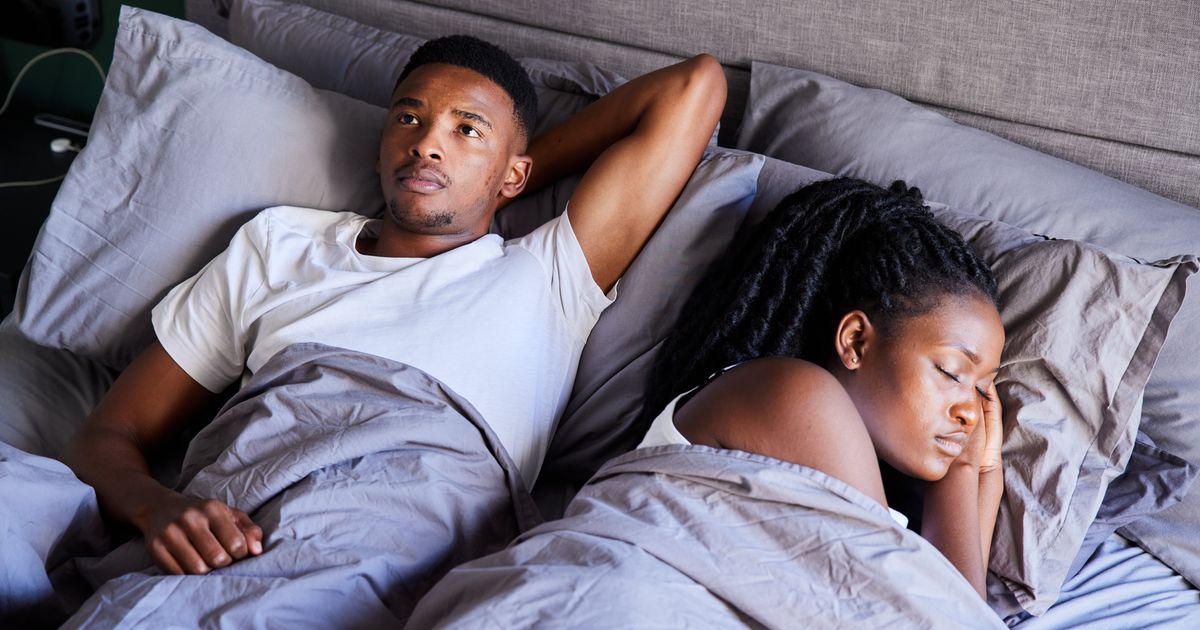

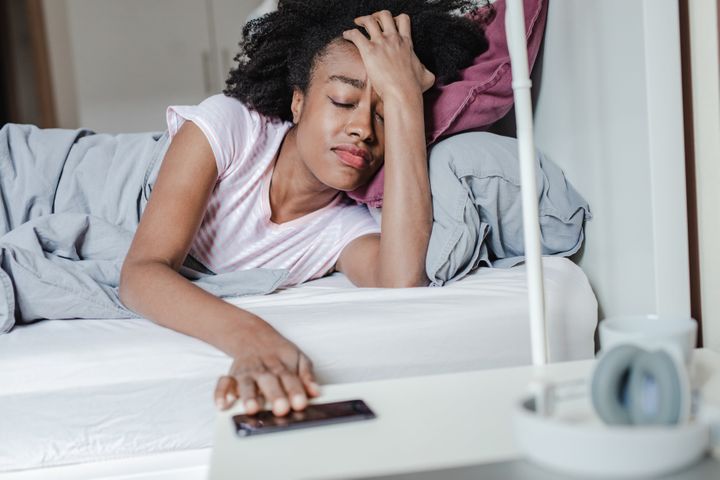
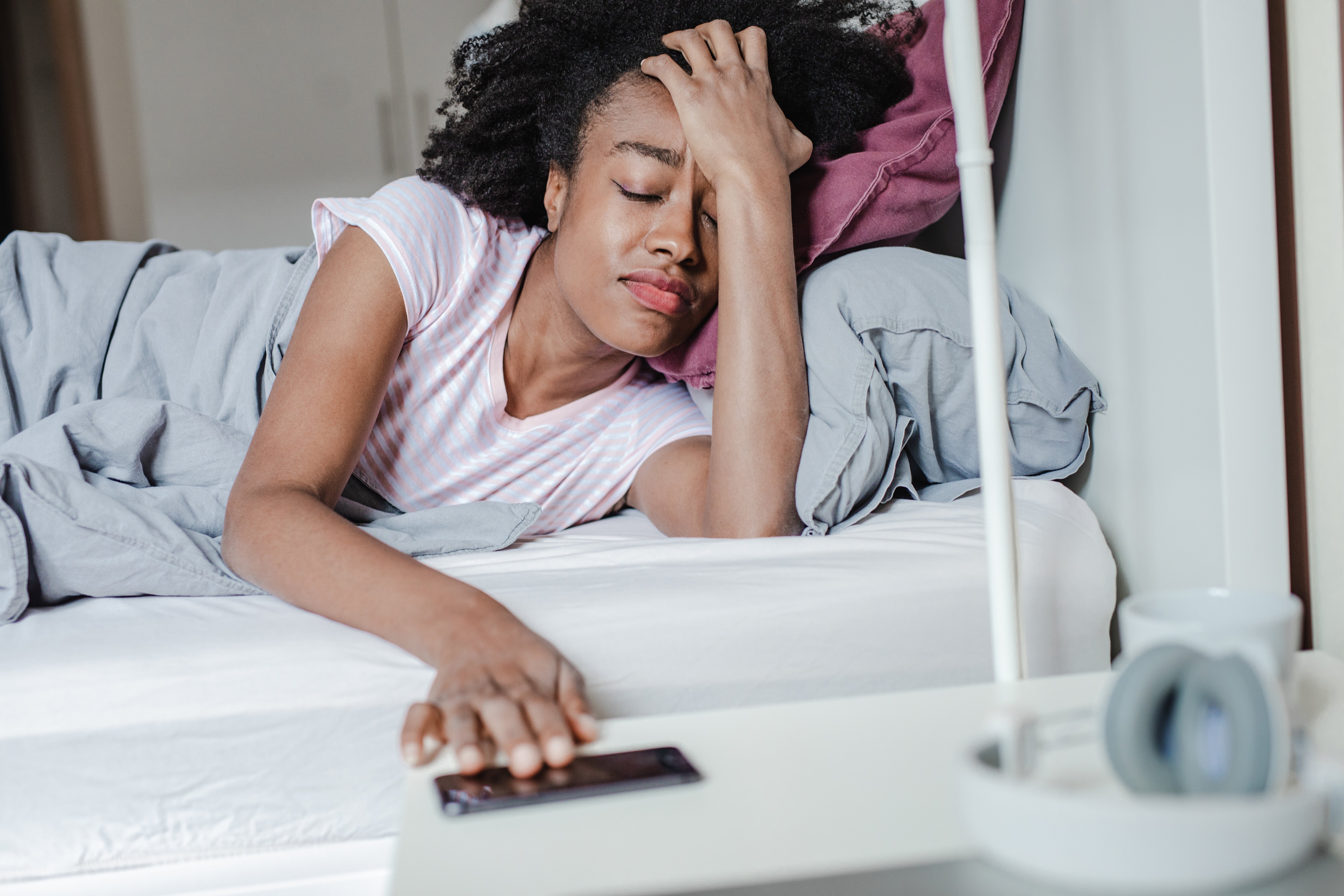
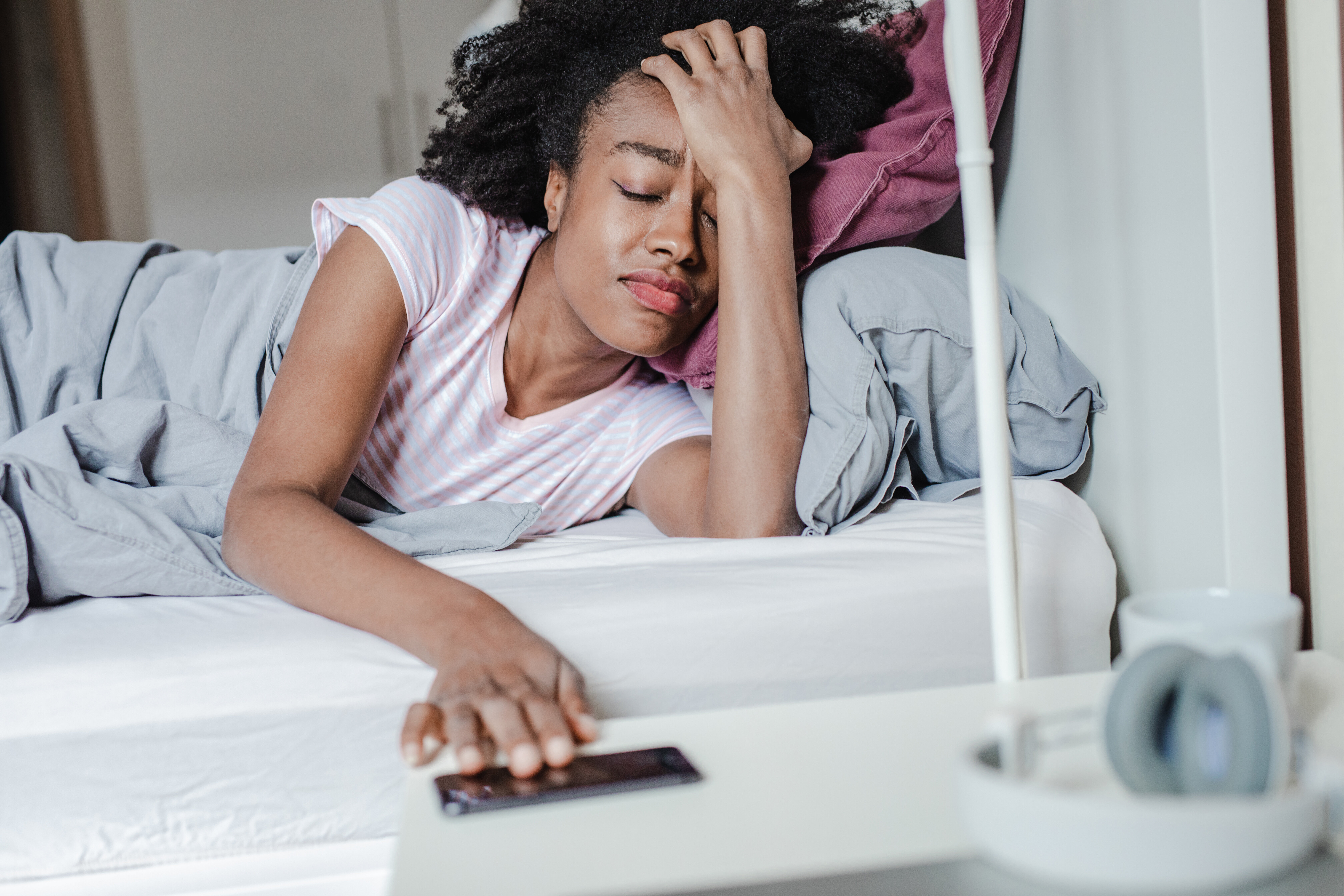
Some of us see sleeping with a partner as an act of intimacy, however for others it can cause discomfort and have a negative effect on sleep. If the latter rings true, you might want to opt for a “sleep divorce”.
A sleep divorce is simply sleeping apart, in separate beds or bedrooms, so that both partners can get a good night’s rest.
Advertisement
“No one talks about sleep divorce and it is so common,” says relationship psychologist Mairead Molloy, from elite dating agency Berkeley International.
She’s right – a survey by the National Sleep Foundation in 2017 found that one in four married couples chose to sleep in separate rooms.
There are lots of reasons why a couple might choose to sleep separately. You might work different shifts, one of you might be a loud sleeper, or you might have children and co-sleep.
“If your partner snores, moves a lot or gets up in the middle of the night, you wake up, interrupting your rest,” says Molloy. “This takes a toll on you both physically and psychologically.”
Advertisement
While the name “sleep divorce” doesn’t exactly have the most positive connotations, it doesn’t have to be a negative experience.
“Sleeping in another room helps not only improve your comfort and rest but also to keep your personal space,” says Molloy.
Peter Saddington, a sex and relationship counsellor,previously told HuffPost UK he works with lots of couples who want to entertain the idea of sleeping separately but are worried about what it will mean for their marriage and sex life.
People get anxious about what it means, he said, because they worry it’s “a sign of the end days”.
But while some might worry that sleeping apart spells the end for intimacy, Molloy and Saddington believe the opposite is true.
“Sleeping in the same bed can become mundane,” said Saddington. “You see your partner not always necessarily looking their best – sweaty, disheveled – but if you’re just there for sex you can put more effort in and present yourself when you’re feeling at your best. For some people it can even heighten excitement.”
Advertisement
Molloy agrees a sleep divorce can give your sex life a boost. “Being separated at night favours the existence of an erotic space in which you miss the other person. Thus, it increases your desire to be together,” she suggests.
If you are tempted, it might be worth trialling it for a couple of months. That way, if it doesn’t work for you, you can go back to your previous arrangement.
But if you do see an improvement in how rested you feel, “keep going,” Saddington advised. “It is not always bad news to sleep separately.”
If you’re a very romantic person who’s horrified by the idea of spending the night alone, an intermediate solution could be sleeping in the same bed but with separate duvets or blankets, known as the Scandinavian sleep method, suggests Molloy.
“Overall, this is a good way to sleep together,” she says, “but still comfortable if your partner moves a lot and invades your space.”
We hope you love the products we recommend! All of them were independently selected by our editors. Just so you know, HuffPost UK may collect a share of sales or other compensation from the links on this page if you decide to shop from them. Oh, and FYI — prices are accurate and items in stock as of time of publication.
There are three areas many of us strive to perfect when it comes to health and beauty: our skin, hair and sleep. Often the secret to all round good health is a restful snooze, but there are a number of factors that can disrupt your slumber, and have a knock on effect on your physical and mental health.
Advertisement
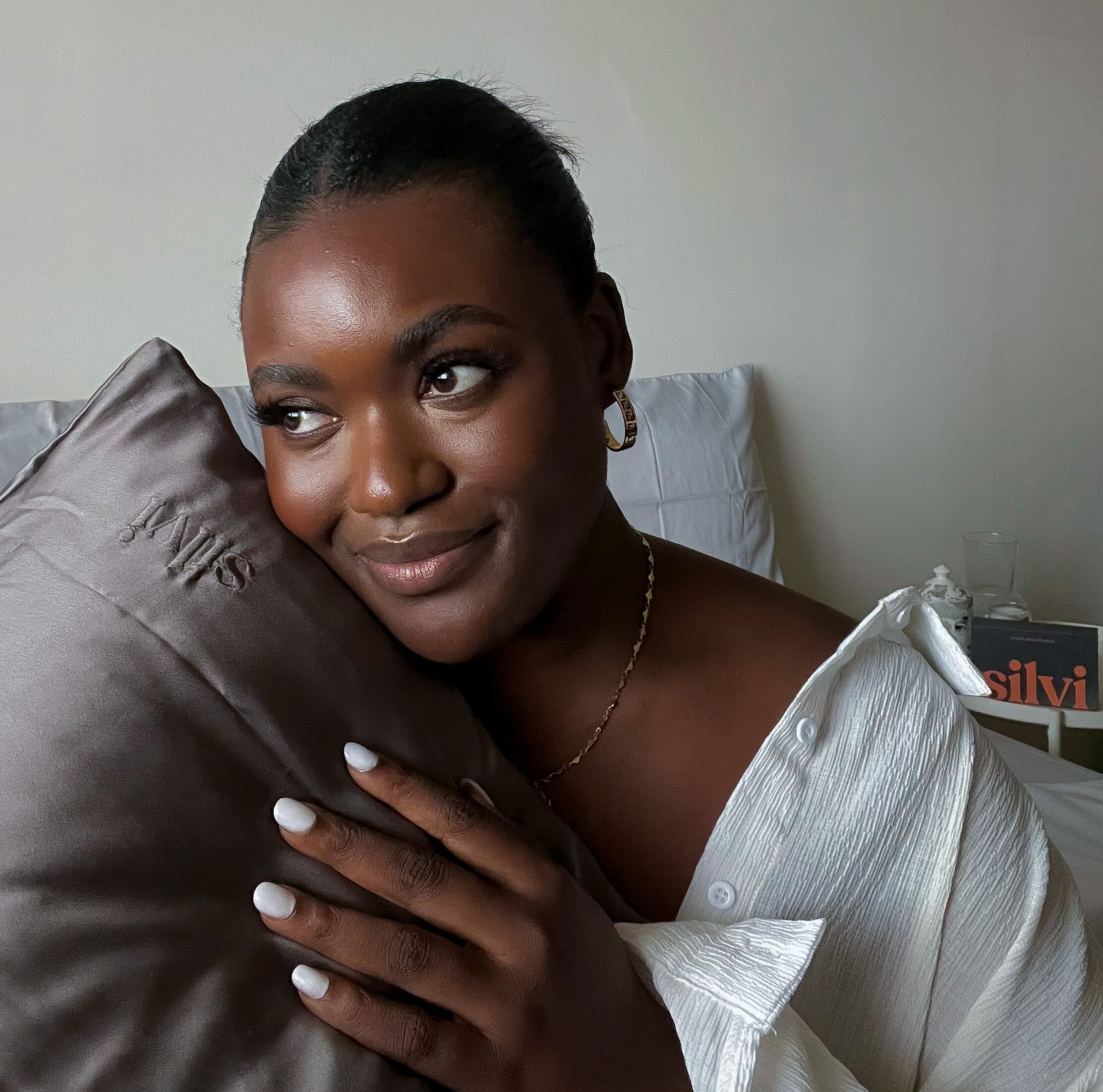
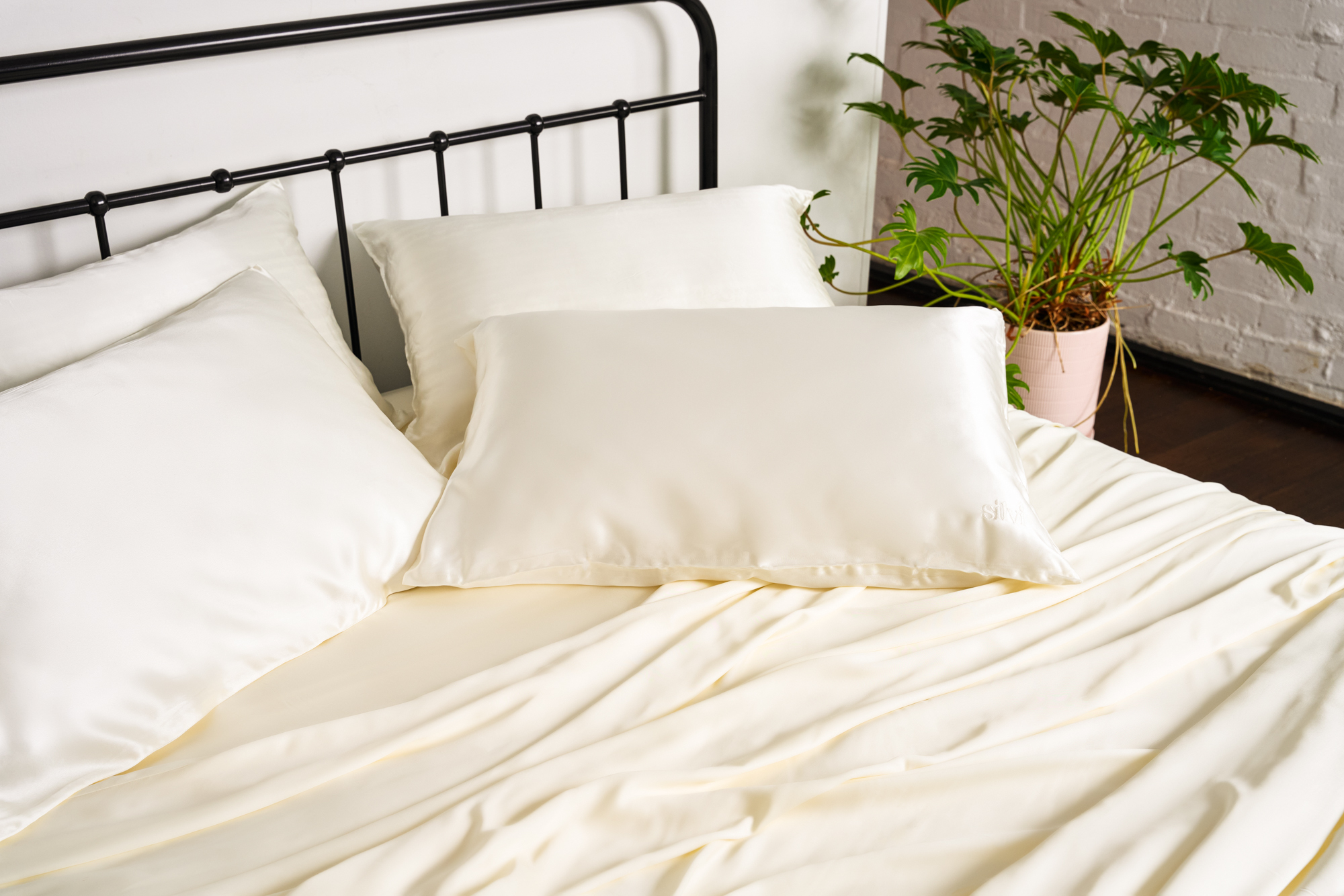
But Silvi has become a bit of an internet sensation to combat all of the above, in the form of its anti-acne silk pillowcase.
Silk pillowcases have seen a surge in populariy in recent years, thanks to celeb advocates such as Queer Eye’s Jonathan Van Ness, but Silvi has gone one step further with a triple threat in the bedding and beauty game: a pillowcase that aims to prevent hair damage, achieve blemish-free skin, and act as a sleep aid.
Maybe it’s understandable that this pillowcase has gone viral on TikTok, racking up more than 20 million views after a video testing the product proved no nasties grow from, or on, this design, in over a week. Genius, right?
Advertisement
The science behind Silvi’s anti-acne silk pillowcases is that they are treated with silver ions, clinically proven to eliminate up to 99.7% bacteria that contribute to breakouts, within a week.
Not only is the gentle and lightweight fabric antibacterial, it’s hypoallergenic too, and free from any chemicals, making it a good bet if you’ve got sensitive skin, suffer from allergies, or are prone to breakouts – as well as shoppers on the lookout for anti-ageing solutions.
And then there’s the hair benefits. The mulberry silk fabric is soft to the touch, which is ideal for those wanting to prevent hair breakage when tossing and turning through the night. Plus, the gentle fabric means a comfortable surface to lay your head on, which inevitably encourages a better night’s sleep.
Silvi’s pillowcase is also temperature regulating, meaning no more night sweats, or sleepless slumbers leaving you tired and groggy come the morning. In fact, the brand says the fabric is “4.5 times more breathable and cooling than cotton”, making it popular with pre and perimenopausal women, too.
ROSS CAMPBELL
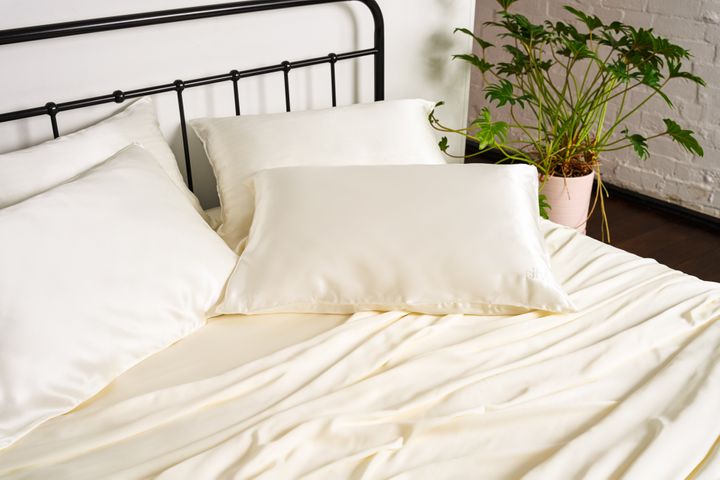
The Silvi silk pillowcase in white
Advertisement
The Anti-Acne Silk Pillowcase comes in two sizes (standard and king size), as well as two colours (white and charcoal grey), to match your bedroom style. It also features a zip fastening so there’s no fear of your pillow slipping out.
Silvi’s pillowcase has been ethically certified cruelty free as it’s not tested on animals. And while the innovative design is machine washable – on a delicate setting with a neutral pH detergent – the silver treatment keeps it fresher for longer, so the pillowcase only needs washing every 10 to 14 days. Fewer washes means this purchase is more eco friendly, too. Every little helps.
Each pillowcase retails for £49, but fans say it’s an investment work making, considering the benefits to your hair, skin, sleep, and washing come laundry day. Buy for yourself, a friend, relative or loved one, and know that if you aren’t quite satisfied with your purchase, Silvi offers shoppers a 100-night guarantee, which means unsatisfied customers are eligible for a full refund.
But, with 100,000 pillowcases sold to happy customers in the first year alone, we don’t expect you’ll be using it any time soon. Sweet dreams!
If there’s one thing we know about tiny tots, it’s that they definitely don’t do lie-ins. Unfortunately some little ones can become pros at waking up before the sun has even risen – much to the horror of their zombified parents.
But what actually constitutes as “too early” when it comes to kids waking up? Dani McFadden, an infant sleep expert from The Daddy Sleep Consultant, says she’d define it as “anything less than 11 hours after going to sleep”.
Advertisement
“In our experience, babies can typically sleep 11-12 hours at night and so we always aim for 11 hours from waking time when working with clients,” she tells HuffPost UK.
On rare occasions, some toddlers can get away with sleeping only 10.5 hours at night and are still absolutely happy and content with that amount, she adds.
Lauren Peacock, a sleep consultant at Little Sleep Stars, defines early rising as a little one consistently being awake for the day before 6am.
Most kids are natural ‘larks’, she adds, meaning they typically wake up fairly early – between 6 and 7am is standard. “If it’s earlier than that, there are usually steps a family can take to push the wake-up time to at least 6am,” she says.
Advertisement
Reasons your child is waking up too early
Overtiredness
“In our experience, we usually see early wakings being driven by overtiredness, usually because of a lack of daytime sleep,” says Dani McFadden.
Lack of daytime sleep – or a wake window between the final nap and bedtime which is too long – will lead to a baby becoming overtired, she explains.
“This will usually increase the levels of cortisol in the baby and cortisol is what keeps us awake each day. Therefore, if there is an increased level of cortisol in the body (more than what would usually be produced) this can lead to a baby waking more frequently in the night or waking earlier in the morning.”
Not building up enough sleep pressure
To sleep soundly until 6am or later, a child needs to be going to bed with enough sleep pressure (aka the physical drive to sleep) to do that, says sleep consultant Lauren Peacock. But sometimes they don’t build up enough of this sleep pressure in the day.
Things that can leave a little one low on sleep pressure are:
too much daytime sleep
insufficient awake time before bedtime
a bedtime that is too early for them
Vera Livchak via Getty Images
Advertisement
Interestingly – and annoyingly for parents impacted – without enough sleep pressure, a child may actually still fall asleep well at bedtime, as all the behavioural cues suggest it’s time to sleep. But the problem often comes at the other end of the night, says the sleep expert, when staying asleep without any remaining sleep pressure becomes “fairly impossible”.
What makes life even trickier is if you then cut down the amount of daytime sleep your child has too much, or you keep them awake for stretches that are too long, or you send them to bed later in the hope they sleep later, this can also backfire and cause early-waking. It’s about getting a happy medium.
“This happens because when a child gets too tired, they release additional wakeful hormones which can interfere with the body clock and in turn make 5am feel like the right time to be starting the day,” explains Peacock.
“So even though a child might still have enough sleep pressure to carry on sleeping, their body clock insists that they should be starting the day.”
As a result, she says, it’s often the timing and/or duration of their nap and/or the time a child is going to bed that is driving the early start.
Advertisement
Environmental factors
What probably won’t be music to parents’ ears after reading all of the above is that there are also some environmental factors that can wreak havoc on young children’s awake times.
Is your child hungry? Do they need a nappy change? Is there light creeping into the room? An increase in noise levels? Or a drop in temperature? These can all signal to your child that it’s time to get up and start the day. Cue: them standing in their cot, eyes wide open, shrieking at you; and you looking at your alarm clock and groaning hard.
How to stop your child from waking up so early
If your child is waking up at the crack of dawn then there are (thankfully) lots of things you can do to try and address it.
The first thing you can do is check how much sleep your child is getting overall in a 24-hour period, compared to the evidence-based range.
The Sleep Foundation is a great resource for information around average sleep needs by age, says Peacock. If a little one is towards the bottom of the range, or below it, parents should try encouraging more daytime sleep (longer naps) and/or an earlier bedtime, she suggests.
Advertisement
And if this doesn’t work, then it’s a “good indicator” that overtiredness is the culprit, “in which case, continuing to top up a child’s sleep tank should eventually start to chip away at the early start.”
If an early-riser is getting quite a lot of sleep for their age, or if more daytime sleep worsens the early start, then Peacock recommends going the other way and gently cutting the daytime sleep a little shorter or trying a later bedtime.
Chanin Nont via Getty Images
“Whenever a child’s routine changes, parents need to be prepared to stick with the new timings for a week or so, before evaluating the impact, as it typically takes a good few days for a child’s body clock to begin responding,” she adds.
“It’s all about getting a child’s sleep pressure back into alignment with their body clock – not least because young children are driven much more by what time it feels like than what time it actually is. The trick is to stop 5am feeling like the right time to get up.”
Advertisement
In terms of making the environment more conducive to a longer sleep, McFadden says it’s “imperative” that the room remains blackout dark in the mornings as light can stimulate our little ones, just as their body is preparing for wake-up and sleep is naturally lighter.
“Also, it’s important for parents to be mindful of external noise starting at this time which can wake babies, for example: birds tweeting, traffic picking up on the roads and parents getting up for work,” she says. “This is where white noise, which plays all night, can be very helpful for blocking out that external noise.”
Sometimes parents do land themselves with a natural early bird and if that’s the case, and your kid is raring to go at 6am every day, then it’s often easier for parents to adapt their own routine rather than their child’s, says Peacock.
“If caregivers can edge the time they head to bed earlier by 15 minutes every three to five days, they can typically get to a place whereby starting the day a little earlier than they did pre-children feels a lot more humane.”
Name two words parents dread more than sleep regression… we’ll wait.
We often hear about them in Whatsapp groups (why is my baby suddenly not sleeping?! Send coffee!), or in books about child development, with most agreeing the first sleep regression happens around the age of four months. Then eight months. Then 18 months and finally, two years.
But for lots of parents, it can feel like every week you’re starting a new sleep regression with a baby. And even when they’re toddlers, you’ll get the odd night where they sleep through in their cot (and you’ll pop some Prosecco in the morning to celebrate), but you’ll also get lots of occasions where they’ll wake up, end up in your bed, pull your hair, grab your lips and shout “DADDY!” approximately 59 times at 3.30am.
Advertisement
So what are sleep regressions – and why oh why does it feel like you’re constantly in one?
It turns out most sleep specialists don’t really consider sleep regression a thing, per se – the concept is not really used in scientific or medical contexts when discussing child sleep. That said, sleep specialists do recognise that lots of parents are aware of them.
“The only ‘regression’ with any science behind it, that I recognise, is the one that happens around four months old when babies’ sleep cycles actually change and become more like adult sleep,” says Emily Houltram, founder of The Sleep Chief. “But even that one divides professionals!”
Explaining what a sleep regression is, Lauren Peacock, a sleep consultant at Little Sleep Stars, says that “it generally refers to a sudden perceived deterioration in a child’s sleep pattern, typically characterised by difficulty settling at sleep onset and/or night-waking that is happening more frequently and possibly for an increased duration”.
Sleep isn’t linear, she explains, and like all other aspects of development, it matures over time with a noticeable change occurring in the first six months. “Once this change occurs, periodic night-waking becomes a normal part of the sleep pattern,” she says.
Advertisement
Then, whenever children hit a significant stage of their development – so that could be crawling, walking, talking, starting childcare, becoming a sibling, getting sick or teething (the list goes on), there is potential for their sleep to be impacted. Again, and again, and again.
Peacock suggests the term ‘regression’ is actually very misleading because none of these events occur as a result of a child going backwards – “they are only ever moving forwards,” she adds.
But for parents who aren’t sleeping that well, it can definitely seem like a step backwards compared to those halcyon days of newborn sleep when you could ease them gently back into slumber with a mere cuddle and a bit of milk.
Most babies will be impacted by a disruption to sleep at some point in their first few years, but some will be less impacted than others.
“All babies experience changes to their sleep pattern and many will go through phases where sleep feels more challenging,” says Peacock. “Some little ones do have a trickier relationship with sleep than others and so whilst some children will experience more frequent and persistent sleep disruption, others will navigate through these inevitable ups and downs much more smoothly.”
Advertisement
If you’re very much in the camp of surviving the day on four hours’ sleep and feeling like you might never get a good night’s kip ever again, we have some good news – and some bad news.
The good news is that this won’t last forever. When they’re teenagers they’ll be sleeping for lengthy stretches to the point where you’ll probably worry they’re sleeping too much.
The bad news is that even as your baby becomes a toddler, and then a young child, there’ll probably be a few bumps in the road as far as their sleep is concerned. (Like we said: basically one big sleep regression.)
Signs your baby might be entering a so-called sleep regression include:
:: Becoming more difficult to settle at bed or nap time
:: Waking more frequently than was previously typical
:: Waking in the night and then staying awake for a long period – something sleep experts refer to as a “split-night”
:: Waking up a lot earlier.
Vera Livchak via Getty Images
Advertisement
There is a popular narrative around sleep regressions occurring at specific ages: so typically we hear four months, eight months, 18 months and two years as inevitable points that sleep will deteriorate, says Peacock.
“However, some families will feel that their child never experiences a ‘regression’, whereas others will feel that they are hit hard by every single one – with some extra ones thrown in for good measure,” she says.
“There are ages that it is more common to see sleep challenges crop up, and they do tend to coincide with children making big developmental shifts which are more common in the baby and toddler phases, but even older children can hit bumps with their sleep.”
If you are struggling right now, infant sleep expert Katie Palmer, from Infant Sleep Consultants, suggests maintaining good sleep hygiene to get your child into the best position possible to navigate the next few months (and years, if you’re really lucky) of sleep disruption.
“This involves a good routine in the day, well-timed naps, a good bedtime routine and allowing your child to self settle,” she says. “They will always find this easier at the onset of sleep but if you know they can do it at the start of the night, there is no reason why they can’t for the rest of the night.”
Advertisement
The sleep specialist adds that if a child is going through a developmental leap, they may be more unsettled when it comes to drifting off – and if you’re finding this, you can help them by keeping familiar routines and boundaries in place.
Of course, there are certain points where a parent might think: is there something drastically wrong with my child because they literally do not sleep? And if you’re feeling that, it’s definitely worth speaking to a sleep specialist about it – or at the very least your GP.
“There are ages that it is more common to see sleep challenges crop up, and they do tend to coincide with children making big developmental shifts which are more common in the baby and toddler phases, but even older children can hit bumps with their sleep.”
– Lauren Peacock
If a child’s sleep is good enough most of the time – both in terms of quality and quantity – then sometimes just knowing that more challenging periods are biologically normal, and will pass, is all the reassurance parents need, says Peacock.
“All children will, sooner or later, reach the stage of sleeping through the night,” she adds.
But if a child isn’t managing well with the sleep they are getting – for example, if they are regularly tired and irritable throughout the day, or it’s taking hours to settle them at bedtime every night – that’s indicative of a more pervasive challenge with sleep rather than a short-term ‘regression’, she explains.
Advertisement
“Sometimes these challenges are underpinned by physiological aspects such as digestive discomfort or daytime naps not being optimal,” she says. “Other times, the patterns of behaviour that have developed around sleep aren’t helping a child to sleep well.
“The question really is whether things are working well enough, most of the time. If the answer to that is no, there are lots of ways that children can be supported towards better sleep.”
If you’ve ever pulled an all-nighter or spent the night tossing and turning, you know how awful it can feel to be sleep-deprived.
Your body might ache, you may struggle to pay attention and your mood will most likely take a hit. This is because sleep is linked to nearly every important bodily function — it affects our immune system and our appetite, our stress hormones and our metabolism, our blood pressure and our cardiovascular system. Even a single night of poor sleep can trigger a wide range of health effects (which is why you may feel so crummy after that late night out).
Advertisement
Most of us need between seven and eight hours of sleep a night to feel alert and healthy the next day. But for whatever reason, that’s not always possible. In fact, a study recently published in JAMA Network Open found that nearly half of Americans are sleep-deprived on a regular basis.
The best way to combat sleep deprivation is ― well, to sleep. There’s really no quick fix, but there are a handful of tips and tricks that can make the day more bearable. We asked a few sleep specialists to share how they cope when they’re sleep-deprived. Here’s what they said.
Don’t stress about it
This is easier said than done, but it’s helpful not to get fixated on the fact that you’re sleep-deprived.
When Fiona Barwick, the director of the sleep and circadian health program at Stanford Health Care, is low on sleep, she reminds herself not to worry about it because she knows her body will do what it takes to get back on track.
Advertisement
Our sleep drive is a self-correcting system that naturally tries to keep the sleep-wake cycle in balance. “If we don’t sleep well one night, we’ll sleep better the next night. If we worry about it, however, our sleep will be worse,” Barwick said.
Expose yourself to light
Barwick also makes a point to expose herself to some bright light first thing in the morning. Our sleep-wake cycle is heavily dependent on light — daylight sends a signal to our brain that it’s time to get up and be active, while darkness sends the cue that it’s almost time to go to bed.
Exposing yourself to light when you first wake up “suppresses melatonin, which increases alertness and boosts mood,” Barwick said. It’ll also help keep your circadian rhythm in check, which should help you sleep more soundly at night.
Have some caffeine (but not too much)
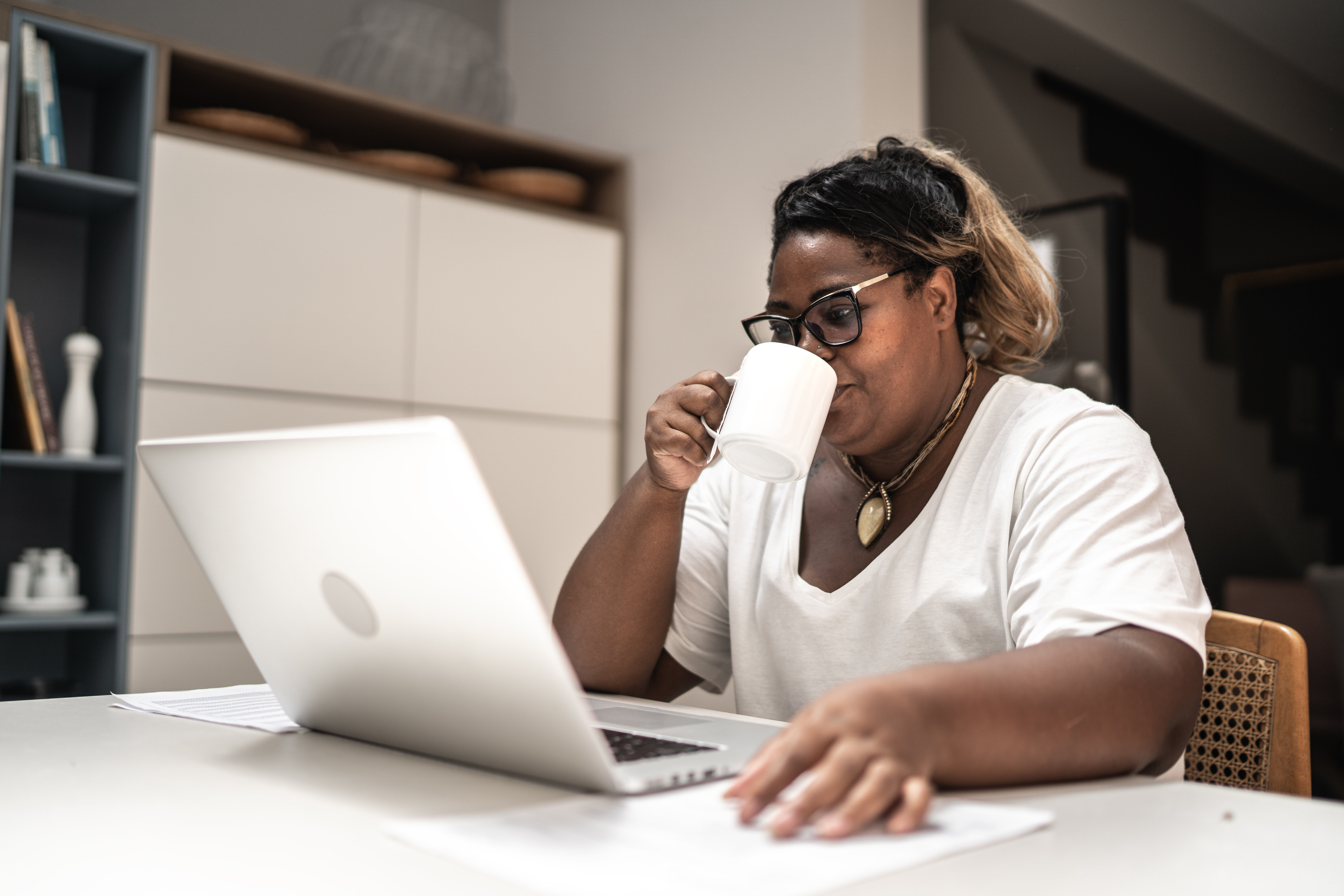
It might seem obvious, but yes: Coffee helps. This is because caffeine blocks adenosine, a chemical in our body that increases the need for sleep. As a result, caffeine makes us feel less sleepy and improves learning and decision-making if you’re sleep-deprived, according to Dr. Andrey Zinchuk, a sleep medicine doctor with Yale Medicine.
But while it may be tempting to keep refilling your mug, it’s important to be mindful of how much caffeine you consume.
Advertisement
“I don’t have too much caffeine, as I want to avoid the crash that occurs when its alerting effects eventually subside,” Barwick said.
Dr. Wissam Chatila, a pulmonologist at Temple Lung Center and professor of thoracic medicine and surgery at the Lewis Katz School of Medicine at Temple University, advises against having that late-afternoon cup of coffee.
“If taken at the wrong time — e.g. late in evening — then they will interfere with sleep later on,” he said.
FG Trade via Getty Images
A little caffeine can go a long way after a night of poor sleep.
Take a catnap
If you’re able to squeeze in a 30- to 60-minute catnap, go for it. A short nap can improve alertness, sleepiness, memory and exercise capacity.
Advertisement
On the flip side, a lengthier midday snooze can actually impair cognitive function, Chatila said, and potentially make it even harder to complete tasks. Make sure to set an alarm so you don’t overdo it.
“I keep the nap relatively short so that I don’t use up too much sleep drive, as I want to save most of it for the coming night,” Barwick said.
If you’re not a napper, even getting some deep rest can be beneficial, Barwick said. Ten to 30 minutes of yoga nidra, a meditative yoga practice that involves deep relaxation, can help you feel refreshed and more attentive.
Go for a walk
When Barwick can’t nap, she tries to go for a walk outside. Even a 10-minute walk can significantly reduce stress, boost your mood and increase alertness, research shows.
Plus, it can build up your sleep drive, which should help you doze off at night.
“That helps to further ensure I will get better sleep the coming night,” Barwick said.
Know that your body is resilient
Lastly, don’t beat yourself up. Our bodies are incredibly resilient, which is why we’re still able to function even when we’re sleep-deprived. (Think about all you’ve been able to accomplish on those days when you didn’t get enough sleep.)
Advertisement
Don’t assume the day will be a wash just because you didn’t get the sleep you needed, Barwick said. Go easy on yourself, and listen to your body.
“I don’t cut back on what I planned to do, but I also don’t beat myself up if I get less done than I wanted,” she said.
You’re reading First Thing, the HuffPost UK series helping to make your mornings happier and healthier.
If only there existed a wayback machine that could put you in bed at 10 pm last night, getting all the beauty rest you need. Instead, here you are the next morning, checking out a mirror that might as well be lit with a neon sign reading, “Look who’s tired.”
Advertisement
But all hope isn’t lost, especially if you follow these “fake it til you make it” tips from makeup experts who have been there, done that and still managed to look their best.
If you think your face can’t be fixed with mere cosmetics, experts say there’s hope for even the most tired face.
“Looking dull is a result of lack of sleep, lack of hydration or just life in general,” says Jamie Greenberg, makeup artist and founder of Jamie Makeup. “The right makeup, applied correctly, can help push your face toward what it looks like at its healthiest.”
Makeup artist Marco Campos agrees. “If used properly, makeup can really make you look like you’ve had a full week of the best sleep. With the right concealer, you basically can erase the tiredness around the eyes. A little brush up of the brows, a curl on the lash, and a hint of mascara will open and lift your eye right up.”
Advertisement
A full-face plan for looking well-rested
Remember that even though all you want to do is go lie down in the dark, brightness is your mantra for the day.
“The key is to accentuate features without looking heavy, keeping a fresh feeling to the skin and makeup,” says makeup artist Fiona Stiles. “Products with a soft sheen impart light to the face without it looking sparkly and too highlight-y, so the glow feels as though it’s emanating from you.”
Take a look at your palette and act accordingly.
“I stay away from using dark eyeliners and shadows on my eyes, and I lean into fresh colours and extra radiance to compensate for dull skin and puffy eyes,” Stiles says.
“Warmer colours like peaches and golds give the illusion of health,” says makeup artist Gregory Arlt. He also suggested thinking “upwards” with everything you do: “Applying mascara to just the upper lashes will bring a lift to the eyes, making them look more perky. Next, apply blush to the apples of the cheeks or just above. Adding it lower can drag down the face.”
If you’re running short on time, here’s a quick rundown of the most important areas:
Undereye: Makeup artist Jaleesa Jaikaran suggests starting with a peach-to-orange colour corrector to neutralise darkness.
Advertisement
“A little goes a long way, so use a little at a time, gently tapping the skin with a fluffy brush or fingertips,” Jaikaran says. “Let the colour corrector sit for a second and then go in with a full-coverage concealer to lift and brighten.”
“Don’t over-apply concealer,” says makeup artist Marco Campos. “Apply a small amount on the inner and outer corner of the eye and blend. Add a little more if needed, then gently set with a fine setting powder.”
Makeup artist Jamie Dorman remembered using eye makeup to look more awake in school.
“I used white liner on the inner rim of my eye and concealer that was lighter than my skin all around my eye, so I’d look more attentive,” Dorman says.
Lashes: “I always curl my lashes, because it’s the number one way to make you look more alert and peppy,” says makeup artist Sandy Ganzer. “It opens the eye, giving an instant refresh to your face.”
Colour matters here, too. “A dark mascara like Diorshow Black Out immediately makes dark circles less apparent and helps you look refreshed,” says makeup artist Melissa Murdick.
Advertisement
Cheeks:“Never underestimate the power of blush in the right colour,” Dorman saus. “It can seriously brighten a face and bring out your eyes.”
Lipstick: “Put a drop of bright lipstick on the bridge of the nose to give the face a brighter, more healthy look,” Arlt suggests.
DIY hacks
Even if you don’t have tons of fancy cosmetics, there are ways to energise your look on the cheap.
Ice, baby: “If you don’t have a cool jade roller or face mask to take down puffiness, just rub an ice cube under your eyes with clean hands,” Greenburg says.
Curl with cutlery: “In a pinch, you can heat the curve of a spoon with a blow dryer and very carefully press it gently to your lashes to get a curl,” Ganzer says.
Spoon me: “If you don’t have access to your favourite products, put metal spoons in the freezer for five to 10 minutes, then use them under your eyes to smooth out puffiness,” Jaikaran says.
Advertisement
Coffee (inside and out): “A DIY help for dark circles is to add a touch of water to crushed coffee beans, apply it as a paste, let it sit for seven minutes and then wash it off with cold water,” Jaikaran says.
Take it easy
Finally, remember that as tired as you are, less might be more when it comes to camouflaging fatigue. “The techniques don’t have to be drastic,” Campos says. “Small tweaks can really make you look more alert and ready to take on the day.”
And keep these words from Murdick in mind: “If you look tired, it’s OK. Don’t pick yourself apart or give it too much of your focus. We all have good days and off days, but you’re still beautiful, I promise.”
Below are some of the experts’ favourite makeup picks for your most tired days.
First Thing is a HuffPost UK Life series giving you tips and advice on how to enjoy your mornings. Whether you’re an early bird or night owl, starting your day off right will make for a happier and healthier day. We’ll be sharing exercise advice, nutrition guidance, as well as ideas on forming new habits. (And no, the answer to a productive morning isn’t just setting an alarm for 5am!)
Sleep, O sweet sleep, where art thou? Some nights it’s impossible to doze off, all the world’s thoughts heavy on your eyelids.
So whenever I see a trick or vital TikTok that promises a hack to make you fall asleep instantly, I’m hooked.
Advertisement
This week, I came across a content creator who goes by @YoungerYouDoc, teaching people “how to become the youngest version of themselves”.
In one video, he demonstrates how rubbing your wrists for two to three minutes can help you nod off. This is because a spot on your wrist provides one of several pressure points for sleep, according to reflexologists.
“There are four acupressure points starting at the pinky side of the wrist crease and moving up the inner forearm,” Dr Shari Auth, chief healing officer and co-founder of WTHN, told Bustle.
“They are good for insomnia and are excellent to rub at bedtime. These points are commonly used by acupuncturists to treat sleep, palpitations, and mental health issues such as depression and anxiety.”
Advertisement
So, for the last two nights I’ve tried the trick to see how it affects me. And unfortunately, it didn’t help at all.
Perhaps I had the wrong point (I watched a video about pressure points and it seems I did rub the suggested area). But what stopped me from falling into a slumber was being conscious that I was rubbing my wrist.
Before I fall asleep I like to be as still as possible, so I think for me it felt unnatural to keep rubbing for a few minutes.
I also switched hands in case one wrist was more effective than the other. But after doing it for a while, my wrist started getting warm and I decided to give up.
Advertisement
I also didn’t sleep very well and it took me longer to fall asleep than it would usually (though that might be unrelated).
In another viral video, he explained how his two-minute method was adopted by military personnel who often sleep in rough conditions.
It consists of incrementally relaxing your body, then imagining a warm light travelling through your body, while focussing on your breathing. Then you clear your mind of all stresses.
To do this, Agustin advises imagining one of two scenarios; the first is lying in a canoe in a calm clear lake, with a blue sky above you. The other is lying in a velvet black hammock under a pitch black sky.
Any time your thoughts try to distract you, repeat the words ‘don’t think’ 10 times.
Sounds simple enough, right? Well, Agustin explains, you’d need to do this every day for six weeks to see it work effectively enough to fall asleep within two minutes.
It might sound tedious, but it might be worth it in the long run.
How much sleep are you getting? Judging by how you’re feeling, you’d probably say ‘not enough’.
Many of us dealing with the drudgery of the day often don’t feel very well rested and are likely to wish for more snoozing time. But actually, we might be sleeping too much already, depending on our age.
Advertisement
The ideal amount isn’t actually eight hours for those over 38 years old, according to scientists who conducted a major new study.
The University of Cambridge and Shanghai’s Fudan University examined the sleeping habits of nearly 500,000 adults aged between 38 and 73 and found that the ideal amount of sleep may be seven hours.
Advertisement
Participants were tested on their cognitive abilities and asked about their sleeping patterns, wellbeing, and mental health.
Researchers also sourced brain-imaging and genetic data for up to 40,000 participants in the study to get a better insight into their wellbeing.
Advertisement
Interestingly, they found that getting too much sleep and not enough has the same consequences. While traditionally, we’re told to get eight hours, scientists found that this amount, or any more (or less than seven) have a negative effect on our bodies as we age.
They found that too much sleep and not enough both had a detrimental effect, causing mental health issues and ‘worse cognitive performance’.
The study also showed that being consistent is key, so getting six hours one day and then nine the next can still leave you feeling groggy and tired.
So, why exactly do we feel a brain fog when we wake up some mornings?
Advertisement
Researchers say that it could be due to slow-wave deep sleep being disrupted during shorter bouts of slumber. This means the brain doesn’t have enough time to clear out the toxins.
Not only is getting the right amount of sleep better for your overall wellbeing, it’s good for our memories. That’s because scientists found that the hippocampus – the memory centre – is also affected by a lack of or excess of sleep.
So the older you get, the more you might want to get into the routine of achieving seven hours a day. This also has the added benefit of decreasing the likelihood of illness.
Prof Barbara Sahakian from the University of Cambridge, one of the study’s authors, said: “Getting a good night’s sleep is important at all stages of life, but particularly as we age. Finding ways to sleep for older people could be crucial to helping them maintain good mental health and wellbeing and avoiding cognitive decline, particularly for patients with psychiatric disorders and dementia.”
The Sleep Foundation also has similar advice for the ideal slumber time, based on age group.
It suggests that older adults should aim for seven-eight. While the Cambridge study says to go for the lower number in that range, as long as you feel well-rested with the amount you currently get, then it’s all good.
You’re reading First Thing, the HuffPost UK series helping to make your mornings happier and healthier.
Getting enough sleep is critical for physical and emotional well-being, but so many people fall short. The US Centers for Disease Control and Prevention estimates that a whopping one in three Americans don’t get enough sleep on a regular basis. (For reference: adults should be aiming for at least seven hours.)
Advertisement
Of course, many factors go into a person’s ability to get sufficient rest, from work and family schedules to sleep hygiene.
With that in mind, here are five common mistakes a lot of people make in the morning that affect their ability to fall asleep – and stay asleep – later on:
Advertisement
1. You’re drinking too much caffeine
Obvious? Sure. But drinking too much caffeine in the morning can throw your entire sleep routine off track.
Advertisement
In general, most healthy adults can safely have up to 400mg of caffeine a day. That’s the equivalent of roughly four cups of brewed coffee or two energy drinks, if that’s your thing. Remember, though: caffeine levels in energy drinks can vary widely, and there are serious concerns about their potential impact on the body.
The effects from caffeine generally kick in within 15 minutes and peak about an hour later.
“Six hours after caffeine is consumed, half of it is still in your body,” according to the Cleveland Clinic. “It can take up to 10 hours to completely clear caffeine from your bloodstream.”
That means you can absolutely have a few cups of coffee in the morning and still be feeling them by dinnertime.
Advertisement
Also, keep in mind that some people are particularly sensitive to caffeine. So try cutting back for a bit to see how that affects your ability to get sufficient ZZZs.
2. You’re waking up at totally different times every day
Sleeping in when you can is glorious, yes. But it can also take a toll on your broader sleep patterns. Many sleep experts suggest that people set a standard wake time and stick with it to the best of their ability, even on the weekends.
Why? If you sleep for a few extra hours on a Sunday, for example, you might not be tired again until much later than usual – which means your bedtime is thrown off and you’re likely to be pretty darn tired when you wake up early for work on Monday.
An irregular sleep schedule can also increase your risk of what experts call “social jet lag” – basically, the discrepancy between your body’s natural sleep schedule (i.e., circadian rhythm) and your social schedule, which throws off the midpoint of your sleep and has been linked to health issues such as increased inflammation and higher risk of depression.
Sleep is governed by our circadian rhythms (which also influence everything from hormone regulation to body temperature). And the sun’s cycle has a huge impact on those rhythms day to day.
Your body’s circadian clock is most sensitive to light starting about two hours before your usual bedtime and lasting throughout the night up until about one hour before your usual wake time, per the CDC.
“Exposure to light during these times will affect when your body naturally gets sleepy and is ready to fall asleep,” the CDC says.
Advertisement
What all of this means is that exposing yourself to plenty of bright light in the morning can help shift your bedtime earlier; by the evening, you’re more likely to be sleepy and primed for rest.
blackCAT via Getty Images
If you’re waking up on the wrong side of the bed, your morning routine might be to blame.
4. You’re not making a to-do list
Creating a to-do list is one of the most powerful things you can do to stay on track throughout the day. It can also be an effective way to combat anxiety that often creeps up at bedtime and makes it hard to fall asleep.
Not all to-do lists are created equal, though. First and foremost, it’s a good idea to write it down.
“When you try to manage your to-do list in your head, you’re likely to forget items,” HuffPost senior reporter Kelsey Borresen previously wrote. “Jotting it down on paper (or digitally in your Notes or other mobile app, if you prefer) gives you something concrete to refer to when your brain feels like mush.”
Also, make sure it’s realistic. Try to focus on three to five things you can actually accomplish, experts say. It’s a plan, not a wish list.
5. You’re glued to your phone
Checking your phone immediately after waking means you’re letting someone else dictate what’s on your mind first thing. And that can set the tone for the rest of the day – right up until your bedtime.
“If we wake up and we check our phone and there’s an email from our boss that says, ‘we need to talk,’ or there’s an email from a client who’s like, ‘Hey, can I call you later?’ we can go straight from our slumber into panic mode, where your heart is racing,” Susie Moore, a life coach and author of “Let It Be Easy: Simple Ways To Stop Stressing And Start Living,” previously told HuffPost.
At that point, it can be a lot more difficult to return to a calm “intentional” state, Moore said, which can have ripple effects. So do yourself a favor and set the tone for the day by using an alarm clock rather than relying on your phone to wake you up. And try your best to make sure the time when you wake up and before you go to bed is phone-free.
Advertisement
First Thing is a series on HuffPost UK Life giving you tips and advice on how to enjoy your mornings. Whether you’re an early bird or night owl, starting your day off right will make for a happier and healthier day. We’ll be sharing exercise advice, nutrition guidance, as well as ideas on forming new habits. (And no, the answer to a productive morning isn’t just setting an alarm for 5am!)
Ordering beer, wine or a cocktail while flying is a common move. For some, having an alcoholic beverage on the plane is a travel day essential to relax, take the edge off, celebrate a vacation or even to fall asleep on a long flight.
We reached out to some experts in medicine and nutrition, and asked if alcoholic beverages were a good idea while flying. Here’s what we found out about how alcohol affects your body while you’re up in the air.
Is it a bad idea to order alcohol on a flight?
There’s no easy answer to this question, experts say. Ordering a beer or wine while flying is a personal decision that might work for one person and not for the person sitting next to them. “If a person is on edge due to flying in general — and doesn’t become more so with alcohol — sometimes having a beverage might relax them or make the process feel a little bit more pleasant or more ordinary,” said Wendy Bazilian, a registered dietitian nutritionist.
But while some may grab a drink as a celebratory kickoff for a long-awaited trip, others may experience side effects while drinking on a plane.
Advertisement
You may not sleep well.
It’s tempting to order a drink in hopes that it will help you fall asleep and get some much-needed rest on an overnight flight. But this isn’t necessarily the greatest idea, according to the experts we spoke to. “Even though you think it relaxes you, your sleep will be disrupted and you likely will not get into REM sleep, the type of sleep that is restorative,” said Amy Shapiro, a registered dietitian at Real Nutrition.
Jaromir Chalabala/EyeEm via Getty Images
You may doze off after a glass of wine, but your sleep won’t be as restful.
Drinking on a flight doesn’t promote restorative sleep but can help some people fall asleep, Bazilian points out. “If in moderation … if she or he believes it helps a little to ease into sleep, then that can be fine.”
You may become dehydrated.
Advertisement
Alcohol is a diuretic, which means your body will increase its output of urine. If you don’t drink additional water to make up for this fluid loss, you may quickly become dehydrated, Shapiro said.
You may become intoxicated without even realizing.
“There is usually very little food available on most flights — or it is not particularly appetizing — and it would be easy to drink too much on a relatively empty stomach,” said Dr. Karen Jubanyik, an associate professor of emergency medicine at Yale University School of Medicine. It would be very easy to drink the same amount you drink at home, but without adequate food intake, this amount might be too much, she said.
There’s also the fact that most people are pretty sedentary on a flight, rarely leaving their seat. When you do get up, you may find you’re feeling the effects of alcohol more than expected.
You could become disruptive.
We all know that drinking alcohol can lower inhibitions. This could cause an individual to become loud and disrespectful to the flight crew and fellow passengers. People with lowered inhibitions may have a harder time staying calm when annoyed by small inconveniences and actions of people nearby, like a fully reclined seat back. “If someone has lowered inhibitions, they may speak their mind or start a confrontation with another passenger over relatively small things, which can also land them in trouble,” Jubanyik said.
You may have trouble moving around the plane.
“Progressive intoxication can lead to slurred speech, trouble with coordination and trouble walking,” Jubanyik said. “Just walking to and using the bathroom or exiting the plane could be difficult.”
The good news? You can drink on a flight if you keep some recommendations in mind.
Sipping a cocktail while commuting home from a work trip or while en route to a vacation doesn’t carry a ton of benefits, but you can still enjoy a drink while flying if it’s a behavior that works for you.
Advertisement
“It can be helpful in relaxing you or easing anxiety in the beginning, and since many people are anxious flyers, this can help,” Shapiro said, while also pointing out that drinking too much can lead to increased anxiety and have a boomerang effect, so it is important to know your limit.
Sometimes you may just want to order a drink simply because you feel like having one (many of us regularly do so after work or on the weekends), and this is fine when done in moderation and with a few tips in mind.
Don’t drink on an empty stomach.
If you plan to drink alcohol on a flight, pack some snacks and make sure to eat a meal before boarding if you know there won’t be any in-flight food service.
“Eating food alongside alcohol can help maintain energy and steady blood sugar while your body processes the alcohol,” Bazilian said.
Stay hydrated.
The experts we spoke to recommend alternating each alcoholic drink with at least one or two glasses of water. “This will help you to remain hydrated and to feel the negative effects less,” Shapiro said. Electrolyte drinks can also help, and if you have the chance, fill up your water bottle in the airport before takeoff. Water and other nonalcoholic drinks aren’t always readily available throughout the flight, so sometimes it’s just easier to carry your own.
Don’t drink if you’re going to be renting a car upon arrival.
“It is particularly a bad idea to drink alcohol if you will be renting a car and will need to drive upon arriving at your destination,” Jubanyik said. “Even if not technically drunk, driving in an unfamiliar location will likely require additional attention and reaction time than one needs in their local environment.”
Pace yourself.
Advertisement
It’s easy to drink quickly on a flight or to grab another drink simply as a way to pass time. Along with staying hydrated and taking a breather between drinks, Bazilian recommends paying close attention to how much alcohol you’re consuming. “One of those little alcohol bottles on a plane is typically 1.5 or 1.7 ounces, not a 1-ounce pour, and the mini-bottles of wine may be more than a 3-ounce pour. Just be aware that one drink [on a flight] may be more than you count as one when you’re on the ground.”