The Reason(s) You Always Fall Asleep When You’re Watching TV Or A Movie

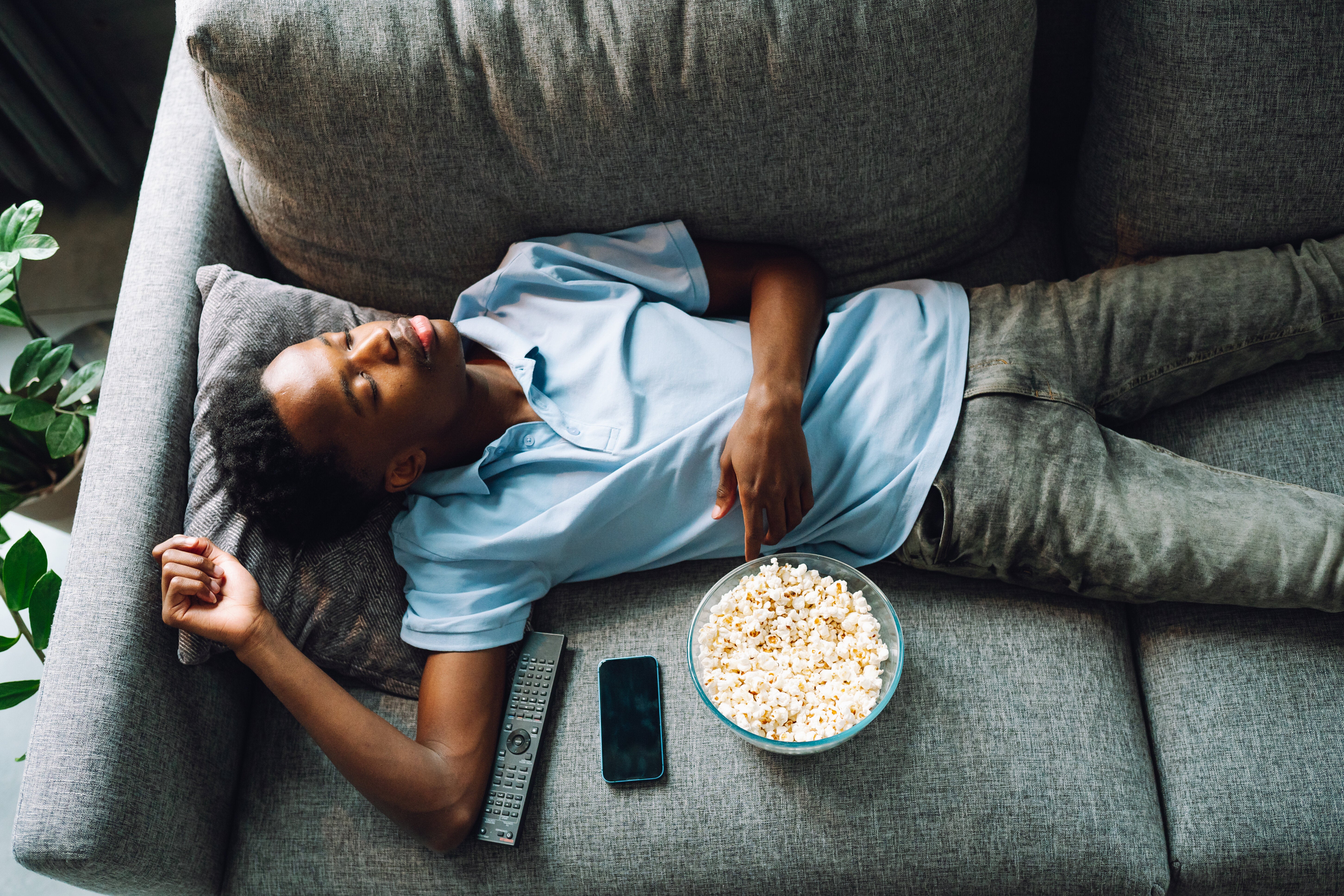
If you’re like most people, you’ve probably drifted off to sleep as soon as you put on a movie or show at night.

It’s a common occurrence – you sit down with your partner to finally watch the season finale of the show everyone is talking about, only to fall asleep, jolt awake, pretend you didn’t fall asleep and keep on watching until you fall asleep again.

Sleep experts told HuffPost there are many reasons this happens, and some are more concerning than others. Here’s what to know:

When you’re watching TV or movies at night, you’re often in a good sleep environment.

“There’s a couple of environmental factors to the fact of watching TV, watching a movie that promotes sleepiness,” said Dr. Neal Walia, a sleep specialist at UCLA Health in California. “When you wake up in the morning, you develop something called a sleep drive, which is how much your body wants to sleep.”

As you go about your day, your sleep drive goes up before peaking at bedtime, he explained. “And that drive is what gets you into sleep and carries you to sleep,” Walia noted.

“Usually, people are watching movies and TV in the evening after a long workday. This is when their sleep drive is at the highest,” he said. So your body naturally wants to sleep at this time.

“And then sometimes it’s just a lack of stimulation,” said Dr. Molly Atwood, the director of clinical training in the behavioural sleep medicine program at Johns Hopkins Medicine in Baltimore.

If you find yourself feeling tired throughout the day, you may notice that your fatigue disappears when you interact with something, whether that’s scrolling on your phone or getting up to make dinner.

Why? “Your body has a system of overcoming whatever sleepiness you have with stimuli,” according to Walia. And watching TV and or a movie is, generally, a low-stimuli activity, he noted. TikTok or even a task like folding laundry are more high-stimuli.

“If you’re lying down, it is dark – so your body’s kind of getting that signal that it’s nighttime and if the movie is not very stimulating or boring, it might be a lot easier, too, for any sleepiness that is there to take over,” Atwood added.

“Another big thing is that, especially patients with insomnia, a lot of times what they’ll say to me is ‘I just can’t turn my brain off.’ And most of our day, our attention is preoccupied by something – probably a screen, most likely – but something is taking our attention away,” Walia said.

We don’t often just sit with our thoughts. That is, until we drift off to sleep at the end of the day. And if you’re stressed about work or anxious about money, sitting with your thoughts can make it difficult to fall asleep.

“But if you’re watching something like a show, you’re not really in your own head for the most part,” Walia said. Your attention is drawn to the show or movie you’re watching, not the taxes you still need to do. This encourages your body to drift off to sleep.

Morning people are more likely to fall asleep while watching TV at night.

Your body’s natural circadian rhythm can play a role in whether you’re prone to falling asleep on the couch or not.

“In some circumstances, if you’re more of a morning person, your body naturally makes you alert early in the morning and it shuts down alertness early at night,” Atwood said.

Folks in this group are just naturally more tired at night. For morning people, their body is giving them signals that it’s time for bed, which makes it more likely that they’ll drift off while watching TV.

It’s also more common if you re-watch shows.

Many people turn on their comfort shows after a long day. And according to Atwood, it’s more likely that you’ll fall asleep during a show you’ve seen several times.

“Our nervous systems are super calm and comforted, versus like an action movie or a horror movie,” Atwood said.

You also don’t have to pay much attention to the show to know what’s going on, which allows your body to drift off easily, too.
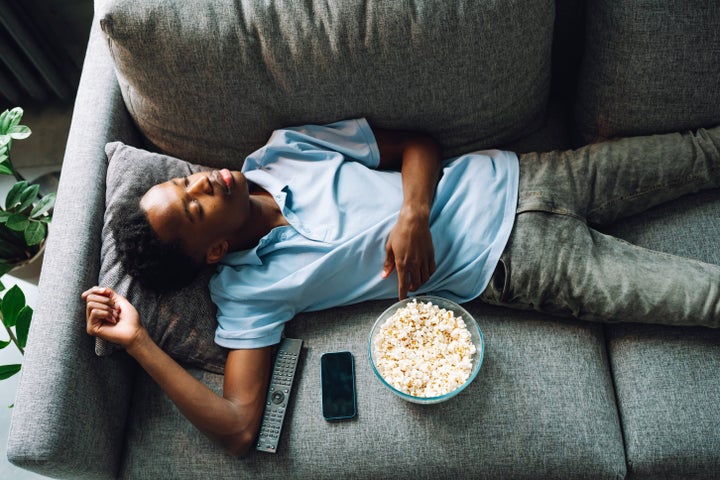
If you regularly fall asleep during a movie or TV show and are getting enough sleep at night, it's worth talking to a doctor.

Olga Rolenko via Getty Images

If you regularly fall asleep during a movie or TV show and are getting enough sleep at night, it’s worth talking to a doctor.

Most people are also sleep-deprived, which makes it easy to fall asleep while watching TV.

“A lot of our population is sleep deprived,” said Walia, who explained that most people aren’t getting the seven to nine hours of sleep they need each night.

Everyone has different individual sleep needs. But no matter how much sleep your body requires, most folks aren’t getting it.

Because of busy days, family demands and high-stress jobs, you may not even notice you’re sleepy until you’re interacting with something that’s low-stimuli, like a movie. This is when your sleep deprivation can catch up with you and cause you to fall asleep.

Even people who sleep the recommended seven to nine hours a night may not be getting good quality sleep, which can also result in sleepiness on the couch.

“There’s many people out there with untreated or under-treated sleep disorders that disrupt the quality of sleep,” Walia said, adding that sleep apnea is one example of this.

If you fall asleep during a movie once in a while, there isn’t much cause for concern ― but if this is a regular habit, it’s worth evaluating your sleep.

It’s understandable if you fall asleep on the couch after a busy day of travel or after a late night out, but if you’re falling asleep in front of the TV frequently, you should take notice.

“If you’re sitting upright, the lights are on, it’s an engaging movie … and you still can’t keep yourself awake, that might be more of like, ‘OK, I should reevaluate how much sleep I’m getting overall,’” Atwood said.

If you think you’re getting enough sleep but still falling asleep during engaging shows and movies, it’s worth talking to a sleep specialist, she added. A professional can help test you for underlying conditions that could disrupt your sleep.

Being able to stay awake during movies and TV shows at night could be a sign of good sleep health.

If you can usually stay awake while watching TV or movies at night, it’s “probably a good indication that [you’re] not sleep deprived or they’re not having disruptions in their sleep,” Walia said.

This nighttime energy reflects relatively good sleep health, he added.

Some sleep disorders can keep people from napping or falling asleep during shows and movies, but, overall, if you are getting enough high-quality sleep, you likely have good sleep health, he said.
Share Button

I Wrote About My Choice To Be Child-Free. I Expected Some Strong Reactions – But Not This

The morning it went live, my alarm jolted me from sleep well before sunlight filled the sky. I grabbed my phone, swiped it open to see the headlines, and there, smack dab in the middle of my news feed, I saw my name. The day had hardly begun… and I was already trending.

I had revealed my most private feelings about my reproductive life and detailed how my choice not to have children was repeatedly called out in professional settings. I was confident that whether I had kids or not did not determine my worth as a person. In the 21st century, it should not be controversial to say that some women choose other paths. And, still, that morning, I was nervous about sharing all this in such a public way.

Those nerves only proved my social conditioning. Women without kids are still viewed within the context of rigid stereotypes. I was anxious about how my essay – and I – would be perceived, and I worried it wouldn’t be good.

Then something unexpected happened. I was inundated with messages. Over the next week, my Instagram, the essay’s comment section, and even my work email were flooded with a huge outpouring of gratitude and positivity. Women wrote to thank me for sharing what they felt but couldn’t vocalise, for helping dispel the myth that women without kids are selfish and cold, and for making it clear that women don’t need to apologise for choosing not to have children. More people felt like me than I ever would have guessed.

Most of these messages were from women who, like me, did not want to be mothers. Women who knew that their reproductive freedom was hard fought and well deserved, but still wrestled with strong societal expectations. Some of the messages I received, however, were from women with kids who wished they had been told at some point in their lives that they had other options. I even received notes from men who had witnessed their partners’ or wives’ value reduced to whether or not they were a mother. What united all of these people was a simple wish: for women to be valued beyond their reproductive choices.

I would be lying, though, if I said all the responses I received were positive. A proportion of these notes were filled with anger and resentment. A few of them even veered into harassment. Like the positive messages, these all had a unifying theme.

“You stupid idiot,” wrote one person, “will feminism take care of you when you’re old and dying?” Feminism, responses like these implied, was to blame for my decision to pursue a life as a successful surgeon, to follow the instincts that told me I did not want children of my own and that my life could be complete without motherhood.

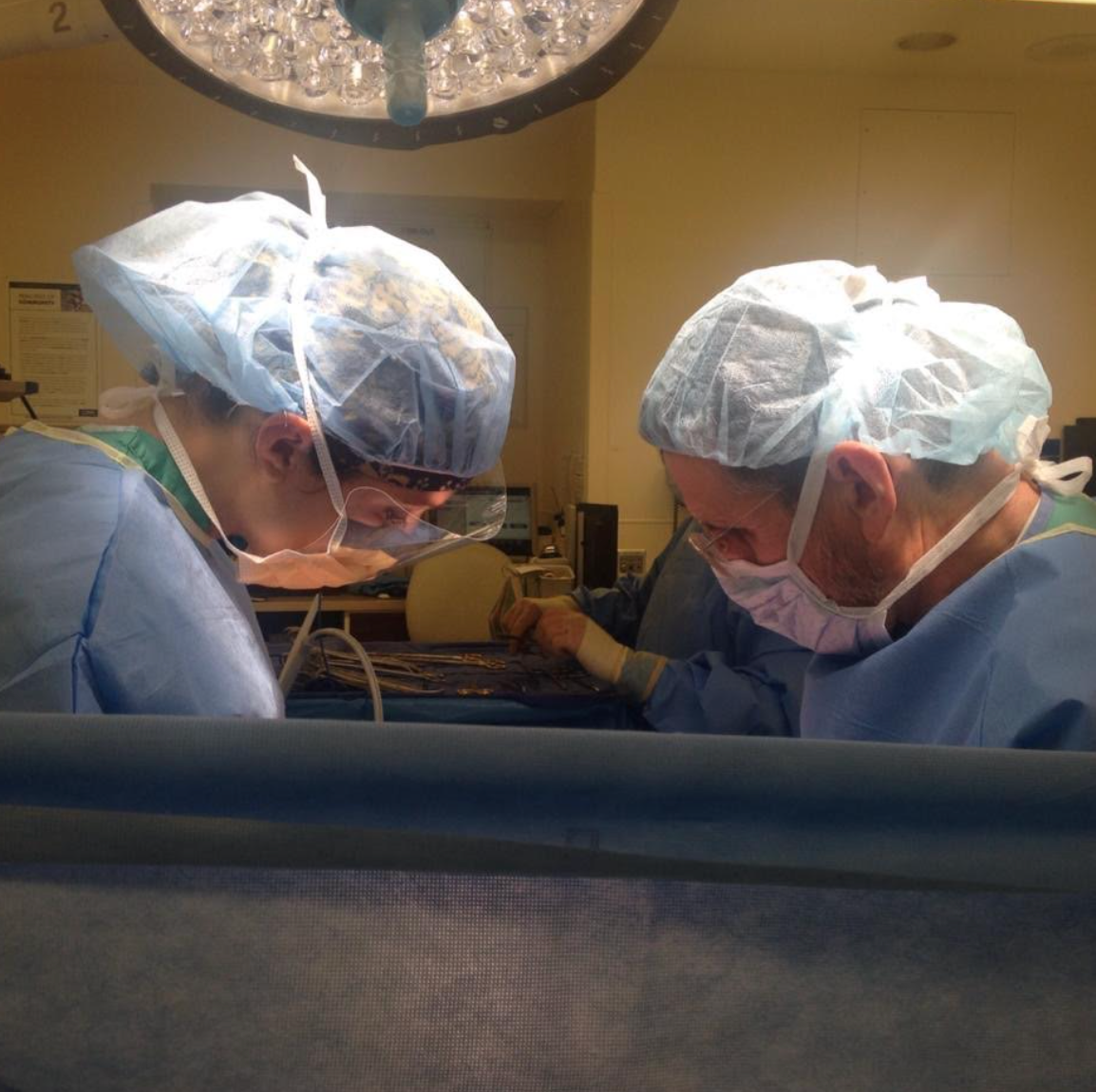
The author, left, in the operating room.

Courtesy of Caitlin A. Smith

The author, left, in the operating room.

To some degree, I expected to receive messages like these from men, but I was surprised to find that many of the negative replies were, in fact, authored by women. They insisted my own take on my own life could not be trusted and that I was lying about feeling fulfilled. I would never be happy, they insisted, and never know true love or joy. My life would always be incomplete, they said, since I had been misled by a wolf in sheep’s clothing into a life without meaning. That wolf was, apparently, feminism.

These sentiments are not new, even if they have been emboldened by the current presidential administration. Feminism has long been a societal scapegoat. The wave of feminism championed by figures like Gloria Steinem encouraged women to free themselves of society’s expectation that all women must have children and stay in the kitchen. However, in recent years, this narrow definition has been heavily critiqued for the way it may appear to overlook and undervalue the labour involved in motherhood. This version of feminism has also estranged women from different backgrounds by centring the experiences and priorities of only white middle class women.

Women who find deep meaning in child rearing and significance in their work at home have felt alienated by mainstream versions of the movement. Some have even fled progressive politics because they found more alignment in conservative platforms, which often embrace domestic life and labour as a woman’s truest calling. There are even those who have argued that feminism has “ruined” motherhood by allowing women to pursue alternative paths in life and by encouraging the declining birth rate. Furthermore, the experiences, voices, and struggles of marginalised, non-white, and queer women have not always been included in the mission of some approaches to / forms of feminism, leaving many searching for alternative frameworks to fight for all women’s rights.

As the derogatory messages I received in my inbox show, the societal skepticism of women without children is not going anywhere, especially now that we have high-powered conservative think tanks pushing regressive gender roles and opposition to feminist movements. They, too, take the stance that feminism has damaged the traditional family structure by allowing women to believe their lives can be fulfilled without motherhood and marriage.

At the same time, conservatives like JD Vance, who is well known for his animosity towards single women without children, are using their large platforms to claim that women who pursue professional careers are causing social unrest.

Instead of addressing the real lack of support mothers face in this country, Trump is also making an explicit play to push motherhood on American women. Since my essay was published, we have seen proposals for a baby-bonus cash payout for new mothers, childbirth medals, and a federally funded tax-advantaged savings account seeded with $1,000 for any child born between 2025 and 2029, all aimed at selling women on partaking in a traditional nuclear-family lifestyle.

As a paediatric surgeon who helps children every day, I do not understand how I could be viewed as an enemy of the state. Unfortunately, I still see this belief play out – even at work.

In fact, a mother recently asked me a series of personal questions to suss out whether I was capable of performing her child’s routine surgery. After inquiring about my qualifications, she asked me directly whether I was a mother. “No,” I told her, and I asked her why she wanted to know. After a bit of rambling, she concluded with an unconvincing apology, noting, “But I think women should be able to do all kinds of jobs… or whatever.”

I don’t mind questions, and I understand parents put a huge amount of trust in their children’s doctors, especially when it comes to surgery. However, this specific encounter was yet another reminder that even a woman’s value in professional settings can be tied back to their reproductive choices.

I knew a question like this didn’t belong in that hospital exam room and had nothing to do with my skill as a surgeon, but it’s no surprise women feel this way. After all, we are all taught to view women without children as less capable and less committed to the care of others.

At the time I wrote my original essay, I had hoped such sentiments about women without children were declining. But in the weeks after it was released, I watched Kamala Harris’ choice to not have children of her own get repeatedly dragged through the mud. The derogatory rhetoric about women without children has, sadly, only accelerated since I awoke to find myself trending on my phone screen.

I, however, have never wavered in my belief in my value as a childfree woman. Because of the women who have come before me, I have been able to live a life full of joy, meaning, and fulfilment – on my own terms. I will continue to use my voice to ensure others can do the same.

Caitlin A. Smith is a surgeon and writer in the Pacific Northwest. Her personal essays on surgical training and experiences have appeared on Doximity. She is currently writing her first book, a firsthand account about the life and experiences of women in medicine. Find her at @miseducationofaknife on Instagram and Substack.

Do you have a compelling personal story you’d like to see published on HuffPost? Find out what we’re looking for here and send us a pitch at pitch@huffpost.com.

Share Button

Putin Is Losing The Ukraine War – But Thanks To Trump, Not As Fast As He Was

Vladimir Putin broke his own record this week by launching his most aggressive strikes against Ukraine yet.

An astonishing 948 drones attacked Ukraine in a 24-hour period, killing at least six people across the country.

The barbaric attacks even reached the western city of Lviv, often viewed as one of the safest places in the beleaguered nation.

Moscow is evidently keen to remind Kyiv that, even four years after the invasion, nowhere is off limits.

But focusing solely on Russia’s spring offensive misses the bigger picture.

Despite baseless claims from Donald Trump about Ukraine’s decline, those close to the war believe Russia is actually losing.

Putin has not been able to keep up with his war of attrition, according to his rival Volodymyr Zelenskyy.

The Ukrainian president wrote on X on Thursday: “In historical terms, the Russians are losing, one hundred percent.

“Right now, they are suffering a terrifying number of casualties – 30,000 to 35,000 people a month.

“Russia cannot keep up with mobilisation, contract recruitment, and certainly cannot keep up with training its troops.”

Dossier Center, a non-profit founded by the Russian opposition leader Mikhail Khodorkovsky, reported this week that the odds of surviving the war as a Russian soldier on the frontline in Ukraine are close to zero.

Dr Simon Bennett, the director of the civil safety and security unit at University of Leicester, told HuffPost UK that eastern Ukraine’s Donbas region had become “a meat grinder for both sides” – but especially for Russia.

Putin’s military exceeded one million casualties last June, with Ukraine’s general staff now predicting Russia has lost 1,280,960 troops throughout the war.

However, Bennett noted that Russian casualties will not affect the ranks as much as Ukrainian losses.

He said: “The Ukrainians have fewer troops than the Russians and there is a strong incentive to carefully husband available resources.

“So, the Russians will always lose more troops than the Ukrainians.”

Keir Giles – associate fellow of Chatham House’s Russia and Eurasia Programme – also said the poor performance on the frontline was not why Putin was losing.

“The frontline is of no greater importance now than it has been at any point during this war,” he told HuffPost UK.

“It’s more about the politics, the geo-strategy, the economics – whether the US is willing to put sufficient pressure on Ukraine to surrender to Russia.”

Trump has been trying to force Ukraine to bend to Russia’s maximalist war goals and hand over more territory in the name of peace.

But territorial concessions and security guarantees have remained major sticking points.

Ukraine has so far resisted calls to give up more land, even though 2025 was the deadliest period for Ukrainian civilians since the initial months of the full-scale invasion.

According to some reports, Putin was thinking about finally compromising as his economy struggled to stay afloat while funding the war.

But last month’s Israel-US strikes on Iran ended up giving Russia a surprise boost.

When Tehran moved to block the Strait of Hormuz oil shipping lane, the US president decided to ease oil sanctions on Russia to help the global markets – meaning Moscow’s enthusiasm for negotiations waned.

Bennett told HuffPost UK that the money flooding into Russia as a result has allowed Putin “to turbocharge an already highly efficient war economy.”

The Economist’s defence editor Shashank Joshi pointed out this means Russians feel as though they have a “little bit of economic wind in their sails again”.

The Iran war means the US is re-routing munitions earmarked for Ukraine to the Middle East, too, reducing Kyiv’s ability to strike back.

Even so, this unexpected “lifeline” is not enough to push Russia to win the war.

As Giles noted, this boost only means Putin is not “losing as fast as he was before”.

In this image made from video provided by Russian Defense Ministry Press Service on Monday, March 23, 2026, a Russian Pion self-propelled 203 mm cannon fires towards a Ukrainian position.

Kyiv is also not completely oblivious to this change in Putin’s fortunes.

It continues to hold its own by targeting Russian oil refineries in the hope of putting a dent in Putin’s war machine.

Giles said: “I’m sure Ukraine is hoping that Trump does not notice this is happening or care because, if he does, he will certainly look for ways of limiting the damage to Russia.”

Even so, the impact of these attacks on Putin and the Kremlin will not be “immediate”, according to Giles.

He warned Ukraine needs to be a “much more comprehensive programme” to effectively cut off Russia’s income – meaning Putin will continue to line his pockets amid the chaos in the Middle East.

One senior Labour MP told HuffPost UK they privately suspected the conflict in Iran would last three months while the Ukraine war would rumble on for another three years.

But, according to some, optimism that Putin might realistically ever be able to give up may be misplaced.

As Zelenskyy told Reuters news agency, the “Russians have whipped up pro-war sentiment internally to such an extent that if we don’t stop Putin now, war will continue”.

He added: “He will pick some small country. He needs it.

“He’s boosted the war economy and radicalised the Russians.

“Today, 20–25% young people in Russia want to destroy Ukraine and Europe; they want to restore Soviet influence and revive the idea of destroying Nato. This will not just vanish.”

The Ukrainian president also theorised that Putin will have to either risk upset within Russian society, or he will “make a few steps into one of the Baltic states and set down his right or left foot there”.

Giles suggested Zelenskyy was bang on the money, telling HuffPost UK: “Russians have been told for more than a decade that the war is on.

“The assumption that many young Russians have grown up with is that they’re already in conflict.

“The entirety of the Russian economy has been turned into a war machine, and to turn it back would be massively disruptive.”

Asked to put a timeframe on when the war might end, Giles offered a rather bleak answer: “It will continue for as long as Russia exists.”

Share Button

I’m Officially Too Old For Hostels — But This £80-A-Night ‘Hub’ Is The Bougie-On-A-Budget Answer To Iceland

At a certain age, you just have to accept you are officially too old for some things. Now firmly in my 30s, my previously cemented love of budget hostels has expired. Once upon my twenties, a broken night’s sleep thanks to an anonymous bunkmate’s snoring was simply a minor inconvenience; now it will ruin my entire next day. The gymnastics of shuffling in and out of clothes under a bunkbed’s duvet used to be a breeze; now I’d probably end up slipping a disc.

However, my budget doesn’t exactly stretch to my developed taste for ‘comfort over everything’. I’m firmly in my accommodation ‘inbetweener’ era and there aren’t a whole whack of digs that bridge the gap between boutique and budget.

This struggle becomes even more of an issue when you factor in an expensive travel destination like Iceland. A trip to ‘The Land of Fire and Ice’ notoriously comes with a serious price tag, and according to The Times, Iceland is facing a reduction in tourism as a result, with international visitors dropping by 6% last year.

So, how can I make a trip to the top destination of many a travel wishlist achievable on a budget, without compromising on comfort? Well, CityHub might just have the answer.

CityHub Reykjavik

Now, when I say ‘pod hotel,’ you need to immediately banish the thought of those tiny, coffin-sized capsules in Japan. Yes, while CityHub Reykjavik is technically a pod hotel, I can guarantee that you’ve never seen something quite like this before.

CityHub hotels (they also have locations in Amsterdam, Rotterdam and Copenhagen) blend private sleeping spaces with vibrant hangout areas and premium amenities at an affordable cost. A concept that is, quite frankly, music to my ears, back and bank account.

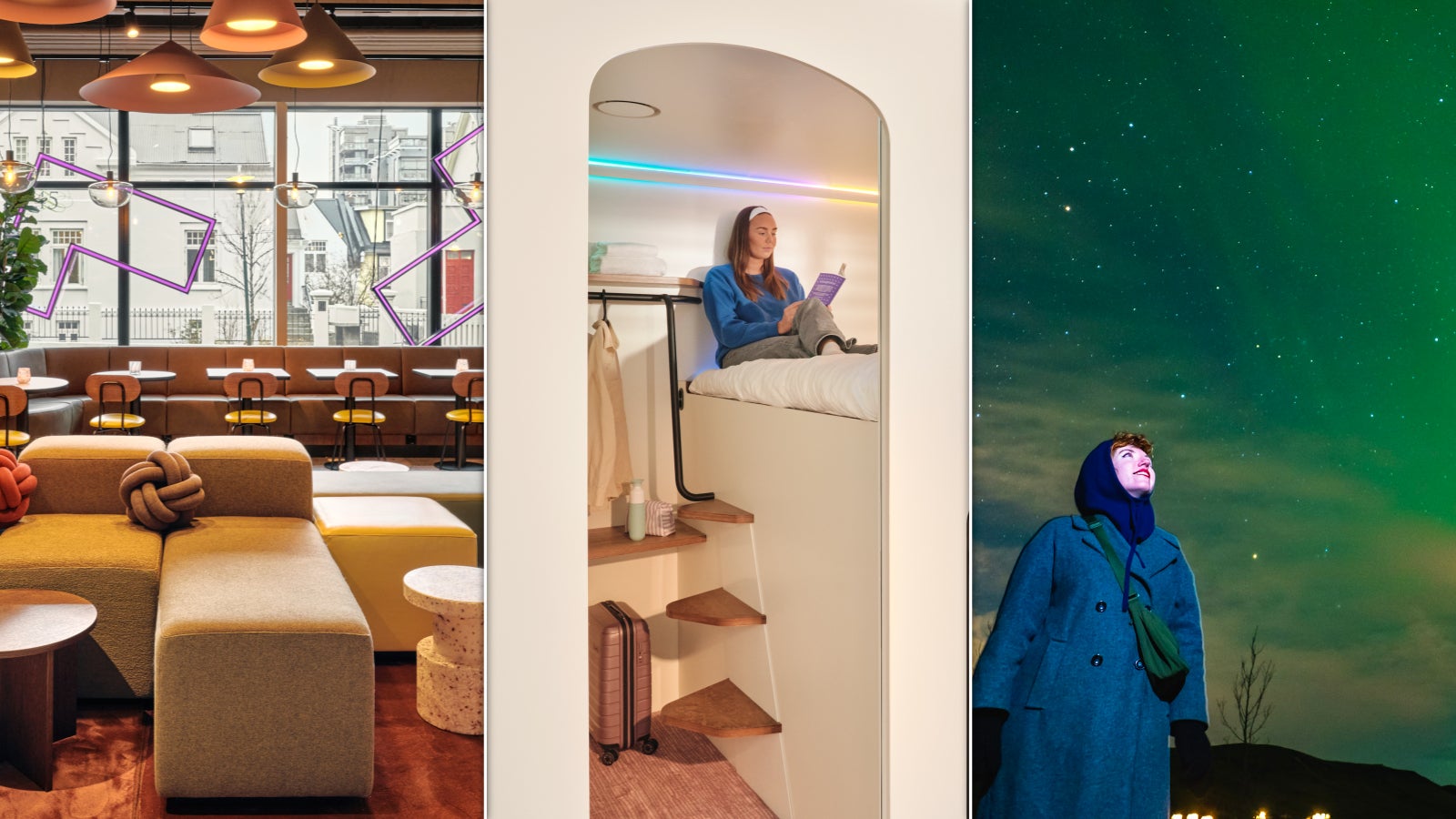
Their private, pod-esque if you will, sleeping areas are called Hubs and despite being small, they pack a big punch – we’re talking king-size beds, smart storage that doesn’t compromise on space, Bluetooth speakers, air con and heating. The best bit? You can enjoy this all without the fear of someone cracking the big light on at 3am.

The secret? Opting for an L-shaped pod over the stereotypical coffin. Hubs are a bit like a clever game of accommodation Tetris – one ‘up’ Hub is connected to a ‘down’ Hub, offering vertical space at the start of each that acts like a foyer.

Some clever planning means plenty of space (without a price tag).

CityHub invited me to try out their accommodation for myself and honestly, the biggest shock was the silence – I was so surprised at my inability to hear anyone in the adjoining Hub. I’m a tall gal and unlike other pod hotels I’ve been to, I could comfortably sit upright in bed without fear of a concussion. Even with a second person in the Hub with me (ooo-er), there was plenty of space for our suitcases and room to get changed in – we just had to take it in turns.

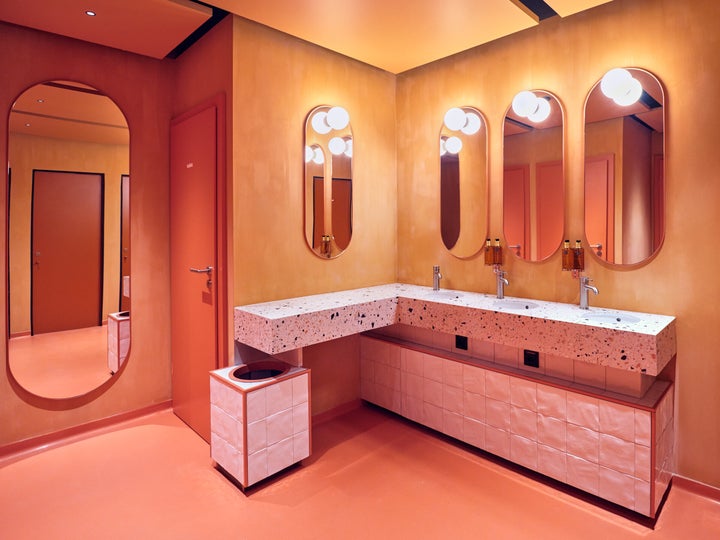
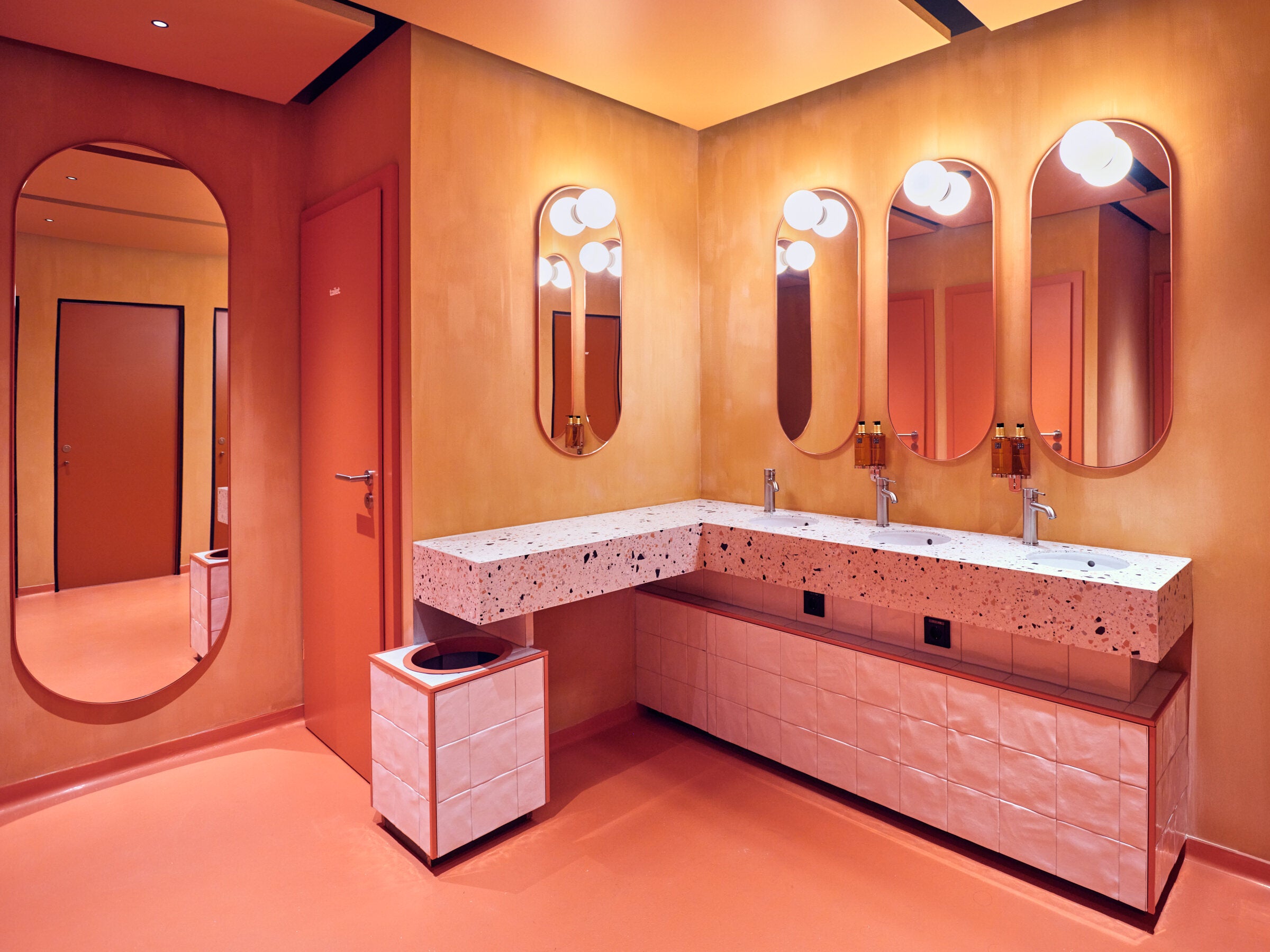
‘Shared bathrooms’ don’t exactly scream luxury (pause for flashbacks to the horrors of a hostel shower), but CityHub does things differently. You’d be forgiven for thinking that you were actually in a spa while popping to the loo – their Pinterest-worthy bathrooms boast warm terracotta walls and high pressure showers as well as complimentary towels and Rituals amenities.

As for the communal spaces, again, it’s a far cry from the hostel lounges and kitchens of yore. The Hangout (CityHub’s reception, bar and lounge area-in-one) features a self-service system in which guests can tap their own beers and refreshments using the digital wristband they’re given on checking in (which also doubles as your Hub key). Forget someone badly playing Oasis on a guitar in the corner – The Hangout is perfect for relaxing or even working in.

Okay, so when can we move in?

The real showstopper, though? CityHub Reykjavik’s rooftop hot tub. There really isn’t anything like soaking yourself in geothermally heated water while sub-zero Icelandic air whips around you – all with an incredible view of the night sky. If you’re lucky, sometimes it’s even possible to see the Northern Lights from the comfort of the tub.

Thought it couldn’t get any better? Buckle up, because the best bit of all of this? The cost. While the average hotel price in Reykjavik for April is hovering around £156 per night, you can snag a Hub for as little as £60 to £80 – and you could get this price even lower depending on what promotions and discounts are available.

CityHosts

Now, the issue with Iceland trips is that you only have to step outside your hotel and it suddenly feels like you’ve spent £20. It’s notoriously expensive and with endless guides online as to where you should and shouldn’t go, which tours you should and shouldn’t book, it can all be really overwhelming.

Enter the CityHosts – CityHub’s onsite concierge service that does a whole lot more than just check you in. As Reykjavik locals themselves, the hosts on duty will happily help you set up cost efficient tours to experience as much Icelandic culture as possible without the hefty price tag. After all, who actually knows the best spots better than people who live in Iceland all year round?

We were pointed toward a walking foodie tour that let us sample the most iconic Icelandic dishes from local businesses (although I still can’t say fermented shark is for me). And on one (utterly freezing) evening I fulfilled my dream of seeing the Northern Lights in all their glory after being sent out exploring with a pocket-friendly guide who knew the best viewing points. Another Iceland expert took us on a day trip around the country’s most famous natural landmarks and we knew we were guaranteed a brilliant meal afterwards thanks to the restaurant recommendations from the CityHosts.

So what exactly is the key to CityHub’s ability to provide accommodation that bridges the gap between budget and bougie? Well, it’s all in their very clever climate-friendly planning.

CityHub transforms empty urban buildings into hotels, avoiding new construction which as a result cuts CO₂ emissions per guest by 89% compared to the European hotel average. Their modular, recyclable rooms, in-house smart tech and harnessing of Iceland’s famous geothermal energy all add up to a model that’s efficient, scalable, and certified B Corp, a title held by just 0.1% of hotels globally.

I’m already planning a trip to Copenhagen purely based on the fact that there’s a CityHub there – because as someone’s outgrown dorms but not budget-friendly travel, I know I’m guaranteed the perfect fit.

To book a stay at CityHub visit:https://cityhub.com/reykjavik/

Share Button

Farage Dismisses Reform Candidate’s ‘Nazi Salute’ Photo As ‘Fawlty Towers Impression’

Nigel Farage dismissed a photo of a Reform UK candidate appearing to perform a Nazi salute by describing it as a “Fawlty Towers impression”.

Corey Edwards is Reform’s lead candidate for the Pen-y Bont Bro Morgannwg constituency in May’s Senedd election.

A photo of Edwards appearing to replicate the offensive salute recently resurfaced, though the date and location of the image are unknown.

While launching his party’s local election campaign, Reform Party leader told ITV News that his candidate was doing a “Fawlty Towers impression”.

He said: “The context I have been told, it was taking a Basil Fawlty sketch, and that’s why he did it. He’s a human being.”

Asked if Edwards would remain a candidate, he said: “I get the point – it looks terrible. Things in isolation often do. I wouldn’t approve of it.”

He then compared the incident to what he described “far more serious” case of a Plaid Cymru candidate withdrawing from the race over an offensive social media post from more than a decade ago.

Edwards also issued a statement saying the photo had been “misinterpreted” and that he had made “mistakes”.

“There is a clear distinction between ordinary use of the appalling gesture, compared with me imitating a Welsh footballer’s use of it, or indeed Basil Fawlty’s walk,” the Reform candidate said.

“The Nazi regime was the most barbaric ever and I’d never make light of nor dilute its seriousness.”

A Reform UK spokesperson also told ITV Wales: “We’re not willing to write people off forever because of mistakes they made when they were young.”

The incident is the latest drama threatening to overshadow Reform’s campaign in the run-up to the local elections.

Farage already had to publicly defend Reform’s Scottish leader, Malcolm Offord, after an offensive homophobic joke he made a rugby club dinner in 2018 resurfaced.

Offord later apologised and denied he was homophobic.

At his party launch in Sunderland this week, Farage said: “If we’re going to drum people out of public life for telling a joke at a boozy rugby club dinner that’s amongst friends, we’ll finish up with the dullest group of individuals, looking a bit like, sounding a bit like Keir Starmer.”

He added: “When you take something as it is, yeah, of course it looks awful.”

However Farage said Offord “probably regretted doing it” even on the night, and accused critics of adopting a “po-faced purism attitude”.

Reform also had to drop its mayoral candidate for the Hampshire and Solent 2028 election, Chris Parry, this week, after he compared a Jewish community group to “Islamists on horseback”.

Share Button

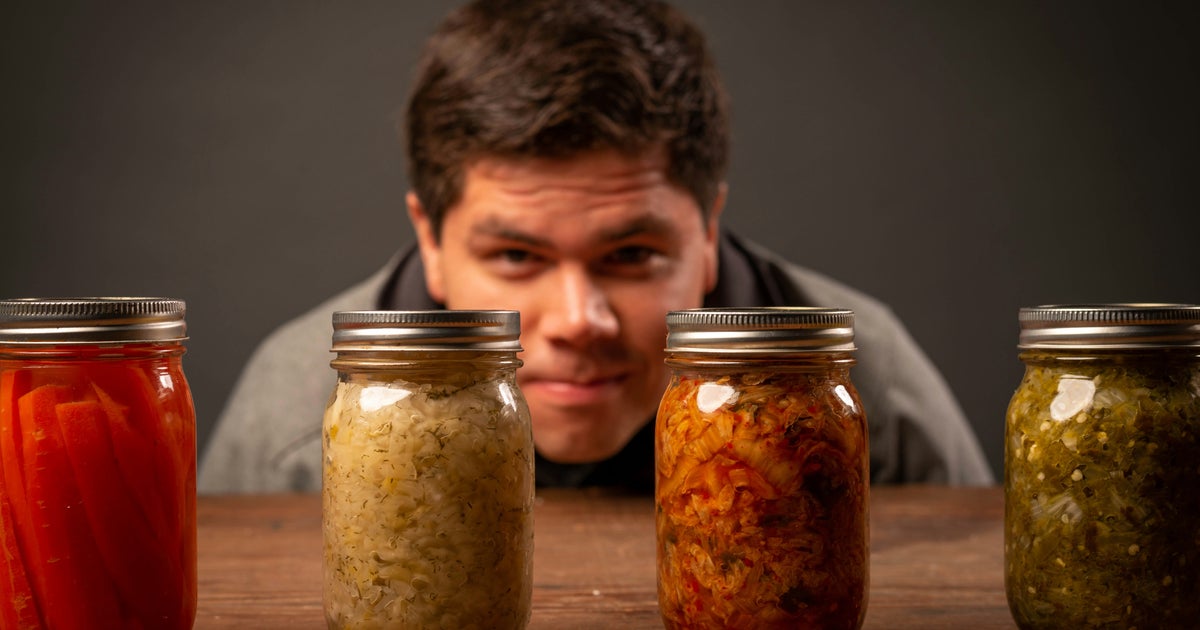
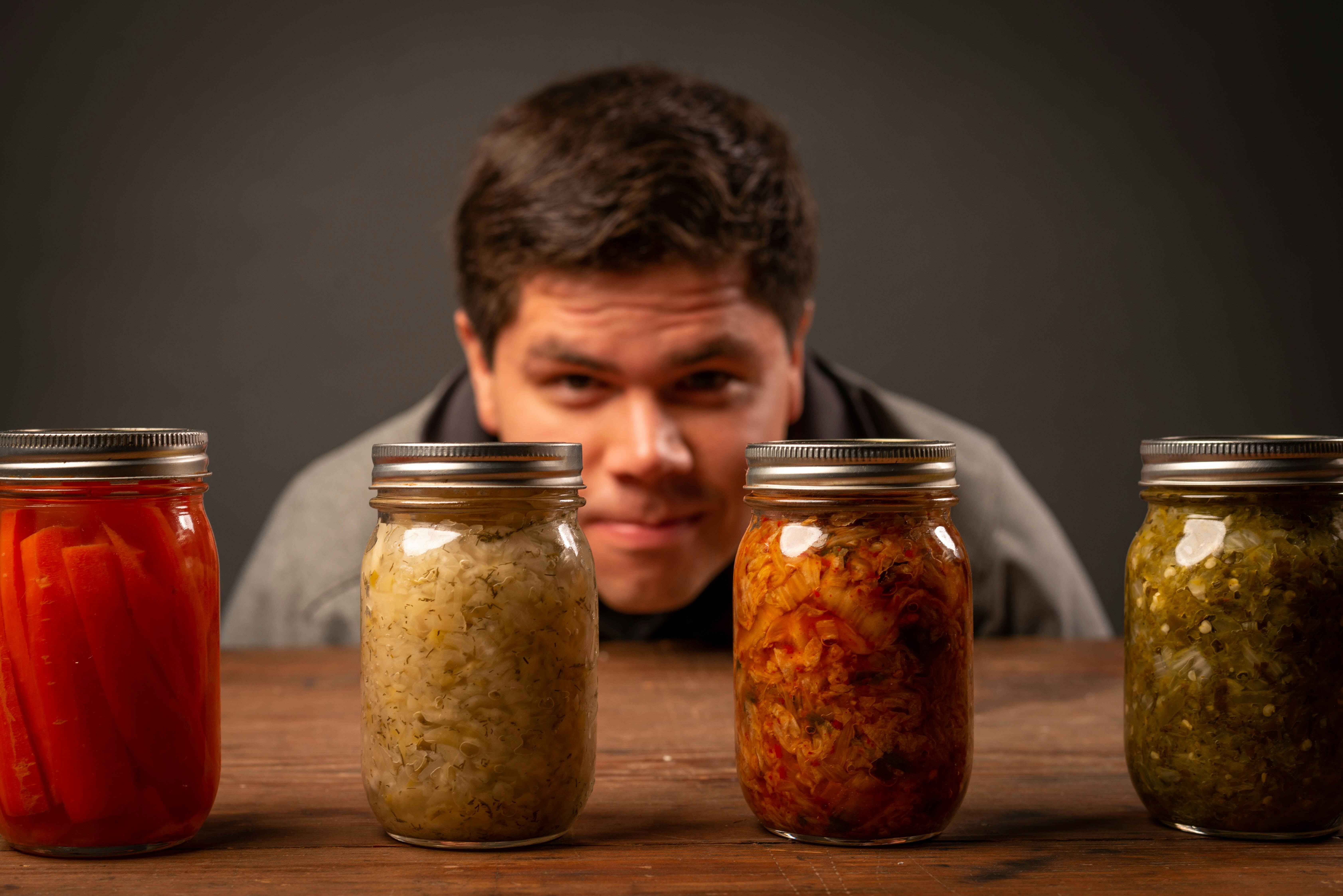
Five Gut-Healthy Foods The BHF Warns May Be Bad For Your Heart

Probiotic and fibre-rich foods are great for our guts (which, it turns out, influence a lot of our overall health).

But the British Heart Foundation (BHF) have warned that not all of these are as kind to our hearts, even though happier guts usually mean better cardiovascular health.

BHF nutrition lead Tracy Parker said that though, “We encourage everyone to choose foods that can keep their gut microbiome healthy… A lot of these products can contain high levels of salt or sugar.”

Here are five foods they warn to “watch out for”:

1) Kimchi

The fermented cabbage dish is great for our gut microbiomes. It’s packed with probiotics, and it may make your digestive tract an unwelcome space for “bad” gut bacteria.

But, the BHF said, “traditional kimchi is often made with a lot of salt, so it can raise blood pressure if eaten frequently or in large quantities. High blood pressure is known to increase your risk of having a heart attack or stroke”.

They advise trying smaller portions or lower-salt versions.

2) Kombucha

The jury’s still out on whether kombucha, a fermented tea, definitely benefits your gut health, though the BHF says it “can be a healthier alternative to sugary or fizzy drinks and has become a popular choice for people looking to introduce fermented products into their daily routine”.

But, they add, “many commercial kombucha products contain added sugars. Eating too much sugar can lead to weight gain, which in turn can increase the risk of a heart attack or stroke or other cardiovascular disease.”

Stick to kinds with “no added sugar” written on the label if you can.

3) Fruit yoghurt

Plain yoghurt contains live bacteria that could benefit the gut, and it’s also high in calcium, which is linked to a lower risk of bowel cancer.

But flavoured, sweetened, and “fruit” yoghurts often “contain added sugars and may have fewer live cultures than plain versions,” the BHF cautioned.

They reccomend choosing plain yoghurt with “live and active cultures” on the label to “ensure you are buying a low sugar option that is good for your gut”.

If you like, you can add fresh fruit at home.

4) Smoothies

“Smoothies made with whole fruits provide prebiotic fibre that feeds the beneficial gut bacteria and supports digestive health,” the BHF said.

But a mere 150ml counts as one of your five a day, and many of us are drinking more than that.

Additionally, “blending breaks down the structure of fruit, releasing ‘free sugars’ that behave like added sugars in the body and cause faster rises in blood sugar levels,” they shared.

“Regularly consuming too much sugar can lead to weight gain, which can increase the risk of developing type 2 diabetes, heart and kidney disease.”

Stick to recommended portion sizes and consider adding nuts, which provide protein and fibre that may help to control the impact of the sugars.

5) Sauerkraut

Like kimchi, this fermented cabbage dish can also be high in probiotics.

But it also often runs a little salty, the BHF said, “which may be a concern for anyone watching their blood pressure. Some shop-bought versions are also pasteurised, which removes most of the live bacteria”.

Try “checking the label and eating small portions,” as well as looking for “raw” sauerkraut or those described as containing “live cutlures”.

Share Button

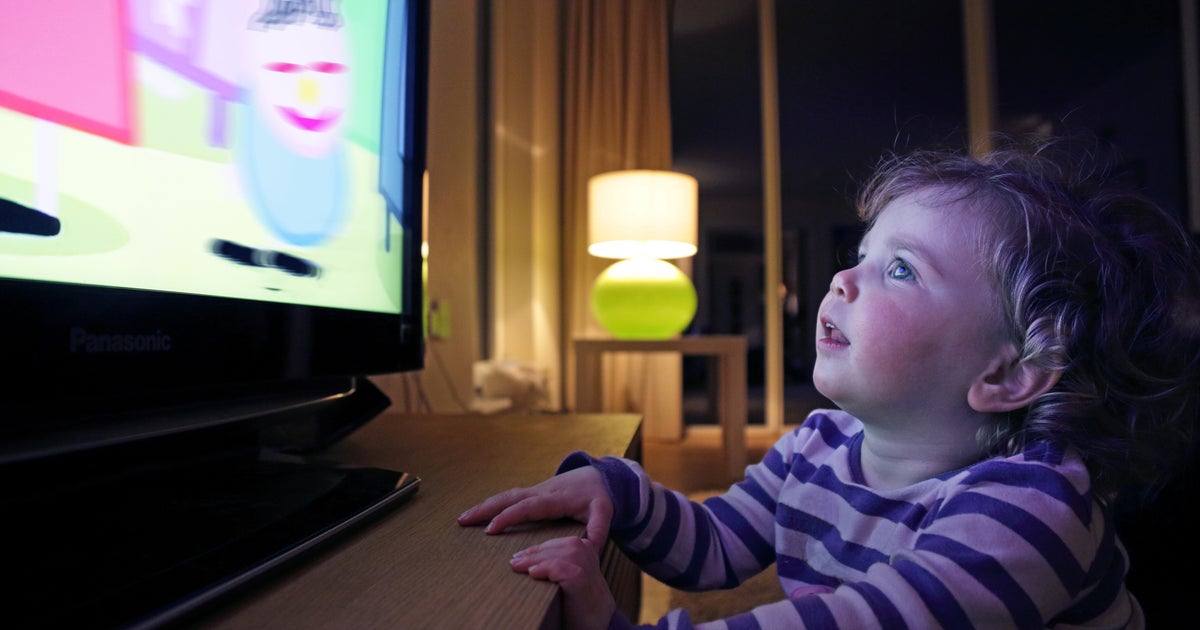
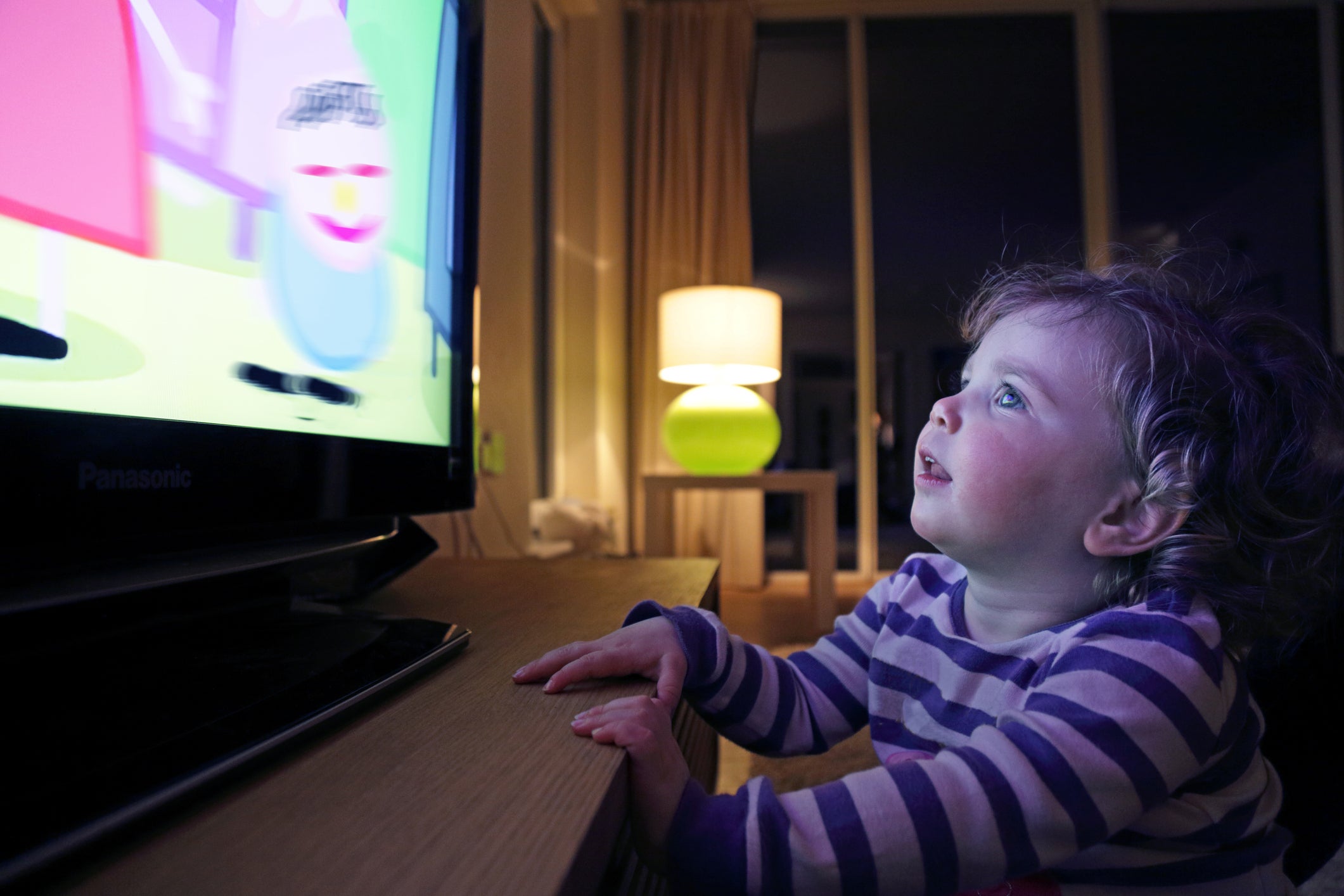
No Screens Before Two: Inside The UK’s Tough New Guidance For Babies And Toddlers

New screen time limits have been revealed for children in the UK under five.

The guidance, from the UK government, comes as almost one-quarter (24%) of parents of three‑ to five‑year‑olds say they find it hard to control their child’s screen time, and 98% of two‑year‑olds watch screens every day.

In response to parents calling for support on how much screen time is too much, as well as how to build healthy habits, the government shared new evidence-informed guidance for babies, toddlers and pre-schoolers.

What are the new screen time rules?

Under twos should avoid screen time other than for shared activities that encourage bonding, interaction and conversation (ie. FaceTiming family), per the new guidance.

Meanwhile two- to five-year-olds should stick to no more than one hour of screen time a day.

The government also advises avoiding screen time at mealtimes and in the hour before bed, so as not to disrupt sleep.

What else does the guidance say?

  • Opt for slow-paced, age-appropriate content.
  • Fast-paced, social media-style videos and AI toys or tools should be avoided for young children.
  • Parents are encouraged to watch or use screens together to make the experience more interactive, as talking, asking questions, and engaging with the content is better for children’s development.
  • Make safe screen swaps like reading bedtime stories together or playing simple games at mealtimes.

The guidance stems from the findings of an expert panel led by the Children’s Commissioner Dame Rachel de Souza and Professor Russell Viner, a paediatrician and expert in children’s health.

The panel reviewed the latest evidence on screen use in under-5s, and found long periods of time spent on screens alone can get in the way of activities critical for development.

Think: sleep, physical activity, creative play, and interaction with parents.

But not all screen use is equal.

Watching screens with an engaged adult where parents talk and ask questions is linked to better cognitive development than solo use.

Slow-paced content is also far better for development than fast-paced social media-style videos.

Evidence also suggests time limits shouldn’t apply in the same way for screen-based assistive technologies to support children with special educational needs and disabilities.

Prime minister Keir Starmer said: “Parenting in a digital world can feel relentless. Screens are everywhere, and the advice is often conflicting.”

The new guidance “cuts through the noise”, he added, “to keep children safe and make sure healthy habits are baked in from the start”.

Admitting that some will oppose the guidance, he added, “I will always stand on the side of parents doing their best for their children”.

Children’s Commissioner Dame Rachel de Souza said: “Young children need their parents to be confident in managing their screen use, but often this can be overwhelming for parents learning to navigate this.

“My hope is that this guidance helps to cut through the conflicting advice available and prioritise children’s development and wellbeing, as well as their safety.”

Neil Leitch, CEO of the Early Years Alliance, welcomed the new guidance and its emphasis on providing practical tips and advice for parents and carers.

He added he hopes it’s “the first step towards equipping children – and those supporting them – with the skills they need to thrive in an increasingly digital world and ensuring that technology enhances rather than undermines early learning and wellbeing”.

Share Button

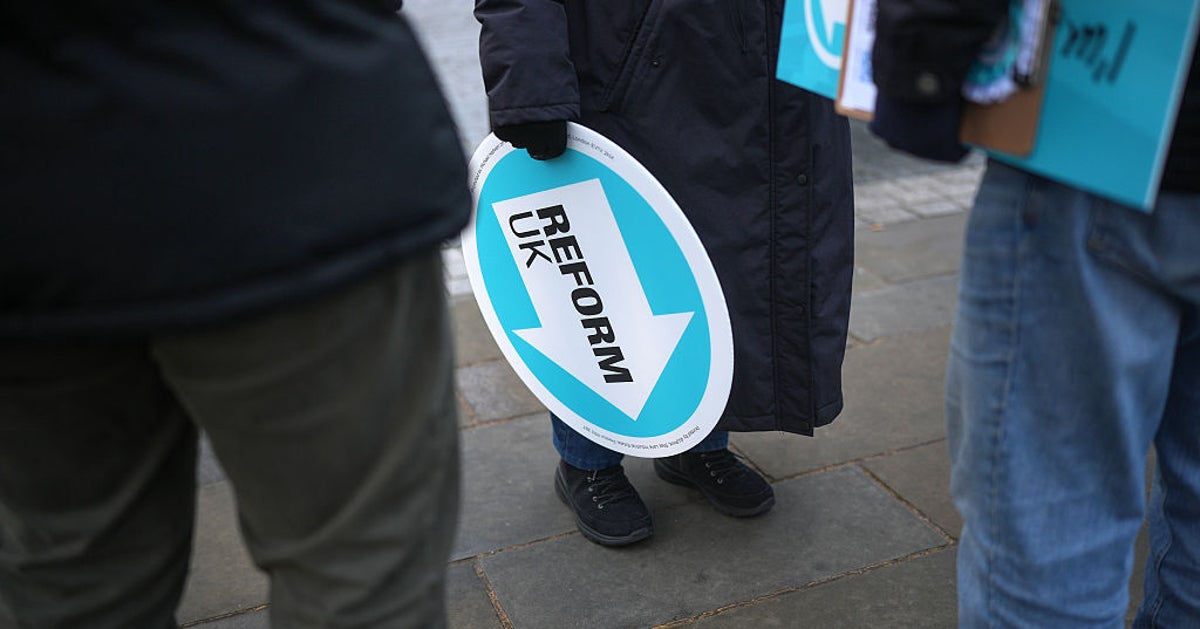
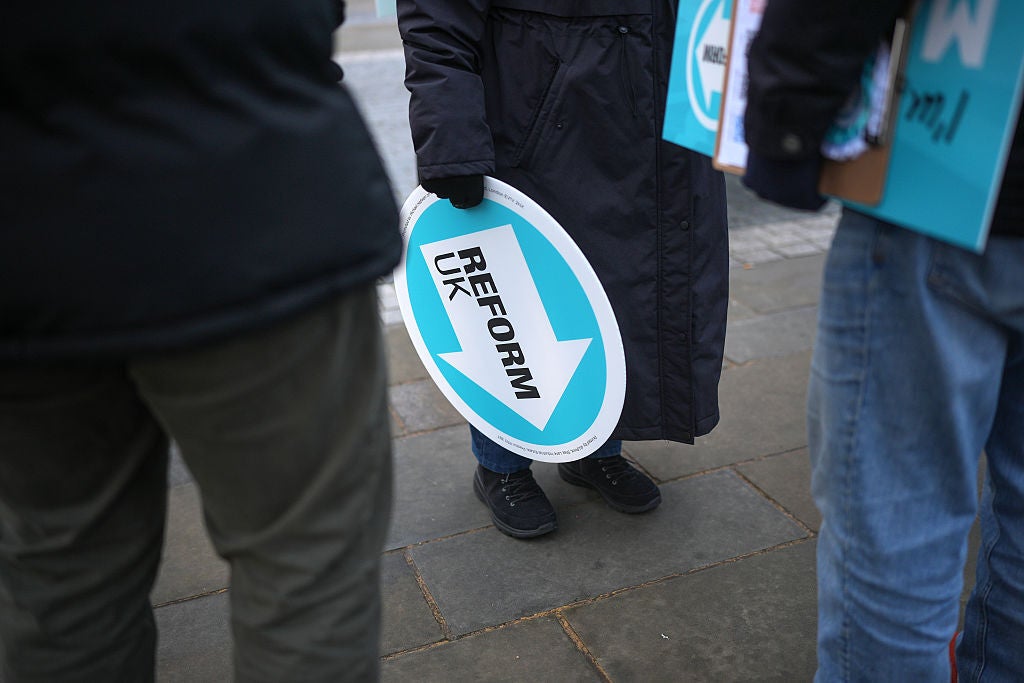
Exclusive: Reform UK Asked Rival Party Councillor To Be ‘Paper Candidate’ In Local Election

A Lib Dem councillor was left stunned after being asked by Reform UK to stand for the party at the local elections in May.

Sam Webber, who sits on Bromley Council in south east London, was phoned out of the blue by the party’s membership team and asked if he wanted to be a “paper candidate” on May 7.

A paper candidate is someone whose name goes on the ballot representing a party but is not expected to win or do any campaigning.

Speaking to HuffPost UK, Webber accused Nigel Farage’s party of “making a mockery of the election nomination process”.

He said: “Is Reform just randomly calling up people across the country and asking them to stand for election?

“Nominations open in five days time. How much vetting will the party be doing on their candidates in that time? This runs the risk people getting nominated who would be ineligible to serve even if they were elected.

“That would see costly and unnecessary by-elections having to take place after May 7, as we saw after the 2025 local elections.

“Reform UK is making a mockery of the election nomination process. As we have seen in authorities like Kent County Council, it would be total chaos if the party gets anywhere near power. I suspect voters will not like being taken for fools.”

Reform has been contacted for comment.

A staggering 65 Reform councillors who were elected at last May’s local elections have since either resigned as councillors, defected or quit the party.

Share Button

Five Habits A GP Says Separates People Who Age Well From Those Who Don’t

It turns out that tiny changes – minutes more exercise, a few grams more veggies – can make a surprisingly large difference to your longevity and heart attack risk.

And Dr Dominic Greenyer, a private GP at The Health Suite, said that those lifestyle changes become medically obvious in time.

“If you followed two twins over time, you would often see clear differences in their skin, body composition, energy levels and overall health depending on how they live,” Dr Greenyer said.

“Ageing is not just about time passing. It’s about how well the body is maintained.”

Here, he shared the five factors he feels make all the difference:

1) Building and maintaining muscle

As we age, our muscles begin to wane – a process called sarcopenia. If we do nothing to maintain or build it, some research says we’re expected to lose half our muscle mass by 80.

“One of the biggest predictors of healthy ageing is muscle mass,” Dr Greenyer said.

2) Prioritising sleep and recovery

“Chronic poor sleep can accelerate ageing at a cellular level,” Dr Greenyer said.

“It affects hormones, recovery, inflammation and even visible signs like skin quality.”

Experts think that following a “7-1” sleeping rule (getting at least seven hours of sleep a night, with no more than an hour’s variance between bedtimes and wake-up times) could add years to your life.

3) Reducing inflammation through lifestyle choices

In and of itself, inflammation isn’t a problem – it can help our bodies to heal and may be an important part of muscle growth.

But “inflammaging” can occur when inflammation is chronic, and might contribute to conditions such as heart disease, type 2 diabetes, dementia, and frailty.

It “is influenced by diet, stress, alcohol intake and overall lifestyle,” Dr Greenyer said.

Those who eat whole foods, stay active, and manage stress well may have less unwanted inflammation, he added.

4) Enjoy life, in moderation

There’s lots of research to support the idea that enjoying ourselves – be it through socialising or even eating some candy – might help us to live longer.

“There is good evidence that polyphenol-rich foods such as dark chocolate can support cardiovascular health when consumed in moderation,” Dr Greenyer added. “Just as important is maintaining strong social connections, which are consistently associated with longer lifespan and better mental wellbeing.”

He ended, “The difference comes from small choices repeated over years – but they should still allow you to enjoy life.”

Share Button

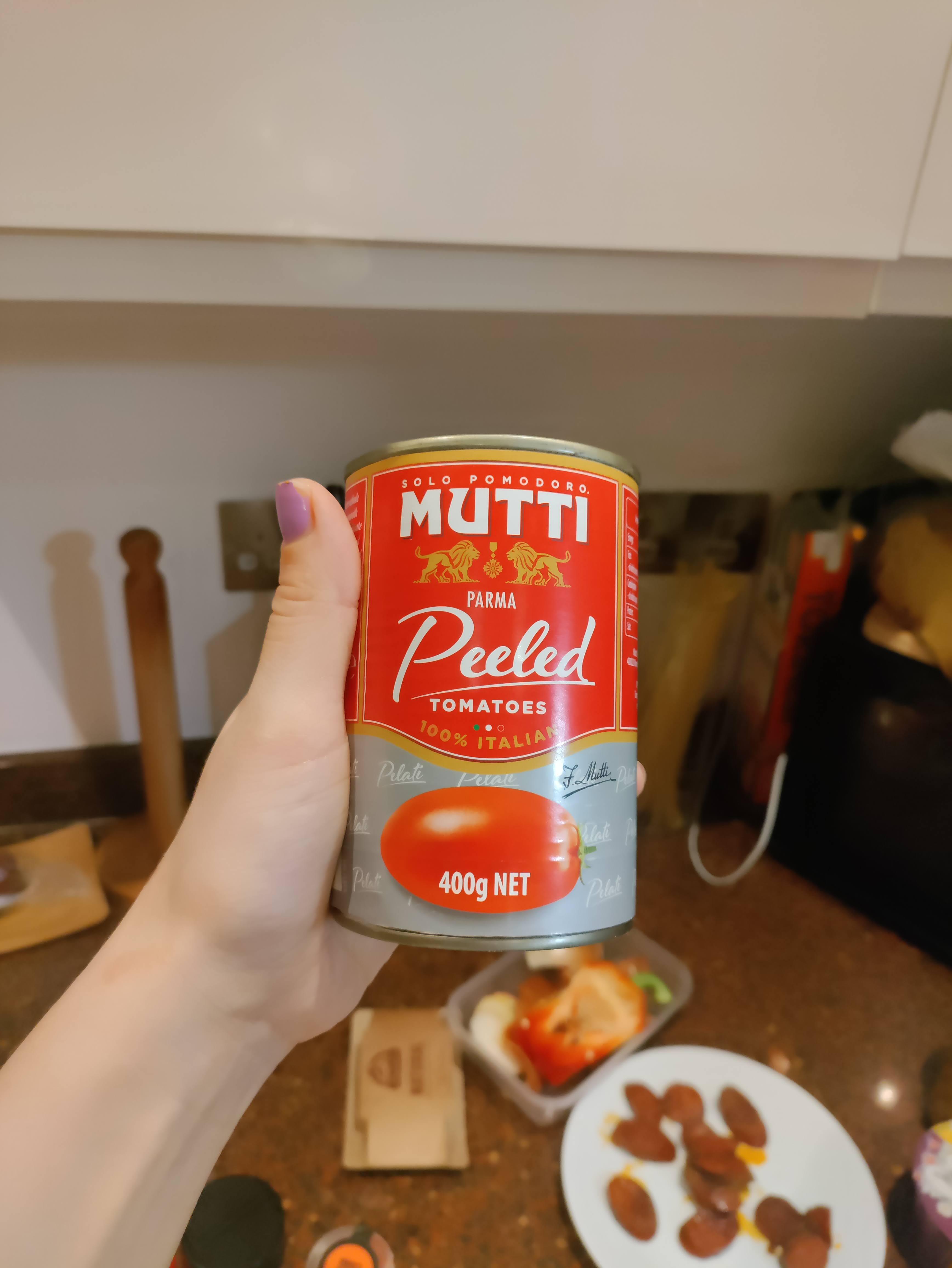
Tinned Tomatoes Give Us More Of A Heart-Friendly Nutrient Than Fresh Ones

Processed food is often treated as an unhealthy monolith, though a doctor previously told HuffPost UK that yeast extracts, tinned beans, ready-to-eat oats, and fortified plant-based milks have their role in a healthy diet.

And “processing” – which can include canning, smoking, freezing, milling, and pasteurising – isn’t in and of itself a bad thing. It can sometimes make elements of certain foods healthier.

For instance, the British Heart Foundation (BHF) writes that, “You might think canned tomatoes are less healthy than fresh ones.

“But your body can absorb more of a heart-healthy nutrient called lycopene from tinned varieties than it can from fresh, uncooked tomatoes.”

What is lycopene?

Lycopene is an antioxidant (meaning it helps to stop free radicals from damaging DNA and some cells). It helps to give fruits like tomatoes and pink grapefruits their colour.

Some experts think it could help to lower inflammation, control cholesterol, reduce the risk of blood clots, and improve the immune system.

It has also been linked to lower blood pressure and may even reduce some cancer risks.

But so far, the seemingly most established benefit of lycopene is its ability to improve our vascular function and potentially reduce our risk of cardiovascular disorders.

In one study, for instance, men with the highest lycopene consumption had a 55% lower stroke risk.

A 2022 review of studies concluded that lycopene “plays a critical role in human health, particularly in preventing cardiovascular risks”.

In Western countries, tomatoes account for about 80% of lycopene consumption.

OK, but why tinned tomatoes?

If tomatoes contain lycopene in all their forms (which they do), why tinned tomatoes over fresh ones?

Well, that 2022 review said, “Several factors influence the lycopene content of fruits and vegetables, such as environmental conditions (temperature, irrigation, light, climate, location of plantation), fruit variety, degree of ripeness, processing and storage conditions”.

That’s partly because processing tomatoes breaks down their cell walls, making their lycopene more available to us.

Tomato paste, for instance, has 1827% more lycopene than fresh tomatoes (though you likely eat less of it than canned kinds).

Crushed and canned tomatoes have 5106µg per 100g, vs cooked fresh tomatoes’ 3041µg per 100g.

Cooked fresh tomatoes have more lycopene than fresh raw ones.

Eating tinned tomatoes with olive oil might increase how much lycopene your body absorbs from them, too.

As Michael Mosley told the BBC, “That means tomato sauce from fresh or tinned tomatoes, and even ketchup can actually provide more lycopene than fresh tomatoes”.

Of course, there are other things to consider with e.g. ketchup or premade tomato sauces: added sugars and salt may make any lycopene benefits redundant.

But if you turn to unsalted, sugar-free tinned tomatoes far more often than you stew fresh ones yourself, you might be doing your heart (as well as your taste buds) a favour.

Share Button