Grating An Apple Into Your Sourdough Starter Can Make Your Loaves Taller And More Delicious

I’ve just about managed to get a new sourdough starter to bubbling good health, and have been amazed by how simple the process is.

All you need is water, flour, and time (as well as the ability to handle that day-three stench).

But just because it can be that easy, it doesn’t mean it always is. For instance, Paul Hollywood grates an organic Cox apple into his – and he’s not the only expert to recommend the method.

Here’s why that’s a great (or should I say… grate? Sorry!) idea.

Why should I grate an apple into my sourdough starter?

Of course, the step is completely optional. But given that sourdough starters are used for their wild yeasts and “good” bacteria, the addition makes sense.

A 2016 paper found that the addition of flowers, fruit, and berries to “mother” sourdough levains can stabilise the bacteria in the mixture quickly.

That’s important because in lots of ways, the formation of a strong starter is a kind of battle between “good” and “bad” bacteria.

That benefit was seen with all kinds of plant matter.

But only starters made with apple flowers (blossoms from an apple tree) or apple pulp contained multiple species of a bacterium called Acetobacter, which might make softer, taller, more flavourful loaves.

Shocker: bread legend Paul Hollywood knows what he’s doing.

How can I make a sourdough starter with apple?

Paul Hollywood grates one apple, skin-on – ” I like to use a Cox, but any organic apple will do” – into 1kg flour and 360ml water.

He recommends using organic kinds as too many chemicals might mean ”the starter may not ferment”. If the study we mentioned earlier is anything to go by, apple flowers should work too.

Mix those together and cover them in an airtight container (without touching them) for three days before your first feed.

Then, keep discarding some of the starter daily and adding flour and water to feed until it doubles in size consistently. I usually wait ’til it’s performed well three days in a row before I put mine in the fridge; I then feed it twice a week, once the day before use and once the day of.

If you use it more often, Hollywood says, keep it on the counter and feed it every three days.

Share Button

Can An ‘Analogue’ Sleep Routine Help My Insomnia?

This year, I’ll be trying sleeping tricks to see whether they actually improve my insomnia. Check back in on this series, Rest Assured, to see how I get on.

For the past few weeks, I’ve been on a science-baked crusade against bad sleep.

So, when I heard about “analogue sleep,” I thought I’d give it a go to see whether it stopped my 3am wake-ups.

What is “analogue sleep”?

Nick Hawkins, Managing Director at Grove Bedding, explained that it’s a low-tech, screen-free approach to bedtime.

“We may live in a digital world, but sleep remains physical, rhythmic, and deeply human. By making our nights tech-free, we give ourselves the chance to rest properly – and to wake feeling genuinely restored,” he said.

Basically, it’s about avoiding screens and building a tech-free sleep routine. Speaking to HuffPost UK previously, Dr Chelsea Perry, owner of Sleep Solutions and a Diplomate of the American Board of Dental Sleep Medicine, said she ditches her phone two hours before bed.

In the same article, sleep expert Dr Nerina Ramlakhan from Oak Tree Mobility said: “Set healthy boundaries on tech: no electronics in the bedroom”.

Reading and other calming hobbies (perhaps something like stress-reducing knitting or NHS-approved meditation) might be a good replacement for my previous nighttime scrolling, Hawkins said.

While I have already got into the habit of enjoying a novel before bed, I confess I usually watch some videos or check my alarm afterwards.

So, I gave it a go.

How did it go?

I’m going to be completely honest here: I struggled a lot.

I’ve been reading more than ever, but I couldn’t help but feel a familiar urge when I flopped my book down on my bedside table – I usually check my messages, ensure my alarm’s been set, and yes, enjoy a bit of social media before bed.

Perhaps this in itself is a cause of concern, but I found that while I had my average five 3am wakeups a week, my failure rate of returning to sleep was higher than usual (I only fell back asleep before 7am once, resulting in too many midday naps, which is a vicious cycle).

I think I was worrying about little things, like whether I’d missed an important message or (a repeated concern) not saved my alarm correctly.

Dr Michael Gradisar, head of sleep science at Sleep Cycle, previously shared: “While sleep experts often recommend keeping phones out of the bedroom or avoiding them before bed, many people simply won’t follow this advice. This can lead to stress… which negatively impacts sleep”.

In this case, being too fastidious about avoiding screen time did not work for me, despite strong evidence that it should.

Still, sticking to a routine is undeniably great for your sleep health, and reading before bed, which really has helped my sleep, has cut my screen time down significantly.

As Dr Grasidar said, “individuals can still use interactive technologies like video games or their phone, but then transition to more passive activities such as watching TV, listening to music, or tuning into a podcast as they wind down.”

Share Button

Scientists say this type of olive oil could boost brain power

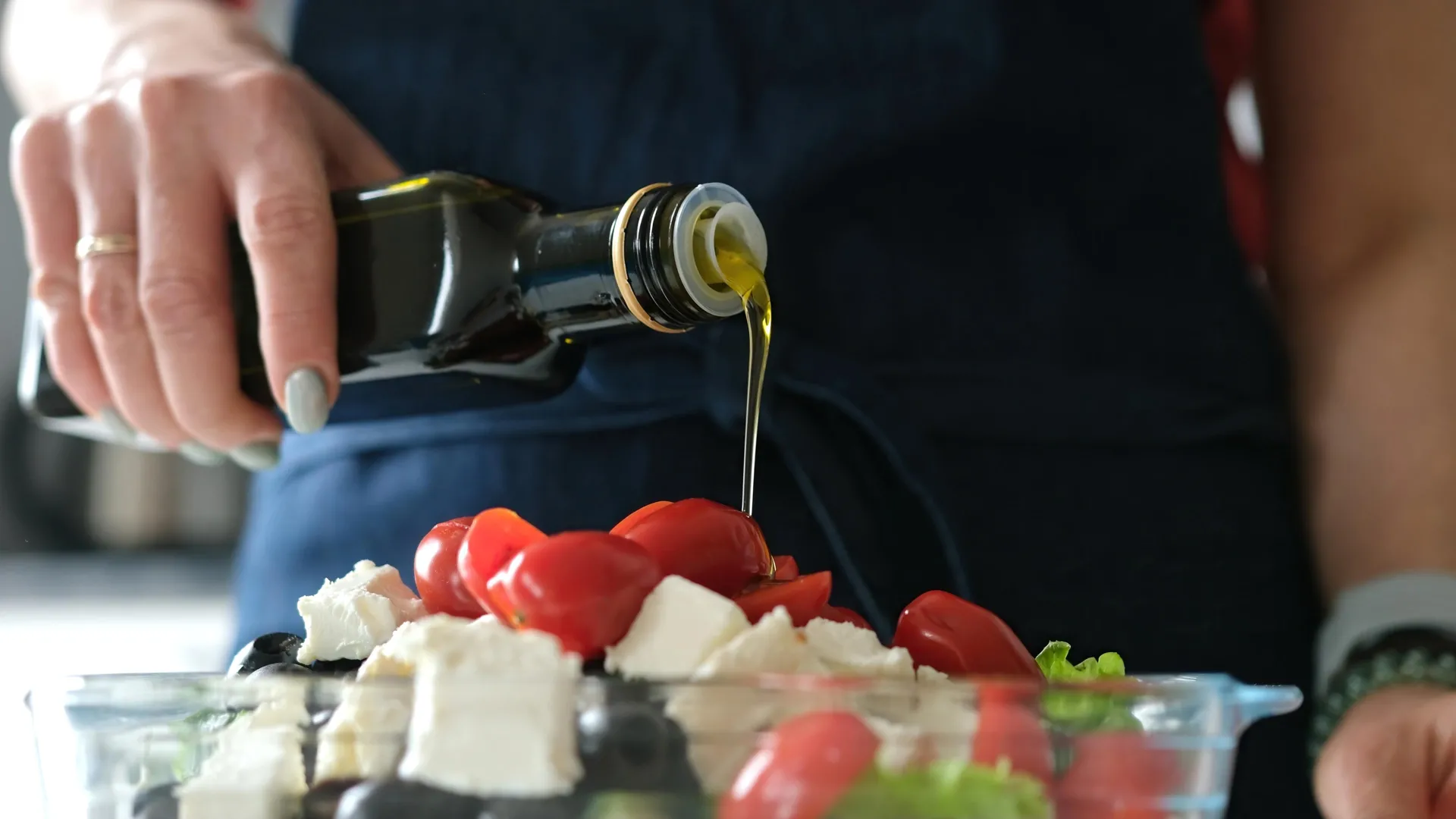
Extra virgin olive oil has long been a cornerstone of the Mediterranean diet, known for supporting heart and metabolic health. Now, new research suggests it may also help protect the brain. Scientists have found that its benefits could extend beyond the body to the mind, working through the gut microbiome to support cognitive function.

A study led by researchers from the Human Nutrition Unit at the Universitat Rovira i Virgili (URV), the Pere Virgili Health Research Institute (IISPV) and CIBERobn points to a meaningful link between extra virgin olive oil, gut bacteria, and brain health.

Study explores olive oil, gut microbiome, and brain health

“This is the first prospective study in humans to specifically analyze the role of olive oil in the interaction between gut microbiota and cognitive function,” explains Jiaqi Ni, first author of the article and researcher at the URV’s Department of Biochemistry and Biotechnology.

The research followed 656 adults between the ages of 55 and 75 who were overweight or obese and had metabolic syndrome — a set of risk factors that increase the likelihood of developing cardiovascular disease. Over a two-year period, as part of the PREDIMED-Plus project, scientists tracked participants’ diets, including their intake of virgin and refined olive oil, along with detailed analyses of their gut microbiota. They also monitored changes in cognitive performance over time.

Virgin olive oil linked to better cognition and gut diversity

The findings showed clear differences depending on the type of olive oil consumed. Participants who regularly used virgin olive oil experienced improvements in cognitive function and had a more diverse gut microbiota, which is widely considered a sign of better intestinal and metabolic health. In contrast, those who consumed refined olive oil tended to show a decline in microbiota diversity over time.

Researchers also identified a specific group of gut bacteria, known as Adlercreutzia, that may be tied to these benefits. Its presence could serve as an indicator of the positive relationship between virgin olive oil consumption and preserved cognitive function. These results suggest that part of the oil’s brain-supporting effect may come from how it reshapes the gut microbiome.

Why extra virgin olive oil stands out

The difference between extra virgin and refined olive oil largely comes down to how they are produced. Extra virgin olive oil is obtained using mechanical methods, which help preserve its natural compounds. Refined olive oil, on the other hand, undergoes industrial processing to remove impurities.

While this refining process improves shelf life and taste consistency, it also reduces beneficial components such as antioxidants, polyphenols, vitamins and other bioactive substances. According to Jiaqi Ni, “not all olive oils have benefits for cognitive function,” highlighting the importance of choosing extra virgin varieties.

Quality of dietary fats matters for brain health

These findings add to growing evidence that diet plays a key role in both cardiovascular and cognitive health through its influence on the gut microbiota. Jordi Salas-Salvadó, principal investigator of the study, emphasizes the importance of choosing high-quality fats: “This research reinforces the idea that the quality of the fat we consume is as important as the quantity; extra virgin olive oil not only protects the heart, but can also help preserve the brain during aging.”

He also notes that identifying a specific microbial profile linked to these benefits “paves the way for new nutrition-based prevention strategies to preserve cognitive functions.”

A simple dietary change for an aging population

Co-directors Nancy Babio and Stephanie Nishi highlight the broader implications of the findings as populations continue to age. “At a time when cases of cognitive decline and dementia are on the rise, our findings drive home the importance of improving diet quality, and in particular prioritizing extra virgin olive oil over other refined versions as an effective, simple and accessible strategy for protecting brain health.”

The study was led by the Human Nutrition Unit at the URV’s Department of Biochemistry and Biotechnology, with contributions from the Pere Virgili Health Research Institute (IISPV-CERCA) and the CIBER area on the Physiopathology of Obesity and Nutrition (CIBEROBN) of the Carlos III Health Institute. Researchers from the PREDIMED-Plus consortium also participated, along with collaborators from international institutions including Wageningen (Netherlands) and Harvard (United States).

Share Button

An Invitation

I recorded this new video today from the heart – one take, no cuts. If your life looks okay on the outside but feels off, hollow, uncertain, or disharmonious on the inside, this might speak to you.

If it resonates, you can learn more about Open here:

StevePavlina.com/Open

❤️

Share Button

Should you really trust health advice from an AI chatbot?

Abi has had very mixed results when asking a chatbot for guidance about her health issues.

Share Button

What caffeine does to ants could change pest control

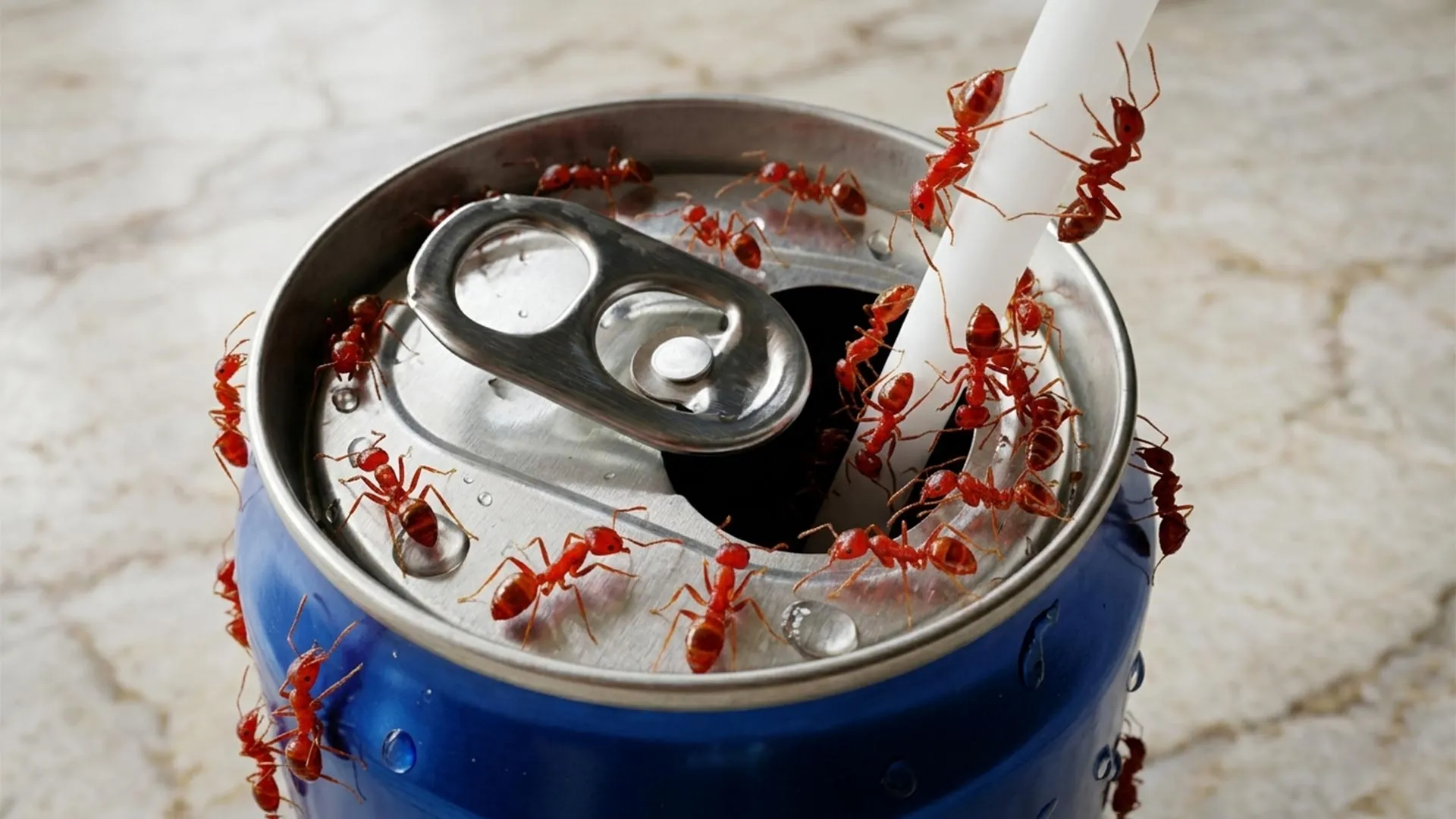
Ants that consume a sugary treat mixed with caffeine become noticeably better at finding their way back to it. A new study published in iScience shows that these ants take more direct routes to the reward, even though they do not move any faster. This suggests caffeine improves their ability to learn and remember locations. The research focused on Argentine ants (Linepithema humile), a widespread invasive species, and the findings point to a possible new way to improve pest control by making bait more appealing and effective.

“The idea with this project was to find some cognitive way of getting the ants to consume more of the poisonous baits we put in the field,” says the first author and doctoral researcher Henrique Galante, a computational biologist at the University of Regensburg. “We found that intermediate doses of caffeine actually boost learning — when you give them a bit of caffeine, it pushes them into having straighter paths and being able to reach the reward faster.”

Argentine ants are among the most damaging and expensive invasive species worldwide. Efforts to control them typically rely on poisoned bait, but these strategies often fall short. Colonies may ignore the bait or abandon it before it spreads widely. The research team explored whether caffeine, which is already known to enhance learning in bees, could help ants better remember bait locations and lead more nestmates to them.

“We’re trying to make them better at finding these baits, because the faster they go and come back to them, the more pheromone trails they lay, the more ants will come, and, therefore, the faster they will spread the poison in the colony before they realize it’s poison,” says Galante.

Testing Caffeine’s Effects in the Lab

To investigate this idea, the scientists designed a controlled experiment using different caffeine levels. Ants crossed a small Lego drawbridge onto a test surface, which consisted of an A4 sheet placed over acrylic. There, they encountered a drop of sugar solution containing 0, 25 ppm, 250 ppm, or 2,000 ppm of caffeine.

“The lowest dose we used is what you find in natural plants, the intermediate dose is similar to what you would find in some energy drinks, and the highest amount is set to be the LD50 of bees — where half the bees fed this dose die — so it’s likely to be quite toxic for them,” says Galante.

The team tracked each ant’s movement with an automated system, measuring both travel time and how direct their paths were. In total, 142 ants took part, and each one completed four trials. Between trials, the ants could unload their collected food, and the testing surface was replaced to prevent them from following their own pheromone trails.

Straighter Paths, Faster Learning

Ants that received only sugar showed little improvement over time, indicating they were not learning the reward’s location effectively. In contrast, ants given low or moderate amounts of caffeine quickly became more efficient.

For ants exposed to 25 ppm of caffeine, foraging time decreased by 28 percent with each visit. At 250 ppm, the improvement reached 38 percent. For example, an ant that initially took 300 seconds to reach the reward could cut that time to 113 seconds at the lower dose and just 54 seconds at the intermediate dose by the final trial. The highest caffeine level did not produce the same benefit.

Focus Over Speed

The improvement was not due to increased speed. Instead, caffeinated ants followed more direct routes, suggesting stronger focus and better spatial memory. Their pace remained unchanged across all doses, but their paths became less winding at the lower and intermediate levels of caffeine.

“What we see is that they’re not moving faster, they’re just being more focused on where they’re going,” says Galante. “This suggests that they know where they want to go, therefore, they have learned the locations of the reward.”

Caffeine did not affect how efficiently ants returned to their nest (how efficiently they traveled back to the nest), although all ants improved slightly over time regardless of caffeine.

A Potential New Tool for Pest Control

The findings suggest that caffeine could play a role in improving pest control strategies for Argentine ants. By helping ants learn bait locations more quickly and recruit more nestmates, caffeine could increase how effectively poison spreads through a colony before the ants detect it.

The researchers caution that more work is needed before applying this approach in real-world settings. Ongoing studies are testing caffeine-enhanced bait in outdoor environments in Spain and examining how caffeine interacts with the poison itself.

This research was supported by the European Research Council, the Deutsche Forschungsgemeinschaft, and the University of Regensburg.

Share Button

Artificial neurons successfully communicate with living brain cells

Engineers at Northwestern University have created printed artificial neurons that go beyond imitation and can directly interact with real brain cells. These flexible, low-cost devices produce electrical signals that closely resemble those generated by living neurons, allowing them to activate biological brain tissue.

In experiments using slices of mouse brain, the artificial neurons successfully triggered responses in real neurons. This result shows a new level of compatibility between electronic devices and living neural systems.

Toward Brain Interfaces and Energy-Efficient AI

This advance moves researchers closer to electronics that can directly interface with the nervous system. Potential uses include brain-machine interfaces and neuroprosthetics, such as implants that could help restore hearing, vision, or movement.

The technology also points toward a new generation of computing systems inspired by the brain. By replicating how neurons communicate, future hardware could perform complex tasks using far less energy. The brain remains the most energy-efficient computing system known, and scientists hope to apply its principles to modern technology.

The study will be published on April 15 in the journal Nature Nanotechnology.

“The world we live in today is dominated by artificial intelligence (AI),” said Northwestern’s Mark C. Hersam, who led the study. “The way you make AI smarter is by training it on more and more data. This data-intensive training leads to a massive power-consumption problem. Therefore, we have to come up with more efficient hardware to handle big data and AI. Because the brain is five orders of magnitude more energy efficient than a digital computer, it makes sense to look to the brain for inspiration for next-generation computing.”

Hersam is an expert in brain-inspired computing and holds multiple roles at Northwestern University, including the Walter P. Murphy Professor of Materials Science and Engineering at the McCormick School of Engineering. He also is a professor of medicine at Northwestern University Feinberg School of Medicine and a professor of chemistry at the Weinberg College of Arts and Sciences. In addition, he serves as chair of the department of materials science and engineering, director of the Materials Research Science and Engineering Center, and a member of the International Institute for Nanotechnology. He co-led the study with Vinod K. Sangwan, a research associate professor at McCormick.

Why the Brain Outperforms Traditional Silicon

Modern computers handle increasing workloads by packing billions of identical transistors onto rigid, two-dimensional silicon chips. Each component behaves the same way, and once manufactured, the system remains fixed.

The brain works very differently. It consists of many types of neurons, each with specialized roles, arranged in soft, three-dimensional networks. These networks are constantly changing, forming and adjusting connections as learning occurs.

“Silicon achieves complexity by having billions of identical devices,” Hersam said. “Everything is the same, rigid and fixed once it’s fabricated. The brain is the opposite. It’s heterogeneous, dynamic and three-dimensional. To move in that direction, we need new materials and new ways to build electronics.”

Although artificial neurons have been developed before, most produce overly simple signals. To achieve more complex behavior, engineers typically need large networks of devices, which increases energy use.

Printable Materials Enable Brain-Like Behavior

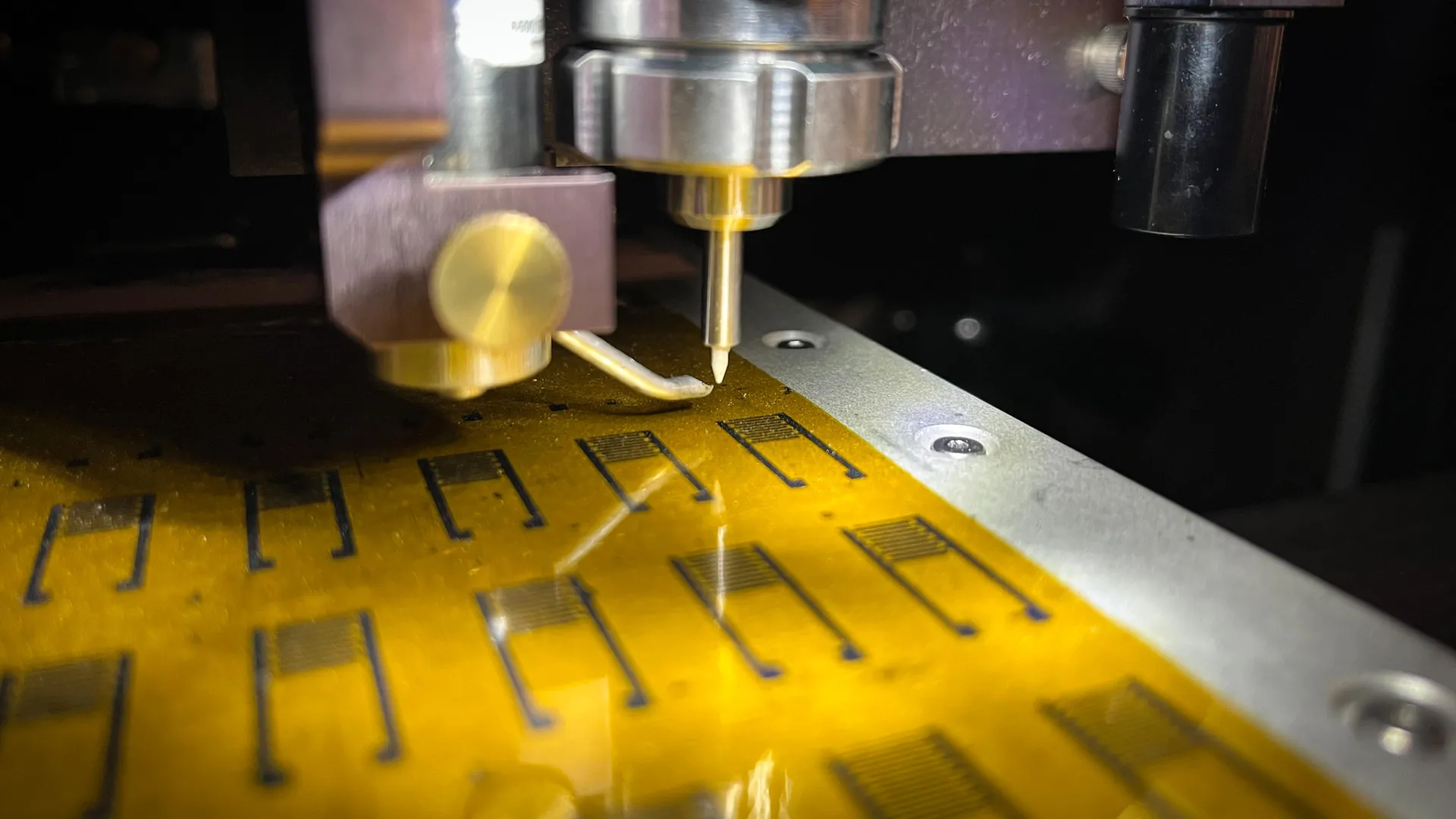
To better replicate real neural activity, Hersam’s team built artificial neurons using soft, printable materials that more closely match the brain’s structure. Their approach relies on electronic inks made from nanoscale flakes of molybdenum disulfide (MoS2), which acts as a semiconductor, and graphene, which serves as an electrical conductor. These materials were deposited onto flexible polymer surfaces using aerosol jet printing.

Previously, researchers treated the polymer in these inks as a flaw because it interfered with electrical performance. As a result, they removed it after printing. In this work, the team used that same feature to enhance the device.

“Instead of fully removing the polymer, we partially decompose it,” he said. “Then, when we pass current through the device, we drive further decomposition of the polymer. This decomposition occurs in a spatially inhomogeneous manner, leading to formation of a conductive filament, such that all the current is constricted into a narrow region in space.”

That narrow conductive path produces a sudden electrical response similar to a neuron firing. The resulting device can generate a wide variety of signals, including single spikes, continuous firing, and bursting patterns, closely resembling real neural communication.

Because each artificial neuron can produce more complex signals, fewer components are needed to perform advanced tasks. This could significantly improve computing efficiency.

Testing Artificial Neurons on Real Brain Tissue

To evaluate whether the artificial neurons could truly interact with living systems, the researchers partnered with Indira M. Raman, the Bill and Gayle Cook Professor of Neurobiology at Weinberg. Her team applied the artificial signals to slices of mouse cerebellum.

The results showed that the electrical spikes matched key biological properties, including their timing and duration. These signals reliably activated real neurons and triggered neural circuits in a way similar to natural brain activity.

“Other labs have tried to make artificial neurons with organic materials, and they spiked too slowly,” Hersam said. “Or they used metal oxides, which are too fast. We are within a temporal range that was not previously demonstrated for artificial neurons. You can see the living neurons respond to our artificial neuron. So, we’ve demonstrated signals that are not only the right timescale but also the right spike shape to interact directly with living neurons.”

Low-Cost, Sustainable Manufacturing and AI Implications

Beyond performance, the new approach offers environmental and practical advantages. The manufacturing process is simple and inexpensive, and the additive printing method places material only where it is needed, reducing waste.

Improving energy efficiency is especially important as artificial intelligence systems grow more demanding. Large data centers already consume vast amounts of power and require significant water for cooling.

“To meet the energy demands of AI, tech companies are building gigawatt data centers powered by dedicated nuclear power plants,” Hersam said. “It is evident that this massive power consumption will limit further scaling of computing since it’s hard to imagine a next-generation data center requiring 100 nuclear power plants. The other issue is that when you’re dissipating gigawatts of power, there’s a lot of heat. Because data centers are cooled with water, AI is putting severe stress on the water supply. However you look at it, we need to come up with more energy-efficient hardware for AI.”

The study, “Multi-order complexity spiking neurons enabled by printed MoS2 memristive nanosheet networks,” was supported by the National Science Foundation.


Share Button

The White Lotus Season 4: Cast, Location And Everything Else We Know So Far

Since the third iteration of The White Lotus wrapped up more than a year ago, speculation has been rife about what what new collection of eccentrics and property porn showrunner Mike White’s brain will concoct for us in the follow-up.

One of the many thrills of Emmy-winning show is its ever-rotating cast and location – with season four arguably set to pack in more stars and luxury settings than ever before.

Fortunately for White Lotus fans, we’re now one step closer to checking back into TV’s most chaotic resort, with filming now underway on season four.

As fans wait patiently for the next instalments, here’s everything we know abut the new season, from cast members to shooting locations…

When will The White Lotus season 4 be released?

For the time being, exact details about when we should expect to see The White Lotus back on our screens are being kept under wraps.

However, with production beginning in mid-April, it’s a fair bet that we can expect the next season of the sun-drenched hit show to debut in 2027.

Where will the next season of The White Lotus be set?

Season four will take us back to Europe after previous seasons in Thailand, Italy and Hawaii, with The White Lotus opening its doors in France this time around.

And with shooting taking place across the French riviera and Paris, it sounds like we’re in for a characteristically luxurious experience.

For the first time, the story will be set across two different White Lotus resorts, with the Airelles Château de la Messardière serving as the White Lotus du Cap, and the Hôtel Martinez being transformed into the White Lotus Cannes.

Shooting is also due to take place in the French capital, but HBO has specified that these scenes will still be set in the south of France, even if that’s not where they’re filmed.

The Château de La Messardière hotel is a rumoured filming location in the next season of The White Lotus

JARRY via Gamma-Rapho via Getty Images

What will season 4 of The White Lotus be about?

So far, creators are staying tight-lipped on exactly what the next storylines will entail.

In the early stages of planning the new season, Variety cited a combination of sources and alluded to filming dates that indicate we could see the Cannes Film Festival work its way into the plot.

HBO later confirmed this to be the case in an official press release, which teased: “The fourth season will follow a new group of White Lotus hotel guests and employees over the span of a week, taking place during the Cannes Film Festival.”

The Cannes Film Festival is rumoured to be a plot point in the next season of The White Lotus

via Associated Press

Season three saw the conclusion of the plot that straddled all series of the show, surrounding Jennifer Coolidge’s Tanya and her eventual demise, so we can presume that that’s now totally done and dusted, and we’re in for a completely fresh storyline.

Having said that, the show has a penchant for bringing back old characters, and with Natasha Rothwell’s Belinda setting off to start a new life at the end of season three, there’s always the possibility that we could see a return from other familiar faces in the next run.

Which actors are in the White Lotus season 4 cast?

The good news is, we have a hefty list of cast members confirmed to be on the call sheet in the White Lotus’ next outing.

Charlie Hall, Helena Bonham Carter and Steve Coogan are all set to appear in the new season of The White Lotus

Evan Agostini/Jordan Strauss/Vianney Le Caer/Invision/AP

Among them are well-known faces like Helena Bonham Carter, Steve Coogan, Vincent Cassel, Ari Graynor, Sandra Bernhard, Chris Messina, AJ Michalka (aka one half of musical duo Aly & AJ) and Alexander Ludwig.

The likes of Caleb Jonte Edwards, Corentin Fila, Nadia Tereszkiewicz, Dylan Ennis and Marissa Long will also be checking in.

Meanwhile, Julia Louis-Dreyfus and Brad Hall’s son Charlie Hall, previously seen in The Sex Life Of College Girls, will take the “nepo baby” baton from last season’s Patrick Schwarzenegger and Sam Nivola when he joins the cast.

It was later announced that Kumail Nanjiani would be joining the line-up, along with New Girl actor Max Greenfield, Marvel star Chloe Bennet and Jarrad Paul.

Kumail Nanjiani, Sandra Bernhard and Max Greenfield are more recent additions to the White Lotus cast

Richard Shotwell/Evan Agostini/Invision/AP

Following this, Deadline revealed that established US names Rosie Perez, Heather Graham and Ben Schnetzer had also joined the cast, alongside European performers Tobias Santelmann, Frida Gustavsson and Laura Smet.

And, of course, there’s also the possibility that we’ll see some unexpected guest stars later down the line, as was the case during last season’s surprise appearance from Sam Rockwell.

What have the creators of The White Lotus said about season 4?

While White Lotus creator Mike White is keeping his cards pretty close to his chest for the time being, he dropped a few season four tidbits in a recent interview with W Magazine.

He spoke about shooting his latest stint on the reality show Survivor six months before kicking off his White Lotus prep, explaining: “I came up with the concept of the show and the characters while I was there. But I don’t know if the experience itself really influenced it.”

Mike explained that the experience of returning from Survivor, and seeing the social media of people who he’d bonded with on the show, shaped his thinking for the series.

The White Lotus returns for its fourth season next year

Fabio Lovino/HBO

“I don’t know if that’s exactly the theme of the next season of White Lotus, but it’s definitely something I’ve thought about a lot – prioritising likes or the attention of strangers over creating real relationships,” he noted.

Pressed on what the new season will be about, the creator said “it’s a bit about fame, about who has the world’s attention, who is the plus-one, and how that can organise a relationship”.

“Some people are satisfied with the love of just an intimate partner, and some people need the love of strangers and a bigger kind of attention,” he elaborated.

The White Lotus creator Mike White

via Associated Press

And after the high melodrama of guns, blood and parables we saw in season three, last year Mike said he was keen to return to themes more aligned with season one in an interview for the official White Lotus podcast.

“Maybe something a little bit back to the first season where it’s satirising stuff that I know about,” he pondered.

“Art and criticism and movies and fame and celebrity and a film festival type of thing, or like an art world sort of situation. It just feels like that would be some kind of new theme to get into that’s maybe a little less heady than what we just did, but still have some juice to it.”

The first three seasons of The White Lotus are available to stream on Sky and Now in the UK.

Share Button

I Lost My Daughter To Cancer. 4 Well-Meaning Words Left Me Feeling More Alone In My Grief

When we hear about the death of a child or young adult, we are unsettled, unmoored. Such deaths are out of the natural order. And if it could happen to your child, it could happen to mine. Life is never safe once you have children.

When my daughter died of cancer at age 40, some people remained silent, distancing themselves, as if the death of a child might be bad luck, contagious. Other well-intentioned people hesitated, retreated, reaching for a safe landing.

“There are no words.”

“Your loss is unimaginable.”

“I can’t imagine what you are going through.”

Why is it so easy to find words for joyous occasions – births, graduations, weddings – yet we lose language when seeking words to console and comfort the bereaved? Death humbles us, revealing the empty spaces in language.

I understand. I do. My daughter’s death left me without words. It is incomprehensible to lose a child. Grief isn’t one emotion; it is a tsunami of sadness, anger, shock, pain, helplessness and deep yearning. Perhaps reaching for the shorthand, “There are no words,” is an easier way to say: There will never be words large enough to express this sadness.

After Alex died, I fell into many empty spaces in language, especially the space where I had no name for myself, a parent who has lost her child. Names exist for a child who has lost a parent (orphan), or for a woman who loses her partner (widow), but what do we call an orphaned parent?

Recently, though, I stumbled upon vilomah – a Sanskrit word that means “against the natural order.” The word vilomah embraces the primal injustice of outliving one’s child, inverting the generational order, an upside-down world. Parents expect to predecease their children, not bury them. To be a vilomah is to become an unwanted messenger from a distant point of human existence.

Bereaved parents – vilomahs – aren’t surprised when we learn the word bereavement has its roots in Old English, meaning to deprive, rob, take away. The future tense has been rearranged: Our children have been deprived of their hopes and dreams – their future – and we, their parents, are robbed of our future with them.

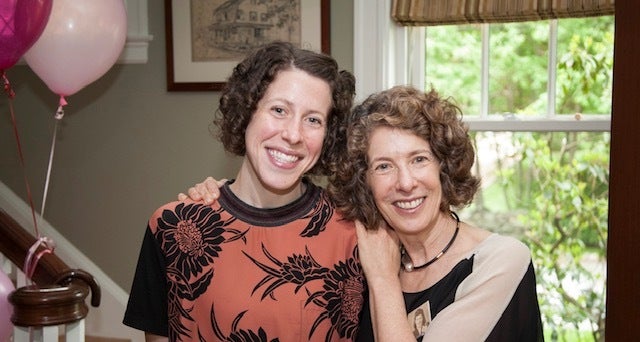
The author (right) with her daughter Alex at a family party.

Photo Courtesy Of Nancy Sommers

The author (right) with her daughter Alex at a family party.

But placeholders such as “there are no words” close off conversations when they most need to begin, forcing a parent who has lost so much to find words to comfort the speaker. Bereaved parents need their friends and families to be safekeepers, using specific words to describe our beautiful children, reminding us that our children live on in their memories.

I needed words of comfort to bring her back – stories about her light and love, her acts of kindness and courage. I needed to hear people say her name – Alex – and surround me with words of love.

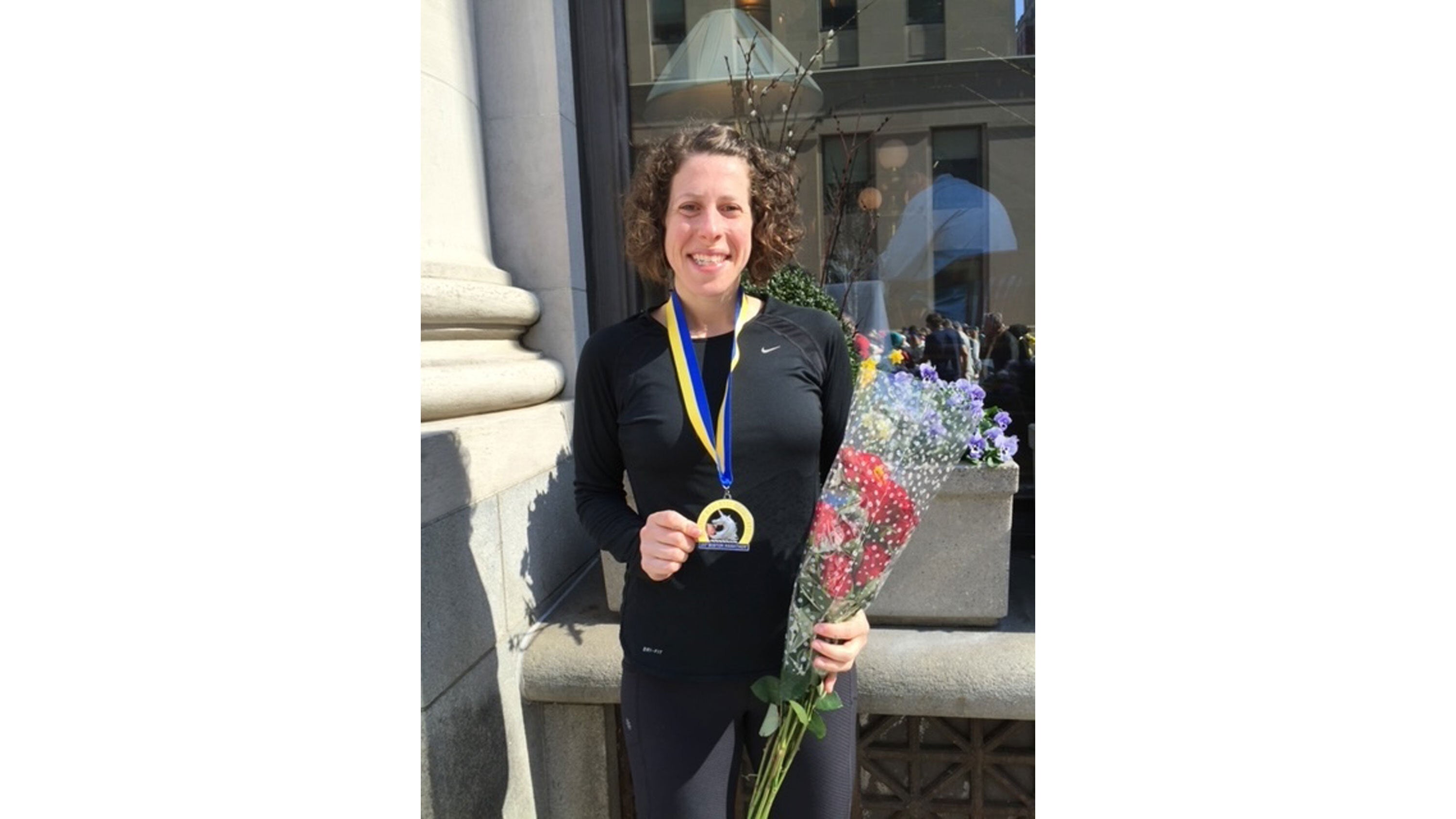
Here’s what I want to say to everyone: be brave. There are no perfect words to comfort the bereaved, no comfortable words for something so uncomfortable. You can’t fix my loss, but you can hold in your hearts everything about Alex that made her specific and human – her love for birthdays and balloons, pandas and popsicles, dresses with pockets, Japanese art and fashion design, running marathons and then ultramarathons, making everything look so easy.

You can reminisce joyfully about photos of Alex at the finish line of her 100-mile runs, beaming with a thumbs-up, or about the ways in which she celebrated life’s small pleasures and brought family along for the celebration. Her beautiful curls and welcoming smile that felt like a hug, or the big-hearted gifts she gave – she was a spectacular gift-giver.

Or her love for s’mores and ice cream cake, sushi and dumplings, for growing dahlias and daisies, for the multitudes she contained. These loving, specific words capture the light Alex carried, the vividness with which she lived her life.

When someone says, “There are no words,” I hear “That’s all there is to say,” and when they say, “Your loss is unimaginable,” I hear “I will not try to imagine your loss.” These expressions allow speakers to retreat, staying emotionally adjacent to the bereaved parent’s loss, leaving us isolated, sealed off, deprived of moments of true connection.

When friends and family tell an Alex story or ask for one, they open the uncomfortable spaces in language and let my daughter live on in words.

Bereaved parents live with the geography of our grief, becoming familiar with its peaks and valleys, its edges. Our grief doesn’t disappear; its tail is long. No worries if you didn’t bring the casserole or cannoli; there is plenty of time to offer comfort to a bereaved parent and honour a child’s memory.

I am grateful to the many friends who continue to lift up Alex’s name and carry grief with me – like the neighbour who cooked Alex’s favourite dumplings each month for an entire year, leaving them on our front porch with a simple one-word note reading “love”. For the friends who plant dahlias to honour Alex, or wear dresses with pockets remembering her, and the friends who are listening presences, lingering in the backyard to talk about Alex.

And I am always grateful to the wonderful friends and family who put April 2, Alex’s birthday, and July 15, the day she died, on their calendars, knowing these are both rough days for me and important days to honour Alex’s memory.

A Jewish proverb reminds us of why we need to try to fill the empty spaces in language: “One dies twice – the first time when a body stops breathing; the second time when a name is no longer spoken.”

To a bereaved parent, silence feels like forgetting. Whenever someone speaks the name of my beloved child and asks about her, her life story is kept alive.

If you know a bereaved parent, reach out with loving words and gestures, show up and help carry their grief – and do it again. And again. Become safekeepers of memory – tell a story; ask for a story. Help a bereaved parent find the spaces where their beloved child continues to live.

There are always words.

Do you have a compelling personal story you’d like to see published on HuffPost? Find out what we’re looking for here and send us a pitch at pitch@huffpost.com.

Help and support:

  • Mind, open Monday to Friday, 9am-6pm on 0300 123 3393.
  • Samaritans offers a listening service which is open 24 hours a day, on 116 123 (UK and ROI – this number is FREE to call and will not appear on your phone bill).
  • CALM (the Campaign Against Living Miserably) offer a helpline open 5pm-midnight, 365 days a year, on 0800 58 58 58, and a webchat service.
  • The Mix is a free support service for people under 25. Call 0808 808 4994 or email help@themix.org.uk
  • Rethink Mental Illness offers practical help through its advice line which can be reached on 0808 801 0525 (Monday to Friday 10am-4pm). More info can be found on rethink.org.
Share Button

Wall Planks May Be The Best Exercise For Blood Pressure

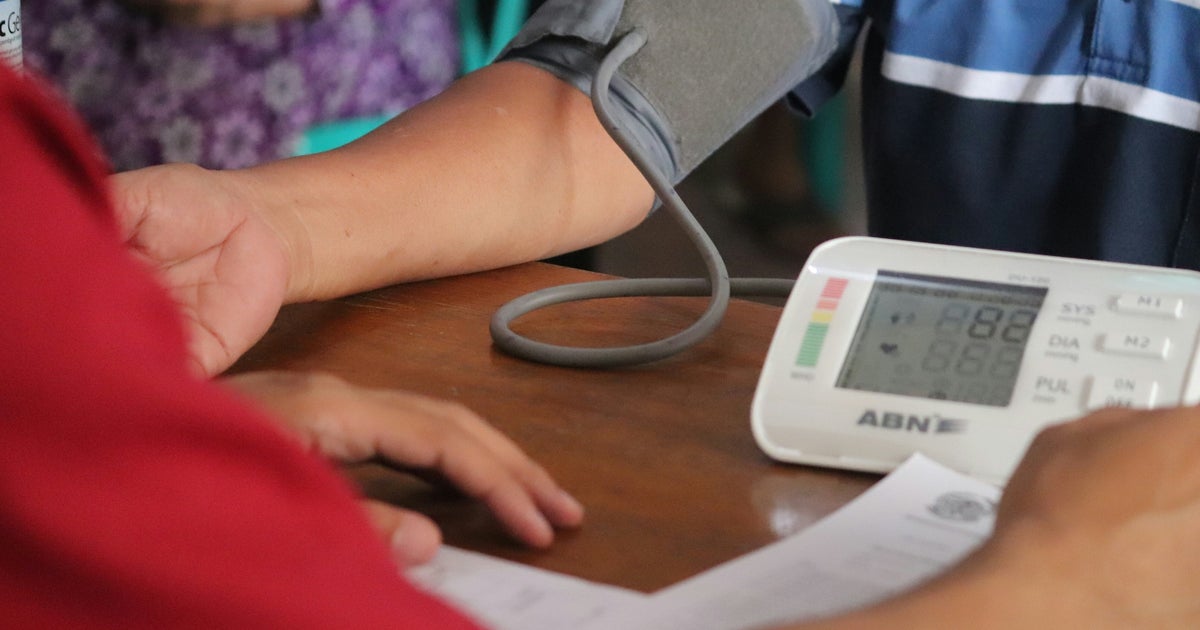
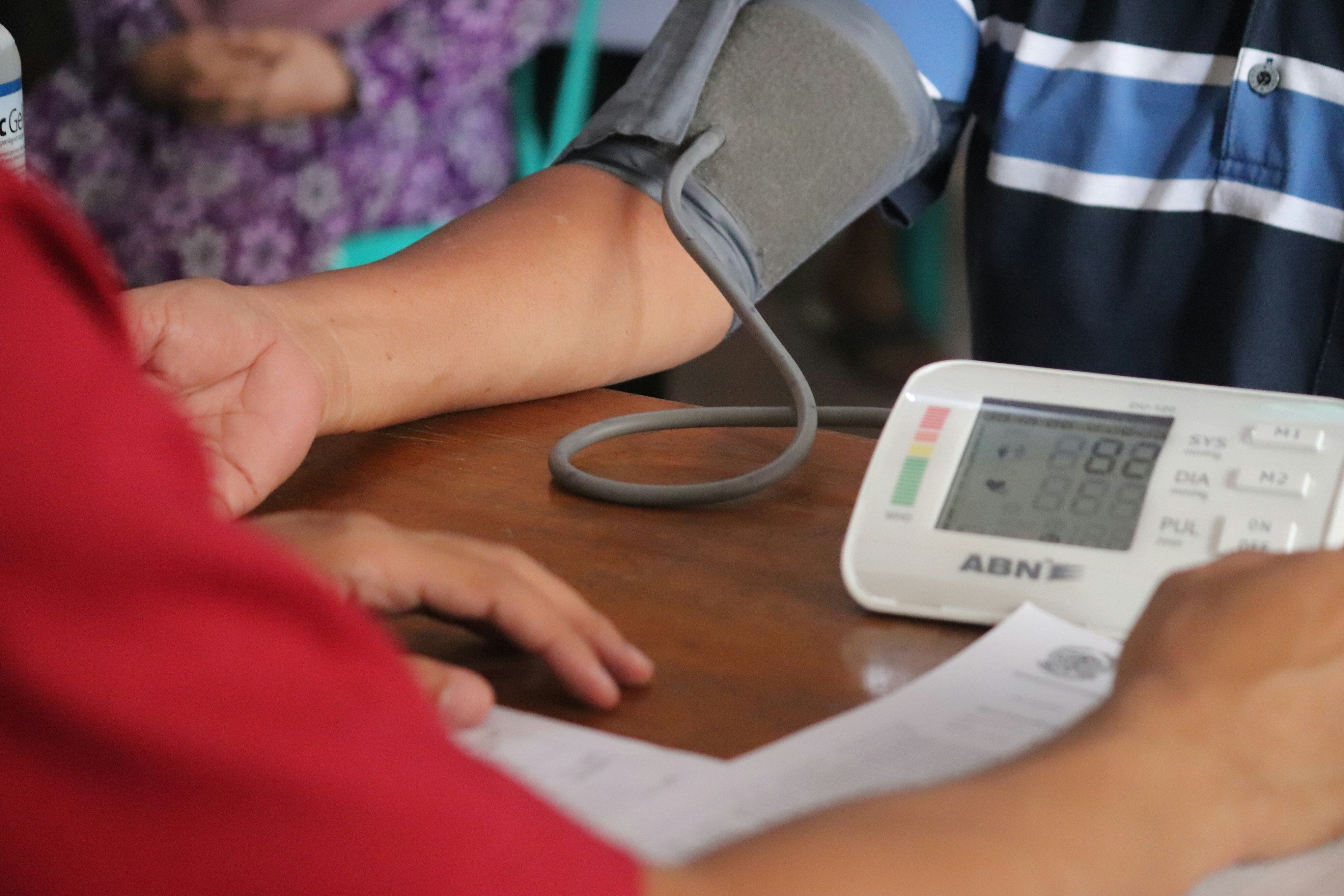
Regular exercise can help to manage blood pressure, because it makes our hearts stronger.

But according to a huge 2023 study, which looked at 270 trials from 1990-2023, “isometric” exercises might be the most effective at the job, with “wall sits” the best performer among these.

Researchers found that isometric exercise was more likely, on average, to lower blood pressure than aerobic exercise training, dynamic resistance training, combined training, and high-intensity interval training, though all forms were still immensely helpful.

What is isometric exercise?

It involves keeping your body still while you tense specific muscles for a set period of time. You don’t move your joints during the movement.

“Isometric exercise” is sometimes called “static” exercise.

It is the opposite of “dynamic,” or “isotonic” exercise, which involves little load and consistent pressure on various muscles. For example, running and swimming.

Most forms of exercise involve a combination of isometric and isotonic exercise, though some are 100% one or the other.

What are some examples of isometric exercises?

These include:

  • Wall sits
  • Planks
  • Glute bridges
  • Side planks
  • V-holds
  • Calf raises
  • Hollow holds
  • Copenhagen planks.

In the 2023 study we mentioned earlier, published in the BMJ, wall sits (placing your back against a wall with your thighs parallel to the ground) were the most effective of the isometric exercises for lowering blood pressure.

Does that mean I should only do isometric exercises?

The best approach to exercise seems to be a mixture of weight training and aerobic training. This has been linked to increased longevity compared to sticking to one or the other.

Speaking to the British Heart Foundation, senior cardiac nurse, Joanne Whitmore, said: “Exercise is good for your heart health and health in general. It can reduce the risk of heart and circulatory diseases by up to a third.

“Aerobic exercise in particular can help the heart and circulatory system work better through lowering blood pressure. Current guidelines also encourage muscle-strengthening exercises, like yoga or Pilates.

“It’s encouraging to see other forms of exercise explored in this research as we know that those who take on exercise they enjoy, tend to carry on for longer, which is key in maintaining lower blood pressure.

“However, there are other lifestyle choices that can benefit your blood pressure. These include keeping to a healthy weight, eating a balanced diet, cutting down on salt, not drinking too much alcohol and taking any prescribed medication”.

Speak to your doctor if you have a heart condition and want to take up new exercise, she added.

Share Button