Since 1964, these screenings have been done through smear tests in the UK, in which a “soft brush” is inserted into a person’s cervix to collect cells.
Advertisement
But one in three eligible women don’t take up invitations for “smear” tests, the NHS said.
The health service’s national clinical director for women’s health, Sue Mann, said: “There are lots of reasons that may stop women from getting their cervical screening – embarrassment, lack of time, or worries about discomfort.”
So, they have started to roll out a new “life-saving” at-home kit for millions of women.
Here’s all you need to know:
What is the new NHS at-home HPV test?
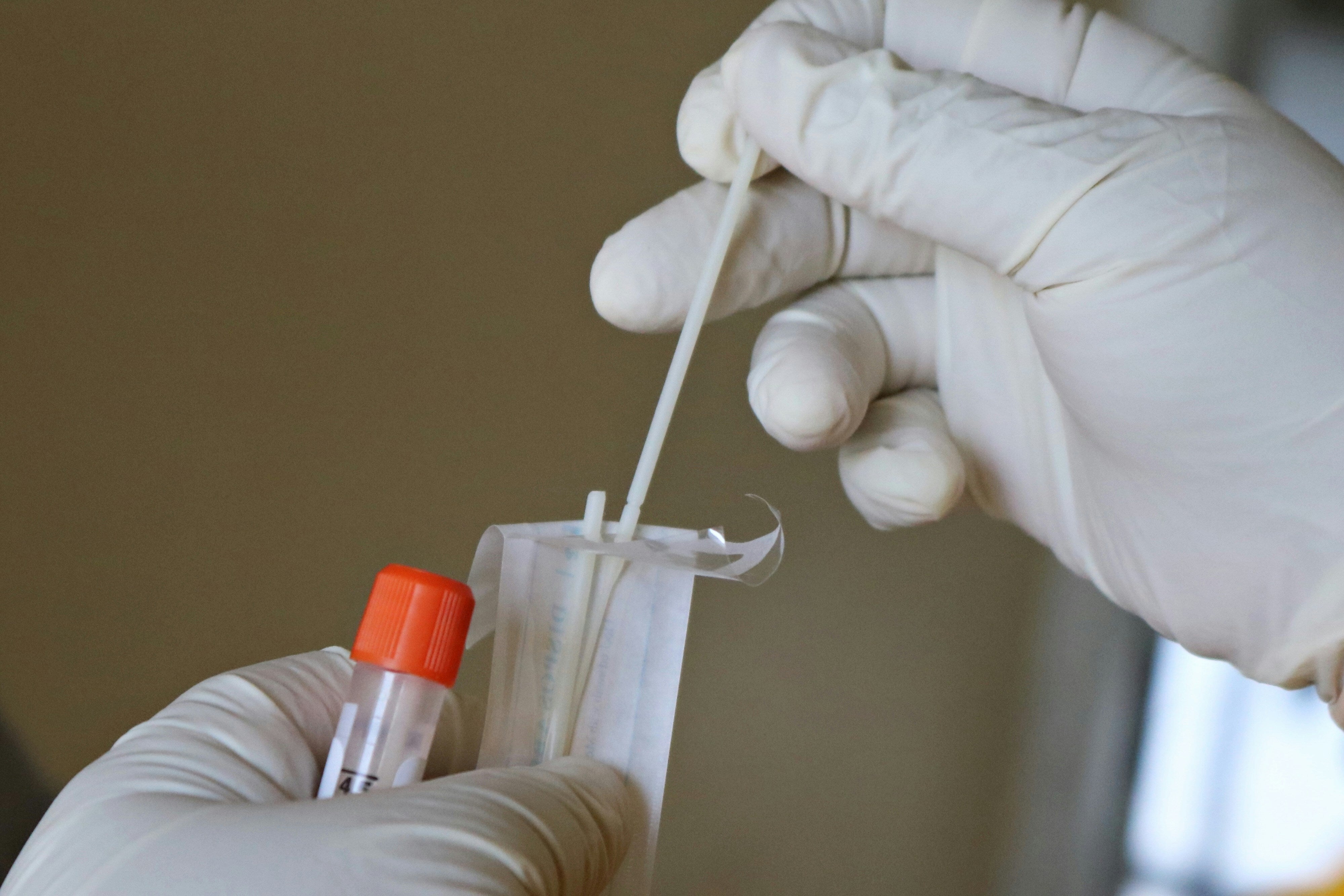
It contains a long cotton swab, which is used to collect a sample from a person’s vagina. This is then sent back to the NHS for free, where experts will look for the presence of high-risk human papillomavirus (HPV).
If high-risk HPV is detected, the patient will be asked to visit their GP for a cervical screening. This process will gather cells to check for abnormal growth.
The NHS said that in-person screens are still the best way to detect cervical cancer (these appointments check for HPV, but also include cell samples).
However, given that “millions” of women miss their appointments, Mann said: “Offering… an alternative test they can do from the comfort of their own homes will be a gamechanger – making it easier than ever for them to get tested for HPV.”
Advertisement
Who’s eligible for the NHS at-home HPV tests?
The program is invitation-only and is being rolled out at different rates across the UK.
It’s currently for women aged 30-65 who’ve missed their last cervical screening. Women are usually asked to have a cervical screening every five years starting from 24, with more frequent appointments usually scheduled if they have HPV.
“If you’re invited to take part, please order a test – it’s a simple swab you can do at home in minutes,” Mann beseeched women.
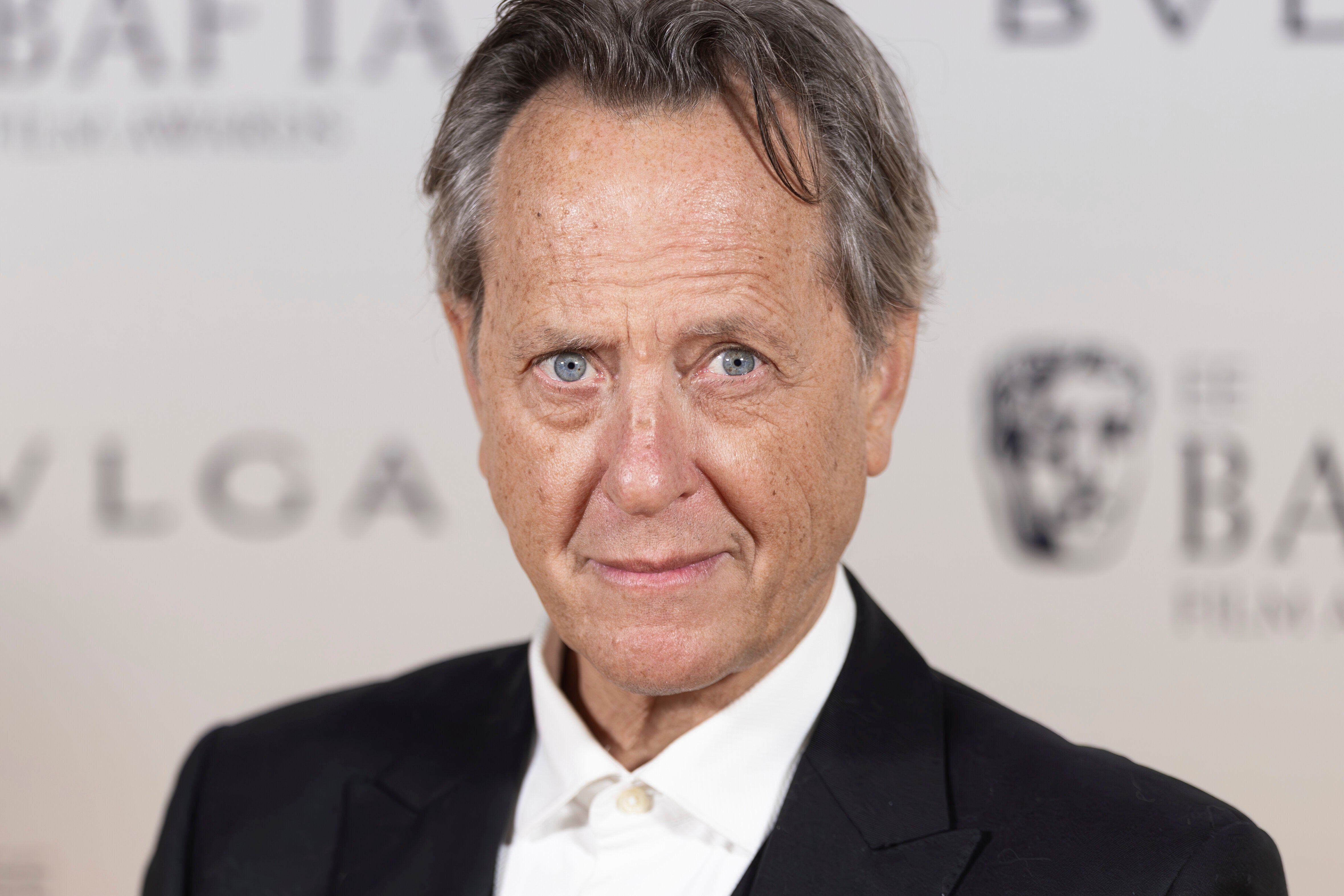
Speaking to The Times recently, actor Richard E. Grant – who lost his wife of 35 years, voice coach Joan Washington, in 2021 – said the experience led him to cut certain friends out of his life for good.
“There are people that have been edited out of my life, and I will never see them again,” he shared, speaking about friends who became distant after his wife’s death. “If I had done that to them, I wouldn’t be able to look them in the face.”
Advertisement
I’ve heard a similar sentiment from many bereaved loved ones (I’ve been blindsided by it, too). Something tragic happens, and just when you need support the most, people you’d have thought were closest to you appear to fade away.
Or maybe you feel you can never “connect” the same with your old pals after such a life-changing event (another common issue friends have shared).
What’s happening here? HuffPost UK spoke to BACP-registered therapist Laurie Hole about why friendships so often fall apart after a death.
Advertisement
Why do so many friendships break apart after a death?
Hole said that while death is universal, the topic of grief remains incredibly taboo for many.
“We are generally very under-equipped to understand grief or know how to support somebody through it,” she explained.
“Until you experience a significant loss, it can be almost impossible to comprehend the enormity of it – and even the grieving person themselves may struggle to make sense of what they are experiencing.”
That might mean those suffering a terrible loss feel the responsibility to explain their feelings or the nature of their pain when they might be least equipped to do so.
Advertisement
Therefore, the griever might isolate themselves first: “Sometimes withdrawing from friendships becomes a way of protecting already very limited emotional reserves”.
Other times, the therapist added, “Another person’s loss can bring up [friends’] own unacknowledged or unresolved grief, or confront them with feelings about death and mortality that they would rather avoid. They may have their own life challenges that mean they simply don’t have the capacity they ordinarily would.”
She said this isn’t always intentional, though it still stings.
“And sometimes people genuinely believe they are saying or doing something helpful, but it lands painfully. Good intentions don’t necessarily prevent hurt, particularly when we have so few conversations about what grief actually looks and feels like.”
Advertisement
How can I be a better friend to a grieving person?
Given how little grief and death are talked about, Hole shared some guidelines that can help you if your friend is going through it.
These are:
Ban the phrase “at least”. The therapist said we should avoid sentences like “’At least they lived a long life’, ‘at least they’re no longer suffering’, ‘at least you had the time you did’ – however well-intentioned, trying to find a positive in somebody’s loss can feel incredibly devastating to the person hearing it”.
Forget about timelines. When someone loses a loved one, Hole said, don’t try to give them a schedule for getting over the pain or “accepting” their loss. “Instead of asking whether they have accepted or moved on from the death yet, you could ask, ‘How is grief showing up for you right now?’ Be curious about their experience rather than assuming what it should look like,” she advised.
Read up. You might not be able to imagine your friend’s pain, but it can help to “read memoirs and accounts of grief rather than expecting your friend to teach you everything – while remembering that nobody else’s grief will be exactly like theirs”.
Don’t forget big dates. Check in on “the dates that matter: the anniversary of the death, birthdays and other significant occasions. And if you knew the person who died, share your memories,” the expert advised.
Say their loved one’s name. “People sometimes worry that mentioning somebody who has died will remind the grieving person of their loss, but they haven’t forgotten,” stated Hole. “Hearing their loved one’s name can instead be a reminder that this person mattered to other people too.”
When should I give up on a friendship that’s suffering after a death?
Sadly, Hole said, “Friendships don’t necessarily have to last a lifetime, and losing friendships following bereavement can itself become another loss that has to be processed. The death of someone you love is already a profound loss; discovering that some of your friendships cannot survive your grief can become another loss that has to be grieved”.
There’s no right or wrong answer when it comes to breaking a friend off, she continued. “Repair might involve acknowledging what happened, listening without becoming defensive, and taking responsibility for the impact – even when causing hurt was never the intention.
Advertisement
“But if somebody who is grieving has explicitly communicated what they need or set boundaries and a friend continually ignores or dismisses those needs, it is reasonable to consider whether that friendship can support them at this point in their life. Sometimes that means temporarily stepping back; sometimes it means allowing the relationship to end.”
Sometimes, the therapist shared, grief can expose existing problems that were easier to hide before a death. And bereavement can make someone who used to put up with a lot more bad behaviour less forbearing, too.
“If maintaining a friendship is repeatedly causing more hurt, it may be worth asking whether that person can still have a place in your life in the same way they did before.”
For five decades, psychologists Dr John Gottman and Dr Julie Schwartz Gottman of the Gottman Institute (GI) have studied couples and the issues that affect them.
This experience led them to develop their “four horsemen” theory of divorce, which found evidence to suggest that criticism, contempt, defensiveness, and stonewalling usually precede separation.
Advertisement
Their research also showed that couples’ problems tended to split into three groups: solvable problems and perpetual problems.
Working out which one you and your partner are arguing about, the GI says, can help you identify the kinds of resolution you need.
What are solvable problems?
Solvable problems come about due to situational issues that don’t feel integral to a person’s character. That might mean one person is taking on the lion’s share of the housework, or you might disagree on a specific issue with your child.
Advertisement
GI notes that solvable problems in one couple might be perpetual problems (more on those later) for another. But the difference is in how the pair feels about it: “The conflict is simply about that topic, and there may not be a deeper meaning behind each partner’s position”.
Happily, solvable problems can usually be, well, solved through conversation and careful planning.
Maybe you can assign certain household domains to one another, for instance, or agree to compromise on where to spend Christmas.
Advertisement
What are perpetual problems?
These make up most (69%) of the arguments, the psychologists found.
Perpetual problems are ongoing differences or misalignments that are fundamental to you or your partner’s needs or lifestyles. For instance, maybe your beau values the financial benefits that can come with working hard over a fulfilling work-life balance.
So, you two might keep having what seems like the same argument about late nights and missed dinners.
Because they reflect core parts of each member in the relationship, perpetual problems will recur. If you like to see your family twice a week and they need more “me” time, compromise might leave both parties feeling like they’re denying a big part of themselves pretty regularly.
Advertisement
In this case, the goal should be to “establish a dialogue about the perpetual problem that communicates acceptance of your partner with humour, affection, and even amusement”.
Identify the drive, identity, belief, or “dream” behind each of your behaviours: this can make discussing the problem easier. Ask your partner to do the same, and try to get curious about their feelings instead of trying to “solve” the issue: this can create a healthier dialogue.
This will be an ongoing conversation, so try to get good at – and respectful in – having it.
I know these things aren’t objective, but come on – autumn has to be the best season, right? There are the crunchy ruby leaves, the cosy evenings in and, if you’re a gardener, a welcome glut of well-earned fruit and veg.
Apples, beetroots, carrots, potatoes and plenty more are at their delicious best once the season starts. But if you’re not “bletting”, you might be missing out on some of the UK’s more forgotten ancient fruits (including those that thrive in the quieter winter months).
Advertisement
Take medlars, for instance, best harvested in November. Cambridge’s Pembroke College, which boasts its own medlar tree, said the fruit “once held a place in English medieval culinary traditions on account of [its] warmly sweet flavour described as something between spiced apples and dates”.
But they require an extra step to be palatable that can make other less-loved fruits, like rosehips, more delicious too: bletting.
What is bletting?
The term was made up by 18th-century botanist John Lindley in 1848.
Speaking to HuffPost UK, Guy Barter, Chief Horticulturalist at the Royal Horticultural Society (RHS), said bletting “is an extreme form of ripeness on the cusp of decay, some say slightly decayed, so medlar fruit goes soft and slightly fragrant, becoming palatable – acquired taste is the usual term”.
Advertisement
Bletting usually involves leaving picked fruit in appropriate storage for a couple of weeks on paper, hay or wood-lined trays, without touching. These should be well-ventilated and placed in a cool, dark environment like a garage.
Before this process, fruits like medlars and chequers (more on those later) are hard and tart or flavourless.
We don’t need to apply the process to most fruits, however, because the majority “have a longer ripening process where the starch and acids in the fruit turn into sugars and aromatic compounds and are pleasant to eat, becoming rather woolly and insipid when overripe”.
Advertisement
Pembroke College and the RHS, meanwhile, point out that we should wait ’til the after the first frost to eat foods like medlars.
“The first freeze and thaw breaks down the cell walls in the fruits and initiates a process of controlled rotting that turns the medlar flesh into something stickily sweet and delicately perfumed,” the college’s site reads.
Amy Glover / HuffPost UK
Medlars
Advertisement
Which fruit should you blet?
Well, there are medlars, obviously. And chequers, a rarely eaten berry from a native species related to mountain ash (the wild service tree), “is eaten fully ripe and might be considered to be bletted,” Barter added.
The expert also said that while hawthorn berries aren’t especially appetising, “they blet well enough, usually being left on the tree with birds and children eating them”.
And even though most supermarket persimmons are sold ripe, “some need to be bletted to be palatable”.
Additionally, berries like sloes “do lose some of their astringency when older and ideally frosted – this is not usually called bletting and probably related to ice crystal formation – the freezer offers a shortcut. The same goes for certain ornamental or wild pears and apples”.
Advertisement
Even “rosehips are at their best when very ripe,” Barter concluded.
We’re at a dimly lit restaurant, the kind 30-somethings swap for the clubs of their 20. Across from me and my husband, Greg, sit potential new friends we met in the hallway at our son’s daycare.
After enough stop-and-chats at pickup, we figured it was time – dinner on a balmy Saturday night in the thick of a hot Chicago summer.
We’re halfway through appetisers when the other wife asks, “So, how did you two meet?”
It’s a classic first-date-with-potential-friends question. Poor thing, she has no idea what she’s stepped into.
Advertisement
For most people, the “how we met” story is a gift, one of a couple’s greatest hits, perfect fodder for an evening with new friends. But Greg and I have a different kind of story. That’s why he nudges me under the table, our code to tell the simple version. To be fair, he thinks he looks worse in the story than I do. I disagree. But I’ll let you be the judge.
“Oh, we met through a mutual friend,” I say.
It’s true. Technically.
Adam was our mutual friend. It’s just not the whole truth.
The wife isn’t buying it. She tilts her head, eyes narrowing as she glances at her husband.
“Really?” she says. “You look like you have a story.”
Those looks are anxiety and hesitation. She’s not wrong. We do have a story.
Greg shoots me a tight, uneasy smile.
Here’s the thing: I don’t think either of us comes off looking bad. It’s just that telling it feels a lot like getting naked in front of someone you just met. And while I’m weirdly used to that feeling – metaphorically, I mean – Greg is not.
I’ve lost a lot of people for someone my age. After a while, vulnerability becomes muscle memory. I’m basically an emotional nudist at this point.
Advertisement
More than anything, I feel like we owe the story to Adam – like his legacy demands it. Otherwise, the parts of him that remain – his stories and the love he left behind – they evaporate. And he’s already so gone. The least we can do is keep his thread alive in how we met. Greg knows that, which is why he lets me begin.
“I knew it,” the wife says, excited now. “Come on, tell us the real story. We can handle it.”
“
Adam was our mutual friend. It’s just not the whole truth.
Here’s another thing: the more someone insists they can handle something, the less they actually can. That’s not confidence. It’s anxiety pretending to be confidence. I know this because my anxiety does this all the time.
Advertisement
“Can you?” Greg asks, half-joking. Even her insistence tells me she probably can’t. But I’m already halfway in, so I begin.
“I used to date Greg’s best friend, Adam.”
Her smile falters.
“Oh my God, what a scandal,” she says, trying to play it light.
And this is the part where she’s absolutely going to feel like an asshole.
“Well… not exactly. Adam died. He had an undetected heart condition,” I say. “We started dating after he passed.”
The wife looks like she might throw up.
The husband mutters, “Oh my God.”
I don’t blame them. It’s a lot. Most people aren’t prepared for this plot twist with their burrata.
“It’s OK,” I say, gently.
Greg adds, “It’d be a normal story if we were in a nursing home.”
“Yeah,” I say. “Very on-brand for your 70s. Less so at 26.”
Courtesy of Nicole Garelick
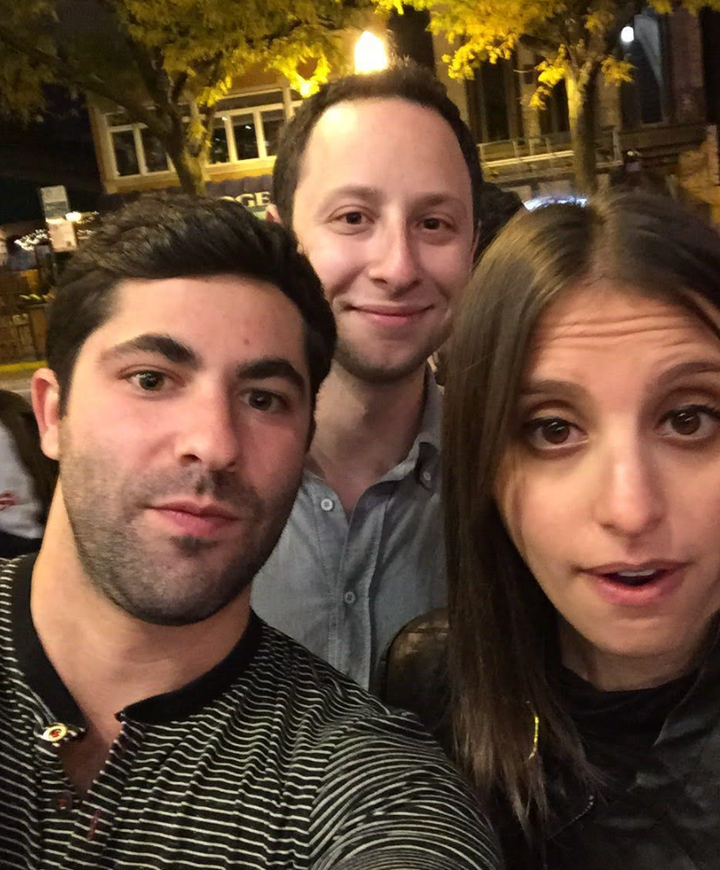
The author, Greg (left) and Adam out to dinner in 2015.
Advertisement
The full backstory is that I first met Greg on Halloween 2013, though I wasn’t looking for him. I was on a street corner in Chicago dressed as Aziz Ansari, already tipsy, already confused. I’d been Instagram-stalking Greg’s best friend, Adam, who had piqued my interest. We had mutual friends from college, and he was always photographed with a cup of coffee and a far-off look, like he knew something the rest of us didn’t.
Greg showed up in a lot of Adam’s posts, so when I ran into him that night, the first thing I said was, “Hey, where’s Adam?” Greg, having never met me, let alone me dressed as Aziz Ansari, responded with something like, “Who and what are you?” I introduced myself. He drunkenly wandered away.
I didn’t end up finding Adam that night, but we connected not long after. We started texting, then emailing, and eventually we started dating about three months later. We were together for three and a half years.
Advertisement
Greg was a fixture in our world – wild, entrepreneurial, energy abounding. Adam loved him, so I did too. Over the years, we double-dated plenty, and I watched Greg move in and out of relationships.
A few months before Adam died, Greg moved abroad to start a travel company. He had flown back for a friend’s wedding, which we were all attending together. That same week, Adam had a health scare, something like a seizure, but the doctors couldn’t explain it. That’s the thing about being young and seemingly healthy. No one checks your heart.
The afternoon before the ceremony, Greg and I had some alone time while Adam was visiting a friend. I told him how worried I was about Adam. He reassured me that Adam was probably fine, because most 27-year-olds are.
Advertisement
I have only two photos from that weekend. One is a picture Adam took of me on the phone. The other is one he took of Greg and me holding hands. Adam had made us pose together. It made him laugh to think of us as a couple.
Courtesy of Nicole Garelick
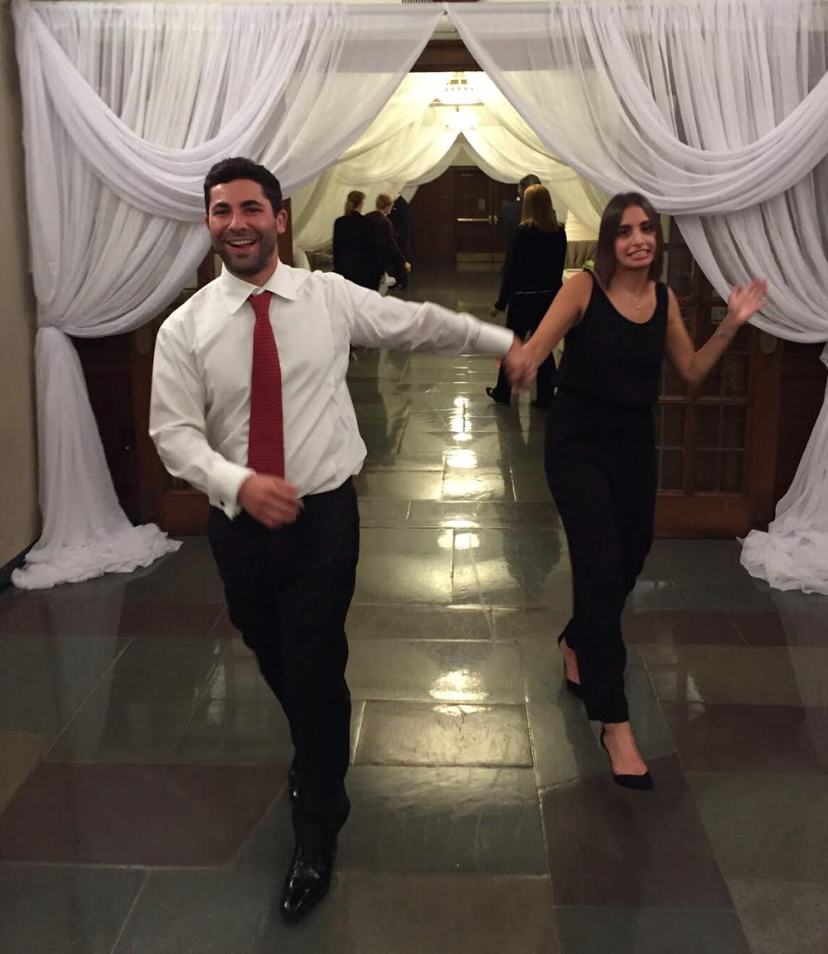
The author and Greg at a friend’s wedding in 2015.
Two months later, Adam died.
Greg flew in for the funeral, along with every other person who had ever known or even brushed past Adam. Greg stood by my side the entire time. I think this is probably the part where Greg thinks he looks bad, like it was his plan all along, or he was trying to be, as Bette Midler sang, The Wind Beneath My Wings. But it wasn’t like that. Nothing felt premeditated; it was natural.
Advertisement
He was there when my knees gave way at the burial, putting a hand on my shoulder. At the shiva, as well-meaning mourners swarmed, Greg graciously offered me a Xanax (which I desperately needed). Later, once the dust had somewhat settled, he suggested I might need to get away.
I was in grad school at the time, training to become a therapist, arguably the worst possible setting for a loss. Greg invited me to visit him and another friend in Buenos Aires over spring break. With nothing tethering me to the present, I said yes. That trip became the only thing I looked forward to. In the months before I left, I grieved, unravelling a life I’d built with Adam and still reeling from losing my mom a few years earlier. I was drowning.
Greg called me every day. He made sure I was eating, drinking water and going to class. His voice kept me afloat. But if you’d asked me then, I’d have said, “He’s like a brother to me.” (Side note: If you ever describe someone as “like a brother,” there’s a good chance you’re going to sleep with them. That’s the plot of every romantic movie, but I was too far gone to recognise it.)
Advertisement
When spring break finally came, I found out our other friend couldn’t make it right away. It would just be Greg and me for a few days. That’s when I got nervous. But I got on the plane anyway.
I landed in Buenos Aires around 10pm, barely breathing. When I got to Greg’s apartment, I found him waiting on the corner of his quiet street in the darkness of the Argentine fall. After a quick shower, he took me to a loud bar. We were both awkward, so to quell the awkwardness, we each ordered two drinks. We talked about Adam. About travelling. About everything. My grief loosened its grip just a little.
Later, back at his apartment, we both cried. At some point, I started eating rice cakes, and then I remember getting my computer to put on some music.
Advertisement
Neither of us remembers who made the first move, but I’m pretty sure it was Greg. And that’s how we started dating.
The couple across from us sits in stunned silence. Greg clears his throat and asks, “So… how did you two meet?” They answer, in unison, “Hinge.”
I smile faintly. There’s something I feel in that moment that isn’t exactly jealousy, but it’s close – an awareness of the simplicity of their story. A clean beginning, uncomplicated by loss. A simple story for a party that doesn’t cause any eyebrows to raise or mouths to go agape or leave you feeling like you’re in the emotional nude.
Advertisement
Greg and I don’t have that story. We crashed into each other in the wreckage of something devastating and built something out of the rubble. Our path wasn’t perfect. People were hurt. There were complicated feelings about us being together, and it was absolutely not love at first sight. It took grief, time, Buenos Aires, and a man who called me every day just to make sure I was still getting out of bed every morning.
In the 10 years since, I’ve come to understand that the messiness is what makes our relationship work. There’s a rare honesty between us – an authenticity that comes from having met each other at our most undone.
When you fall in love in the rubble, you don’t get to perform the beginning; you just have to be yourself. There was never any doubt that Greg could support me at my worst; after all, we started there. And the willingness to tell the real version of how we fell for each other is its own kind of love story for Adam, and I want us to tell it because we’ll always be indebted to our dear mutual friend.
Advertisement
Nicole Garelick is a San Francisco-based writer and creator of The Performance Plan, a Substack newsletter about the comedy of getting life wrong. Her writing has appeared in Hey Alma, Spread the Jelly, and Katie Couric Media. She lives with her husband and two young kids, who give her a lot of material. She is represented by Jennifer Simpson at CAA.
If someone called you “awful” today, you’d probably be offended. But travel back a few hundred years and that same word would have been high praise.
Awful has one of the more dramatic reversals in the English language. It began as something genuinely admiring and ended up as something quite negative in everyday use.
Advertisement
“The word ‘awful’ traces back to the Old English root ege, meaning dread, reverence or profound respect,” Sophie Vignoles, a linguist and head of learning content at the language learning app Babbel, told HuffPost. “That origin shows in its early use. It originally meant something that filled you with awe, describing anything that inspired wonder or terror, often tied to the power of God or nature, and it was a compliment. A mountain range or a storm could be called awful, and that was high praise.”
The word awful goes back to Old English, with experts pointing to a ninth-century citation attributed to Alfred the Great. The Oxford English Dictionary has many examples of “awful” in texts from the subsequent centuries – generally meaning things like “inspiring respect, mixed with wonder or reverential fear.”
Basically, awful was the sort of word people reached for when ordinary language failed to describe things so powerful, majestic and grand that they inspired deep reverence – like the divine.
Advertisement
So, how did it evolve to mean something simply negative?
“The shift happened gradually through the 19th century,” Vignoles said. “Awe itself is a mixed emotion. It carries wonder but also fear and sometimes a sense of insignificance, and over time, English speakers leaned into the fearful side rather than the reverent one. Awful stopped meaning inspiring and started meaning overwhelming in a bad way.”
bgblue via Getty Images
“Awful” was a much more complex word than its modern “very bad” definition would suggest.
For a long time, awful captured the complexity of awe and its connection to the sacred and sublime. But language tends to simplify over time, and people gradually started emphasising the dread over the wonder. Eventually “awful” became a weaker, more casual word.
Advertisement
The slide was gradual enough that it drew complaints along the way. Welsh writer Hester Lynch Piozzi asserted in 1794 that the word should “be used with caution and a due sense of its importance”.
“I have heard even well-bred ladies now and then attribute that term too lightly in their common conversation, connecting it with substances beneath its dignity,” she wrote.
Over the next century, the word came into its more modern meaning of unpleasant, not desirable or just very bad.
Advertisement
This kind of drift where a word sheds one meaning and picks up another is known as semantic shift, and it’s one of the most reliable patterns in the history of any language. Just as “nice” shifted from something negative to something positive, awful also completely reversed course – but in the opposite direction of positive to negative.
Thus, a word that once described the sublime now describes the merely terrible. Awful’s close cousin “awesome” makes the reversal even more striking.
Interestingly, the word awful actually predates awesome by centuries, though the two had similar meanings for a stretch. As both words weakened in meaning over time, awesome shifted to a more positive connotation of “good” or “cool” while awful came to mean “very bad.”
Advertisement
“Awesome comes from the exact same root but took the opposite path, which shows how unpredictable this kind of drift can be,” Vignoles noted.
The awful/awesome split isn’t even unique within English. “Terrific” and “terrible” come from the same Latin root and once shared the same basic meaning: inspiring terror or dread. Today, terrible has kept that negative sense while terrific has traveled so far in the opposite direction that it’s essentially a synonym for wonderful. Thus we have another pair of sibling words that started in the same place and ended up miles apart.
“It shows that meaning is never fixed. It is negotiated by whoever is using the word at the time,” Vignoles said, pointing to Babbel’s research on the way American English has evolved in honor of the United States’ 250th anniversary this year.
Advertisement
“Awful is a useful reminder that English often trades one meaning for another,” she added. “This kind of reversal is not unique to English either. In Russian, the word grozny once carried a sense of majesty and awe-inspiring power. Ivan Grozny, usually translated into English as Ivan the Terrible, was not originally meant as a purely negative title. Over time, the word narrowed toward its harsher, more fearsome sense, much like awful did in English.”
So, the next time something is so bad it’s almost impressive, you should feel comfortable calling it awful, in keeping with the word’s original meaning. But if you find something so good it inspires awe, you should probably opt for a different word so as not to offend.
Let’s say you go to your doctor with a documented, ongoing case of psoriasis. You might complain of itchy and flaky skin.
To your surprise, though, your GP tells you these symptoms are “normal”. You might feel dismissed or as if your problems can’t be addressed; maybe you’ll be less likely to seek treatment.
It said that, while doctors might hope to reassure patients by calling well-understood symptoms “normal,” data shows it could actually make people with health issues think nothing can be done about their problems.
That might mean they don’t look for or ask about solutions like medications, even when they may be both available and useful.
Professor On Amir, the study’s senior author, told Pulse Today: “Doctors shouldn’t stop reassuring patients. But they should make their meaning unmistakable”.
Advertisement
So, HuffPost UK spoke to Dr Dominic Greenyer, a GP and director at The Health Suite, about what “normal” means to a doctor.
Wait – doesn’t ‘normal’ mean everything’s fine?
I’ll be honest: I always thought being told an issue is “normal” by a doctor meant everything was OK, and nothing more could be done.
But sometimes, Dr Greenyer said, that’s a miscommunication.
“When a doctor describes a symptom as ‘normal’, they will often mean that it’s common, expected in a particular situation, or consistent with a certain stage of life. It does not necessarily mean the symptom is insignificant, imaginary or something the patient simply has to tolerate,” he said.
Advertisement
For instance, hot flushes are “normal” during menopause and perimenopause, and pain is “normal” after surgery. However, the GP said that doesn’t mean they need to be tolerated or that they can’t be addressed with appropriate medication.
“’Common’ and ‘untreatable’ are two very different things,” he added.
And, the doctor said, doctors might say lab results or exams that fall within an expected range are normal.
“In that context, it may reassure us that we have not found evidence of a particular disease, but it does not automatically explain why someone feels unwell or mean that no further help is available,” he claimed.
Advertisement
“This study highlights how easily well-intentioned reassurance can be misunderstood. A doctor may be trying to say, ‘This is recognised, and you are not alone’, while the patient hears, ‘There is nothing wrong, and nothing can be done’. Clinicians need to make that distinction explicit.”
Reassurance alone might not be enough
In the Nature study, the authors tested two ways to close that communication gap: asking doctors to explain what “normal” means in a medical sense when using the word, and offering some next steps to patients after normalising their symptoms.
Advertisement
Both appeared to lead to better results.
Dr Greenyer said: “Ideally, reassurance should be followed by a clear plan. That might involve discussing treatment options, explaining how long the symptom is expected to last, arranging follow-up or telling the patient what changes should prompt them to seek help again.”
And if that doesn’t happen, it might be worth your while taking the lead.
“Patients should not be afraid to ask, ‘When you say normal, do you mean it is harmless, or simply that it is common?’. They can also ask whether treatment is available and what they should do if the symptom persists, worsens, or begins affecting everyday life,” the GP concluded.
“Being told something is normal should never be interpreted as an instruction to ignore a significant change in your health. If symptoms are severe, persistent, worsening or accompanied by warning signs such as unexplained weight loss, unusual bleeding, a new lump, chest pain or breathing difficulties, further medical advice may still be needed.”
The signals suggesting the power of the coming phenomenon have been so strong that the UN issued an urgent climate warning over the issue. Prof McGuire told us: “The signs are that it could even be the biggest for a century and a half”.
Advertisement
Now, speaking to BBC Radio 4’s Today, Professor Adam Scaife, the head of long-range forecasting at the Met Office, agreed, saying it looks like the next El Niño will be “the largest since the 19th century”.
Why is this El Niño such a big deal?
“During a normal El Niño, the temperature of the equatorial Pacific Ocean typically reaches 0.5°C or more above normal,” Prof McGuire shared previously,
“If this figure reaches 1.5-2°C, the event is described as a super El Niño.”
On BBC Radio 4, Prof Scaife stated: “We’re expecting the biggest El Niño for over a century, peaking at something over 3°C. That is unheard of in modern climate records… It’s up 2°C already.”
Advertisement
We’ve only had five super El Niños in the last 75 years, with the most extreme being the 2015-16 event. The bigger the El Niño, the stronger its effects on the world’s weather systems.
That means we could see “particularly strong [impacts] throughout the tropics, where we expect really severe droughts in places like South America and the west Pacific”, Prof Scaife explained.
Though they are linked to an overall hotter climate, the effects of El Niños vary from place to place. In the UK, for instance, they can sometimes lead to colder winters.
Advertisement
Prof Scaife said: “There are wave-like disturbances that come out from the tropics and affect places like the UK. So we already see signals for increased rainfall and storminess in the autumn here in the UK around November time”.
After an emergency meeting last week, meanwhile, PM Andy Burnham also said: “We might be in for a wet autumn and winter straight after this, because of El Niño and some of the issues there, which was reported to Cobra”.
A documentary questioning whether attention deficit hyperactivity disorder (ADHD) is a genuine condition or a social construct has aired on Channel 4 – and it’s proven predictably divisive.
The show, titled The Great ADHD Myth?, has prompted a wave of responses online from doctors, charities and people with the disorder who are concerned it will contribute to stigma surrounding the condition.
Advertisement
A reactionary survey by the charity ADHD UK in the wake of the documentary revealed that (at the time of writing), of 1,566 people who watched the show, 92% believe it has increased stigma surrounding ADHD, while 93% do not believe the show was fair in its representation of the condition.
ADHD UK’s CEO and co-founder, Henry Shelford, told HuffPost UK: “We are shocked by this programme. The fact it got commissioned at all speaks to the stigma around ADHD – a stigma that is now likely to get worse because of this show.”
The charity had previously penned an open letter to Channel 4 urging it to make a series of changes to the documentary before its release, including a review of the title and for the broadcaster to “make clear on screen where contributors’ views sit relative to mainstream clinical consensus”.
Advertisement
What was Channel 4’s ADHD documentary about?
The documentary followed NHS psychiatrist and Daily Mail columnist, Dr Max Pemberton, as he spoke to medical experts who questioned the conventional narrative around ADHD.
One such expert, Dr Iona Heath, the former president of the Royal College of General Practitioners, said: “It’s certainly not a medical condition as far as I’m concerned.” Another child psychiatrist said: “In 100 years’ time people are going to wonder, ‘How could we be so gullible?’”
The show posed a number of questions including whether ADHD is a disorder or social construct, how it should be treated (including whether diet and lifestyle changes could help), whether medication is the right approach and who benefits from increasing diagnoses.
Advertisement
Dr Pemberton – who remains certain he doesn’t have ADHD – underwent a private assessment (costing £1,200) and was diagnosed with combined ADHD and a prescription for medication.
The documentary also followed a family who wanted to see whether holistic lifestyle changes could eliminate their 10-year-old son’s use of ADHD medication. The pills “take my fun-ness away”, he said, however the programme noted at the end he did go back on them.
ADHD UK’s survey found 80% of those surveyed said it wasn’t “responsible” for a broadcaster to film a 10-year-old stopping his ADHD medication for television.
Advertisement
In response, Channel 4 told HuffPost UK: “The welfare of the boy and his family were of paramount importance both before, during and after the production process. An independent doctor, his GP, and a health and safety company were consulted.
“Advice was also taken from three independent psychiatrists on the medication break. This programme was produced in compliance with the Ofcom Broadcasting Code.”
The Times’ review of the show called its arguments “convincing, or at least the start of a necessary discussion”, although they did note “there was no real counter-argument offered to the idea of ADHD as a ‘myth’”.
Advertisement
Meanwhile the Guardian said Dr Pemberton “answers his questions convincingly”, highlighting the remedies proposed at the end, such as changing diet, screen and activity levels first, adapting schools to children’s needs, and making medication the last resort “seem neither radical nor uncompassionate”.
Both publications gave the doc four stars.
The show sparked backlash from people with ADHD
The NHS says ADHD is a “complex neurodevelopmental disorder, which starts in childhood and often persists into adulthood” and “is associated with significant impairment”. It’s also recognised by the World Health Organisation (WHO) and the National Institute for Health and Care Excellence (NICE).
It is marked by a persistent pattern (at least six months) of inattention and/or hyperactivity-impulsivity that has a direct negative impact in more than one setting – ie. home, school, work – on academic, occupational, or social functioning.
Advertisement
Shelford, who has ADHD, said the latest Channel 4 documentary “is a travesty in its missed opportunity to help slay myths around ADHD; instead, it has added to them”.
He said ADHD “can be extraordinarily tough” and pointed to UCL-led research which showed UK adults with diagnosed ADHD have a shorter life expectancy. There was a reduction in life expectancy for men with diagnosed ADHD of between 4.5 and nine years, and between 6.5 and 11 years for women.
“Our failure to support people with ADHD should be a national scandal – instead we’re getting TV shows undermining the disorder,” he said.
Advertisement
“We have already complained to Ofcom and will be following up with a more detailed complaint.” The charity has also encouraged others to make complaints to the regulator.
“We are worried that this will cost lives by putting people in need off getting an ADHD assessment and from getting support,” added Shelford.
Others were quick to share their thoughts on the controversial documentary on social media after it aired.
Advertisement
Clinical psychologist Dr Emily Compton-Smith wrote on Instagram: “We should absolutely be able to discuss diagnosis, and where things could be improved.”
That said, she was “troubled” by “how one-sided the programme felt,” she continued, adding that “what felt missing … was the voice of the people actually living it”.
She also aired concerns that “many people will watch it and come away more sceptical of ADHD, while people with ADHD will once again be left feeling like they need to justify themselves”.
Advertisement
Adam Dance, the Liberal Democrat MP for Yeovil, who also has ADHD, shared a cross-party letter which he’d sent to Channel 4, saying he is “deeply concerned by the framing and language used to promote the documentary and by the potential consequences for people with ADHD and their families”.
I’ve led a cross-party letter from the APPG for ADHD on @Channel4‘s “The Great ADHD Myth?” As someone with ADHD & dyslexia, this matters to me. ADHD is a recognised neurodevelopmental disorder — Channel 4 must get the evidence right. Full letter: https://t.co/NPEiEJqjds
An extremely biased documentary, all the doctors & psychiatrists used clearly all share the same views. Also doing an experiment on one persons experience isn’t a very accurate experiment. Channel 4, do better and try living one day with ADHD, you’ll soon realise it’s not a myth https://t.co/1on043AF2G
Not this show essentially now telling people that if they make changes to their life they can change their brain and get rid of ADHD. What kind of dangerous and ABLEIST ‘journalism’ is this? @Channel4pic.twitter.com/3H4MB1LtG3
Meanwhile others praised the show as “fantastic” and “inspirational”.
I know many people will find this documentary difficult to stomach, especially if being ADHD is central to one’s identity. But there’s no evidence ADHD is rooted in biological dysfunction. It’s rather a phrase describing some behaviours. It’s not a thing👇https://t.co/y4UL4JgbiT
I actually think #TheGreatADHDMyth was inspirational. How have we allowed Big Pharma, careless GP’s, snake oil salesmen with their absurd tests/pacifying drugs to impact tens of thousands of children and adults with a ‘neuro developmental’ diagnosis/condition/label? I am not an…
One in five (20%) people who watched the show and responded to ADHD UK’s survey said the programme had caused them ‘severe’ distress, with 38% saying it caused ‘significant’ distress.
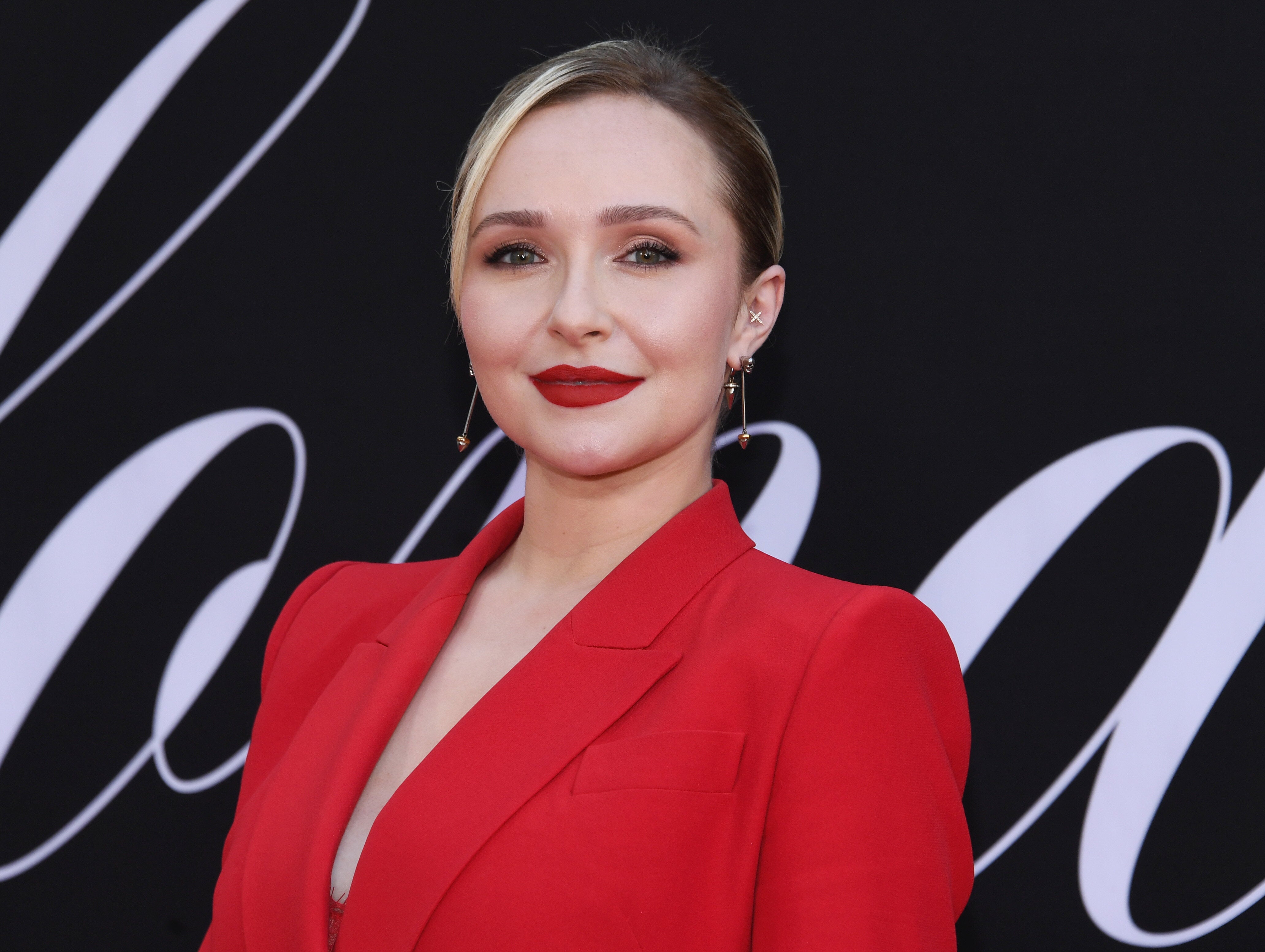
When a famous person dies unexpectedly, people who enjoyed their work often feel the loss deeply. The news of Hayden Panettiere’s death at 36 has particularly hit manymillennials who grew up watching her performances in a way that can be hard to articulate.
Therapists and mental health experts say that reaction is completely understandable, and it says something meaningful about the generation that grew up with her.
Advertisement
“I hear this from clients all the time – that there is this confusion about why they’re crying over someone they’ve never even met,” Gina Moffa, a grief therapist and author of Moving On Doesn’t Mean Letting Go: A Modern Guide to Navigating Loss, told HuffPost.
“We have all felt it at some point with a favourite public figure. And what I say is this: Your brain doesn’t actually care whether the relationship was mutual. It bonds with what’s familiar, what’s constant, what’s shown up for you again and again, even if that showing up only ever went one direction over a TV screen or a radio.”
The clinical term that helps explain what many people are feeling right now is a parasocial relationship – a one-sided bond that the brain forms with a public figure through repeated exposure. But experts say the term doesn’t entirely capture what these connections actually feel like from the inside.
Advertisement
“If someone’s voice or presence has been an important or meaningful part of your life for years, through your breakups, your late nights trying to fall asleep, your growing up, your body doesn’t check whether they knew your name or were an actual part of your life in any reciprocal way,” Moffa said. “It only registers that this was steady, this was meaningful to me, and now it’s gone.”
“Our brains process the familiar faces and voices of celebrities we come to know and love the same way they process real friends because we see them on our screens, often daily, in our own homes,” she said.
“This is partly rooted in mirror neurons, which fire when we observe someone else’s emotions and allow us to internally mimic or feel connected to what we see as we may be experiencing many of the same emotions and events in our own lives,” she continued.
Advertisement
“When we watch a celebrity on TV, these mirror neurons let us resonate with their emotions, creating a bridge of identification.”
That’s why your brain doesn’t need a two-way relationship to form a meaningful attachment. Spending formative years with a pop culture figure creates a sense of familiarity, which can foster a genuine sense of companionship.
“Whether it is music, movies, sports, television or social media, we can feel like our paths have mirrored the path of the celebrity and we have ‘grown up with them’ or they represent a particular moment or time in our lives,” said Dr. Jessi Gold, a psychiatrist and chief wellness officer at the University of Tennessee System.
Advertisement
“I think about this like, ‘Oh, that movie meant so much to me when…’ and we have feelings that associate with that movie, that time, that character, and those translate to the human who portrayed them.”
“
As we age as millennials, the death of celebrities shakes us out of our egocentric internal teenage feeling and forces us into the fragile reality that our own mortality is real.
– Tychelle Graham-Moskowitz, therapist
So when that celebrity dies, you might feel grief over who they were to you or that time in your life. For nostalgia-driven millennials, it can be a powerful gut punch.
Advertisement
“I do believe there is a special relationship with millennial grief of celebrities,” Moffa said. “With my millennial clients, what I notice is that the grief they experience is not really just about the person, but also about the version of themselves that existed the last time they watched them and how they felt about their own life and themselves in the world.
“These weren’t just actors and actresses – they were sitting on the couch with us as kids, shaping what we thought friendship or relationships or love looked like. So when they’re gone, part of what’s actually being mourned is that chapter of your life feeling unreachable in a new way.”
Because Panettiere was a child actor as well, many millennials literally grew up alongside her and feel her death in a deeply personal way.
Advertisement
“As we age as millennials, the death of celebrities shakes us out of our egocentric internal teenage feeling and forces us into the fragile reality that our own mortality is real,” Graham-Moskowitz said.
Public figures remind us of the passage of time and our own place within it.
“When a person who represented those memories or versions of ourselves dies, it can feel like a piece of history lost, or it can make us confront our own age more and the idea that we are getting older, our friends are getting older, and we will have more loss as a result,” Gold said. “Death reminds us that time has passed – even if part of us still feels like we were watching them on TV yesterday.”
Jon Kopaloff via Getty Images
Hayden Panettiere died on Aug. 16, just days before what would have been her 37th birthday.
Advertisement
Panettiere and other former child actors who have recently passed away – like Michelle Trachtenberg and Daveigh Chase – served as role models and influential peers in a sense.
“Celebrities who were present during your developmental years become part of your internal reference system,” said Chloë Bean, a licensed marriage and family therapist.
“They model resilience, sexuality, independence and aspirational qualities when you’re just starting to figure out who you are. You looked up to them in your youth for guidance and self-direction. So you’re grieving that chapter, your childhood, and the part of you that felt so connected to them.”
Advertisement
She also pointed to the role cable TV played in cementing these bonds as well.
“For many millennials, the TV was the babysitter and an escape,” Bean said. “These actresses felt like friends because they were in your home multiple nights a week, sometimes for years. You weren’t just watching them on the screen, the experience felt like you lived and grew up alongside them. Millennials compare themselves to millennial celebrities in a way that no other generation has before. We aged with them, watching them getting married, struggling, hitting their 30s and 40s.”
Other technological advancements further deepened the connection and the sense of certain celebrities as a constant, stable presence in life.
“Millennials were the first generation to have access to the internet in our homes as a regular occurrence, so not only did we see our favourite celebrities in movies, on television, in magazines and so on, but we got a chance to search more about them on the internet and eventually in the palms of our hands,” Graham-Moskowitz noted.
Advertisement
It’s safe to assume Gen Z may feel celebrity losses even more intensely due to their lifelong parasocial access as well.
“The loss of a celebrity can also be a grief trigger to other grief – other relationships we’ve lost or represent a loss of time, innocence and childhood, or even symbolise our own death or mortality,” Gold said. “And, the communal reaction on social media can also amplify the expression of it all. The grief is usually about more than just the person.”
Therapists pointed to another profound dimension in grieving Panettiere’s death.
“With Hayden specifically, I think what made this loss land so [personal] for so many people is that she wasn’t just a face we grew up watching – she used her platform to speak openly about postpartum depression and trauma and battles with drug use, at a time when very few public figures are willing to say those things out loud and be this vulnerable,” Moffa explained.
Advertisement
Indeed, Panettiere’s recent memoir and interviews added to the depth of connection.
“Unlike many celebrities who have struggled with mental health or substance abuse, Hayden was extraordinarily open about her experiences, and that kind of vulnerability results in followers truly rooting for her and wanting her to overcome these obstacles, which makes her loss even more devastating,” said licensed marriage and family therapist Becky Stuempfig.
“When someone visible says ‘me too,’ it gives people permission to stop hiding their own pain,” Moffa added. “She didn’t just play characters we loved; she showed up as herself, in her own struggle, and that kind of honesty tells people watching from their own dark moments that they’re not alone in the struggle. That can be a whole other part of the grief experience we don’t talk enough about.”
Bean captured what makes this grief so uniquely hard to put into words.
“The millennial generation will feel every celebrity passing because we grew up believing we knew them,” she said. “Social media provides intimacy and daily access, but growing up watching these actresses on shows created a fantasy that felt real. We’re grieving them like we’d grieve a friend who turned out to be a stranger, someone we only knew from one direction. That’s where the grief hits hardest, and it’s what makes it so difficult to articulate.”
Advertisement
“
She didn’t just play characters we loved; she showed up as herself, in her own struggle.
– Gina Moffa, grief therapist and author
If you’re feeling blindsided by how much a celebrity death is affecting you, therapists have some guidance.
“Don’t let anyone talk you out of feeling the shock and grief, because the relationship wasn’t ‘real’ in any traditional sense, or because they were ‘just a celebrity,’” Moffa said.
Advertisement
“Grief doesn’t require reciprocity to be legitimate. It only requires attachment and meaning. If someone shaped who you became, at any age, or time in your life, in any way, that grief deserves the same gentleness you’d give any other loss.”
She emphasised that you don’t need permission to feel deep sadness and loss.
“When a death is sudden and shocking, the unanswered questions and uncertainty about the death being accidental or intentional [exacerbate] the complicated nature of the grief process,” Stuempfig said. “This is very different than an anticipated dying process from a medical illness or ageing. Our brains and bodies have a harder time processing emotions when there are unanswered questions.”
Talk about those feelings with a trusted friend or family member, ideally even someone who was also a fan or can help identify these emotions.
Advertisement
“The concept of ‘name it to tame it’ can be helpful with grief as it is critically important to identify the various feelings that arise so they can be validated,” Stuempfig said.
Be mindful of social media consumption, too.
“You don’t need to read every tribute, every post, and every statement if you feel impacted,” Gold said. “You can still care about an event or person and their death, and detach and take time away from the news, if needed. You also should not feel like you have to post or comment if you don’t know what to say. You can take time to figure out your feelings about something or grieve alone, that is OK, too. You don’t have to say something to show you care.”
Remember that grief, as painful as it can be, may also be a source of social connection.
“As we mourn the deaths of our favourite celebrities, know that we collectively mourn together, much like to do when we mourn in our own family members,” Graham-Moskowitz said. “The connected space that the internet creates can bring us a sense of comfort and togetherness, where we feel seen. This can be helpful. Also, go call a friend!”
Advertisement
And when these experiences bring up heavier feelings around your own mental health, Gold encouraged reaching out.
“If any of these deaths make you think more about your own mental health, I hope you reach out and ask for help,” she said. “There are hotlines, local therapists and everything in between. You can also start with a trusted family member or friend. Just start somewhere.”
Advertisement
Help and support:
Mind, open Monday to Friday, 9am-6pm on 0300 123 3393.
Samaritans offers a listening service which is open 24 hours a day, on 116 123 (UK and ROI – this number is FREE to call and will not appear on your phone bill).
CALM (the Campaign Against Living Miserably) offer a helpline open 5pm-midnight, 365 days a year, on 0800 58 58 58, and a webchat service.
The Mix is a free support service for people under 25. Call 0808 808 4994 or email help@themix.org.uk
Rethink Mental Illness offers practical help through its advice line which can be reached on 0808 801 0525 (Monday to Friday 10am-4pm). More info can be found on rethink.org.