How Do You Talk To Kids About Trauma? This Mum Needed To Know

In 1994, one of Rwanda’s darkest moments in history took place – a genocide that saw the death of 1,100,000 people – of which 800,000 people were Tutsi, an ethnic group that were minorities in comparison to the majority Hutus.

At the time, Alice Musabende was 13-years-old. Her parent, grandparents, and siblings all died during the war. The now mum-of-two had only a few surviving members of her family; her aunt, uncle, and their kids. In 2005, as part of her studies, Musabende left Rwanda for Canada, building a life for herself; she married (but has since separated), and had two precious boys.

She began working as a journalist and academic, later moving to the UK to work at the University of Cambridge. But despite her writing and hours of research into what happened, Musabende found it almost impossible to articulate the reality of the violence which was unleashed on her people.

“I have spent so many hours, countless of times, writing and reading and trying really to capture the magnitude of the horror. And I still haven’t,” she tells HuffPost UK.

Now, her two children, aged five and eight, have questions about their grandparents, their home in Rwanda, and how their mother feels about it all.

So, in an attempt not to “run away from her demons”, Musabende had to find a way to voice the unspeakable horror she endured at such a young age. Which is how she began making a radio show with the BBC to start the story.

In Unspeakable, Musabende asks for help and guidance from other genocide survivors, second-generation holocaust survivors, a therapist who works with AIDS orphans in South Africa, and a publisher of stories in Rwanda.

She explores identity, generational trauma, and the place of storytelling and with the help of these other voices, she tries to piece together the answer to one fundamental question: how do I tell my kids about my trauma?
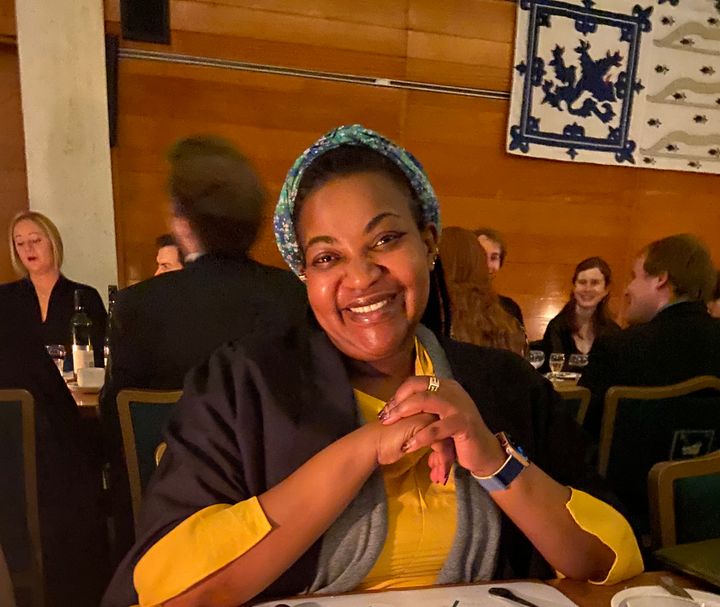
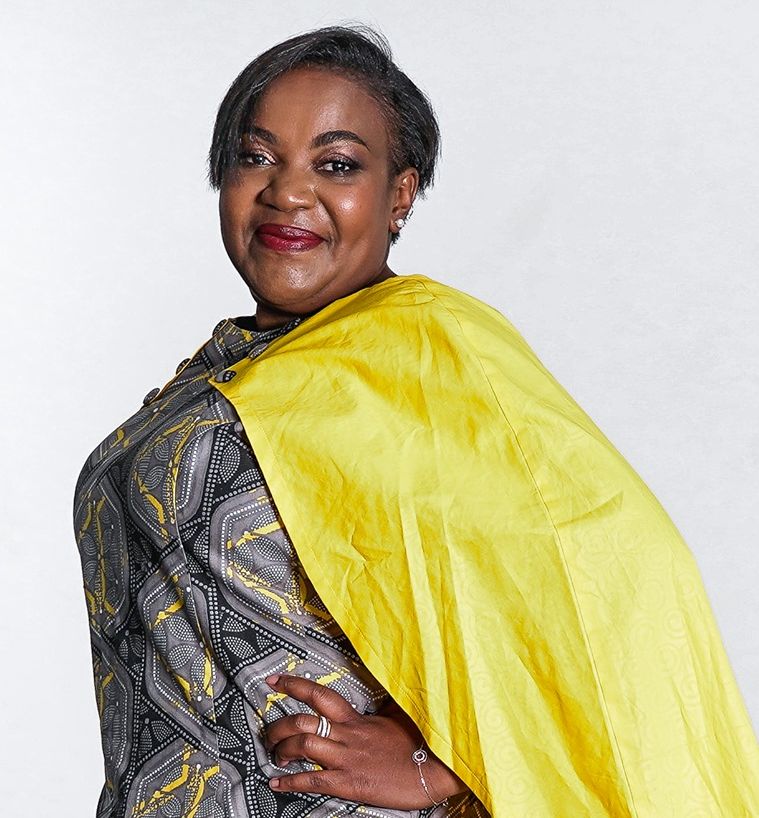
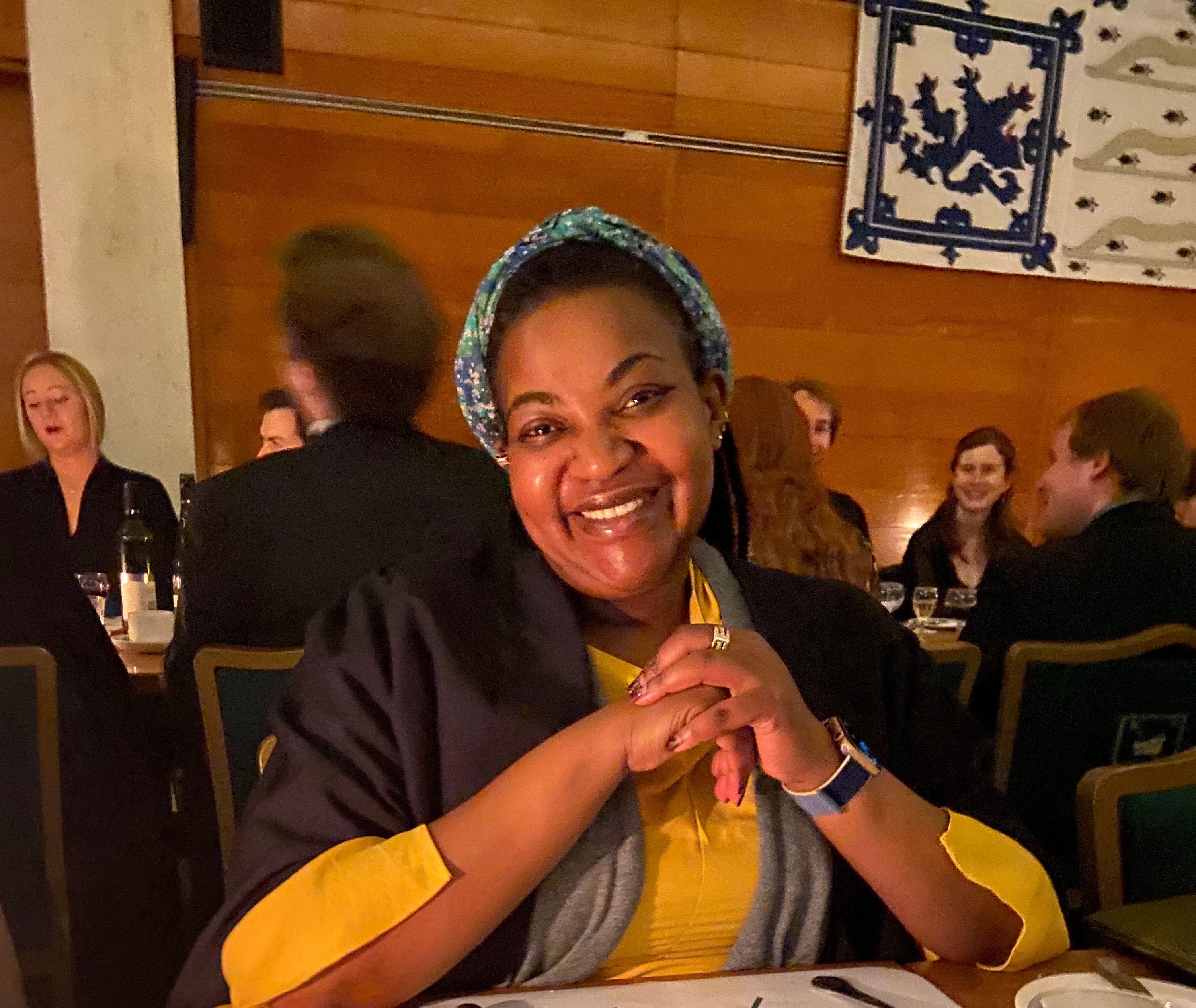
Mum-of-two Alice Musabende is figuring out the words to explain what happened in Rwanda 27 years ago

Mum-of-two Alice Musabende is figuring out the words to explain what happened in Rwanda 27 years ago

Firstly, says Musabende, she has had to come to terms with her own past.

“For the last 20 years, I’ve focused so much on me,” she explains. “I’ve done therapy, I tried to figure out how to live with PTSD, to understand how I will actually live a life without family, without anyone. I thought I was really getting a good handle on it. Then I moved here and in the middle of trying to reconfigure being a single parent and my work, I remember just one day thinking, ‘Oh no, I’m going to have to tell the boys about the genocide.’

“That bit was way more complicated than anything else I have done, mainly because the story of the genocide, for me, is extremely painful, but I think it’s painful for all the other survivors as well. Because I’ve spent so many years trying to run away from it, it was so hard.”

Growing up, Musabende was aware of the ethnic persecution of her Tutsi people – her family members had been arrested on suspicion of being part of rebel forces, and her granddad’s land had been seized.

After travelling to Ottawa for her graduate studies, Musabende recognised signs of PTSD in herself. She explains: “In school I couldn’t really function. I had a really difficult transition, I did so many things that we now associate with post traumatic stress disorder but at the time no one told me what it was.

“It wasn’t until I started different forms of therapy to make sense of what I was going through. Through those sessions, I wanted to find the essence of who I was, I wanted to be okay. I wanted to have joy, and I wanted to be able to use my brain to serve, to study and perhaps maybe even teach.”

In 2017, Musabende went back to Rwanda for the first time. Two years later, she took her two sons to show them where their family came from – so they could understand the great beauty, as much as the trauma, of her birthplace.

“I remember arriving in Rwanda and looking at these tiny humans and thinking, ‘This is their home, but I don’t know if they know that this is their home as well.’ That’s when things just started percolating in my head, I was like: ‘How do I do this, what do I say?’ She took her eldest boy, six at the time, to where her house used to be – now just a plot of land since it was destroyed in the genocide.

“I told him that’s where my home used to be and that’s where my brother and sister used to live. We were walking on this plot, he looked down, saw a piece of cloth, picked it up and said, ‘Do you think this was your sister’s dress?’ And I hadn’t seen that one coming. It was a bit of a struggle but I couldn’t cry.

“My words just left me. That’s when I realised he has questions. He has real questions where he’s trying to figure out where he fits into a story that’s so obscure and mysterious to him.”

Alice has since taken her children to Rwanda to show them the country

Alice has since taken her children to Rwanda to show them the country

And Musabende had questions of her own, which is how the documentary came about. “I couldn’t write about it,” she says. “I don’t know how to write about it, so I thought to just ask people what they think.”

She was terrified. “I thought, ‘Oh, am I traumatising my children by telling them these horrible things?’ Previously I’d thought it’s best not to say anything as you don’t upset them. But I know that they want to know. They’re not asking tough questions. Their questions are like ‘Do you miss your mum?’ or ’Do you think your mum would have loved me?’Those things are so difficult because they send you right back to that place where you wish you didn’t have to go.

Unspeakable is Musabende’s attempt to bridge the gap between that place she has avoided for the past 27 years “and the place I am in now, as a parent hoping to raise healthy, well-grounded, empathetic children.”
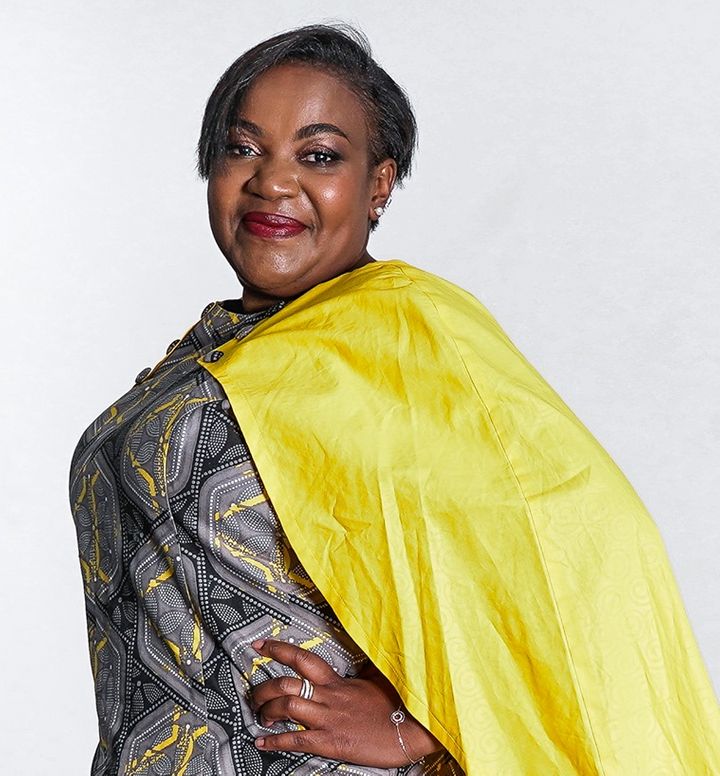
Alice's radio show Unspeakable comes out today

Alice’s radio show Unspeakable comes out today

It’s not just genocide she has to talk to her children about. By virtue of being a mother to two young Black boys, Musabende knows that she will become accustomed to difficult conversations.

“Raising Black boys in a western culture that’s always telling them so many things about them that are false, it’s an even bigger responsibility to tell them about where they come from, what happened to them and tell them exactly who they are, so that when they get out there, they know in their hearts that they’re valued, that they are loved, that they are cared for.

“It is my job to tell my kids who they are. I haven’t quite figured out how to tell them the full story of my history so you’ll see in the documentary, I’m still learning, it’s a long journey.”

Unspeakable airs on BBC Radio 4 on Fridays and is available on BBC Sounds.

Approaching conversations about trauma

Alice Musabende wants to share the following advice for fellow parents.

First of all, accept you don’t know how to say it all

“That realisation that I don’t know how to talk to my children was the beginning of my quest because for a very long time, I just pretended that it wasn’t there. Once I sat down and I thought, ‘I know I have to, and I don’t know how,’ that was the beginning.”

Find a safe space to make sense of the trauma yourself

“I wouldn’t have been able to have this conversation five years ago. I had to do so much of my own work in self-healing, therapy, in figuring out how to listen. It took me so much time to get here.”

Seek guidance, talk to others who might understand

“You’ll be surprised about how many people are struggling to address these serious issues with their children. There are parents everywhere trying to figure out how to say things.”

Know that the conversation is hard but important

“You can’t just focus on the fact that you are transmitting trauma. You also have to know that by processing things, by seeking to figure out what the appropriate language is, you’re also ensuring that your kids will be more resilient, because you are being more resilient.”

Celebrate yourself for all that you’ve overcome

“We often forget to celebrate our resilience but ultimately, we should really look at ourselves and think, ‘We are here. We made it. We have children and they seem somewhat okay.’ That’s a win for me.”

Useful websites and helplines

Mind, open Monday to Friday, 9am-6pm on 0300 123 3393.

Samaritans offers a listening service which is open 24 hours a day, on 116 123 (UK and ROI – this number is FREE to call and will not appear on your phone bill).

CALM (the Campaign Against Living Miserably) offer a helpline open 5pm-midnight, 365 days a year, on 0800 58 58 58, and a webchat service.

The Mix is a free support service for people under 25. Call 0808 808 4994 or email help@themix.org.uk

Rethink Mental Illness offers practical help through its advice line which can be reached on 0808 801 0525 (Monday to Friday 10am-4pm). More info can be found on rethink.org.

Share Button

Covid Travel Restrictions: Your Ultimate Guide To The Latest Rules

Going on holiday this summer just got a little bit easier, because the government has relaxed some of the quarantine rules on international travel.

From July 19, those who have had both doses of the coronavirus vaccine will no longer have to quarantine upon return from amber list destinations.

In addition, children under the age of 18 will not have to quarantine on their return to England from amber list destinations, transport secretary Grant Shapps confirmed.

The long awaited announcement will be music to the ears of Brits dreaming of sunshine, particularly those who’ve already got holidays booked to destinations such as Portugal, which moved from the green to amber list last month.

But there’s still a lot to consider before you jet off. Here are the essentials you need to know.

Plaza de Espana, Seville, Spain

Plaza de Espana, Seville, Spain

There’s still a traffic light system to contend with:

The traffic light system is still in place and while the quarantine rules may have softened a little, you’ll still need to take a number of coronavirus tests before and after travel. Here’s a reminder:

Green countries

People returning from green destinations must take a test before they depart, then another test on or before the second day of their return. You do not need to quarantine unless the test result is positive.

Amber countries

People returning from amber destinations, such as France, mainland Spain, and Portugal, will still be required to take a Covid-19 test before returning to the UK.

They will also have to take a test on or before the second day of their return, but will be exempted from the day eight test from July 19.

While double jabbed and under 18s are exempt from quarantine, adults who have only received one coronavirus vaccine (or none at all) will still need to self-isolate at home for 10 days after returning from an amber country. You need to have had your second vaccine at least 14 days before travel in order for it to kick and for you to be exempt.

Red countries

People returning from red destinations must take a test before they return to the UK. They’ll then be required to book a quarantine package in a government-approved quarantine hotel, plus two more tests, on or before day two and on or after day eight of quarantining.

You’ll need to find the correct test

There’s been a lot of confusion about which tests you can take for travel. The Department for Transport confirmed to HuffPost UK that lateral flow tests are allowed for pre-departure tests, as long as they abide by the sensitivity required (performance standards of ≥97% specificity, ≥80% sensitivity at viral loads above 100,000 copies/ml). The jargon is complicated, but do check your test to make sure it meets this requirement

You cannot take an NHS test abroad with you to use on yourself before you return. Instead, the government says you must buy a test from a reputable private company. It’s your responsibility to ensure the test meets the minimum standards for sensitivity, specificity and viral load details.

Once you’ve arrived back in the UK, tests taken on day two and day eight must be PCR tests, the Department for Transport confirmed. Again, you must use a test that meets the government’s minimum standards.

You’re required to book a “test pack” before you travel and leave enough time for tests to be delivered to your address in England.

If you’re struggling to find a test that meets the government’s standards, the government’s website has a list of providers that meet the threshold.

Remember: the traffic light system is not reciprocal

Just because a country is on the UK’s green or amber list, it does not necessarily mean Brits are able to travel there quarantine-free. Every country sets its own entry requirements.

Take Portugal, which is currently on the UK’s amber list, as an example. Portugal recently updated its rules to say all adults and children over the age of 12 must have proof of a negative Covid-19 test to travel to or through Portugal.

If you’ve travelled from the UK to mainland Portugal, you must also quarantine for 14 days in the place you’re staying – or at a place indicated by the Portuguese health authority – unless you can prove you’ve been double jabbed with an EU approved Covid-19 vaccine at least 14 days prior to travel.

The Portuguese tourist board confirmed to HuffPost UK “children under the age of 12 do not need to quarantine or show a negative test or proof of vaccination”. It means that those travelling with teens – who are not exempt from quarantine but can not yet get a vaccine in the UK – can’t now holiday in Portugal.

Malta, on the UK’s green list, also has strict rules. You can only enter Malta if you’re double-vaccinated. Children under 12 will be permitted to enter the country if they’re holidaying with parents who have been double jabbed. Although exempt from quarantine, those aged between five and 11 must also show evidence of a negative PCR test taken within the previous 72 hours before arrival.

The Balearic Islands of Mallorca, Menorca and Ibiza are other popular options for families this summer, as they recently moved to the UK’s green list. However, all visitors to the Spanish islands must present evidence of double vaccination or a negative coronavirus test.

Children under 12 are “not required to present these certificates or supporting documents”. If you’re travelling with kids aged 13-18 years old, they can enter the country as long as they can demonstrate a negative test.

It’s vital to check the entry requirements of a country before you book flights or accommodation. You can search your holiday destination on the Foreign, Commonwealth and Development Office (FCDO) website to see the latest guidance. And remember, all the rules are subject to change if Covid cases go up or down.

Share Button

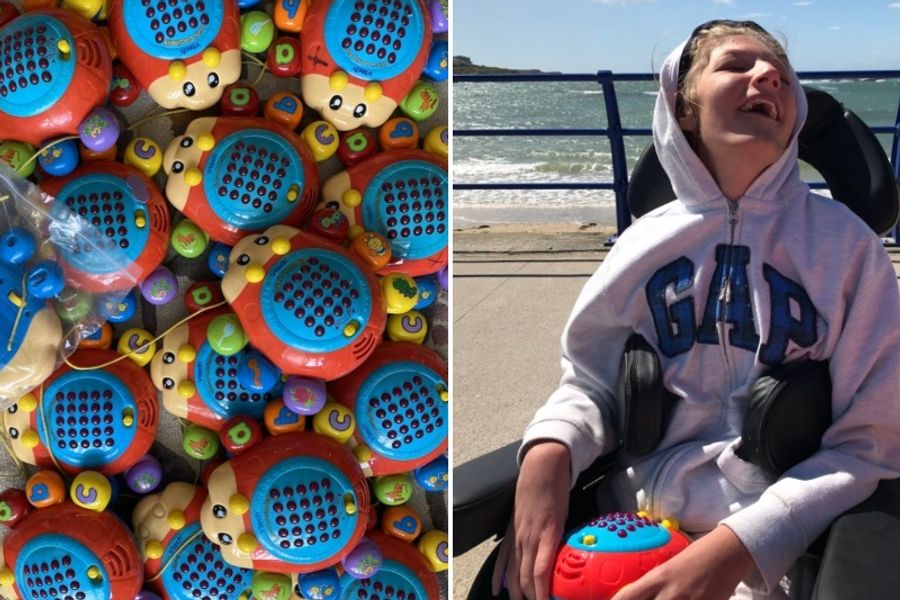
Kind Strangers Track Down Discontinued Toy For Disabled Teen

A teenager has been blown away by the kindness of strangers, who’ve rallied together to track down a discontinued toy her disabled sister loves to bits.

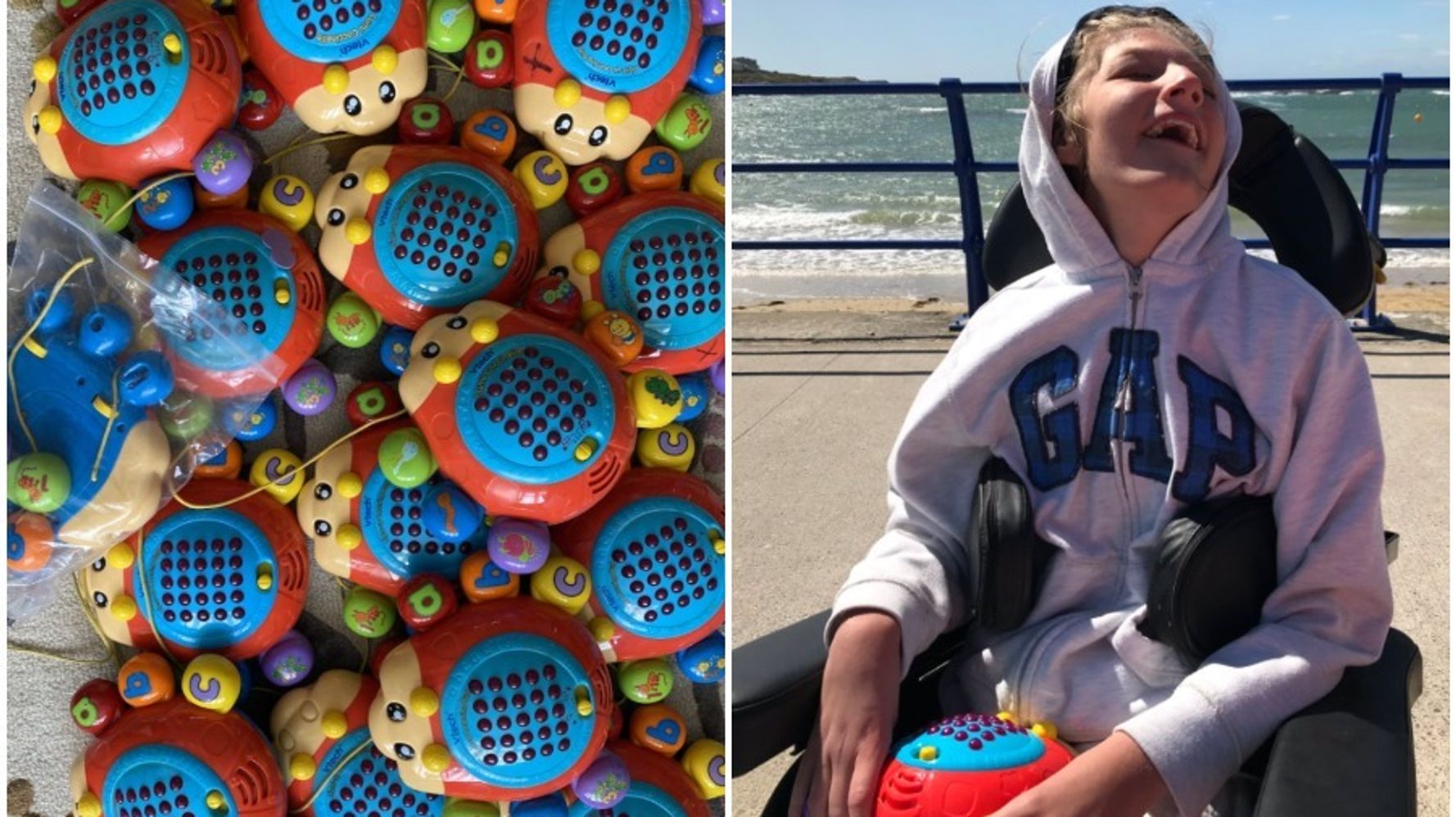
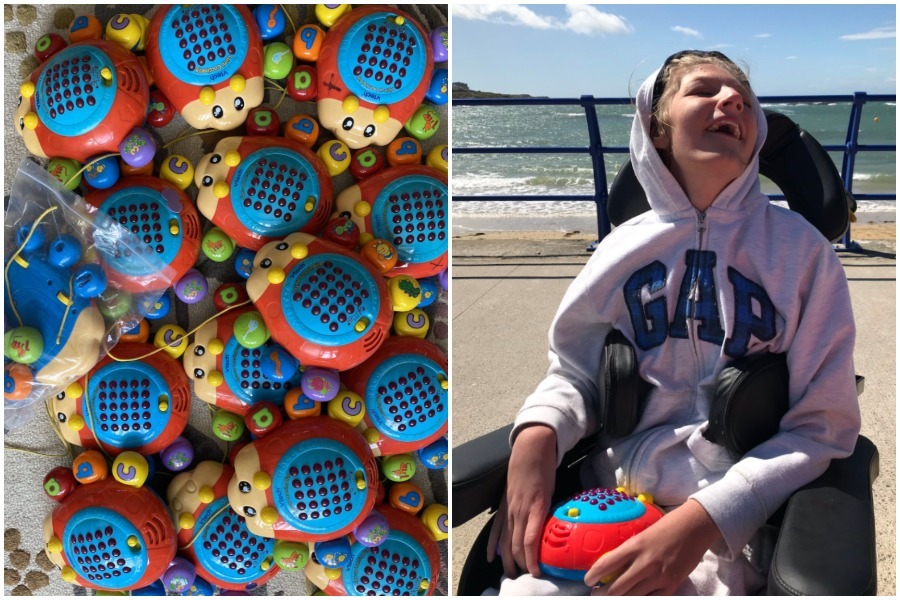
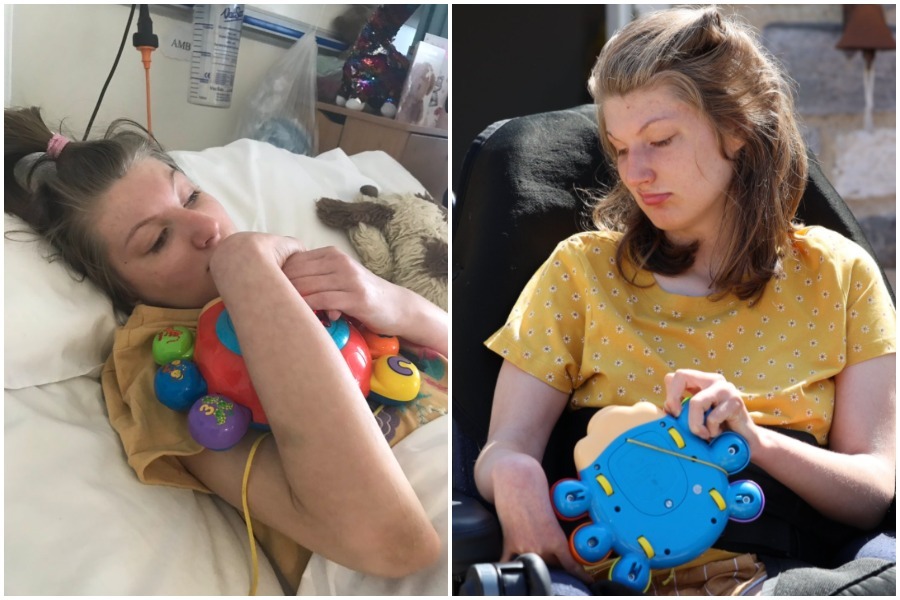
Josie Wheel, 18, from Coventry, tweeted to ask if anyone had access to a Vtech Light Up Learning Bug, which has been her 15-year-old sister’s favourite toy since her second birthday. Her sister, Rosie, has Profound Multiple Learning Difficulties, or PMLD, and Josie says she’s grown to rely on her beloved toy.

“Rosie loves everything about her ladybug – it fulfils all her sensory needs as it’s tactile, has flashing lights, and sings songs,” Josie Wheel tells HuffPost UK.

“Ladybug is her whole life, it goes on holiday with her, to hospital, she has one at school. It is the first thing she wants when she wakes up and the last thing she has before she goes to bed.”

Wheel asked for those who have a working toy to get in touch and was quickly contacted by people around the world. “Countless people” have offered to try to fix Rosie’s broken toys, while others have been bombarding Vtech with emails to see if they can do anything to help.

People in the UK have located toys from local sellers and strangers from countries including Malta, Spain and France have helped to translate messages from sellers abroad.

“The offers have been so crazy!” says Wheel. “It feels pretty surreal because we had no idea that this would take off as much as it has. We have searched for her ladybug before and it’s never had this kind of reach! It’s so amazing to see so many people offer to help in so many ways.”

Share Button

After 80 Years Of Marriage, This Couple Have The Best Love Advice

HuffPost is part of Verizon Media. We and our partners will store and/or access information on your device through the use of cookies and similar technologies, to display personalised ads and content, for ad and content measurement, audience insights and product development.

Your personal data that may be used

  • Information about your device and internet connection, including your IP address
  • Browsing and search activity while using Verizon Media websites and apps
  • Precise location

Find out more about how we use your information in our Privacy Policy and Cookie Policy.

To enable Verizon Media and our partners to process your personal data select ‘I agree‘, or select ‘Manage settings‘ for more information and to manage your choices. You can change your choices at any time by visiting Your Privacy Controls.

Share Button

Christmas Eve Won’t Be The Same In 2020 – But We’re Still Celebrating

HuffPost is part of Verizon Media. We and our partners will store and/or access information on your device through the use of cookies and similar technologies, to display personalised ads and content, for ad and content measurement, audience insights and product development.

Your personal data that may be used

  • Information about your device and internet connection, including your IP address
  • Browsing and search activity while using Verizon Media websites and apps
  • Precise location

Find out more about how we use your information in our Privacy Policy and Cookie Policy.

To enable Verizon Media and our partners to process your personal data select ‘I agree‘, or select ‘Manage settings‘ for more information and to manage your choices. You can change your choices at any time by visiting Your Privacy Controls.

Share Button

8 Cheery Festive Tips For Enjoying A Mini Christmas For Two

HuffPost is part of Verizon Media. We and our partners will store and/or access information on your device through the use of cookies and similar technologies, to display personalised ads and content, for ad and content measurement, audience insights and product development.

Your personal data that may be used

  • Information about your device and internet connection, including your IP address
  • Browsing and search activity while using Verizon Media websites and apps
  • Precise location

Find out more about how we use your information in our Privacy Policy and Cookie Policy.

To enable Verizon Media and our partners to process your personal data select ‘I agree‘, or select ‘Manage settings‘ for more information and to manage your choices. You can change your choices at any time by visiting Your Privacy Controls.

Share Button

The Dos And Don’ts Of Supporting Someone Who’s Grieving This Christmas

HuffPost is part of Verizon Media. We and our partners will store and/or access information on your device through the use of cookies and similar technologies, to display personalised ads and content, for ad and content measurement, audience insights and product development.

Your personal data that may be used

  • Information about your device and internet connection, including your IP address
  • Browsing and search activity while using Verizon Media websites and apps
  • Precise location

Find out more about how we use your information in our Privacy Policy and Cookie Policy.

To enable Verizon Media and our partners to process your personal data select ‘I agree‘, or select ‘Manage settings‘ for more information and to manage your choices. You can change your choices at any time by visiting Your Privacy Controls.

Share Button

Self-Isolating Before Christmas? Good In Theory, Difficult In Practice

HuffPost is part of Verizon Media. We and our partners will store and/or access information on your device through the use of cookies and similar technologies, to display personalised ads and content, for ad and content measurement, audience insights and product development.

Your personal data that may be used

  • Information about your device and internet connection, including your IP address
  • Browsing and search activity while using Verizon Media websites and apps
  • Precise location

Find out more about how we use your information in our Privacy Policy and Cookie Policy.

To enable Verizon Media and our partners to process your personal data select ‘I agree‘, or select ‘Manage settings‘ for more information and to manage your choices. You can change your choices at any time by visiting Your Privacy Controls.

Share Button

Doorscaping Is The Christmas Trend For People Who Adore Being Extra

HuffPost is part of Verizon Media. We and our partners will store and/or access information on your device through the use of cookies and similar technologies, to display personalised ads and content, for ad and content measurement, audience insights and product development.

Your personal data that may be used

  • Information about your device and internet connection, including your IP address
  • Browsing and search activity while using Verizon Media websites and apps
  • Precise location

Find out more about how we use your information in our Privacy Policy and Cookie Policy.

To enable Verizon Media and our partners to process your personal data select ‘I agree‘, or select ‘Manage settings‘ for more information and to manage your choices. You can change your choices at any time by visiting Your Privacy Controls.

Share Button

Prince William Worries About His Grandparents But Is Keeping In Touch With Video Calls

HuffPost is part of Verizon Media. Click ‘I agree‘ to allow Verizon Media and our partners to use cookies and similar technologies to access your device and use your data (including location) to understand your interests, and provide and measure personalised ads. We will also provide you with personalised ads on partner products. Learn more about how we use your data in our Privacy Centre. Once you confirm your privacy choices here, you can make changes at any time by visiting your Privacy dashboard.

Click ‘Learn more‘ to learn and customise how Verizon Media and our partners collect and use data.

Share Button